Contents
Have you ever considered the lasting impact of flood damage on your home? It’s vital to act swiftly and methodically to mitigate both immediate and long-term effects. From evaluating the damage to employing effective mold prevention and flood cleanup strategies, each step plays a pivotal role. By understanding the best practices for cleanup and protection, you can safeguard your living space and health. What specific actions can you take to ensure your home remains safe and mold-free?
Key Takeaways
- Assess flood damage thoroughly, documenting with photos for insurance, and prioritize safety by wearing protective gear and avoiding unstable structures.
- Remove water quickly using submersible pumps, then mop and vacuum residual water while disposing of contaminated materials properly.
- Clean and disinfect surfaces with bleach solutions, ensuring all wet materials are removed and tools are sanitized to prevent mold growth.
- Control humidity by maintaining indoor levels below 60%, using dehumidifiers, and improving ventilation through fans and open windows.
- Opt for mold-resistant materials during repairs and conduct regular inspections to catch potential mold issues before they escalate.
How to Assess Flood Damage Effectively?
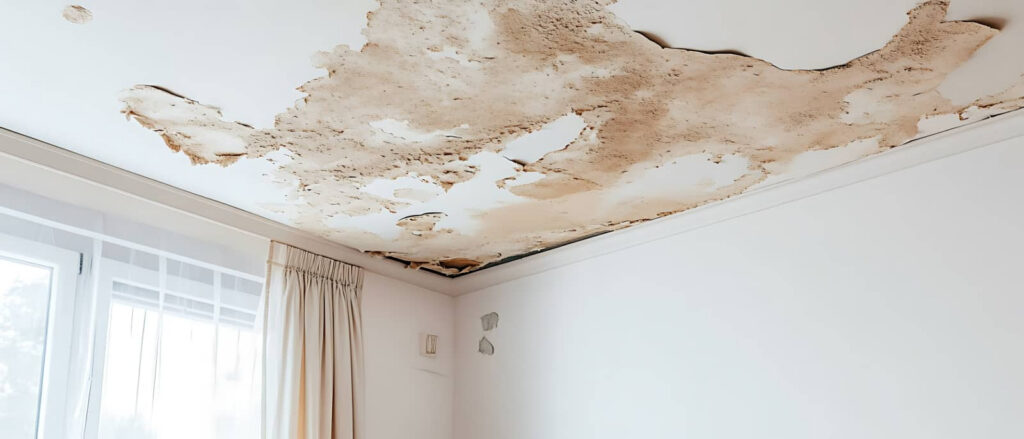
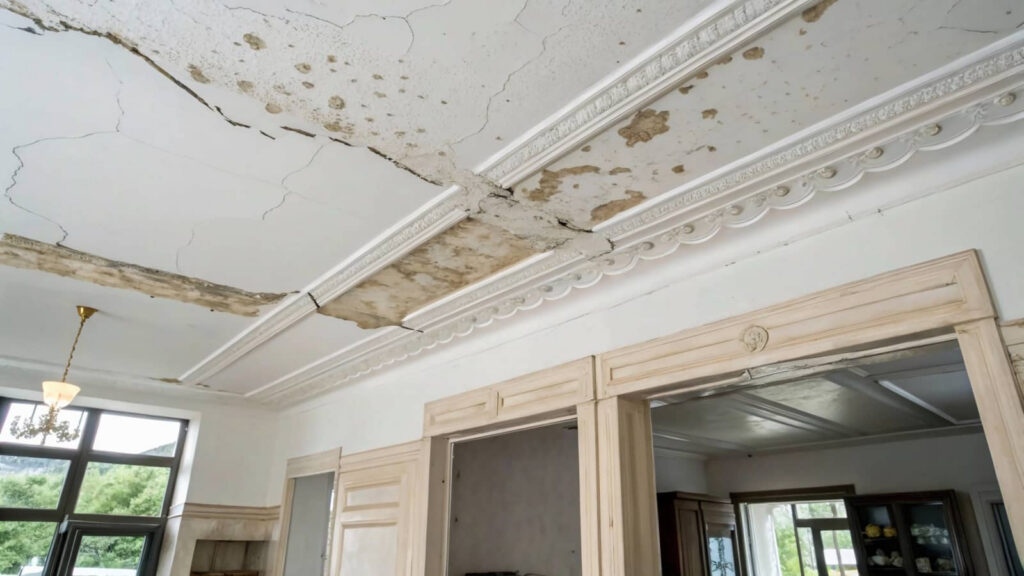
When you face the aftermath of a flood, it’s essential to assess the damage quickly and accurately to prevent further complications. Start by using effective flood assessment techniques, such as visual inspections and moisture meters, to identify affected areas.
Document everything with photos and notes, as this will aid in insurance claims. Employ damage evaluation methods to categorize the severity of the damage—consider structural integrity, electrical systems, and personal belongings.
Prioritize safety by wearing protective gear and avoiding unstable structures. Collaborate with professionals if needed, as their expertise can provide valuable insights.
How to Remove Standing Water Quickly and Safely?
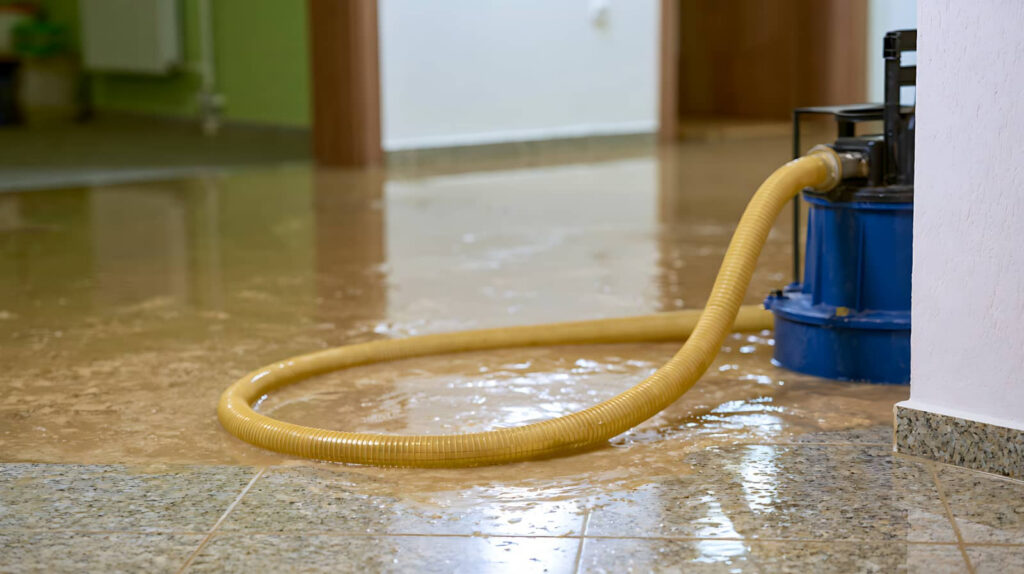
Removing standing water quickly and safely is vital to minimizing damage and preventing health hazards. Here are some effective flood safety tips for standing water removal:
- Assess the Situation: Before you start, evaluate the depth and source of the water.
Verify the area is safe to enter, looking out for electrical hazards and structural damage.
- Use a Pump: Invest in a submersible pump for efficient removal.
This tool can greatly speed up the process, especially with larger volumes of water.
- Mop and Vacuum: After pumping, use mops and wet vacuums to pick up residual water.
Don’t forget to dispose of contaminated materials properly.
Drying Out Your Home After Flooding to Prevent Mold
To effectively prevent mold growth after a flood, it’s essential to dry out your home as quickly as possible.
Start with efficient drying techniques like using dehumidifiers and fans to enhance air circulation. Focus on moisture control by checking insulation concerns, as wet insulation can foster mold.
Conduct post-flood inspections to identify hidden moisture pockets that need attention. Surface treatment with mold-resistant products can further safeguard against growth.
Keep a close eye on the recovery timeline; the sooner you act, the better. If the damage is extensive, don’t hesitate to seek professional help.
Document everything for your insurance claims, ensuring you receive the support needed for a successful recovery. Your proactive approach now can make all the difference later.
Cleaning and Disinfecting Flood-Affected Areas
When cleaning flood-affected areas, it’s essential to gather the right supplies to ensure effective sanitation.
You’ll need items like gloves, masks, and appropriate disinfectants to tackle contamination.
Understanding effective disinfection techniques will help you eliminate harmful pathogens and prevent mold growth.
Essential Cleaning Supplies Needed
As you prepare to tackle the aftermath of a flood, having the right cleaning supplies on hand is vital for effective cleanup and mold prevention. These items will help you manage water damage and support your restoration efforts, especially when coordinating with insurance claims and restoration services.
Heavy-duty trash bags: For removing contaminated materials and debris.
Mold-killing solution: Essential for treating affected surfaces to prevent mold growth.
Protective gear: Gloves, masks, and goggles to ensure your safety while cleaning.
Don’t forget to have essential documentation and emergency contacts ready as you navigate your cleanup timeline.
Engaging community resources can also aid in your efforts while maintaining health precautions during this challenging time.
Effective Disinfection Techniques
Effective disinfection is vital after a flood, especially since contaminated water can harbor harmful pathogens. To protect your home and health, follow established disinfection protocols.
Start by removing all wet materials, including carpeting and drywall, to prevent mold growth. Use sanitizing techniques like a bleach solution (1 cup of bleach to 1 gallon of water) to clean hard surfaces. Make sure you wear gloves and a mask during this process.
After scrubbing, rinse surfaces with clean water and let them air dry. Don’t forget to disinfect tools and equipment used during cleanup.
Finally, monitor affected areas for any signs of mold; immediate action is essential in maintaining a safe environment. By adhering to these practices, you’ll help ensure your space remains healthy and welcoming.
How to Use Dehumidifiers to Keep Your Home Dry?
Using dehumidifiers can considerably reduce moisture levels in your home, especially after a flood. To effectively use them, consider the following tips:
Best Placement: Position your dehumidifier in a central location to maximize air circulation. Avoid corners or enclosed spaces, as they hinder moisture control.
Adjust Dehumidifier Settings: Set your device according to room size and desired humidity levels. Typically, aim for 30-60% humidity for best comfort and energy efficiency.
Regular Maintenance: Clean filters frequently to ensure proper function and consider a model with continuous drainage to simplify upkeep.
Finding Hidden Mold in Your Home and How to Address It
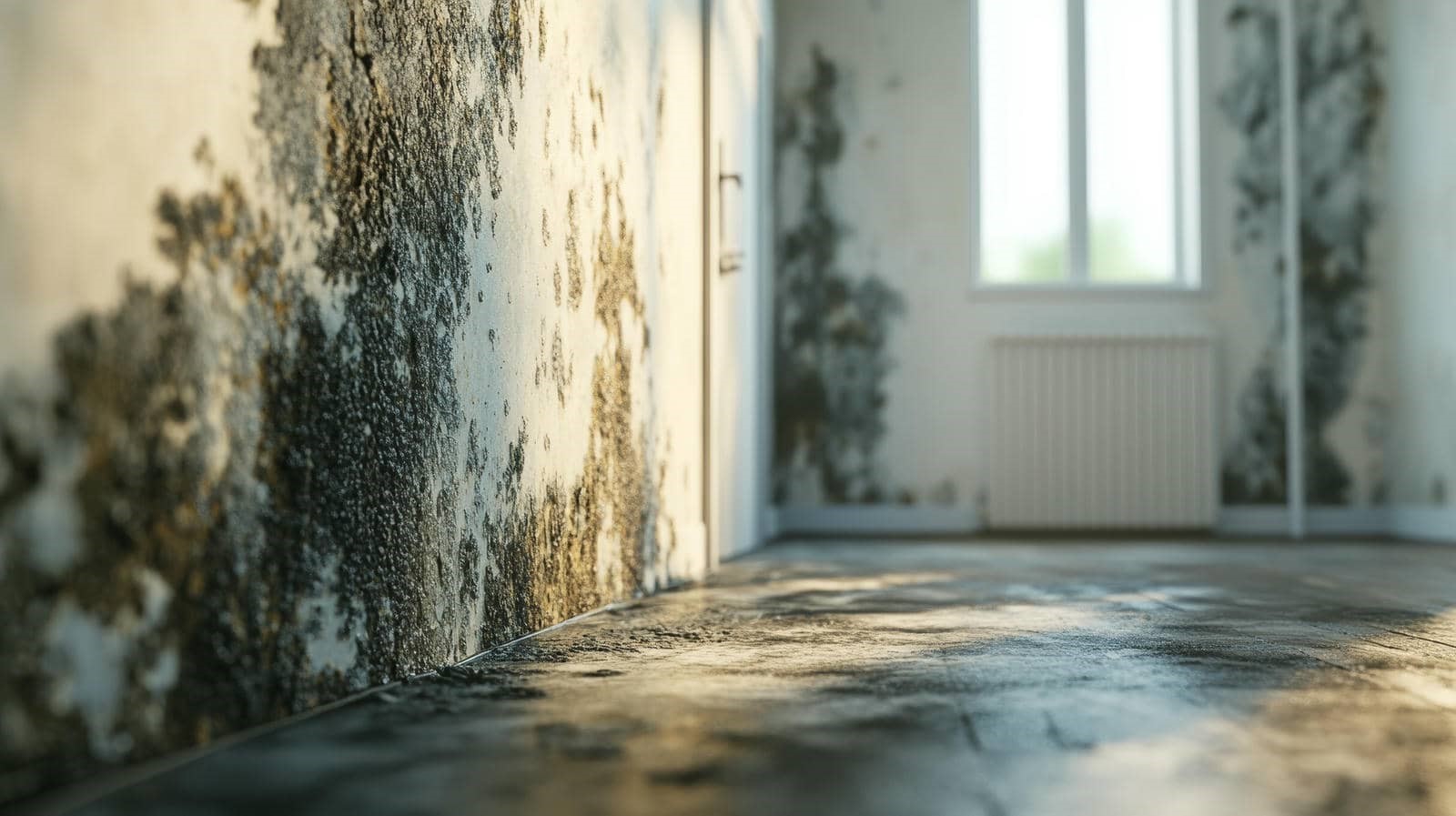
While you might think your home is mold-free, hidden mold can lurk in damp areas, posing serious health risks. Employing effective mold detection techniques is key to identifying these threats. Start by checking areas around windows, under sinks, and behind appliances.
| Area to Inspect | Potential Hidden Moisture Sources |
|---|---|
| Bathrooms | Leaky faucets and pipes |
| Basements | Poor drainage and humidity |
| Attics | Roof leaks and ventilation issues |
| Kitchens | Refrigerator condensate |
Use moisture meters to pinpoint damp spots and consider professional mold testing if you suspect hidden growth. Address any leakage promptly to minimize mold growth and keep your environment safe and healthy.
Using Mold-Resistant Materials in Flood Repairs
When repairing flood damage, choosing mold-resistant materials is crucial for long-term safety and durability.
Utilizing these materials helps prevent mold growth and ensures compliance with building codes. Here are three key options to take into account:
Mold-Resistant Drywall: This type of drywall contains mold inhibitors, making it less susceptible to moisture damage.
Moisture Barriers: Installing moisture barriers in areas prone to flooding can greatly reduce water exposure and mold risk.
Mold-Resistant Paints: These paints provide an additional layer of protection, keeping surfaces safe from mold growth.
Incorporating flood-resistant materials and waterproof sealants into your repairs will ultimately create a healthier living environment for you and your family.
Prioritizing these choices is crucial for long-term peace of mind.
Maintaining Proper Ventilation After a Flood
You should focus on maximizing airflow by using exhaust fans and strategically opening windows to facilitate drying.
Effective ventilation reduces humidity levels and promotes a healthier indoor environment.
Importance Of Airflow
Proper airflow is essential in the aftermath of a flood, as it helps mitigate moisture and prevent mold growth. Effective airflow management is key for creating a healthy environment in your home.
Here are three ventilation strategies to contemplate:
Open Windows and Doors: This can help create cross-ventilation, allowing fresh air to circulate and moisture to escape.
Use Fans: Strategic placement of fans can enhance airflow, directing humid air outside and promoting drying in affected areas.
Dehumidifiers: These devices reduce humidity levels and improve overall air quality, making your space more comfortable.
Implementing these strategies can greatly reduce the risk of mold, ensuring your home remains a safe, welcoming space for you and your loved ones.
Utilizing Exhaust Fans
Make sure to run your exhaust fans continuously for several days post-flood to create a consistent airflow.
You might also consider using multiple fans to cover larger spaces or rooms with heavy moisture accumulation.
Opening Windows Strategically
Exhaust fans can effectively reduce humidity, but strategically opening windows can further enhance ventilation in your home after a flood.
Proper window positioning is essential for ideal air circulation. Here are three tips to take into account:
Cross-Ventilation: Open windows on opposite sides of the room to create a flow of fresh air, pushing out damp air.
Timing: Choose the right time of day. If it’s cooler outside, open windows early morning or late evening to draw in dry air.
Avoid Stagnation: Keep one window slightly open to maintain air movement, preventing musty odors and mold growth.
Creating a Long-Term Mold Prevention Strategy Post-Flood
While floods can leave lasting damage, establishing a long-term mold prevention strategy is vital to safeguarding your home and health.
Start by focusing on moisture control; keep indoor humidity below 60% to deter mold growth. Implement regular inspections to catch any potential issues early. Ensure proper air circulation throughout your home, which helps reduce dampness.
Choose mold-resistant building materials for repairs, as they provide an extra layer of protection. Incorporate prevention measures such as dehumidifiers in high-risk areas.
Don’t forget about home maintenance—clean gutters and downspouts regularly. Finally, schedule seasonal checks to assess vulnerable spots.
Essential Flood Cleanup Supplies You Need to Gather
When facing flood cleanup, having the right supplies is essential for efficiency and safety.
You’ll need safety gear to protect yourself, a checklist of cleaning tools to tackle the mess, and disinfection supplies to prevent mold growth.
Gathering these essentials will streamline your recovery process and help ensure a healthier environment.
Safety Gear Essentials
As you prepare for flood cleanup, gathering essential safety gear is essential to protect yourself from potential hazards.
The right safety gear types can greatly reduce your risk of injury and exposure to harmful elements. Here are three must-have items to think about:
Protective Clothing: Wear waterproof boots, gloves, and long-sleeved shirts to shield your skin from contaminated water.
Respirator Mask: This is critical for filtering out mold spores and other airborne particles that could pose health risks.
Safety Goggles: Protect your eyes from debris and chemicals while you work.
Cleaning Tools Checklist
To effectively tackle flood cleanup, having the right tools on hand is vital for efficiency and safety. Start with protective clothing to shield yourself from contaminants.
You’ll need moisture meters to assess dampness and air purifiers to improve air quality during the process. Gather effective cleaning agents to eliminate dirt and potential mold growth.
Restoration equipment, like wet vacuums and fans, will help dry out affected areas quickly. Don’t forget to implement safety protocols throughout the cleanup.
Ventilation systems are essential for airflow, reducing humidity and preventing mold. Finally, consider mold testing kits to ensure your space is safe post-cleanup.
With these tools, you’ll be well-equipped to restore your space effectively.
Disinfection Supplies Needed
Gathering the right disinfection supplies is essential for ensuring your space is safe after a flood.
Effective disinfection methods and adherence to sanitation protocols can prevent mold growth and protect your health. Here are three vital items you should gather:
Disinfectant Spray: Choose a hospital-grade disinfectant that kills bacteria and viruses, ensuring a thorough clean.
Protective Gear: Wear gloves, masks, and goggles to safeguard yourself from contaminants while cleaning.
Mold Inhibitor: Use a mold inhibitor in areas prone to dampness to prevent future mold growth.
With these supplies, you can tackle the aftermath of a flood efficiently, creating a healthier environment for you and your loved ones.
Don’t underestimate the importance of each item in your cleanup toolkit.
Frequently Asked Questions
How Can I Identify Potential Health Risks From Floodwaters?
To identify potential health risks from floodwaters, check for floodwater contaminants like bacteria and chemicals. Watch for health symptoms such as headaches, nausea, or skin irritation, and seek medical advice if you notice any concerns.
What Insurance Coverage Is Available for Flood Damage?
Flood damage can devastate your home, but flood insurance types like NFIP and private options cover you. Understanding the claims process ensures you’re prepared, helping you reclaim your space and peace of mind after disaster strikes.
How Do I Choose a Reliable Flood Cleanup Service?
To choose a reliable flood cleanup service, check their service credentials and read customer reviews. Prioritize companies with proven experience and positive feedback to ensure you’re getting trustworthy, efficient help when you need it most.
What Are the Long-Term Effects of Mold Exposure?
Mold exposure can be like a shadow lurking in your home, manifesting health impacts such as respiratory issues and allergy symptoms. You might experience fatigue, headaches, or skin irritations, affecting your overall well-being and daily life.
Are There Government Resources for Flood Victims?
Yes, there are government resources for flood victims, including disaster relief programs and community support initiatives. These programs provide financial assistance, housing aid, and emotional support, helping you rebuild and reconnect with your community during recovery.
Summary
Effectively managing flood damage and preventing mold is essential for your home’s safety. Did you know that homes in flood-prone areas experience mold growth within just 24 to 48 hours after flooding? By following the tips outlined, from quick water removal to using mold-resistant materials, you can greatly reduce this risk. Stay proactive and maintain a dry, well-ventilated environment to protect your home and health in the aftermath of a flood.