Contents
Think of pest control as a well-oiled machine; every component must function smoothly to ensure safety. When you prioritize safety practices, you protect your team, your clients, and the environment. Understanding local regulations and choosing the right methods are just the beginning. What steps can you implement to elevate your safety standards and foster community trust?
Key Takeaways
- Prioritize safety by conducting risk assessments and fostering open communication to build community trust in pest control operations.
- Ensure compliance with local regulations regarding licensing, chemical use, and notification requirements for community awareness.
- Train staff on safety protocols through hands-on workshops and regular refresher courses to enhance emergency response readiness.
- Use appropriate personal protective equipment (PPE) and environmentally friendly products during treatments to minimize risks to humans and pets.
- Implement safety audits to identify gaps, establish communication protocols for emergencies, and conduct drills for effective response.
Why Safety Matters in Pest Control
When it comes to pest control, prioritizing safety isn’t just a recommendation—it’s essential. A robust safety culture not only protects you but also reassures your clients that you’re committed to their well-being.
Conducting a thorough risk assessment is the first step in identifying potential hazards. This process allows you to implement effective safety measures tailored to specific situations. By understanding the risks associated with various pests and treatments, you minimize accidents and enhance operational efficiency.
Furthermore, fostering a safety culture encourages open communication among your team, leading to a more informed workforce. When everyone feels responsible for safety, it strengthens trust and loyalty within your community, ensuring that your pest control practices are both effective and secure.
Understanding Local Pest Control Safety Regulations
To effectively manage pest control, you need to understand local regulations that govern safe practices.
This includes safe chemical usage and ensuring compliance with licensing requirements.
Local Regulations Overview
Understanding local pest control safety regulations is essential for both service providers and homeowners. These rules help ensure community awareness of pest trends and promote safety during pest management activities. Familiarizing yourself with local laws not only protects your property but also your neighbors.
| Regulation Type | Description | Importance |
|---|---|---|
| Licensing | Mandatory certifications for providers | Ensures qualified service |
| Chemical Use | Guidelines on approved substances | Protects health and environment |
| Notification | Requirement to inform residents | Enhances community awareness |
| Application Methods | Safe techniques for pest control | Minimizes risks to humans and pets |
| Reporting Incidents | Protocols for pest-related issues | Encourages prompt action |
Safe Chemical Usage
Using the right safety equipment, such as gloves, goggles, and masks, protects you and those around you from harmful exposure. Before any chemical application, assess the area and identify potential hazards.
Proper training on how to handle and store these substances minimizes risks. Always keep safety data sheets accessible for quick reference on emergency procedures.
Compliance With Licensing Requirements
Chemical safety practices are only part of the broader landscape of pest control. To ensure you’re operating within legal boundaries, understanding local licensing requirements is essential.
Obtaining the right licenses not only signifies your commitment to regulatory compliance but also enhances your credibility within the community. Licensing benefits include access to resources, ongoing training, and a better understanding of evolving safety regulations.
By adhering to these requirements, you protect yourself, your business, and your clients. Always stay informed about any changes in local laws and engage with professional organizations that can provide guidance.
Embracing these practices fosters trust and positions you as a responsible pest control provider, integral to a safe and healthy environment.
Choosing Environmentally Friendly Pest Control Methods
When selecting pest control methods, consider natural deterrents that minimize environmental impact.
Integrated Pest Management (IPM) combines various strategies to manage pests sustainably and effectively.
Natural Pest Deterrents
Many homeowners seek effective solutions for pest control without compromising the environment. Natural pest deterrents, such as herbal repellents and essential oils, offer safe alternatives. These methods protect your home and promote a healthier ecosystem.
Here’s a quick comparison of some popular options:
| Natural Deterrent | Benefits |
|---|---|
| Peppermint Oil | Repels ants and spiders |
| Lavender Oil | Deters moths and flies |
| Neem Oil | Acts as an insecticide |
| Garlic Juice | Repels various pests |
| Eucalyptus Oil | Effective against mosquitoes |
Utilizing these natural options can foster a pest-free environment while ensuring you’re kind to the planet. Embrace these solutions for a safer home and community.
Integrated Pest Management
Incorporating biological pest solutions, such as beneficial insects or natural predators, can greatly reduce pest populations without harming the ecosystem.
You’ll find that IPM emphasizes prevention, using cultural practices and habitat management to deter pests.
With a focus on sustainability, you can create a healthier environment for both your home and the community.
Embracing IPM addresses pest problems effectively and fosters a sense of responsibility toward our shared environment.
Benefits of Environmentally Friendly Pest Control Methods
Using environmentally friendly pest control methods offers numerous benefits that extend beyond simply eradicating unwanted pests. By choosing eco-friendly products, you contribute to sustainable practices that protect the environment and promote community well-being.
These methods minimize toxic exposures to both humans and pets, enhancing safety in your home. They also reduce chemical runoff, preserving local ecosystems.
Additionally, using eco-friendly approaches often leads to long-term pest management solutions, as they target the root causes of infestations rather than just the symptoms.
You’ll find that these strategies align with a growing commitment to sustainability and responsible living, fostering a sense of belonging in your community.
Adopting these methods safeguards your space and promotes a healthier environment for everyone.
Safe Storage and Handling of Pest Control Chemicals
When handling pest control chemicals, proper labeling is vital to ensure safety and compliance.
You should always store these substances in secure locations to prevent unauthorized access and potential accidents.
Additionally, understanding safe disposal methods is important to minimize environmental impact and adhere to local regulations.
Proper Labeling of Chemicals
Proper labeling of pest control chemicals is essential for safety and compliance. Accurate labels ensure that you and your team can quickly identify substances, minimizing risks associated with misuse.
Employ effective chemical identification techniques, such as color coding and standardized symbols, to enhance clarity. Remember, labeling accuracy is important for legal compliance and for maintaining a safe working environment.
Inaccurate labels can lead to dangerous misapplications, endangering both people and pets. Always review labels for completeness, including hazard warnings and proper usage instructions.
Secure Storage Locations
Accurate labeling of pest control chemicals sets the stage for effective safety practices, but secure storage locations are just as essential. You should use secure shelving designed for chemical containment to minimize risks. Make certain that all chemicals are stored out of reach of children and pets, and in well-ventilated areas to prevent harmful fumes.
Here’s a quick reference table for secure storage:
| Storage Element | Importance |
|---|---|
| Secure Shelving | Prevents spills and leaks |
| Locked Cabinets | Ensures access control |
| Ventilated Areas | Reduces fume buildup |
| Clear Labels | Enhances identification |
Safe Disposal Methods
Disposing of pest control chemicals safely is essential for both environmental protection and public health. You should always follow proper disposal techniques to minimize risks associated with hazardous waste.
Start by checking local regulations, as they often dictate specific procedures for disposal. Never pour chemicals down the drain or throw them in the regular trash; instead, look for designated hazardous waste collection sites in your area.
If possible, use up all products according to the label instructions to reduce waste. Confirm containers are sealed and labeled properly before disposal.
Training Staff on Safety Protocols and Procedures
When staff understand safety protocols and procedures, they’re better equipped to handle pest control tasks effectively.
Effective training methods, such as hands-on workshops and interactive sessions, enhance staff engagement and foster a culture of safety. You should focus on real-world scenarios, allowing your team to practice emergency responses and proper equipment handling.
Regular refresher courses also keep everyone updated on the latest safety regulations and techniques. Encourage open discussions about safety concerns, which helps build trust and camaraderie among team members.
By investing in thorough training, you empower your staff and ensure a safer work environment.
Ultimately, a well-trained team is essential for minimizing risks and maintaining high standards in pest control services.
Ensuring Pest Control Safety During Treatments
To ensure safety during pest control treatments, you must adhere to strict protocols and use appropriate personal protective equipment (PPE).
Stay updated on pest control innovations that enhance safety and efficacy.
Before starting any treatment, confirm that the area is properly ventilated and that pets and vulnerable individuals are kept away.
Communicate with your community about the treatments you’re conducting; this fosters trust and promotes community awareness.
Use environmentally friendly products when possible, as they reduce the risk of harm to both people and the ecosystem.
Always follow manufacturer guidelines for application rates and methods.
Wear the Right Protective Gear for Pest Control
Proper protective gear is vital for safe pest control practices. Wearing the right equipment safeguards your health and boosts your confidence on the job.
Here are three key items to prioritize:
- Protective Clothing: Choose long-sleeved shirts and pants for maximum skin coverage.
- Safety Goggles: Protect your eyes from chemical splashes and irritants.
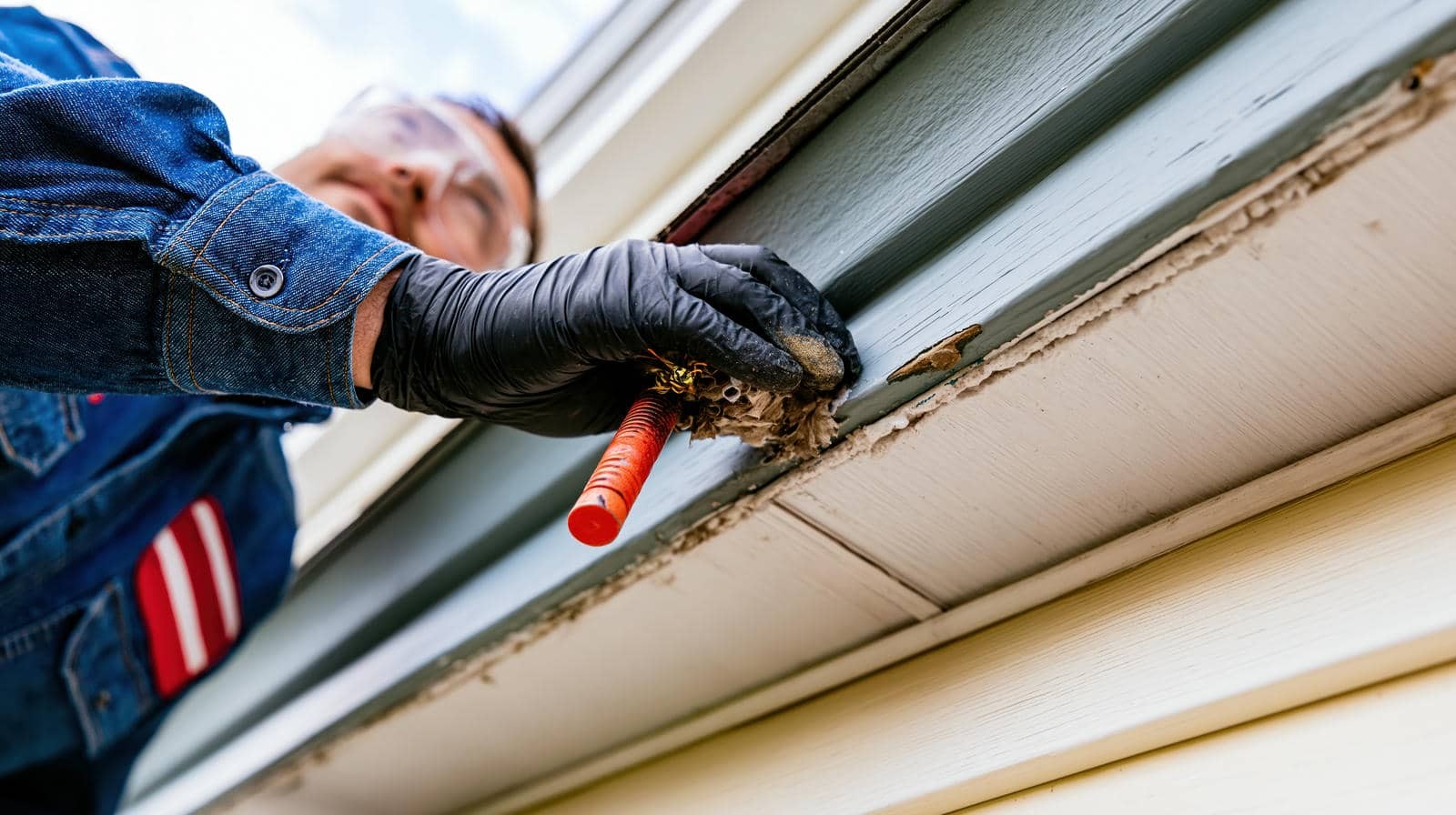
- Gloves Usage: Use chemical-resistant gloves to prevent skin exposure.
Additionally, ensure proper footwear selection to provide stability and protection, and consider respiratory masks for airborne toxins.
Don’t overlook head protection when necessary. Regular gear maintenance is essential to make sure everything functions effectively.
How to Conduct Safety Audits and Inspections Regularly
Conducting regular safety audits and inspections is essential for maintaining a secure pest control environment.
Start by developing detailed audit checklists that cover all critical safety aspects of your operations. These checklists should include equipment, chemical storage, and employee practices.
Set a clear inspection frequency—monthly or quarterly—to ensure consistency in your evaluations. During each audit, identify any safety gaps and document your findings.
Encourage team involvement by discussing these results in meetings, fostering a culture of safety. Training sessions can also help reinforce best practices identified during audits.
Safely Managing Pest Control Emergencies
Emergencies in pest control can arise unexpectedly, demanding prompt and effective responses.
To handle these situations safely, follow established emergency response procedures and ensure your team is well-prepared.
Here are three key practices to implement:
Establish Communication Protocols: Ensure everyone knows how to report emergencies and the chain of command for decision-making.
Conduct Emergency Drills: Regularly train your staff on emergency scenarios to enhance readiness and response efficiency.
Prioritize Safety Gear: Always have appropriate personal protective equipment (PPE) accessible for immediate use during pest control emergencies.
Frequently Asked Questions
What Should I Do if I Experience a Pest Control Chemical Spill?
If you experience a pest control chemical spill, immediately initiate emergency response procedures. Contain the spill using absorbent materials, ventilate the area, and contact local authorities for assistance. Ensure everyone’s safety by evacuating the vicinity.
How Can I Identify Safe Pest Control Products for My Home?
To identify safe pest control products for your home, look for natural alternatives and scrutinize product labeling. It’s like finding a needle in a haystack; prioritize eco-friendly options that protect your family and the environment.
Are There Any Pests That Require Special Safety Precautions?
Yes, bed bug safety requires careful handling of infested items, ensuring heat treatments are effective. For rodent precautions, seal entry points and use traps safely to prevent hazards. Always prioritize your family’s health during treatment.
What Are the Signs of Pesticide Exposure in Humans?
When you encounter pesticide symptoms like dizziness, nausea, or skin irritation, it’s essential to act swiftly. Recognizing these signs helps you prioritize exposure prevention, ensuring both your safety and your loved ones’ well-being.
How Often Should I Inspect My Pest Control Equipment for Safety?
You should inspect your pest control equipment for safety at least once a month. Regular equipment maintenance and safety checks help identify issues early, ensuring both your safety and the effectiveness of your pest control efforts.
Conclusion
In the world of pest control, safety isn’t just a guideline; it’s a lifeline. As you implement these best practices, imagine the peace of mind you’ll gain—knowing both your team and clients are protected. Picture regular safety audits revealing hidden hazards before they become disasters. By choosing eco-friendly methods and ensuring proper gear, you’re not just managing pests; you’re building trust and safeguarding the environment. So, are you ready to elevate your pest control operations to the next level?