Contents
Imagine discovering a flooded basement after a heavy rainstorm, only to realize the steps to file a water damage claim are unclear. Maneuvering through the claims process can be overwhelming, but knowing the right strategies can make a significant difference. From reviewing your insurance policy to understanding your rights as a policyholder, there’s a structured approach you can take. Let’s explore the essential tips that will help you manage this challenging situation effectively.
Key Takeaways
- Review your insurance policy to understand coverage limits, exclusions, and the claims process before filing a water damage claim.
- Document all damage thoroughly with photos, inventory lists, and repair estimates to support your claim effectively.
- Notify your insurance provider immediately and provide detailed information about the incident and damage timeline.
- Hire qualified professionals for accurate damage assessments and obtain written reports to validate your claim.
- Keep communication open with your insurer, maintain records of all interactions, and adhere to submission deadlines for a smoother claims process.
Understand Your Insurance Policy
Before you file a water damage claim, it’s crucial to understand your insurance policy thoroughly. Explore the specifics of your coverage, especially the policy limits. This will help you identify how much financial support you can expect during a loss.
Every policy varies, so take the time to read the fine print; knowing your limits can prevent unpleasant surprises later.
Next, pay attention to coverage exclusions. These are the specific situations or types of damage that your policy won’t cover. Common exclusions for water damage might include flooding or neglect, which can lead to denied claims if not carefully reviewed.
Document the Damage
Documenting the damage is an essential step in the claims process, as it provides the necessary evidence to support your case.
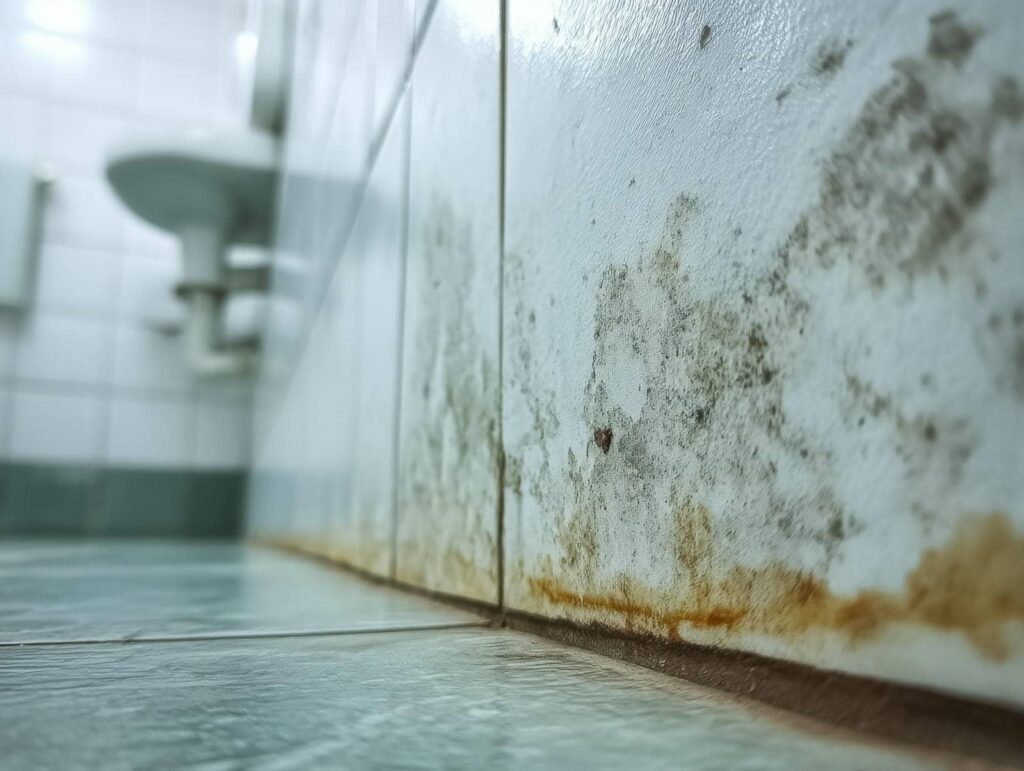
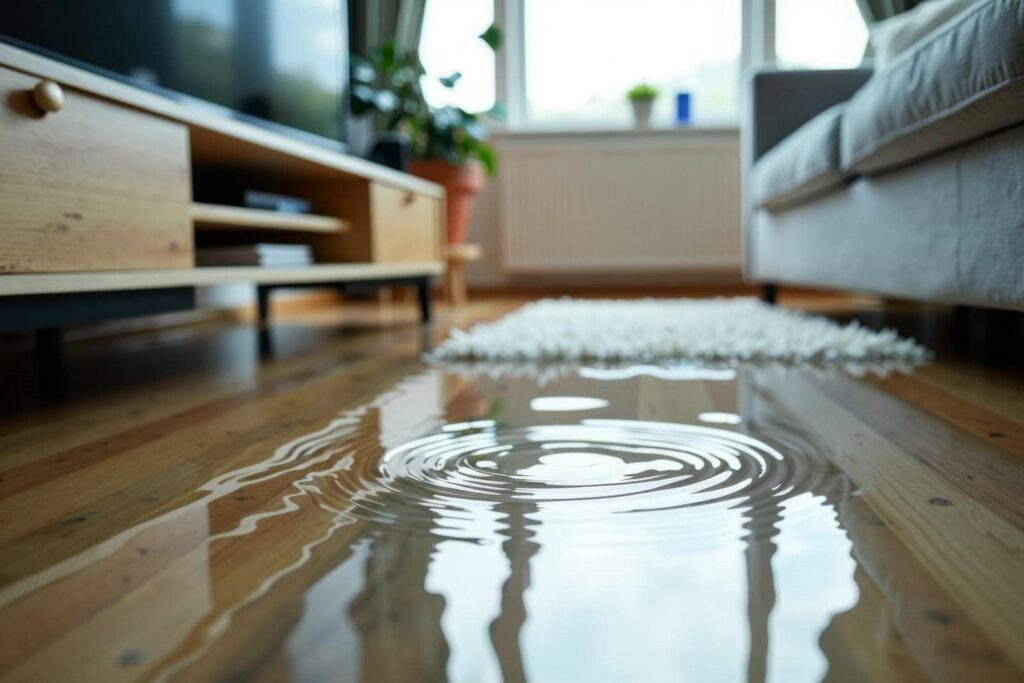
Start by taking thorough photographic evidence of all affected areas. Capture images from multiple angles to clearly illustrate the extent of the water damage. Confirm your photos include close-ups of specific issues, like mold or warped flooring, which could be critical in your claim.
Next, create a detailed damage inventory. List each item affected, including furniture, appliances, and personal belongings, along with their estimated values.
This inventory serves as an important reference for your insurance adjuster and helps avoid disputes over coverage.
Mitigate Further Damage
Once water damage occurs, it’s essential to assess immediate risks to prevent further issues.
Act quickly to document the damages, as this will support your claim and provide a clear record of the impact.
Assess Immediate Risks
As you assess immediate risks after water damage, your priority should be to identify potential hazards that could exacerbate the situation. Conducting a thorough risk assessment can help ensure water safety for you and your family. Here’s a brief overview of key considerations:
| Risk Factor | Assessment Action | Safety Precaution |
|---|---|---|
| Structural Damage | Inspect walls and ceilings | Avoid entering unstable areas |
| Electrical Hazards | Check for exposed wires | Shut off power if safe |
| Contaminated Water | Identify source of water | Wear protective gear |
| Mold Growth | Look for dampness | Use dehumidifiers promptly |
Document Damages Promptly
While you may be keen to start repairs after water damage, it’s vital to document the extent of the destruction first.
Take clear photos of all affected areas, including flooring, walls, and any personal belongings. Make detailed notes about the damage, noting the date and time of the incident. This documentation is essential for your insurance claim.
After documenting, initiate water removal as soon as possible to prevent further damage. Contact professional restoration services to assess the situation and provide expert help. Their experience can greatly impact the recovery process and mitigate future issues.
Contact Your Insurance Provider Promptly
After addressing the immediate damage, you need to contact your insurance provider without delay.
Prompt notification helps expedite your claim and allows you to understand your coverage options thoroughly.
Being proactive in this step can greatly impact the outcome of your water damage claim.
Notify Immediately
Notifying your insurance provider promptly is essential when dealing with water damage, as delays can complicate your claim process. To ensure a smooth claim submission, you should notify immediately after discovering the damage.
This quick action secures your coverage and allows your insurer to start evaluating the situation. Gather relevant information, such as photos and details of the incident, to support your claim.
Understand that your insurer may need a timeline and specifics about the damage to expedite the process. By keeping communication open and timely, you foster a collaborative relationship with your insurance provider.
Understand Coverage Options
Understanding your coverage options is a vital step in managing water damage claims effectively. Start by reviewing your policy and contacting your insurance provider promptly. This ensures you grasp your coverage limits and any exclusions in your policy.
Here’s a quick overview to help you understand potential coverage aspects:
| Coverage Aspect | Description |
|---|---|
| Coverage Limits | Maximum amount your policy pays |
| Exclusions Overview | Situations not covered by policy |
| Deductibles | Amount you pay before coverage |
| Types of Water Damage | Flood, pipe burst, etc. |
Being informed about these aspects helps you navigate your claim more efficiently, ensuring you’re not caught off guard during the process. Keep this table handy for quick reference.
Keep a Record of All Communications
While steering through the complexities of a water damage claim, keeping a detailed record of all communications can greatly bolster your case. Effective communication strategies are vital, and documenting every conversation ensures you have a reliable reference.
Start by noting the date, time, and parties involved in each interaction. Whether you’re speaking with your insurance adjuster, contractors, or restoration professionals, be clear about what’s discussed.
Use a dedicated notebook or digital app for record keeping, storing emails, and saving voicemails. This organized approach helps you track commitments and promises made, which can be significant if disputes arise.
If you receive written correspondence, label and file it appropriately for easy retrieval. Remember, each detail can support your claim, making your organized records an invaluable asset in steering the claims process.
Get Professional Assessments
When dealing with water damage claims, hiring qualified inspectors is essential for accurate assessments.
Make sure to document the damage thoroughly, as this provides a clear picture of the extent of the issue.
Additionally, obtaining written reports from these professionals strengthens your claim and aids in the review process.
Hire Qualified Inspectors
To effectively navigate the complexities of water damage claims, hiring qualified inspectors is essential for obtaining accurate assessments.
When selecting an inspector, pay close attention to their qualifications and relevant experience in water damage evaluation. Look for professionals who possess certifications from recognized organizations, as this indicates a commitment to industry standards.
Additionally, consider their familiarity with your specific type of property and the extent of damage you’ve experienced. Establish hiring criteria that include a thorough understanding of moisture detection techniques and the ability to provide detailed reports.
Document Damage Thoroughly
It’s essential to document water damage thoroughly to support your insurance claim effectively. Start by conducting a damage assessment, which involves taking detailed notes and photographs of affected areas. Professional assessments can help you with loss estimation and provide a clearer picture of the extent of the damage.
| Type of Damage | Description |
|---|---|
| Structural Damage | Cracks, warps, or weakness |
| Furniture Damage | Stains, warping, or mold |
| Electrical Damage | Damaged wiring or outlets |
| Personal Belongings | Irreparable items or losses |
Obtain Written Reports
After documenting the damage with thorough notes and photographs, the next step involves obtaining written reports from professionals. This is vital for substantiating your water damage claim.
Reach out to certified assessors or contractors who can evaluate the extent of the damage and provide detailed estimates for repairs. These reports validate your claims and help insurance adjusters understand the situation accurately.
When you gather documentation, make sure you include any estimates related to mitigation and restoration costs. Clear, professional assessments can greatly impact your claim’s success, making it essential to invest time in securing these documents.
Doing so strengthens your case and fosters a sense of community with others who’ve faced similar challenges.
Compile Supporting Documentation
Compiling supporting documentation is an essential step in filing a water damage claim. This process strengthens your case and ensurs your claim submission is thorough.
Start by creating a documentation checklist, which should include photographs of the damage, repair estimates, and any correspondence with your insurance provider. Keep receipts for any immediate repairs made to mitigate the damage, as this shows your proactive approach.
Additionally, include any relevant reports from professionals, such as plumbers or contractors, to validate your claims. If applicable, gather witness statements to further corroborate your account of the incident.
Make sure to organize everything clearly, as a well-structured submission can expedite the review process. Taking these steps enhances your chances of a successful claim and fosters a sense of belonging within your community, knowing you’re taking responsible actions to protect your home.
Be Aware of Deadlines
Understanding the deadlines associated with your water damage claim is vital, as missing them can jeopardize your chances of a successful resolution. Each step in the process has specific claim timelines that you must adhere to, or you may face legal implications that could hinder your claim.
| Deadline Type | Timeline |
|---|---|
| Initial Notification | Within 30 days |
| Claim Submission | 60 days after damage |
| Additional Documentation | 90 days post-submission |
| Appeal Process | 30 days after denial |
| Final Resolution | Varies by insurer |
Keep track of these important timelines to ensure you submit everything on time. Familiarizing yourself with the deadlines helps you stay organized and increases your chances of a favorable outcome in your water damage claim. Remember, being proactive is key to maneuvering this process successfully.
Follow Up Regularly
To ensure your water damage claim progresses smoothly, it’s essential to follow up regularly with your insurance company. Establish a clear timeline for your claim follow up, checking in at key intervals.
Use effective communication strategies, such as keeping a record of conversations and emails, to document all interactions. This helps you stay organized and demonstrates your commitment to resolving the claim.
When you contact your insurer, be concise and direct. Ask specific questions about the status of your claim and any outstanding requirements.
If you encounter delays, don’t hesitate to escalate your concerns to a supervisor. Regular follow-ups can help keep your claim on their radar and may expedite the process.
Know Your Rights as a Policyholder
Although steering through the intricate world of insurance claims can feel overwhelming, knowing your rights as a policyholder is essential for ensuring a fair and just process.
As a policyholder, you have the right to understand your policy’s coverage details and the claims process. Familiarize yourself with your policyholder responsibilities, which often include timely reporting of damage and providing necessary documentation.
If your claim gets denied, it’s vital to understand the claim denial reasons, which might include lack of coverage or insufficient evidence. You have the right to appeal a denial, so don’t hesitate to ask for clarification or reconsideration.
Document all communications with your insurance company, as this can support your case. Remember, you’re not alone in this; your rights are designed to protect you, and being informed empowers you to advocate effectively for your claims.
Frequently Asked Questions
What Types of Water Damage Are Typically Covered by Insurance?
Your insurance typically covers sudden water damage from burst pipes, but flood damage and sewer backup might require additional policies. Always review your coverage details to understand what’s included and ensure you’re adequately protected.
How Long Does the Claims Process Usually Take?
The claims timeline usually varies, but you can expect it to take weeks to months. Processing delays often arise from incomplete documentation or insurer inquiries, so staying organized and proactive can help expedite the process.
Can I Choose My Own Contractor for Repairs?
Imagine a gardener tending to a flourishing garden. You can choose your own contractor for repairs, but ensure their estimates align with your insurance’s requirements, as harmony between them nurtures a smoother restoration process.
What to Do if My Claim Is Denied?
If your claim’s denied, review the denial reasons carefully. Gather supporting documents for your appeal, addressing those reasons directly. You deserve a fair assessment; persistence can lead to a successful claim resolution. Don’t hesitate to seek help.
Are There Limits on the Amount I Can Claim?
Yes, there are claim limits based on your policy. Coverage caps dictate the maximum amount you can receive. Review your insurance documents to understand these limits and ensure your claim meets the necessary criteria.
Final Thoughts
In the labyrinth of water damage claims, being prepared can make all the difference. By following these ten essential tips, you’ll navigate the process more effectively and increase your chances of a favorable outcome. Remember, your insurance policy is your shield, and keeping detailed records is your sword. Don’t let the stress of damage overwhelm you; with the right approach, you can secure the compensation you deserve and reclaim your peace of mind.