Contents
Flooding can create a hidden breeding ground for pests, often unnoticed until it’s too late. Many homeowners underestimate how quickly insects and rodents can invade damp areas. Understanding the right steps for certified pest control is essential to safeguarding your home and health. By addressing moisture issues and securing your space, you can greatly reduce the risk of infestations. Let’s explore effective strategies to guarantee your home remains pest-free after a flood.
Key Takeaways
- Conduct a thorough inspection of your home to identify signs of pest infestations, such as droppings or nests in hidden areas.
- Implement moisture control by using dehumidifiers and sealing leaks to maintain humidity levels between 30-50%, deterring pests.
- Remove standing water and regularly check for clogged gutters to prevent mosquito breeding and other pest attractants.
- Store food securely in sealed containers and keep surfaces clean to eliminate food sources for pests after flooding.
- Work with certified pest control professionals for customized treatment plans and follow-up visits to ensure effective pest management.
What Risks Do Pests Pose After a Flood?
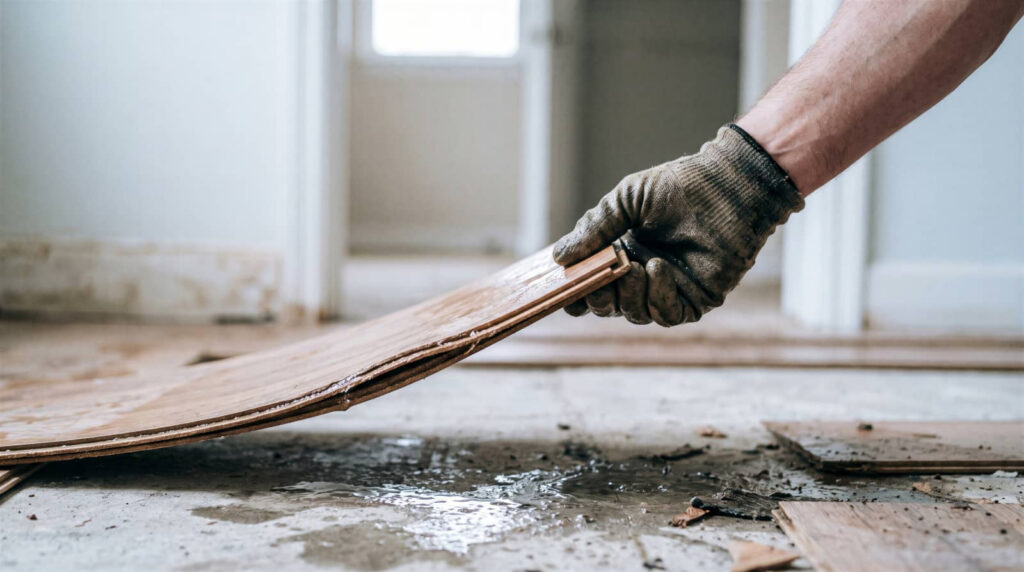
After a flood, you may not realize that the risk of pests markedly increases, as standing water and damp conditions create ideal breeding grounds.
In the flood aftermath, pest behavior shifts dramatically. Rodents, mosquitoes, and cockroaches thrive in these environments, seeking food and shelter.
These pests can transmit diseases, contaminate food supplies, and cause structural damage. Their presence can lead to increased health risks for you and your family, making swift action essential.
It’s crucial to assess your property promptly to prevent infestations. By understanding how pests react in these conditions, you can take proactive measures to secure your home.
Implementing effective pest control strategies not only safeguards your space but also fosters a sense of community resilience in recovery efforts.
Signs of Pest Infestation in Water-Damaged Areas
While evaluating your property post-flood, it’s essential to look for clear signs of pest infestation in water-damaged areas.
Start with a thorough moisture assessment; damp environments attract pests like termites and rodents. Look for infestation indicators such as droppings, gnaw marks, or nests in hidden spaces.
Check for unusual sounds, like rustling or scratching, especially in walls or ceilings. Pay attention to structural damage; these can signal termite activity.
Additionally, inspect any stored items; pests love damp cardboard and textiles. If you notice any of these signs, act quickly to prevent more significant issues.
Why Quick Pest Control Is Essential After Flooding
After flooding, quick pest control is essential to mitigate rising health risks associated with infestations.
As waterlogged conditions persist, pest populations can multiply rapidly, exacerbating the problem.
Additionally, structural damage from flooding provides ideal habitats that attract various pests, making prompt action necessary.
Health Risks Increase Rapidly
Flooding can create the perfect breeding ground for pests, making quick pest control essential to mitigate health risks.
In the flood aftermath, standing water and damp environments foster the growth of disease-carrying insects like mosquitoes, which can transmit West Nile virus and Zika.
Rodents, attracted by debris and food sources, can carry diseases such as hantavirus and leptospirosis.
The longer you wait to address pest issues, the greater the health implications for you and your community.
Quick action not only protects your family but also helps maintain a safe environment for everyone.
Pest Population Explodes Quickly
As stagnant water accumulates, pest populations can explode, making timely pest control essential.
In the flood aftermath, conditions become ideal for rapid pest reproduction. Mosquitoes, for instance, thrive in standing water, breeding in just a few days. Rodents and other pests are also drawn to the moisture and debris, creating further complications for homeowners.
If you delay pest control efforts, you risk a full-blown infestation that could impact your health and property. Quick action not only curbs pest reproduction but also prevents diseases they might carry.
By addressing these issues promptly, you safeguard your living space and guarantee a healthier environment for you and your family.
Don’t wait—take control of the situation before it spirals out of hand.
Structural Damage Attracts Pests
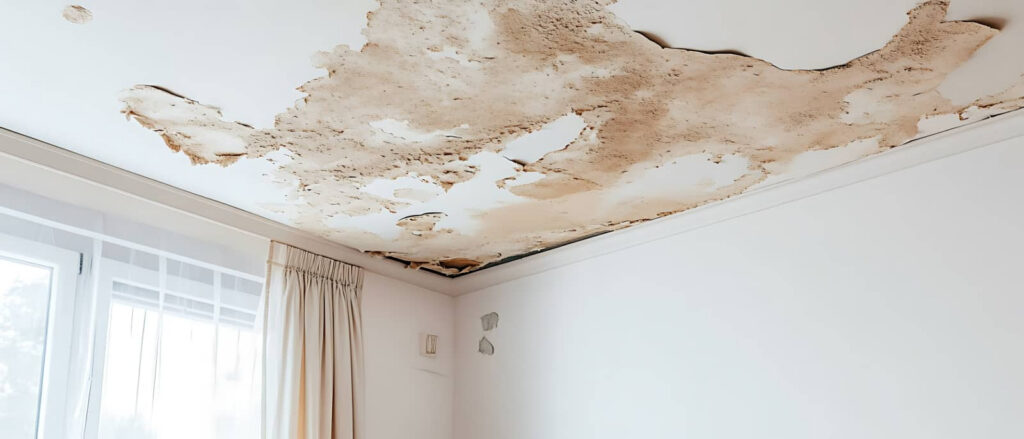
When structural damage occurs due to water intrusion, it creates inviting conditions for pests seeking shelter and food. These structural vulnerabilities, such as cracks in walls and compromised foundations, provide easy pest entryways.
Insects and rodents are particularly adept at exploiting these openings, turning your home into a breeding ground for infestations. Quick pest control is essential after flooding because delaying action can lead to a rapid increase in pest populations, worsening your situation.
How to Choose Pest Control Services
How can you guarantee you’re choosing the right pest control service after a flood? Start with a thorough service comparison to identify options that meet your needs. Look for companies that specialize in post-flood treatment, ensuring they have the right expertise. Customer reviews are invaluable; they provide insight into other homeowners’ experiences.
Here’s a quick comparison table to help guide your decision:
| Criteria | Company A | Company B |
|---|---|---|
| Experience | 10+ years | 5 years |
| Customer Ratings | 4.8/5 | 4.2/5 |
| Services Offered | Extensive | Limited |
Choosing wisely can make a significant difference in protecting your home from pests.
Common Pests to Watch for After a Flood
After a flood, you’ll likely encounter several common pests that can pose significant risks.
Mosquitoes often breed in standing water, while rodents may seek shelter in your home.
Additionally, damp wood creates an inviting environment for termites, making prompt action essential.
Mosquitoes and Breeding Areas
Flooding creates ideal conditions for mosquitoes to thrive, as standing water becomes a prime breeding ground. You need to be vigilant about identifying and eliminating potential mosquito habitats around your property.
Check for stagnant water in containers, puddles, and clogged gutters. Even small amounts of water can support mosquito larvae.
For effective breeding prevention, regularly change water in birdbaths and plant pots, and guarantee proper drainage around your home.
Consider using larvicides in larger water bodies that can’t be drained. Keeping your yard tidy and free of debris can also reduce sheltered areas where mosquitoes hide.
Rodents Seeking Shelter
Standing water not only attracts mosquitoes but also drives rodents to seek shelter. After flooding, you may notice increased rodent activity as they search for safe havens.
Understanding rodent behavior is essential; these pests typically prefer dark, enclosed spaces like basements, attics, or even inside walls. They’re drawn to areas with easy access to food and water, so check your pantry and storage areas for signs of intrusion.
Seal any gaps or entry points to prevent them from moving in. Keep your environment clean and clutter-free, as this reduces their shelter preferences.
Being proactive now can save you from a larger infestation later. Stay vigilant and address any signs of rodent activity promptly.
Termites in Damp Wood
When water-soaked wood remains unchecked, it creates an ideal environment for termites to thrive. These pests are particularly attracted to damp wood, where they can exploit moisture to aid their consumption of cellulose.
Understanding termite behavior is important after flooding. Termites will tunnel through wet wood, weakening structural integrity and potentially causing extensive damage.
To prevent infestations, you should promptly remove any waterlogged materials and repair leaks that contribute to moisture retention. Regular inspections are essential, as early detection of termite activity can save you significant costs in repairs.
If you suspect an issue, contacting a pest control professional experienced in post-flood inspections is critical for effective treatment and long-term prevention.
How to Prevent Future Pest Problems
To effectively prevent future pest problems, addressing potential entry points and breeding grounds in your home is essential.
Begin by sealing cracks and gaps in walls, windows, and doors to block pests from entering. Guarantee that your gutters are clean and functioning, directing water away from your foundation.
Regularly inspect your yard for standing water, which can attract mosquitoes and other pests. Implementing preventive measures like proper waste management and regular cleaning can deter infestations.
Additionally, consider long-term solutions such as landscaping adjustments to eliminate potential nesting sites.
Preparing Your Home for Pest Control
After implementing preventive measures to safeguard your home, preparing it for pest control is the next step.
Start with a thorough home inspection to identify areas vulnerable to pests. Look for cracks, crevices, or signs of previous infestations. Conduct a moisture assessment, as damp areas attract pests and can exacerbate issues.
Confirm all food and utensils are stored securely in sealed containers, and clear clutter that could provide hiding spots. Move furniture away from walls to facilitate access during treatment.
Notify your pest control professional of any specific concerns or areas of focus. Following these steps will enhance the effectiveness of the pest control services and contribute to a healthier living environment for you and your family.
How Moisture Control Affects Pest Control
Moisture control plays an essential role in effective pest management, as excess humidity creates an inviting environment for various pests. By implementing proper moisture management techniques, you can greatly reduce the likelihood of infestations.
Start by ensuring adequate ventilation in your home, particularly in areas prone to dampness, like basements and bathrooms. Use dehumidifiers to maintain ideal humidity levels, ideally between 30-50%.
Regularly inspect for leaks and seal any gaps to prevent water intrusion. This humidity control not only protects your living space but also fosters a healthier environment.
What to Expect During Pest Control Treatments
Understanding what to expect during pest control treatments can help you feel more prepared and less anxious about the process. Here are some key treatment expectations to keep in mind:
Initial Inspection: A thorough assessment of your property to identify pest issues.
Customized Treatment Plan: Technicians will explain tailored pest control methods based on your specific situation.
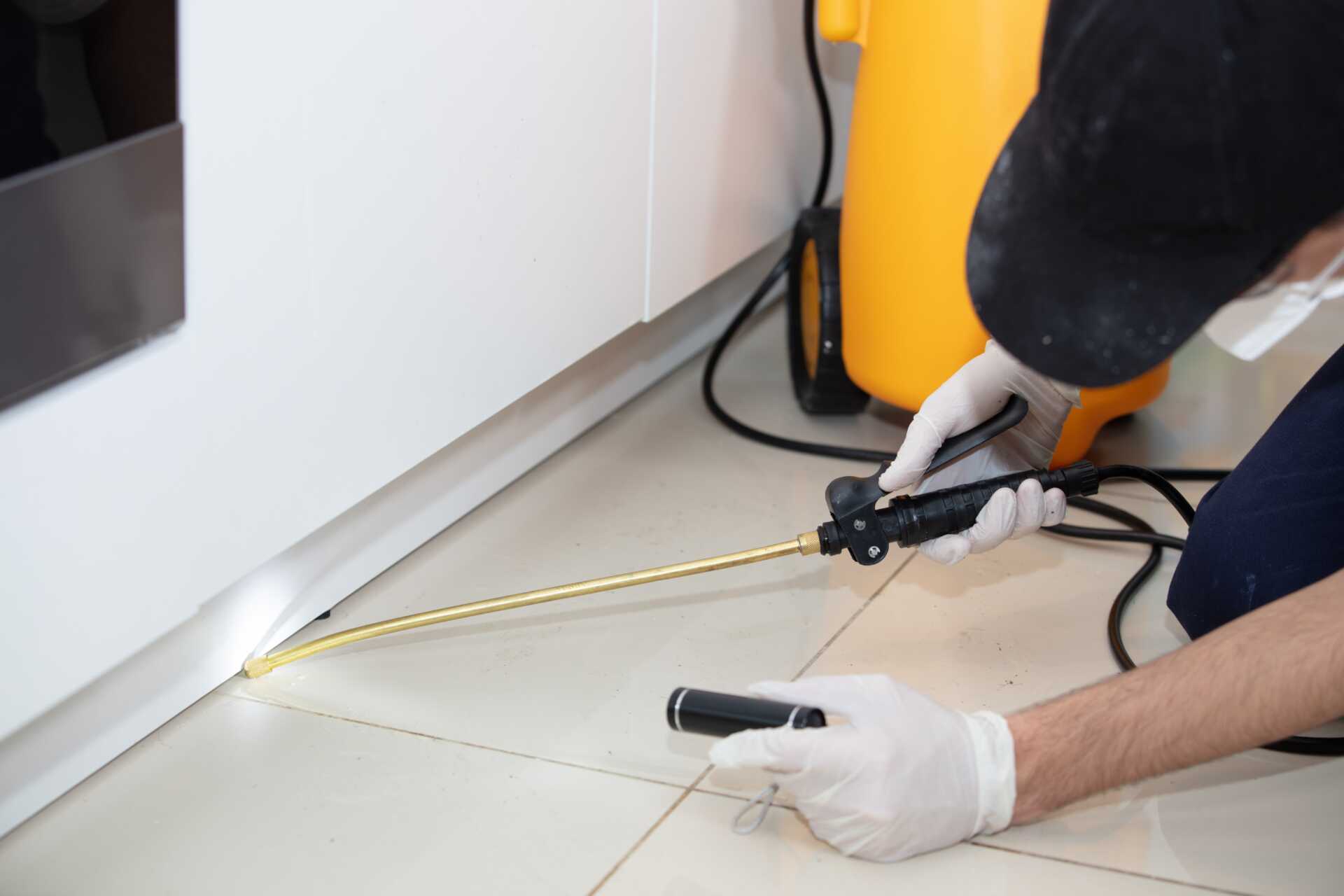
Treatment Application: Expect the application of targeted solutions, which may include sprays, baits, or traps.
Follow-Up: You’ll likely need follow-up visits to guarantee effectiveness and address any lingering issues.
Being informed about these steps can foster a sense of community and assurance as you work towards a pest-free home.
Stay engaged and ask questions along the way!
Post-Treatment Care for a Pest-Free Home
While maintaining a pest-free home may seem challenging, effective post-treatment care is essential for long-lasting results. Focus on post-flood sanitation and moisture management to prevent future infestations. Here’s a quick guide to help you maintain a pest-free environment:
| Task | Frequency | Purpose |
|---|---|---|
| Inspect for leaks | Weekly | Prevent moisture buildup |
| Clean surfaces | Daily | Eliminate food sources |
| Check drainage | Monthly | Guarantee proper water flow |
| Seal entry points | As needed | Block pest access |
| Monitor pest activity | Bi-weekly | Early detection of issues |
Frequently Asked Questions
How Long Does It Take for Pests to Appear After Flooding?
Pests can appear within days after flooding due to altered environments and increased food sources. During the flood aftermath, their behavior changes, making it essential for you to address potential infestations promptly.
Can I Handle Pest Control Myself After Flooding?
You can handle pest control yourself after flooding, but be aware of flood aftermath challenges. DIY pest management requires proper techniques and tools to effectively combat infestations, ensuring your home remains safe and pest-free.
Are Pest Control Treatments Safe for Pets and Children?
Pest control treatments can be safe for pets and children if you choose the right options. Always discuss pet safety with your technician, ensuring they use child-friendly and pet-friendly products to protect your loved ones.
What Should I Do if I See Pests After Treatment?
If you see pests after treatment, don’t panic. Understand post treatment expectations; some pest behavior changes may occur. Monitor the situation, and consult your pest control professional for further guidance and effective solutions.
How Often Should I Schedule Pest Control After a Flood?
Like a dam after a storm, you should schedule pest control every few weeks in the flood aftermath. Regular treatments enhance pest prevention, ensuring your space remains safe and comfortable for you and your loved ones.
Review
In the aftermath of flooding, your home can transform into a battleground against pests, akin to a ship adrift in turbulent waters. By implementing these ten tips, you’re not just defending your space; you’re steering your vessel toward safer shores. Remember, moisture control is your anchor, and communication with pest control professionals acts as your compass. With diligence and a proactive approach, you can reclaim your home, ensuring it remains a sanctuary, free from unwanted invaders.