Contents
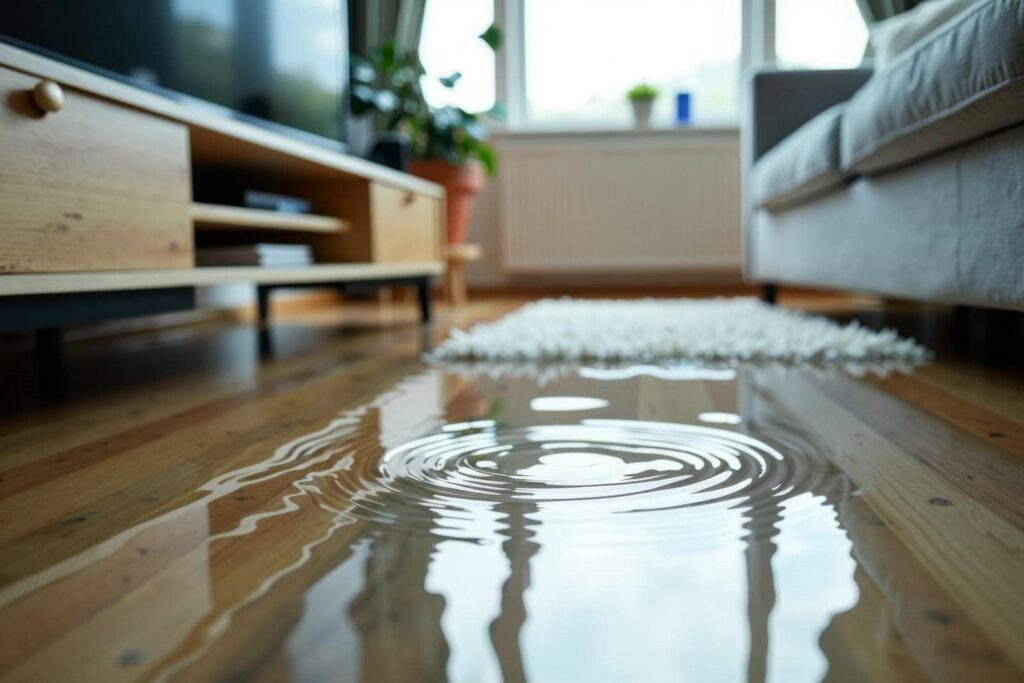
After water damage, it’s crucial to take immediate action to prevent pest infestations. You need to assess the damage and pinpoint moisture-prone areas that can attract unwanted guests. Sealing entry points around windows and doors is fundamental for keeping pests at bay. Additionally, lowering humidity levels will create a less inviting environment for these intruders. What specific strategies should you employ to ensure your pest control efforts are effective?
Key Takeaways
- Conduct a thorough damage assessment in moisture-prone areas to identify signs of mold and potential pest entry points.
- Seal cracks and crevices around windows, doors, and foundations to prevent pests from entering your home.
- Install dehumidifiers and improve ventilation to reduce moisture levels, making your environment less attractive to pests.
- Store food in airtight containers and regularly inspect your property to minimize pest attraction and breeding grounds.
- Engage professional pest control services for effective management and prevention of infestations following water damage.
Assessing the Damage and Identifying Pest Entry Points
After experiencing water damage, it’s essential to assess the extent of the damage while identifying potential entry points for pests.
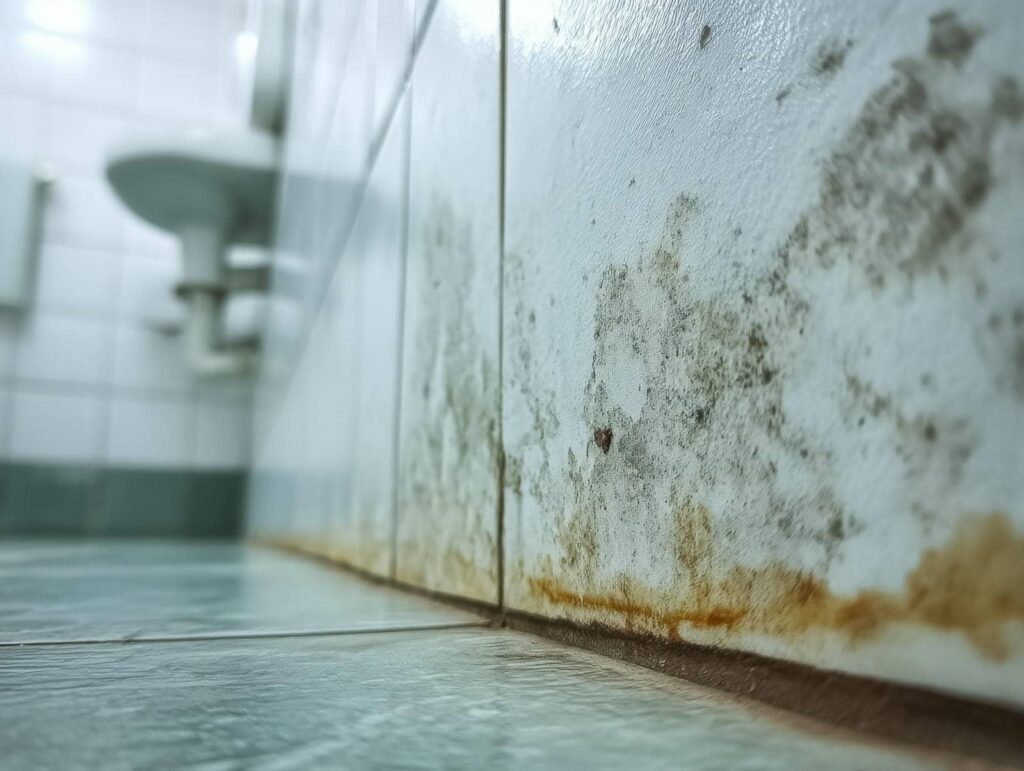
Start with a thorough damage assessment, focusing on areas with moisture retention like basements, crawl spaces, and behind walls. Look for signs of mold or rot, as these can attract pests seeking shelter and food.
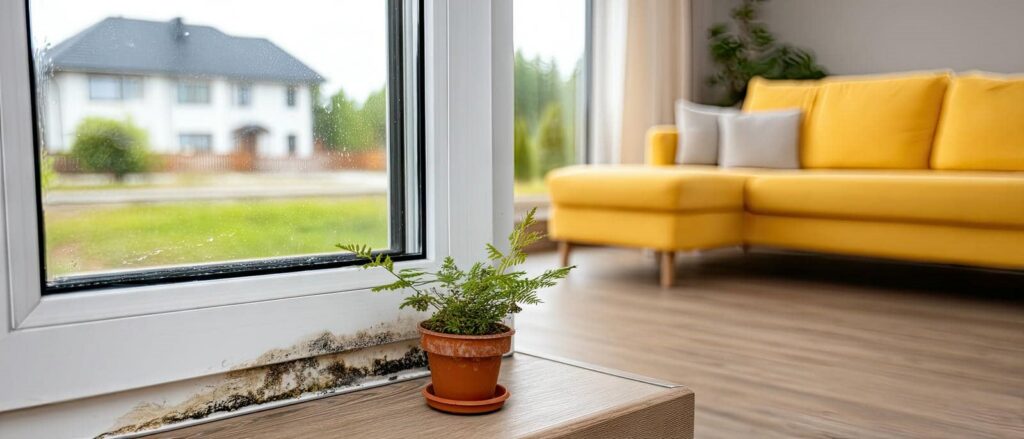
Next, conduct an entry inspection of your property. Check for gaps around windows, doors, and foundation cracks. Even small openings can serve as gateways for rodents and insects.
Be vigilant about plumbing leaks, as they not only cause water damage but can also create a breeding ground for pests.
Document your findings, as this information will guide your next steps in pest control.
Implementing Preventive Measures to Deter Pests
To effectively deter pests after water damage, it’s essential to implement preventive measures that address both the environment and potential vulnerabilities. You can utilize a combination of preemptive strategies and environmental adjustments to create an inhospitable setting for pests. Start by reducing moisture levels and ensuring proper drainage around your property.
| Preemptive Strategies | Environmental Adjustments |
|---|---|
| Seal cracks and crevices | Install dehumidifiers |
| Regularly inspect and maintain gutters | Maintain landscaping away from the foundation |
| Store food in airtight containers | Ensure proper ventilation |
Engaging Professional Pest Control Services for Effective Treatment
While you might implement preventive measures, engaging professional pest control services is essential for effectively addressing infestations that can occur after water damage.
Professionals bring extensive expertise and advanced pest control techniques tailored to your specific situation. They conduct thorough professional inspections to identify hidden infestations and assess damage, ensuring no pest is overlooked.
These experts utilize specialized equipment and eco-friendly solutions, minimizing risks to your home and family. By relying on their knowledge, you can effectively eliminate pests and prevent future outbreaks, safeguarding your environment.
Moreover, professionals stay updated on the latest pest control methods and regulations, ensuring compliance and safety. It’s not just about eradication; it’s about creating a pest-free space for you and your loved ones.
Engaging professional services fosters a sense of community, where you connect with experts dedicated to preserving your home’s integrity.
Don’t hesitate—partner with professionals for effective pest management today.
Frequently Asked Questions
How Long After Water Damage Should I Wait to Inspect for Pests?
You should inspect for pests within 24 to 48 hours after water damage. Early detection is vital, as water damage effects can attract pests. Timely pest inspection timing helps ensure a safer living environment.
Can Water Damage Lead to Specific Types of Pest Infestations?
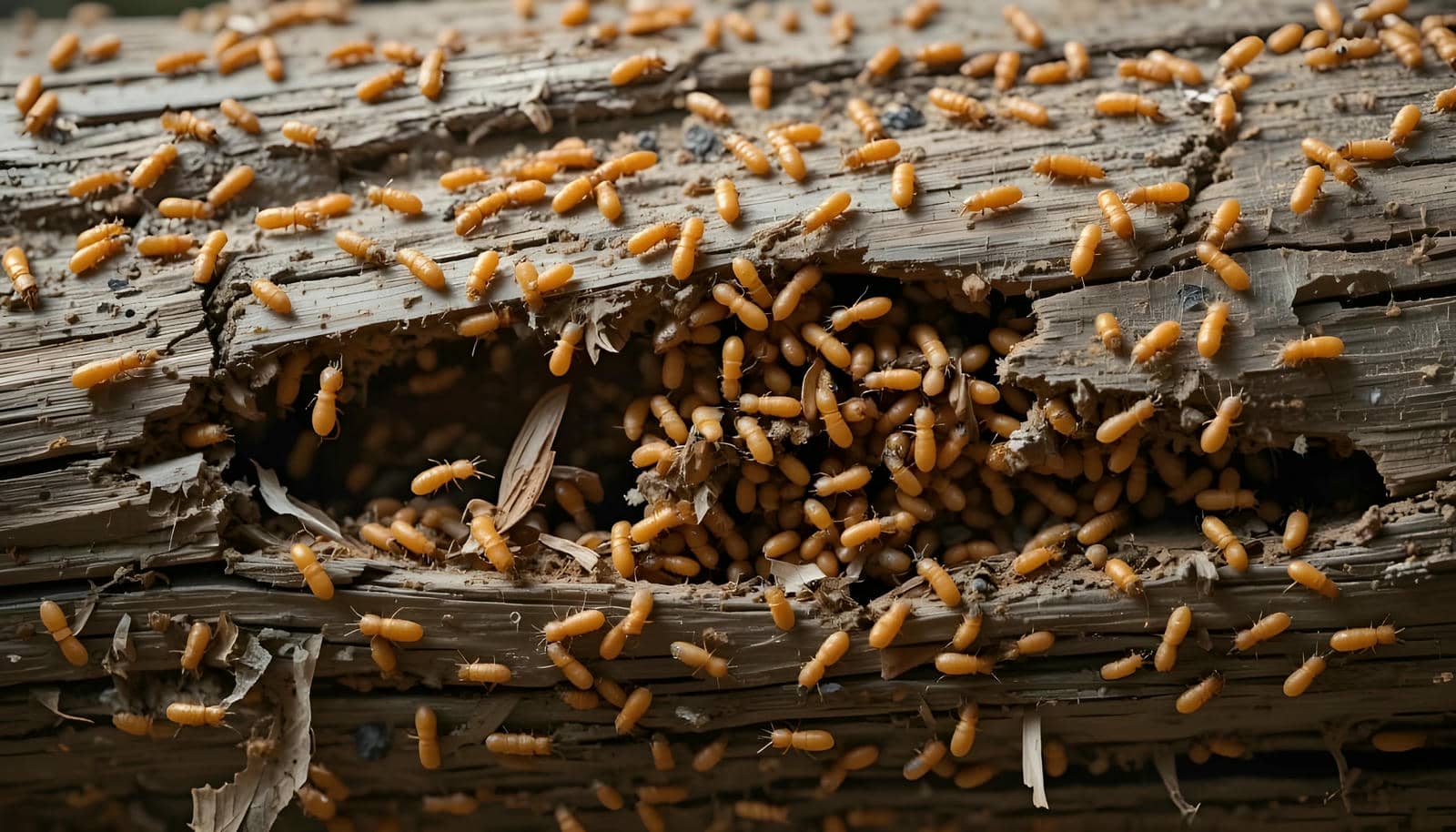
Water damage can release a swarm of moisture-loving insects, like termites and roaches. You’ll find that these water damage pests thrive in damp environments, making immediate action essential to prevent extensive infestations and further damage.
What Are the Signs of Pest Infestations After Water Damage?
After water damage, you’ll notice pest behavior changes, like increased activity or unusual droppings. Infestation indicators include nests, damaged materials, and unexplained noises. Identifying these signs early can help you address potential problems effectively.
Do I Need to Replace Insulation After Water Damage and Pest Issues?
Yes, you should replace insulation materials after water damage and pest issues. Damaged insulation can harbor pests, compromising pest prevention efforts. Addressing this ensures a healthier environment and reduces the risk of future infestations.
How Can I Prevent Mold Growth That Attracts Pests After Water Damage?
To prevent mold growth that attracts pests, implement mold prevention techniques like regular inspections and cleanup. Utilize humidity control methods, such as dehumidifiers, to maintain ideal moisture levels, ensuring a pest-free environment in your space.
Wrap-Up
Addressing water damage swiftly is crucial to preventing pest infestations. By evaluating damage, sealing entry points, and reducing humidity, you create a less inviting environment for pests. Remember, even the most advanced castles fell to pestilent invaders if defenses weren’t maintained. If you find the problem persists, don’t hesitate to engage professional pest control services. Their expertise can ensure your property remains a fortress against unwanted invaders, safeguarding your home for years to come.