Contents
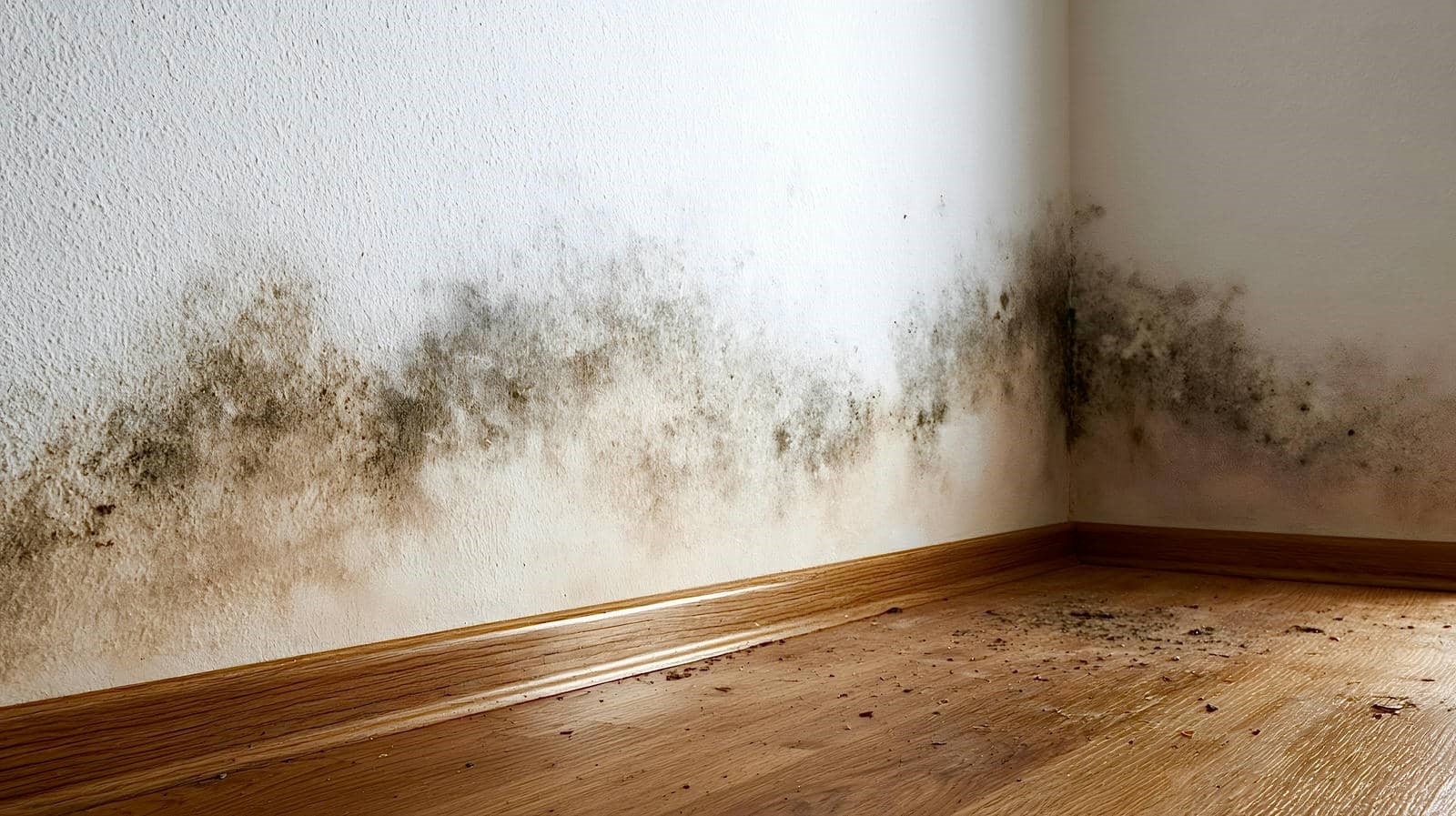
Mold can turn a minor water issue into a catastrophic health crisis in no time. To prevent this, you need to act quickly and efficiently. Start by removing standing water, then focus on drying and ventilating your space. Finally, consider applying mold-resistant products to safeguard your environment. By following these essential water damage tips, you can protect your home and health from the dangers of mold growth. What’s your next move?
Key Takeaways
- Act quickly to remove standing water using a wet vacuum or pump, and deploy a dehumidifier to control humidity levels.
- Ensure effective ventilation by opening windows and using fans to promote airflow after water removal.
- Apply mold-resistant paints and moisture barriers to prevent mold growth in vulnerable areas.
- Regularly inspect spaces prone to moisture and maintain low humidity levels to deter mold.
- Educate occupants about mold prevention and health risks associated with mold exposure.
How to Quickly Remove Standing Water to Prevent Mold
To swiftly remove standing water and prevent mold growth, act immediately after identifying the issue.
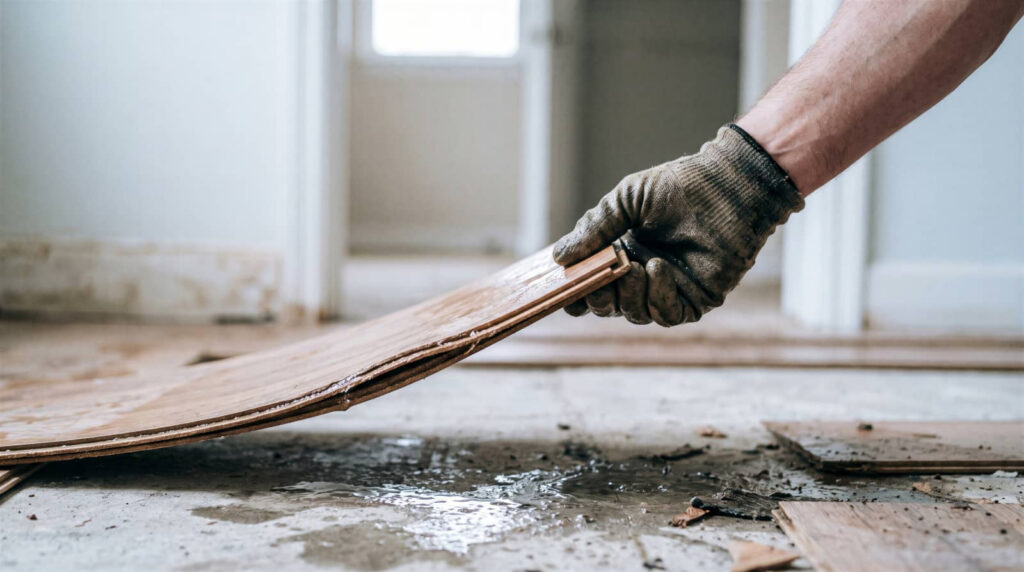
Start with water extraction; use a wet vacuum or pump to eliminate excess water efficiently. Make sure you’ve removed as much standing water as possible to reduce moisture levels.
Next, deploy a dehumidifier to absorb remaining humidity from the air. Set it to a low setting, ideally between 30-60% relative humidity, to create an environment unfavorable for mold growth.
Keep windows and doors closed during this process to maximize effectiveness. Regularly check and empty the dehumidifier’s reservoir to maintain its efficiency.
Ventilate and Dry Your Space Effectively
After removing standing water, it’s essential to ventilate and dry your space effectively to prevent mold growth. Proper air circulation and dehumidifier usage are key to achieving this.
Here are three important steps to follow:
Open Windows and Doors: Allow fresh air to flow through your space. This enhances air circulation, helping to reduce humidity levels.
Use Fans: Position fans strategically to promote airflow. Direct them towards damp areas to speed up the drying process.
Deploy a Dehumidifier: Set up a dehumidifier to extract excess moisture from the air. This is vital, especially in closed spaces.
Implementing these steps will greatly reduce the risk of mold, ensuring a healthier environment for you and your loved ones.
Use Mold-Resistant Products to Prevent Growth
Using mold-resistant products can greatly reduce the likelihood of mold growth in areas affected by water damage.
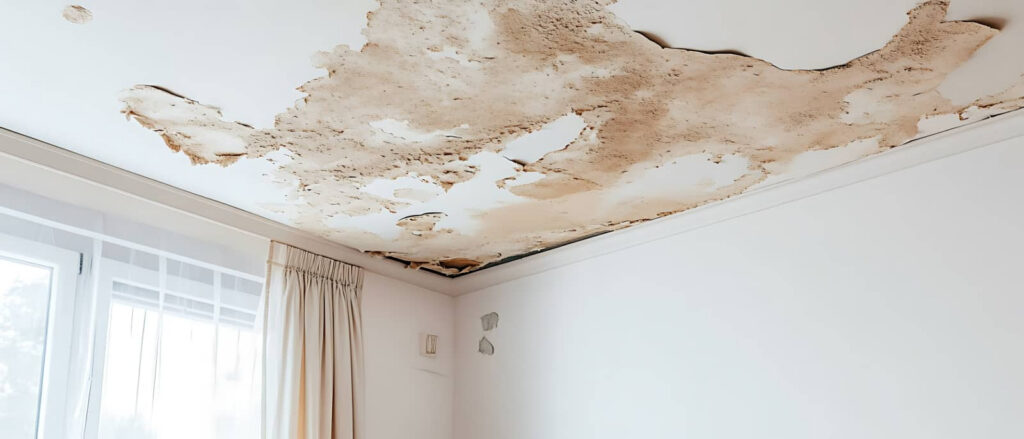
When you’re repairing your space, consider applying mold-resistant paints on walls and ceilings. These paints contain additives that inhibit mold development, providing an extra layer of protection.
Additionally, install moisture barriers in basements and crawl spaces to prevent moisture from seeping through. These barriers help keep dampness at bay, which is vital in mold prevention.
Remember, it’s not just about cleaning up after water damage; using the right materials is essential for long-term safety.
Frequently Asked Questions
How Long Does It Take for Mold to Grow After Water Damage?
Mold can start growing within 24 to 48 hours after water damage, depending on various factors like humidity, temperature, and material type. Understanding this mold growth timeline helps you take timely preventive measures.
Can I Use Bleach to Kill Mold?
Can you really trust bleach for mold removal? While bleach can kill surface mold, it doesn’t penetrate porous materials effectively. For thorough mold removal, consider using specialized products or methods that ensure complete eradication.
What Are the Health Risks Associated With Mold Exposure?
Mold exposure can trigger mold allergies, leading to symptoms like sneezing and itchy eyes. It may also cause respiratory issues, such as coughing or asthma attacks, particularly in sensitive individuals. Taking precautions is essential for your health.
How Can I Tell if Mold Is Hidden?
Detecting hidden mold is like finding a needle in a haystack. Use mold detection techniques like moisture meters and infrared cameras to uncover hidden moisture sources that might be fostering unseen mold growth in your home.
Should I Hire a Professional for Mold Removal?
Yes, you should hire a professional for mold removal. They conduct thorough mold inspections and implement effective mold prevention strategies, ensuring your home’s safety and health. It’s crucial to address mold issues promptly and correctly.
Review
By swiftly removing standing water, effectively ventilating your space, and applying mold-resistant products, you’re setting the stage for a mold-free environment. Think of it as fortifying your castle against the relentless siege of moisture. Just as a vigilant knight protects their territory, your proactive measures will safeguard your home and health. Don’t wait for mold to take root—act decisively, and keep your sanctuary safe from this unwelcome invader.