Contents
It’s vital to act quickly to minimize loss and ensure a smoother recovery process. Understanding the steps you need to take can make all the difference. From gathering necessary supplies to evaluating the damage thoroughly, there are key strategies you must employ to effectively restore your property. Let’s explore these essential tips for fast flood damage restoration.
Key Takeaways
- Gather emergency supplies like water, food, and first-aid kits to ensure immediate safety and health during the restoration process.
- Remove standing water swiftly using sump pumps or wet/dry vacuums to minimize moisture and prevent mold growth.
- Document damage thoroughly with photos and notes to support insurance claims and assess the extent of restoration needed.
- Engage professional restoration services for effective water extraction and mold prevention, ensuring safety and thorough recovery.
- Maintain communication with emergency services and restoration teams for coordinated efforts and updates throughout the recovery process.
Act Quickly to Minimize Damage
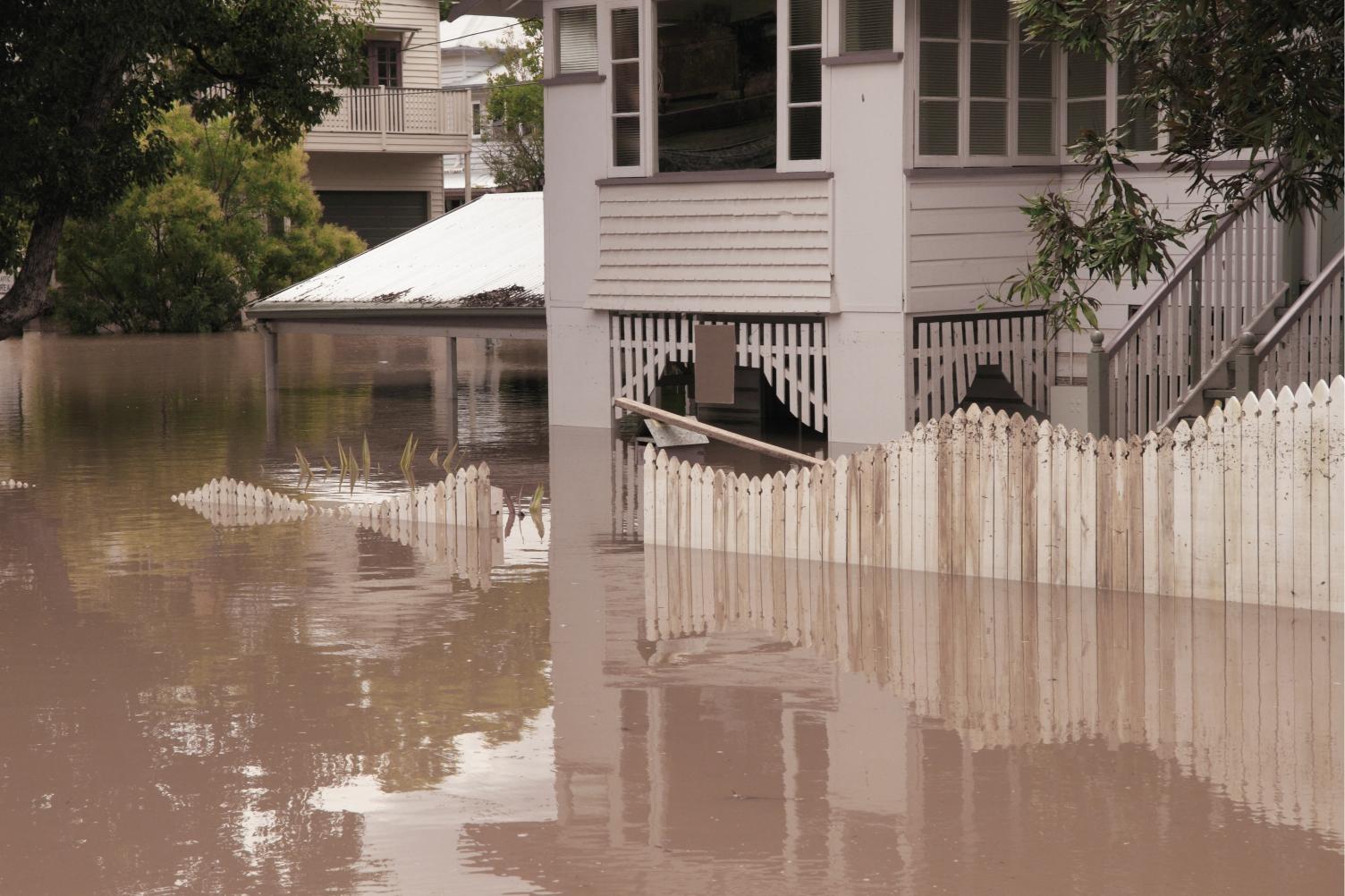
When flooding occurs, acting quickly is vital to minimize damage and prevent further complications. Your flood response should begin with gathering emergency supplies like water, food, first-aid kits, and flashlights.
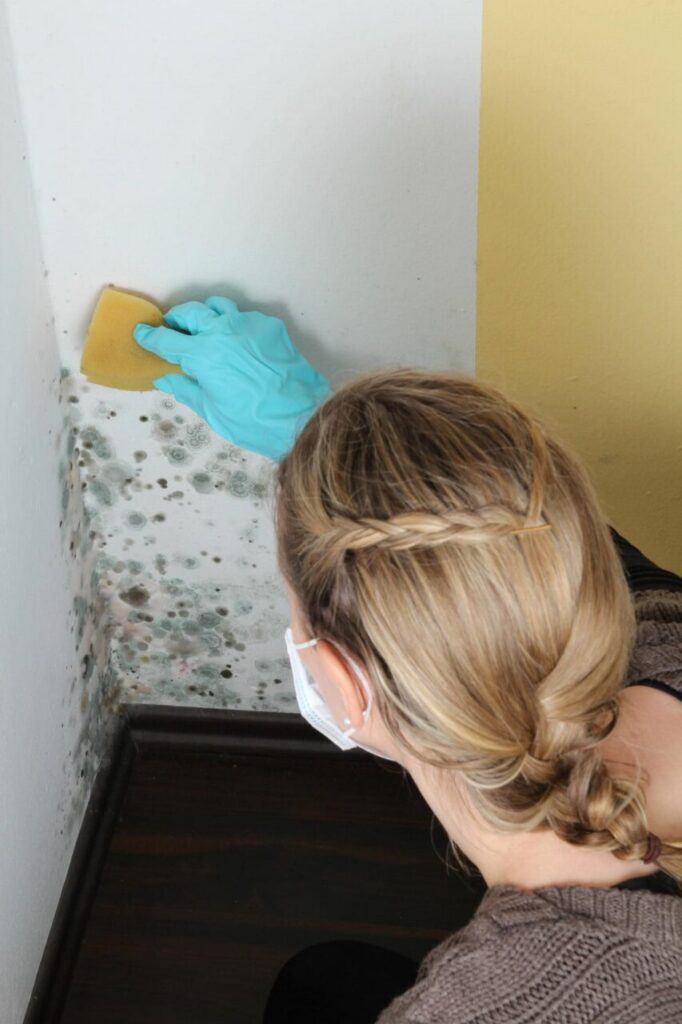
Make certain you have a sturdy pair of boots, gloves, and masks to protect yourself from contaminants.
Next, shut off utilities to prevent electrical hazards and gas leaks. If it’s safe, move valuable items to higher ground and document the damage for insurance purposes.
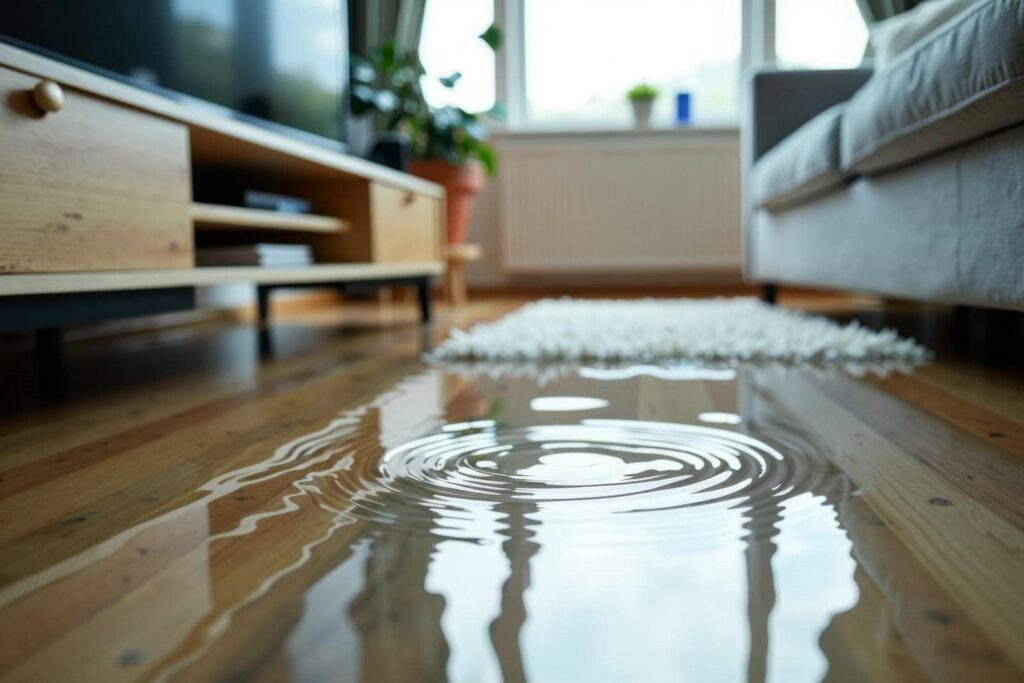
Use a sump pump or wet/dry vacuum to remove standing water, as this step is essential in reducing moisture levels and preventing mold growth.
If you’re unable to handle the situation alone, don’t hesitate to reach out for professional help. Engaging with a restoration service can expedite recovery, making sure your home is safe and functional again.
Assess the Situation Thoroughly
Before diving into recovery efforts, it’s crucial to thoroughly assess the situation to understand the extent of the damage.
Start your flood assessment by documenting all affected areas—take photos and notes to create a clear record. This damage evaluation allows you to identify critical issues, such as structural integrity and hazardous materials, that need immediate attention.
Check for standing water, which can lead to mold growth and further deterioration.
Pay particular attention to electrical systems, plumbing, and appliances, as they can pose serious risks. Additionally, evaluate personal belongings and furnishings to determine which items can be salvaged or require disposal.
Utilize Professional Restoration Services
As you navigate the challenges of flood damage restoration, utilizing professional services can considerably expedite recovery and ensure thorough remediation.
Professional restoration teams offer specialized emergency response, assuring that water extraction and drying processes begin immediately, minimizing further damage. They possess the equipment and expertise necessary to address structural issues, mold prevention, and content restoration effectively.
Additionally, these professionals can assist you with insurance claims, guiding you through the documentation and evaluation process. Their familiarity with insurance protocols can help you secure rightful compensation, alleviating the financial burden of restoration efforts.
Working with experts provides peace of mind and fosters a sense of community and support during a challenging time.
Wrap-Up
In flood damage restoration, time is your ally. Just like a firefighter who races against the flames, your swift actions can greatly reduce damage and costs. By quickly gathering supplies, evaluating the situation, and engaging professional services, you can navigate this crisis effectively. Remember, each moment counts—just as a small spark can ignite a wildfire, a minor leak can escalate into a disaster if not addressed promptly. Take charge and restore your space with confidence.