Contents
After a flood, Flood cleanup specialists help you respond quickly while keeping safety a priority. Start by shutting off power if it’s safe to do so, using appropriate protective gear, and removing standing water before the damage spreads. Next, address hidden moisture behind walls and beneath floors, where mold can develop if materials remain damp. The cleanup process involves more than removing visible water. Following the right sequence helps reduce health risks, prevent further damage, and support a more complete recovery.
Key Takeaways
- Shut off electricity if safe, then remove standing water and document damage for insurance claims.
- Wear protective gear, including gloves and an N95 mask, during flood cleanup and sanitization.
- Dry hidden areas by opening cabinets, lifting rugs, and using fans or dehumidifiers.
- Clean and disinfect hard surfaces, scrubbing residue first and keeping humidity below 60%.
- Monitor for mold, replace musty porous materials, and repeat cleaning if moisture returns.
Act Fast After a Flood
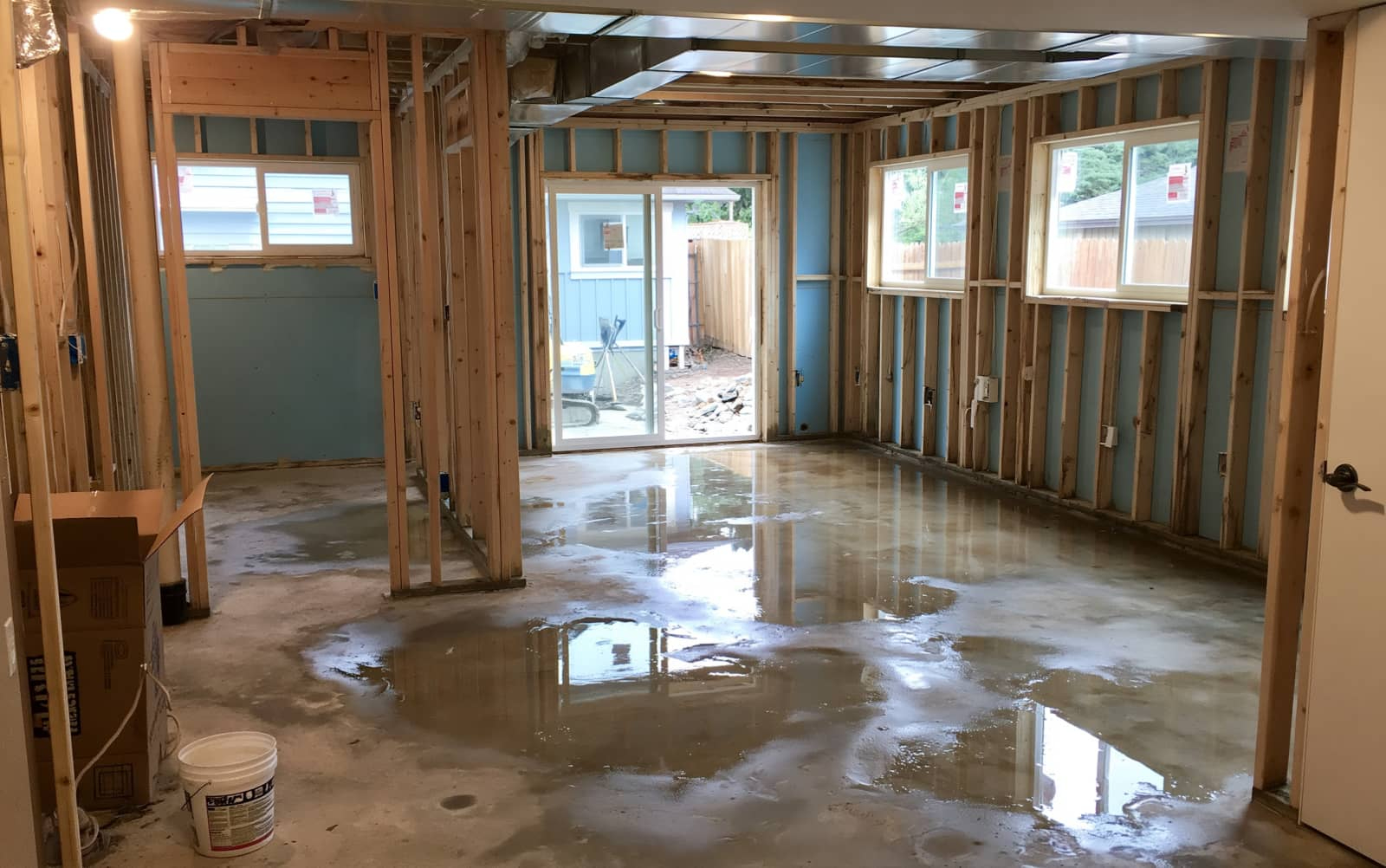
After a flood, you need to act quickly to reduce damage and lower health risks. First, shut off electricity if it’s safe, then check water safety before you step back inside.
Wear protective gear, open windows, and document every room with photos for insurance claims. Remove standing water as soon as you can, and move salvageable items to a dry, ventilated space.
If you smell gas, hear crackling, or see sagging ceilings, leave and call professionals. Stay in touch with your insurer and local authorities so you know which steps to take next.
When you act fast, you protect your home, your belongings, and your peace of mind, and you help your cleanup team work efficiently together.
Dry Hidden Areas Thoroughly
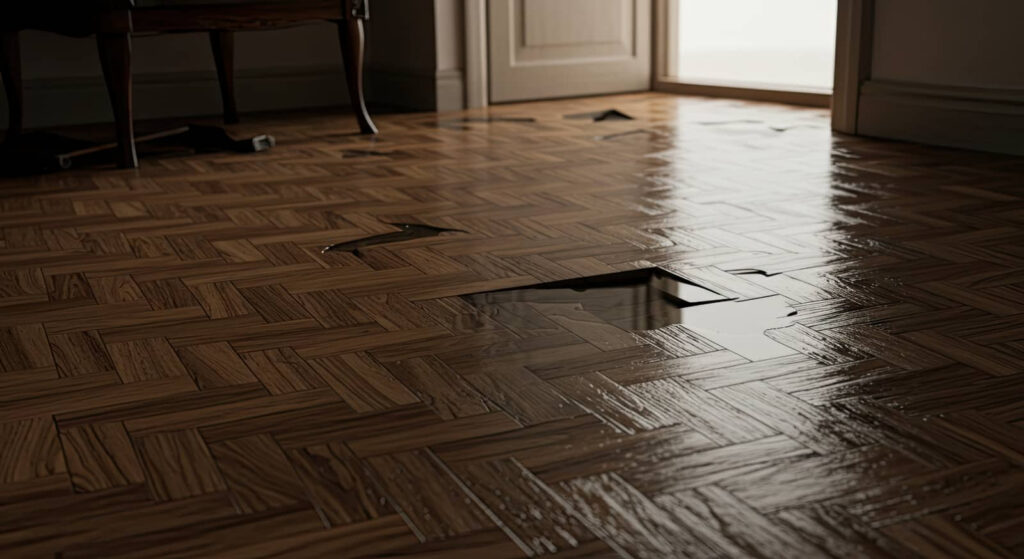
Once the visible water is gone, you need to dry the hidden areas that can trap moisture and cause mold, warping, and structural damage.
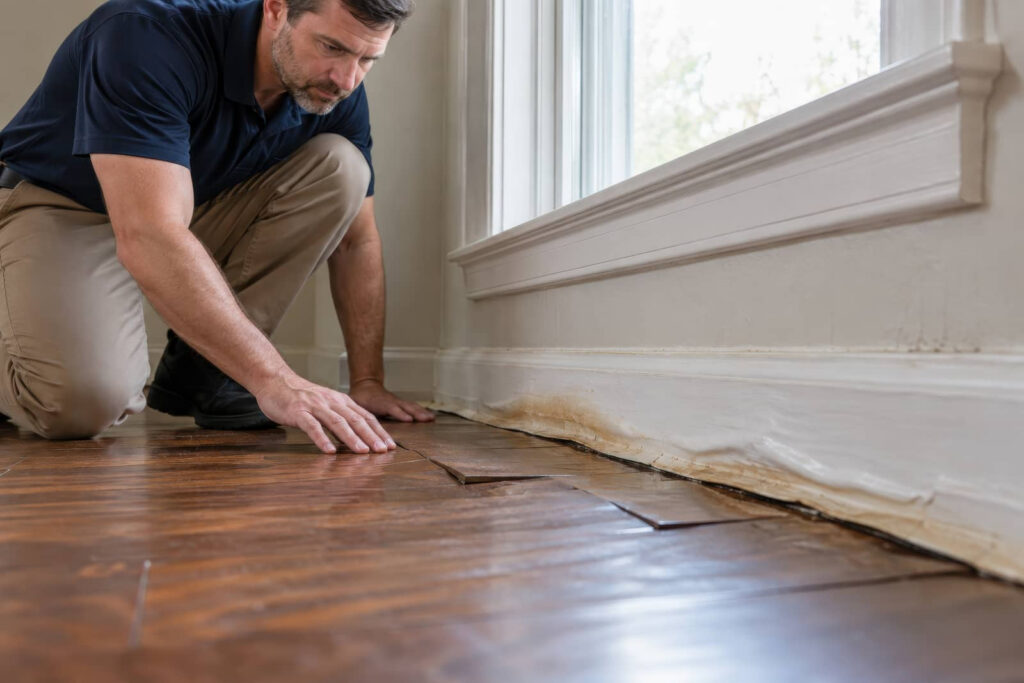
Pull back baseboards, open cabinet doors, and lift rugs so air reaches every layer. Use fans, dehumidifiers, and gentle heat to speed evaporation, and aim for steady air circulation through rooms, closets, and crawl spaces.
Check wall cavities, under flooring, behind appliances, and inside insulation for hidden moisture that surface drying can miss. You’re not alone in this process; many cleanup teams start with the same overlooked spots.
Keep testing damp materials with your hand or a moisture meter until readings level off. When you dry these concealed areas completely, you protect your home’s structure and give yourself a cleaner, safer restart.
Sanitize and Prevent Mold Growth
Now that the wet materials are dry, clean every affected surface with soap and water, then disinfect hard, nonporous areas with an EPA-registered product to reduce bacteria and mildew. You’ll protect your space faster when you follow proven sanitation techniques and keep airflow moving.
Check baseboards, corners, and behind furniture, because mold often starts where moisture lingers.
- Wear gloves and an N95 mask.
- Scrub visible residue before disinfecting.
- Keep humidity below 60%.
- Replace porous items that smell musty.
These mold prevention methods help you stay ahead of hidden growth and support a healthier home.
If you see spotting or smell dampness again, repeat cleaning right away. You’re not dealing with this alone; careful, steady action keeps your place safer and more comfortable.
Frequently Asked Questions
How Do I Document Flood Damage for Insurance Claims?
You’ll document flood damage by photographing every affected area, listing items, noting dates, and saving receipts. Complete a flood damage assessment, then submit evidence promptly through the insurance claim process so you’re supported.
Should I Turn off Electricity Before Entering a Flooded Home?
Yes—turn off electricity before you enter if you can do it safely; flood safety comes first. You’re avoiding electrical hazards, protecting your home, and staying with others who prioritize cautious, practical cleanup.
When Should I Call a Professional Water Damage Specialist?
Call one right away if you see water damage, soaked insulation, or hidden moisture—why risk it alone? You’ll get emergency response, proper drying, and reassurance that your home’s been handled by specialists.
What Personal Protective Equipment Is Safest for Cleanup?
You’ll be safest in waterproof gloves selection, goggles, boots, and a N95 or P100 from respirator types. Wear long sleeves and pants, change contaminated gear quickly, and you’ll protect yourself while cleaning confidently.
How Can I Tell if Structural Damage Has Occurred?
You can tell structural damage has occurred by checking for cracks, sagging floors, sticking doors, and warped walls. Do a visual inspection, then request a foundation assessment if you notice shifting, moisture, or uneven settling.
Summary
When floodwater hits, don’t wait—act fast, stay safe, and protect your home. Shut off electricity, gear up, and start cleanup with caution. Dry every hidden corner, from behind baseboards to beneath flooring, because moisture is mold’s invitation. Then sanitize all affected surfaces with soap and water, followed by EPA-registered disinfectants. The sooner you move, the less damage you’ll face. Clear, dry, disinfect: that’s your best defense and your fastest path back home.