Contents
After flooding, many homeowners underestimate the speed at which pests can invade their space. It’s vital to act quickly to mitigate risks associated with infestations. By addressing entry points, removing standing water, and implementing preventative measures, you can greatly reduce the likelihood of pests taking over. Understanding these urgent pest control steps is fundamental for maintaining a safe and healthy environment in the aftermath of a flood. Discover how to effectively protect your home from unwanted invaders.
Key Takeaways
- Quickly drain standing water to prevent mosquito breeding and other pest infestations.
- Remove debris like leaves and branches to eliminate hiding spots for insects and rodents.
- Seal entry points around windows, doors, and vents to prevent pests from entering your home.
- Maintain regular inspections of vulnerable areas to catch any signs of pest activity early.
- Use natural repellents and keep the yard well-trimmed to deter pests from settling on your property.
Inspect and Seal Entry Points
After a flood, it’s vital to inspect and seal entry points to prevent pests from invading your home. Start with an entry point assessment, checking windows, doors, vents, and the foundation for cracks or gaps.
Even small openings can serve as access points for unwanted critters. Use a flashlight to examine these areas closely, ensuring you don’t miss any potential vulnerabilities.
Once you’ve identified weak spots, implement effective sealing methods. Caulk can be your best friend for small gaps, while expanding foam is ideal for larger openings.
Consider installing door sweeps and mesh screens on vents to further block entry. Regularly maintaining these seals is important; pests can be persistent.
Remove Standing Water and Debris
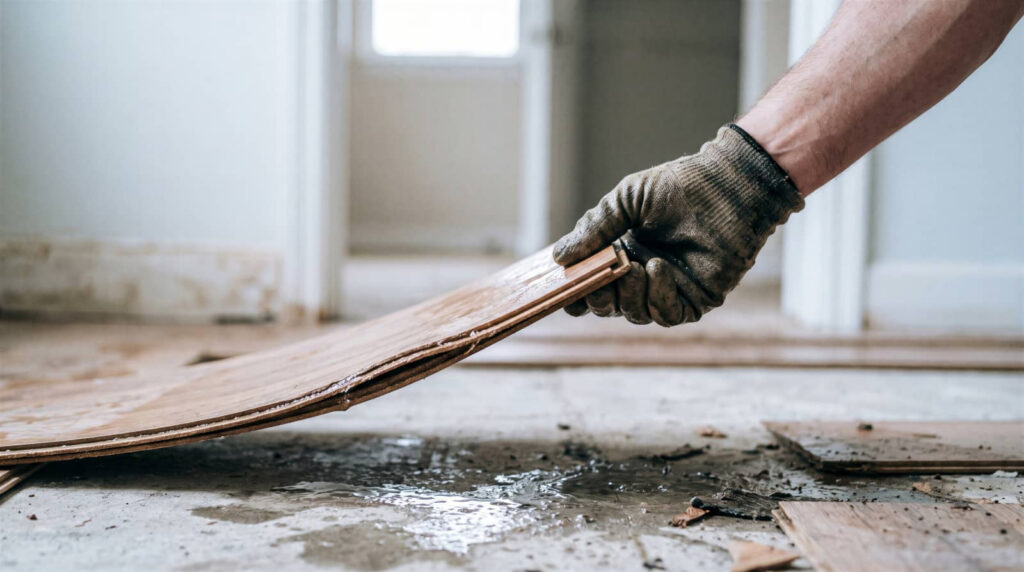
Sealing entry points is just the first step in pest control after flooding; removing standing water and debris is equally essential. Standing water serves as a breeding ground for pests like mosquitoes, while debris can harbor insects and rodents. To effectively manage these risks, act quickly.
| Task | Importance |
|---|---|
| Identify standing water | Prevents mosquito breeding |
| Remove debris | Eliminates pest harborage |
| Dry out affected areas | Reduces pest attraction |
| Clean gutters | Prevents water accumulation |
| Use pumps if needed | Efficiently clears water |
Start by draining any standing water using pumps or buckets. Next, clear debris from your property, including leaves, branches, and other waste. Make sure to check hidden areas like basements and crawl spaces. By prioritizing standing water and debris removal, you safeguard your home from unwanted pests and create a more comfortable living environment.
Implement Preventative Pest Control Measures
While removing standing water and debris is essential, implementing preventative pest control measures secures long-term protection against infestations.
Start by employing pest proofing strategies that seal entry points. Inspect doors, windows, and utility openings, confirming they’re properly sealed to keep pests out.
Next, consider using natural repellents like essential oils or diatomaceous earth. These options can deter common pests without harmful chemicals, making them safe for you and your family.
Regularly maintain your yard by trimming overgrown vegetation and removing debris that can serve as harborage sites for pests.
Additionally, confirm proper drainage to avoid water pooling around your home, as this attracts unwanted insects.
Frequently Asked Questions
How Long Do Pests Typically Remain After Flooding?
Pests often thrive in flood aftermath, with some lingering for weeks or months. Their behavior changes as they seek food and shelter, so it’s essential to monitor and manage infestations promptly to protect your space.
What Types of Pests Are Most Common After Floods?
After floods, you’ll likely notice an increase in mosquito breeding and rodent sightings. Remember, “an ounce of prevention is worth a pound of cure.” Staying vigilant helps protect your home from these unwelcome guests.
Can Flooding Cause Pest Infestations in My Home?
Yes, flooding can lead to pest infestations in your home. The flood aftermath creates ideal conditions for pests. To prevent this, guarantee proper sanitation and seal any entry points to protect your space effectively.
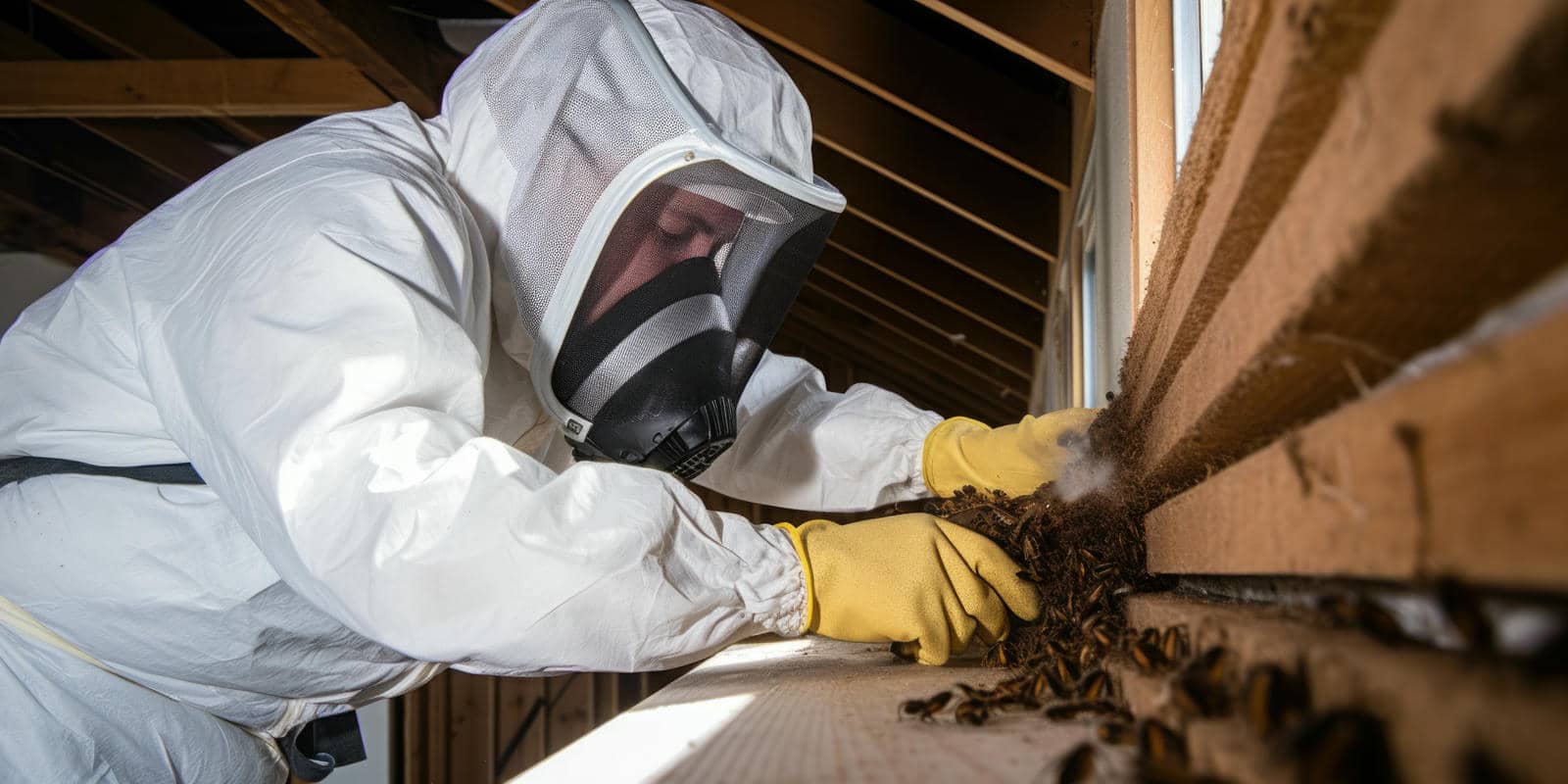
Do I Need Professional Help for Pest Control After Flooding?
If you’re spotting unwelcome guests after water’s retreat, seeking professional help might be wise. They can assist with pest identification and effective flood prevention strategies, ensuring your home remains a comfortable haven.
How Can I Tell if Pests Are Already Inside My Home?
To determine if pests are inside your home, watch for infestation signs like droppings, gnaw marks, or unusual pest behavior. Regularly inspect hidden areas, ensuring you maintain a pest-free environment and feel secure in your space.
Recap
After flooding, it’s essential to act quickly to prevent pest infestations. Did you know that standing water can attract mosquitoes, which breed in just a tablespoon of water? By removing standing water and sealing entry points, you can greatly reduce the risk of pests invading your home. Implementing these preventative measures not only protects your living space but also contributes to overall public health by minimizing disease-carrying insects. Stay proactive to guarantee a pest-free environment post-flooding.