Contents
When your roof springs a leak, it can feel like a storm cloud has settled over your home. Quick action is vital to minimize damage and costs. You’ll need to assess the situation and implement immediate emergency roof repair fixes. But what steps should you take to ensure effective repairs without breaking the bank? Let’s explore five affordable tips that can help you navigate this challenging situation efficiently.
Key Takeaways
- Quickly assess the damage using a ladder to identify issues like missing shingles or water infiltration.
- Implement temporary fixes with waterproof tarps or plastic sheeting secured with roofing tape.
- Gather affordable materials such as roofing felt or leftover shingles from local sellers or community sources.
- Consider DIY alternatives like rubber roofing sheets for budget-friendly repairs.
- Regularly inspect your roof and clear gutters to prevent future emergencies and costly repairs.
Assess the Damage Quickly
When a roof sustains damage, you need to act fast to prevent further issues. Start with a damage evaluation to identify the extent of the problem. Grab a sturdy ladder and perform a quick inspection of the roof’s surface. Look for missing shingles, cracks, or any signs of water infiltration.
Pay close attention to areas around chimneys, vents, and skylights, as they often bear the brunt of damage.
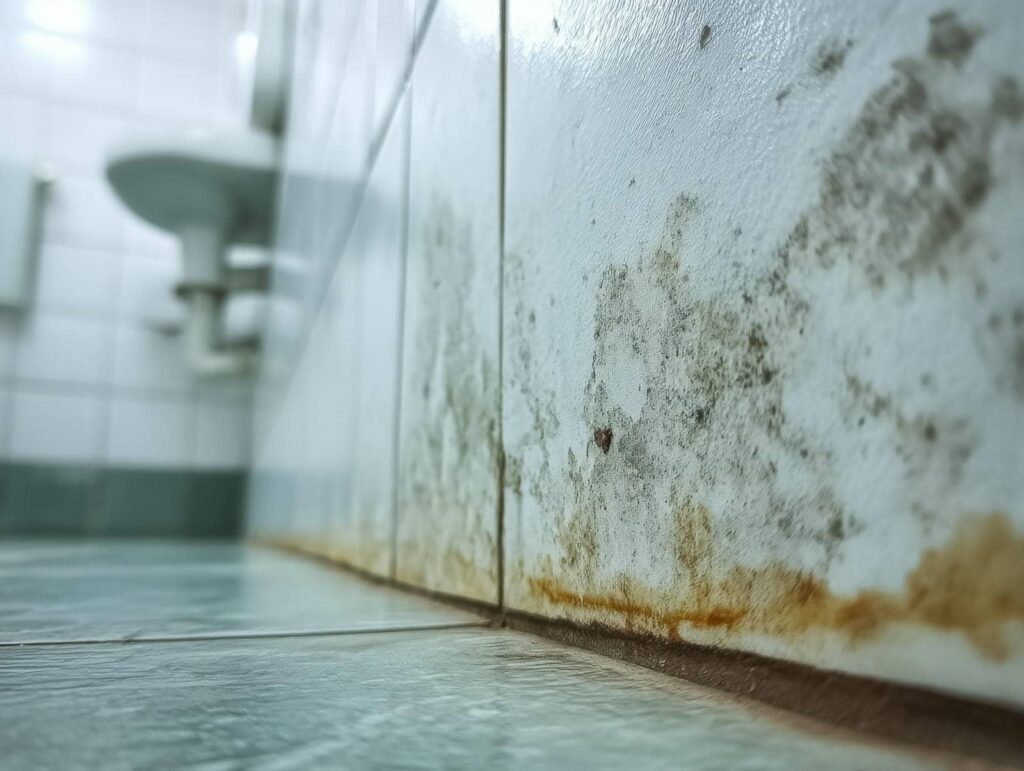
Don’t forget to check the interior of your home, especially ceilings and walls, for water stains or mold. Document your findings with photos, as this will help when discussing repairs with professionals or filing insurance claims.
If you’re unsure about climbing up, consider using binoculars from the ground to spot obvious issues.
Use Temporary Fixes to Prevent Further Issues
To prevent further issues after evaluating roof damage, you should implement temporary fixes immediately. These temporary solutions can stop water from seeping in and causing more extensive damage.
If you’ve got a small leak, using emergency patches made of waterproof tarp or plastic sheeting can effectively cover the affected area. Secure these patches with roofing tape or heavy-duty staples to ensure they withstand wind and rain.
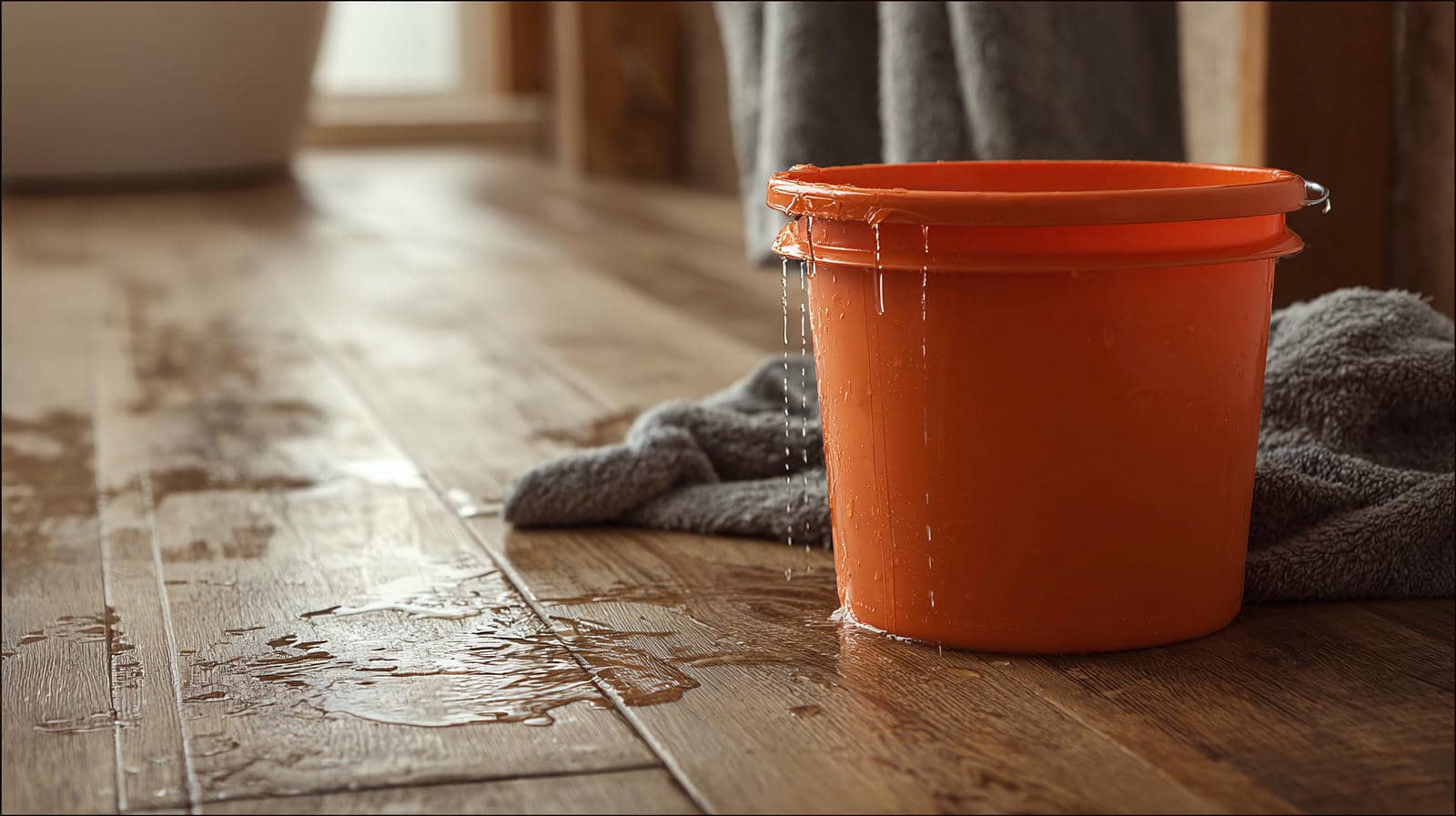
For larger areas of damage, consider placing buckets or containers to catch dripping water until you can arrange for a professional repair.
Remember, these fixes are just that—temporary. They’ll help protect your home in the short term, but it’s essential to plan for a permanent solution as soon as possible.
Gather Affordable Repair Materials
Although your roof may be in urgent need of repair, gathering affordable materials doesn’t have to be an intimidating task. Start by exploring budget-friendly options at your local hardware store. Look for items like roofing felt, tarps, or shingles that can serve as effective temporary fixes.
Consider using DIY alternatives such as rubber roofing sheets or even plywood for quick patches. These materials are often less expensive and can provide immediate relief from leaks or damage.
Joining community forums or social media groups can also help you find resources or discounts on supplies. You may discover local sellers or neighbors with leftover materials they’re willing to sell at a lower price.
Seek Professional Help for Major Repairs
While gathering affordable repair materials can address minor issues, tackling major roof repairs often requires professional expertise. If you notice significant leaks, structural damage, or extensive wear, it’s time to reach out to emergency contractors. They’ve the training and equipment necessary to assess your roof effectively and recommend solutions that you might overlook.
Schedule thorough roof inspections to identify the full extent of the damage. Professionals can uncover underlying problems that may not be visible, which could save you money in the long run.
Don’t hesitate to ask for references or check reviews; finding a reputable contractor fosters trust and ensures that your roof is in good hands.
Investing in professional help for major repairs secures your home and provides peace of mind.
Implement Preventive Measures for Future Protection
Implementing preventive measures can greatly reduce the risk of future roof damage and costly repairs. Start with regular roofing inspections—aim for at least twice a year. This helps you spot potential issues like loose shingles or signs of wear before they escalate. Don’t wait for a storm to assess your roof’s condition; proactive evaluations are key.
Additionally, invest in preventive maintenance by clearing gutters and downspouts of debris. Clogged gutters can lead to water pooling, which may cause leaks and structural damage. Trim overhanging branches to prevent them from scraping your roof during storms.
Consider applying a protective sealant to extend your roof’s lifespan. These simple steps foster a sense of community responsibility, ensuring your home remains a safe haven for you and your loved ones.
Frequently Asked Questions
How Can I Identify a Roof Emergency Early On?
To identify a roof emergency early, conduct regular roof inspections and perform thorough damage assessments after severe weather. Look for missing shingles, leaks, or sagging areas that could indicate underlying problems needing immediate attention.
What Tools Do I Need for Temporary Roof Repairs?
So, you wanna be a roof repair superhero? Grab essential tools like tarps, roofing nails, a hammer, and a utility knife. With these, you’ll tackle those pesky leaks before they turn your home into a swimming pool!
Are There Any DIY Roof Repair Kits Available?
Yes, there are DIY repair kits available for roof patching. These kits typically include adhesive sealants, patches, and tools, allowing you to effectively address leaks or damage. Just make sure you follow the instructions carefully for the best results.
How Long Can Temporary Fixes Last Before Permanent Repairs?
Temporary repair duration can vary, but it often lasts a few weeks to months. For long-term solutions, you’ll need to address the underlying issues and schedule professional repairs to ensure your roof’s integrity and safety.
What Are Common Signs That Indicate Roof Damage?
Your roof’s like a shield; cracks and leaks compromise its strength. Look for water stains, missing shingles, and sagging areas. Regular leak detection and shingle inspection can prevent minor issues from escalating into major problems.
Final Thoughts
Swift assessments and smart solutions save your roof from further ruin. By taking timely temporary measures and seeking suitable supplies, you can tackle troubles effectively. Don’t hesitate to call in skilled specialists for serious situations. Finally, regular roof reviews and routine maintenance will safeguard your structure. Remember, proactive planning prevents perilous problems. Prioritize these practical tips, and you’ll protect your roof while preserving your peace of mind.