Contents
When you encounter emergency water damage, knowing how to respond can greatly impact the outcome. It’s crucial to act swiftly and strategically to minimize loss and facilitate recovery. Start by identifying the source of the water and ensuring your safety before taking further steps. Understanding the essential actions to take can make all the difference in restoring your space effectively. Let’s explore the critical tips that will guide you through this challenging situation.
Key Takeaways
- Identify the source of water damage and document findings for immediate repairs and future prevention.
- Ensure safety by turning off utilities and wearing protective gear during the assessment.
- Remove standing water promptly using a wet/dry vacuum or hire professionals for extensive situations.
- Dry and dehumidify affected areas with portable dehumidifiers and increased air circulation.
- Contact professional restoration services for expert assistance and to help manage insurance claims effectively.
Identify the Source of Water Damage
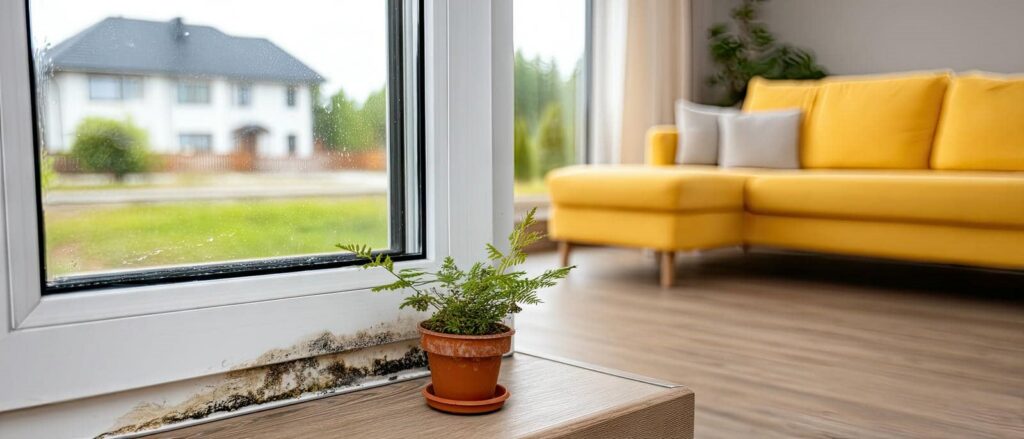
Before you can effectively address water damage, you need to identify its source. Start by inspecting areas where water leaks commonly occur, such as under sinks, around appliances, and near windows.
Check for visible signs of moisture, like discoloration on walls or ceilings. Don’t overlook your roof and plumbing systems; leaks can originate from hidden sources.
Once you’ve pinpointed the source, document your findings. This source identification is essential for immediate repairs and for preventing future issues. Use a moisture meter if needed to confirm the presence of water in materials.
If you find a water leak, shut off the main water supply to minimize further damage.
By taking these steps, you can effectively manage the situation, allowing you to feel more in control and connected to your home’s well-being.
Ensure Safety and Assess the Situation
As you assess the situation, prioritizing safety is essential to protect yourself and others in your home. Start with these safety precautions to ensure a secure environment during your initial assessment:
Turn Off Utilities: If you suspect electrical hazards or gas leaks, immediately shut off your utilities to prevent further dangers.
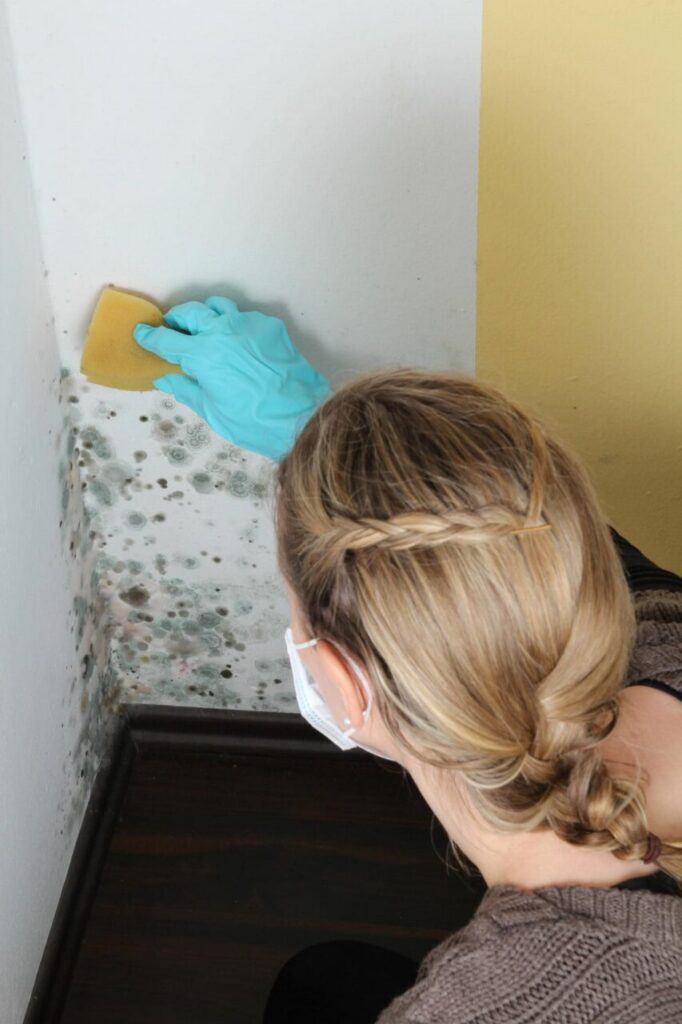
Wear Protective Gear: Equip yourself with gloves, masks, and boots to shield against contaminants and sharp objects in the water.
Evaluate Structural Integrity: Check for any signs of weakened floors or walls that could pose risks as you navigate through affected areas.
Taking these steps allows you to effectively evaluate the damage while keeping yourself and your loved ones safe.
Remove Standing Water Promptly
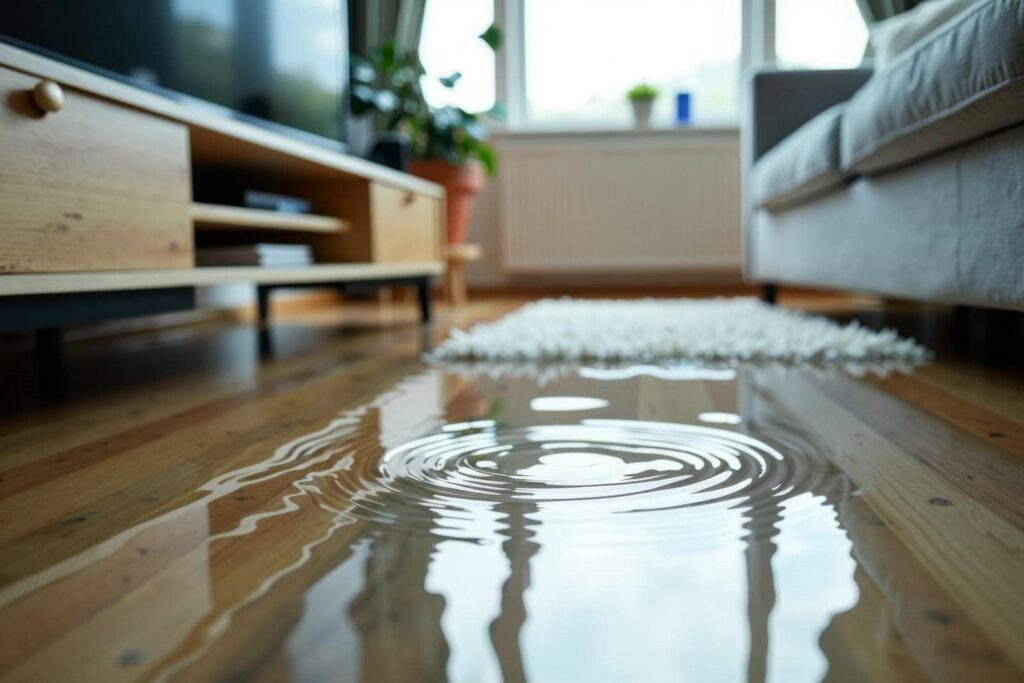
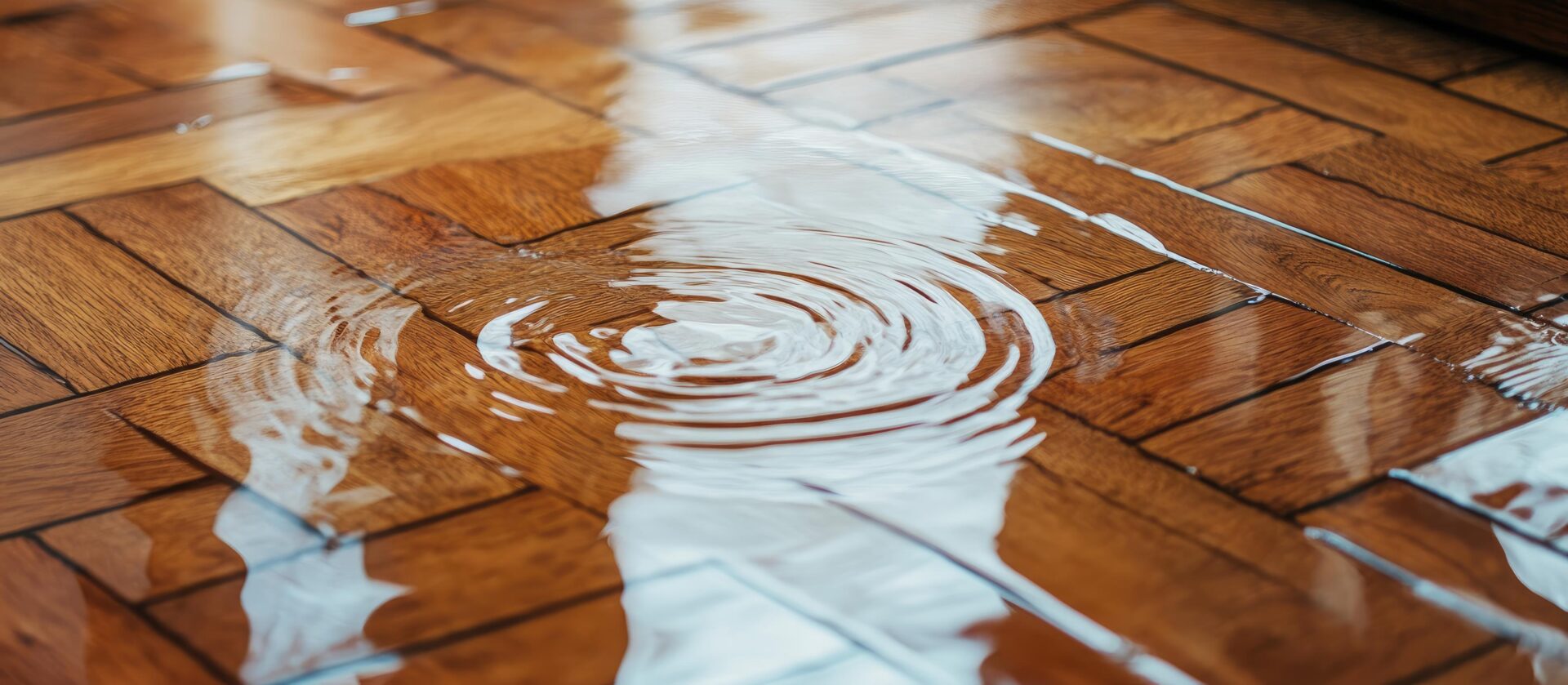
Removing standing water promptly is essential to minimize damage and prevent mold growth. When you face a water emergency, swift water removal is vital. If you delay, you risk significant damage to your property and belongings.
| Impact of Delayed Water Removal | Benefits of Timely Flood Cleanup |
|---|---|
| Increased mold growth | Reduces risk of mold and mildew |
| Damage to walls and flooring | Preserves structural integrity |
| Higher repair costs | Saves you money in the long run |
Use a wet/dry vacuum or rent a pump to expedite the process. If the water is extensive, consider hiring professionals who specialize in flood cleanup. They have the expertise and equipment to handle the situation effectively. Remember, the sooner you act, the better you protect your home and create a safe environment for you and your loved ones.
Dry and Dehumidify Affected Areas
Once you’ve removed standing water, the next step is to dry and dehumidify the affected areas to prevent further damage.
Effective moisture control is essential in stopping mold growth and structural issues. Here are three key dehumidification techniques you can use:
Use Dehumidifiers: Invest in portable dehumidifiers to extract moisture from the air. Make sure to empty the water containers regularly for best performance.
Increase Air Circulation: Open windows and doors, and use fans to promote airflow. This helps in evaporating moisture more quickly and enhances the drying process.
Heat the Affected Areas: Raising the temperature can speed up evaporation. Use heaters cautiously, ensuring they’re safe and won’t cause further damage.
Contact Professional Restoration Services
When dealing with significant water damage, contacting professional restoration services can make all the difference. These experts help mitigate damage and assist with managing the complexities of insurance claims. They understand the restoration timeline and can expedite the process, ensuring your home returns to normal swiftly.
| Benefits of Professional Services | Key Considerations |
|---|---|
| Expertise in Damage Assessment | Verify Credentials |
| Advanced Equipment Usage | Ask About the Restoration Timeline |
| Insurance Claim Assistance | Check Reviews from Past Clients |
Review
In the aftermath of water damage, think of your home as a ship taking on water. To keep it afloat, you must act quickly and decisively. By identifying the source, ensuring safety, removing standing water, and drying out the space, you’ll help restore your home’s integrity. Don’t hesitate to enlist professional restoration services to navigate the complex recovery process. With these essential steps, you’ll reclaim your space and protect your investment from further harm.