Contents
When faced with fire damage, knowing the essential steps for restoration is imperative. First, you’ll need to assess the damage to understand the structural integrity of the property. Securing the property follows, preventing further loss or theft. Then, addressing water removal and drying is essential to combat mold. Each step is methodical, ensuring safety and efficiency. The next phase involves cleaning and sanitizing surfaces, but there’s more to reflect upon as you prepare for the final repairs and restoration.
Key Takeaways
- Assess the damage thoroughly, documenting structural and content damage with photographs for insurance claims.
- Secure the property by boarding windows and reinforcing entry points to deter trespassers.
- Remove water using industrial pumps and dehumidifiers to prevent mold growth and further damage.
- Clean and sanitize affected areas with specialized cleaners and EPA-approved sanitizers to improve air quality.
- Repair and restore damaged materials with fire-resistant options, ensuring structural integrity and aesthetic restoration.
Assessing the Damage
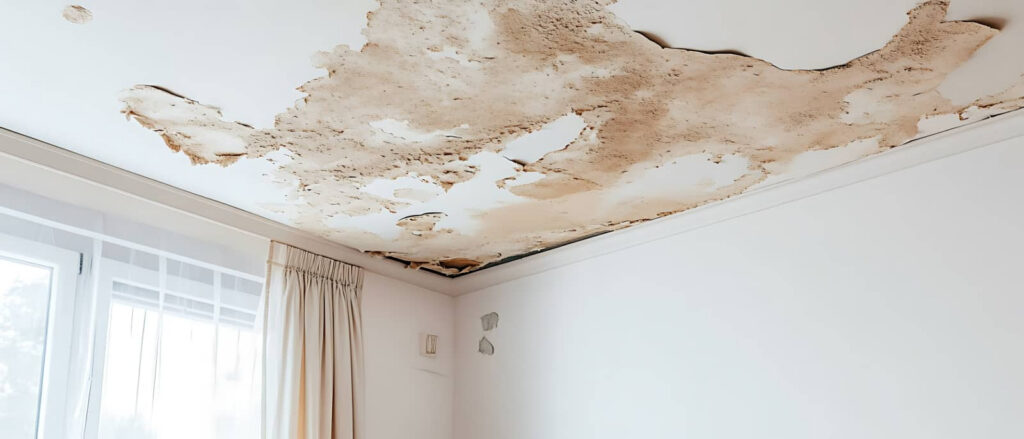
When you’re faced with fire damage, determining the extent of the destruction is crucial for effective restoration. Start by conducting a thorough damage evaluation, appraising both structural and content damage. Look for signs of charring, smoke damage, and water saturation from firefighting efforts. Document everything with photographs and detailed notes, as this information will be essential for insurance claims.
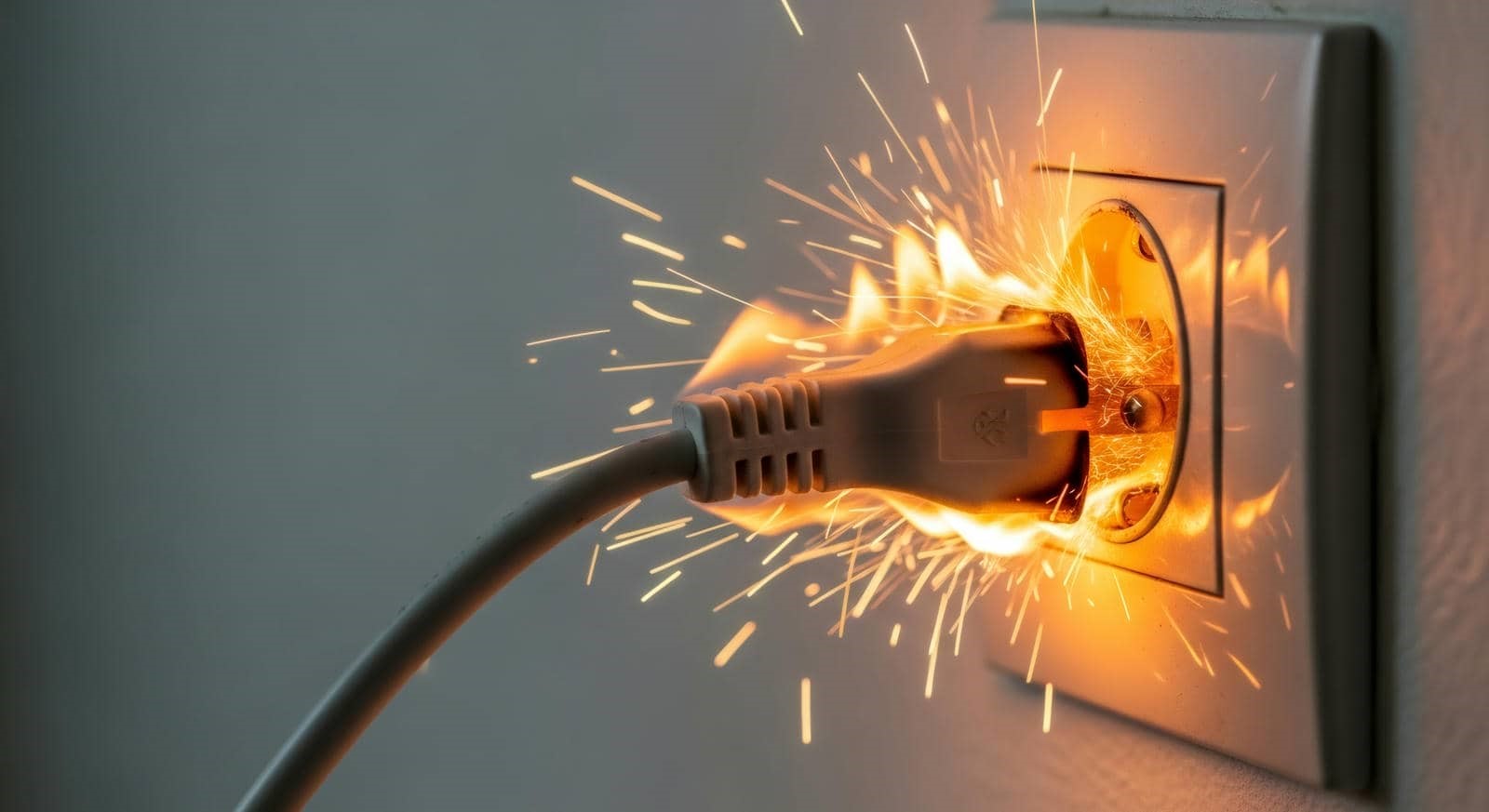
Before you begin, prioritize safety considerations. Verify the area is safe to enter; check for potential hazards like unstable structures or electrical issues. Use personal protective equipment, such as gloves and masks, to safeguard against harmful residues.
Engage professionals if the damage is extensive, as they have the expertise to identify hidden issues that may not be immediately visible. By methodically evaluating the damage, you’re laying the groundwork for a successful restoration process, helping you reclaim your space and peace of mind.
Securing the Property
After evaluating the damage, securing the property is crucial to prevent further loss and ensure safety.
Begin by boarding windows to deter potential trespassers and safeguard your property from the elements. Use sturdy plywood, ensuring it fits tightly within the frames to minimize any gaps.
Next, assess entry points like doors and garages; consider reinforcing them with locks or temporary barriers.
If possible, establish a secure perimeter around your property. This helps protect against theft and provides peace of mind during this challenging time.
Document any security measures you take, as this can be essential for insurance claims.
Communicate with neighbors about your situation; they can help monitor the property and report suspicious activity.
Water Removal and Drying
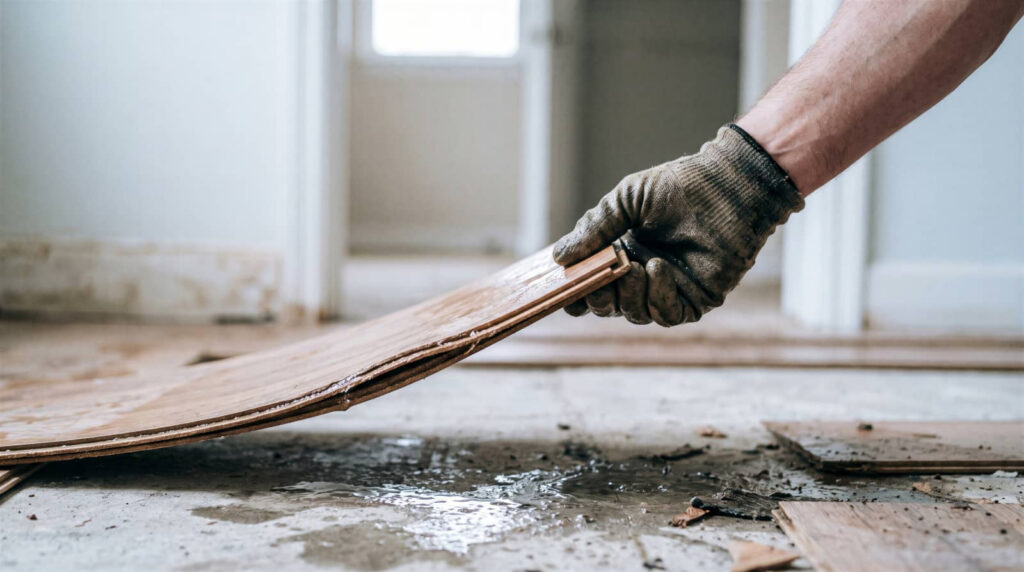
Water removal and drying are critical steps in the fire damage restoration process, as lingering moisture can lead to mold growth and further property deterioration.
To ensure effective moisture control, follow these key actions:
Assess Water Damage: Identify the extent of water intrusion to determine necessary equipment selection for removal.
Use Industrial Equipment: Implement powerful pumps and dehumidifiers to extract water and reduce humidity levels rapidly.
Monitor Drying Process: Regularly check moisture levels with hygrometers to ensure complete drying, as even small pockets of moisture can cause issues later.
Cleaning and Sanitizing
Once the water removal and drying processes are complete, the focus shifts to cleaning and sanitizing the affected areas. You’ll want to employ effective cleaning techniques to remove soot, smoke residues, and contaminants.
Start by using a vacuum with a HEPA filter to eliminate loose debris, then progress to scrubbing surfaces with specialized cleaners designed for fire damage.
For porous materials, like upholstery and carpets, consider steam cleaning or professional-grade products that penetrate deeply.
After cleaning, it’s essential to implement sanitizing methods to eliminate any lingering bacteria and odors. Use EPA-approved sanitizers, ensuring they’re safe for the surfaces you’re treating.
Don’t forget to pay attention to air quality; installing air scrubbers can help remove airborne particles.
Repair and Restoration
Repair and restoration are critical components of returning a fire-damaged property to its pre-loss condition.
You’ll need to employ effective restoration techniques to ensure safety and structural integrity. Here are three essential steps to follow:
Structural Assessment: Inspect the property for smoke, heat, and water damage. This helps identify areas needing immediate attention.
Replace Damaged Materials: Remove and replace any compromised materials, such as drywall, insulation, and flooring. Using fire-resistant materials can enhance safety.
Repaint and Refinish: After repairs, repaint walls and refinish surfaces. This restores aesthetics and protects against lingering odors from smoke.
Frequently Asked Questions
How Long Does the Fire Damage Restoration Process Typically Take?
The restoration timeline varies, but after you conduct a thorough damage assessment, it usually takes several weeks to months. Factors like the extent of damage and necessary repairs greatly influence the duration of the process.
Will My Insurance Cover Fire Damage Restoration Costs?
To determine if your insurance covers fire damage restoration, review your policy carefully. Check the coverage limits and specific terms; not all policies provide full coverage, and exclusions may apply based on the circumstances surrounding the fire.
Can I Stay in My Home During the Restoration?
You can’t stay in your home during restoration if fire safety is compromised. Temporary housing is often necessary to ensure your well-being while professionals restore your property, assuring a safe environment for you and your family.
What Should I Do With Damaged Personal Belongings?
You should assess your damaged personal belongings for salvageable items. Use appropriate cleaning techniques like vacuuming soot and wiping surfaces with specialized cleaners, ensuring you follow manufacturer instructions to preserve your treasured possessions effectively.
How Can I Prevent Future Fire Damage?
To prevent future fire damage, implement fire prevention strategies like installing smoke detectors, creating an escape plan, and regularly inspecting electrical systems. These safety measures greatly reduce risks and help protect your valuable belongings from potential disasters.
Review
Maneuvering through fire damage restoration requires meticulous attention to detail at every step. The importance of a swift and methodical approach cannot be overstated. By thoroughly evaluating damage, securing the property, and ensuring proper water removal and cleanup, you safeguard your investment and protect your health. Finally, your commitment to using fire-resistant materials during repair can greatly enhance safety and resilience for the future.