Contents
After a fire in a neighboring home, you might wonder how to assess your own property’s damage effectively. Evaluating fire damage isn’t just about looking for charred remnants; it’s a detailed process that requires careful observation and technical knowledge. You’ll need to systematically examine structural integrity, smoke residue, and potential water damage. Understanding these factors can greatly impact your recovery process, but where do you start? Let’s break down the essential steps.
Key Takeaways
- Check for structural damage by inspecting the foundation, walls, and load-bearing structures for any cracks or shifts.
- Analyze smoke and soot residue types to determine the fire’s source and extent of damage.
- Inspect for water damage resulting from firefighting efforts by looking for sagging ceilings and warped floors.
- Evaluate electrical and HVAC systems for visible damage, including charred wires and compromised ductwork.
- Document all findings with photographs and inventories to support your insurance claim.
Assess the Extent of Structural Damage
When evaluating the extent of structural damage after a fire, it’s essential to approach the evaluation methodically.
Start by checking the foundation stability; look for cracks or shifts that could indicate compromised support. You’ll want to determine whether the fire’s heat affected the foundational materials, as deterioration here can lead to significant issues.
Next, focus on wall integrity. Examine for warping, discoloration, or visible damage that suggests structural weakness. Pay attention to load-bearing walls, as any compromise in these areas could jeopardize the entire structure.
Document your findings meticulously and consider the potential for hidden damage, especially behind drywall or under flooring.
If you notice substantial issues, consult a professional engineer.
Analyze Smoke and Soot Residue
As you begin to analyze smoke and soot residue, it is vital to understand that these byproducts can reveal valuable information about the fire’s intensity and behavior. Different smoke types—such as dry, oily, and wet—indicate various burning materials. By identifying these, you can gauge the fire’s source and spread.
| Smoke Type | Characteristics | Soot Removal Method |
|---|---|---|
| Dry | Light, powdery residue | Vacuuming or brushing |
| Oily | Sticky, dark residue | Solvent-based cleaners |
| Wet | Heavy, tar-like residue | Steam cleaning or washing |
Incorporating effective soot removal methods is important for restoring your home. By understanding the smoke and soot patterns, you’ll assess the damage more accurately and strategize the cleanup process more effectively. Your insights will help you regain control over your living space.
Check for Water Damage From Firefighting Efforts
Although firefighting efforts are essential for saving lives and property, they often introduce significant water damage to the affected areas.
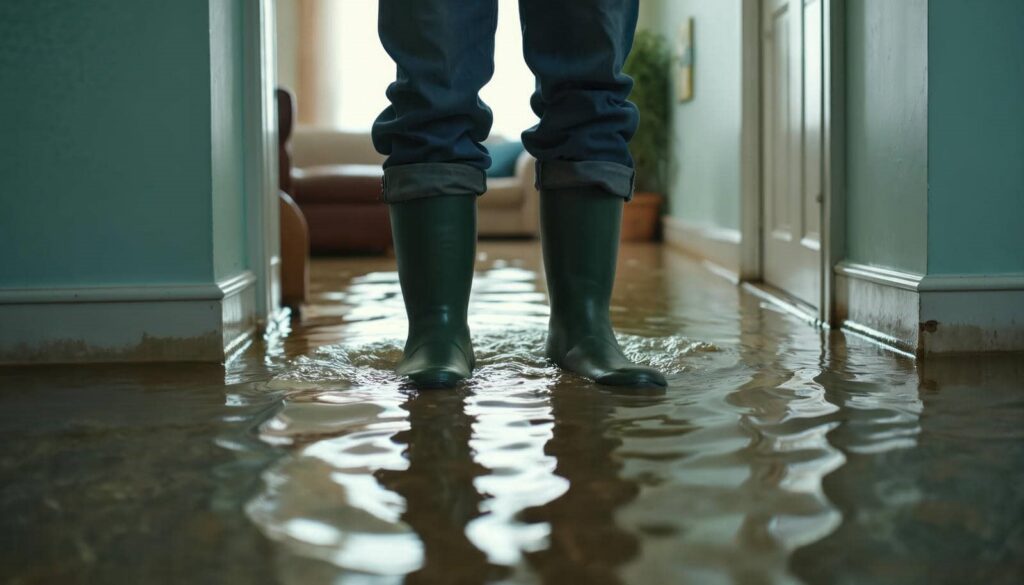
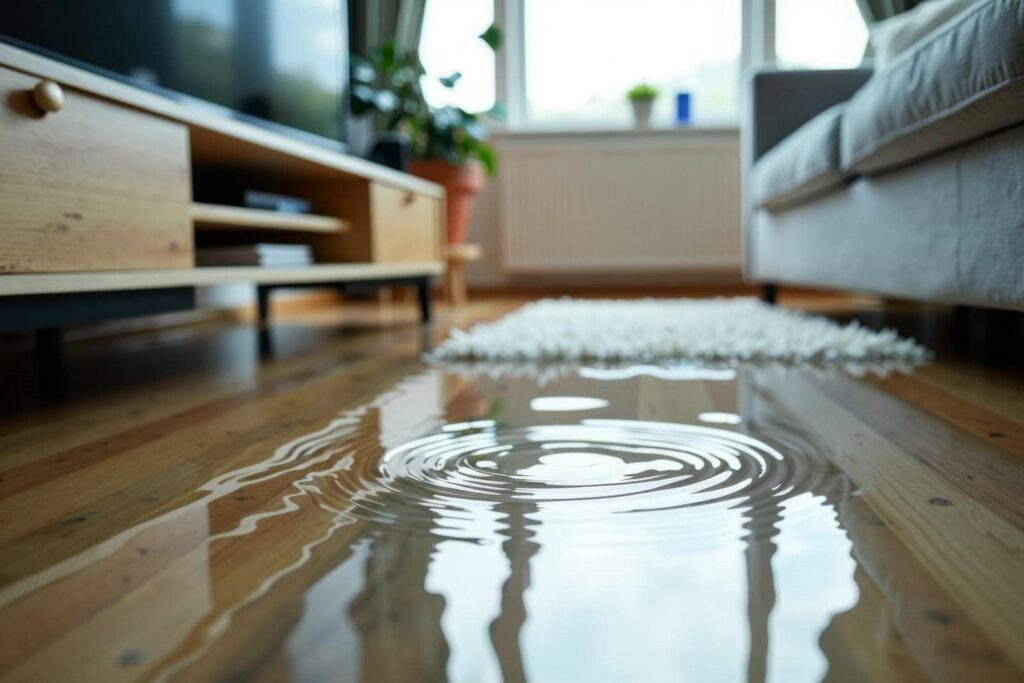
After the fire’s extinguishment, you should carefully inspect your home for signs of water damage. Look for sagging ceilings, peeling paint, and warped floors, which indicate moisture infiltration.
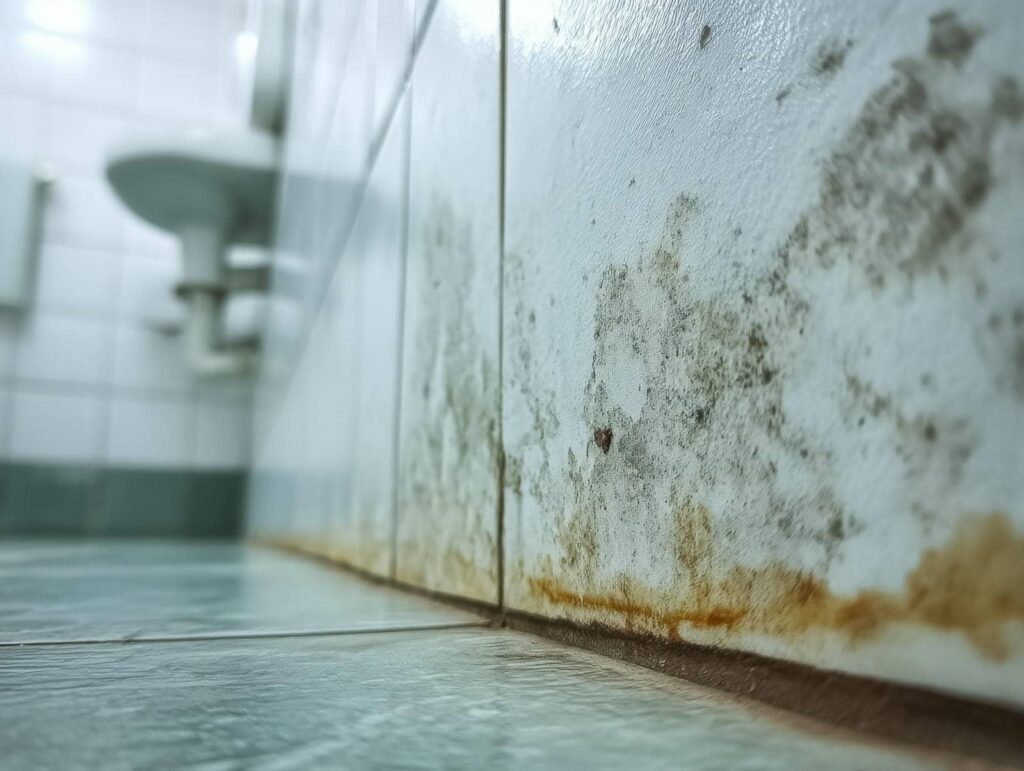
Check hidden areas like behind walls and under carpets, as water can accumulate unnoticed, leading to mold growth and structural issues.
Pay attention to your furniture and personal belongings; water can ruin valuable items if not addressed promptly. Document all findings with photographs for insurance purposes.
It’s vital to assess the extent of the damage thoroughly and seek professional help if necessary.
Evaluate Electrical and HVAC Systems
Once the flames are extinguished, it’s vital to evaluate your electrical and HVAC systems, as fire can severely compromise their integrity.
Start with a detailed HVAC inspection. Check for visible damage to ducts, filters, and the unit itself. Verify that all components are intact and functioning. If you notice charred wires or melted insulation, it’s important to call a professional immediately.
Next, assess your electrical system. Look for signs of damage such as scorch marks, flickering lights, or tripped breakers. Remember, electrical safety is paramount; don’t attempt repairs on your own unless you’re trained.
If you suspect any issues, have an electrician conduct a thorough assessment. They can identify hidden dangers, ensuring your home is safe to return to.
Addressing these systems promptly can prevent further damage and safeguard your well-being, fostering a sense of security in your home again.
Document Everything for Insurance Purposes
After ensuring your electrical and HVAC systems are safe, the next step involves documenting all damage for insurance purposes.
Accurate damage documentation is essential for a successful insurance claim. You’ll want to be thorough and organized as you assess the extent of the destruction.
Consider the following items to include in your documentation:
- Photographs: Capture clear images of all affected areas and items.
- Inventory List: Create a detailed list of damaged possessions with estimated values.
- Witness Statements: Gather accounts from anyone who can confirm the extent of the damage.
Frequently Asked Questions
How Can I Safely Enter a Fire-Damaged Home?
Before entering a fire-damaged home, ensure fire safety by checking for structural integrity. Look for signs of collapse, listen for creaks, and don’t enter until professionals assess the situation to avoid potential hazards.
What Health Risks Are Associated With Smoke Inhalation?
Inhaling smoke’s a silent thief, stealing breath and health. Smoke toxicity can lead to severe respiratory issues, including chronic bronchitis and lung damage. Understanding these risks helps you navigate the aftermath of fire exposure safely.
Should I Contact a Professional for Damage Assessment?
You should definitely contact a professional for damage assessment. Their expert evaluation ensures you understand the extent of damage, identifies hidden issues, and helps you navigate necessary repairs, ultimately safeguarding your home and well-being.
How Do I Handle Sentimental Items Affected by Fire?
You’ll want to assess sentimental items carefully, documenting damage for insurance claims, and exploring restoration options. Prioritize items that hold deep meaning, weighing their emotional value against potential restoration costs to make informed decisions.
What Temporary Repairs Can I Make Before Professionals Arrive?
Before professionals arrive, you can cover broken windows with emergency tarps to prevent further damage. Secure the tarp tightly to block moisture and debris, ensuring your space remains as protected as possible until help arrives.
Summary
Thoroughly evaluating fire damage is essential for effective recovery. For instance, if you find severe cracks in your foundation, it’s a clear sign of structural compromise that requires immediate attention. By systematically reviewing structural integrity, smoke residues, water damage, and electrical systems, you can create a detailed report for your insurance claim. Don’t underestimate the importance of documentation—it’s your best defense for ensuring you get the compensation you need to rebuild.