Contents
Flooding can lead to a significant increase in pest populations. If you’ve experienced water damage, it is crucial to take immediate post-flooding action to prevent these unwanted invaders from taking over your home. Understanding the steps you need to take can make all the difference in ensuring your space remains pest-free. Let’s explore the urgent measures you should implement right away.
Key Takeaways
- Assess water damage to identify areas at risk for pest infestations, focusing on musty odors or visible mold.
- Remove standing water and debris promptly to eliminate breeding grounds for pests.
- Clean and disinfect affected areas thoroughly to reduce pathogens and discourage pest attraction.
- Inspect for pest entry points, sealing any cracks or gaps found during the assessment.
- Implement preventive measures, such as regular cleaning and monitoring for signs of pest activity.
Assess the Extent of Water Damage
As you begin to assess the extent of water damage, it’s essential to identify the areas most affected by flooding. Start with waterlogged structures, as these are prime candidates for mold growth.
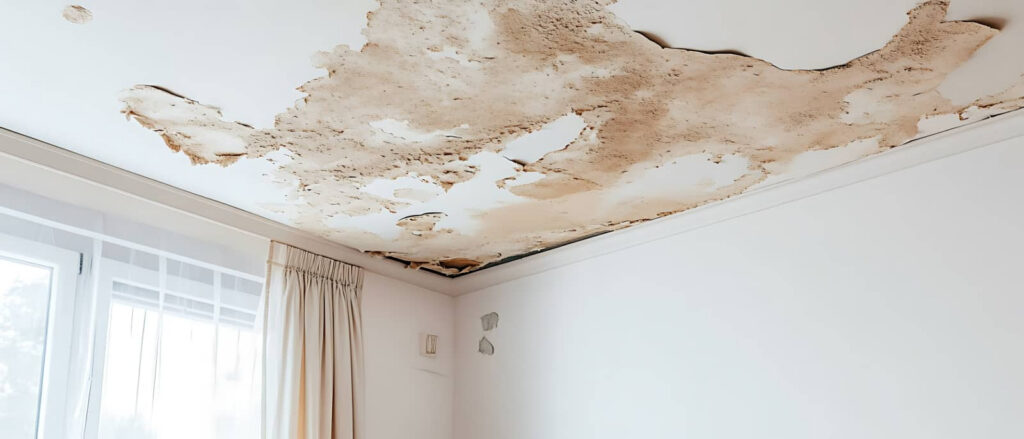
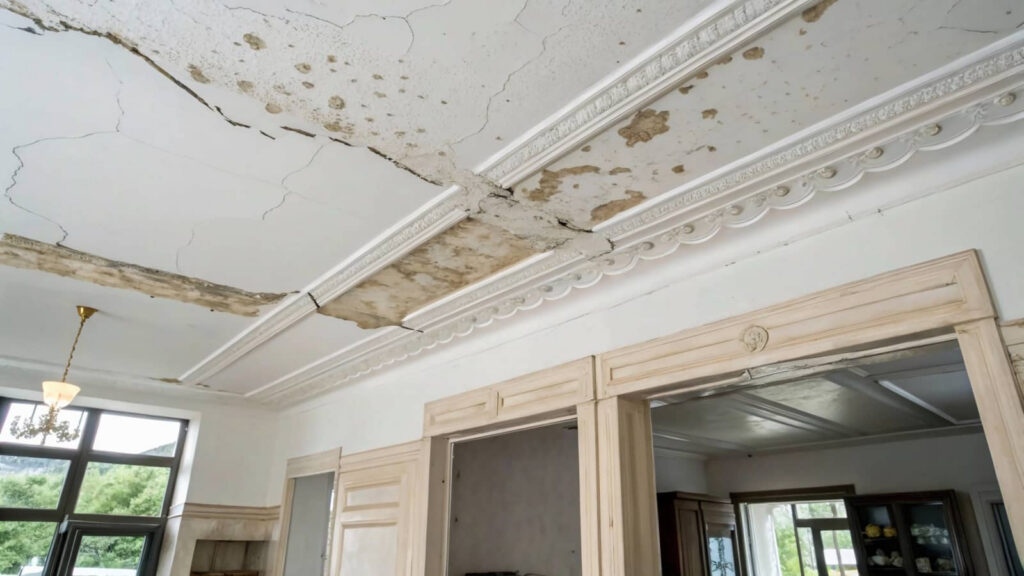
Inspect walls, floors, and ceilings for discoloration, warping, or dampness. Pay close attention to hidden areas like behind appliances and under carpeting, where moisture may linger unnoticed.
Document each affected area, noting the severity of the damage and the materials involved. This information will be vital for any future remediation efforts.
Remember, mold can start growing within 24 to 48 hours, so timely assessment is key. If you notice any musty odors or visible mold, prioritize these locations for immediate attention.
Remove Standing Water and Debris
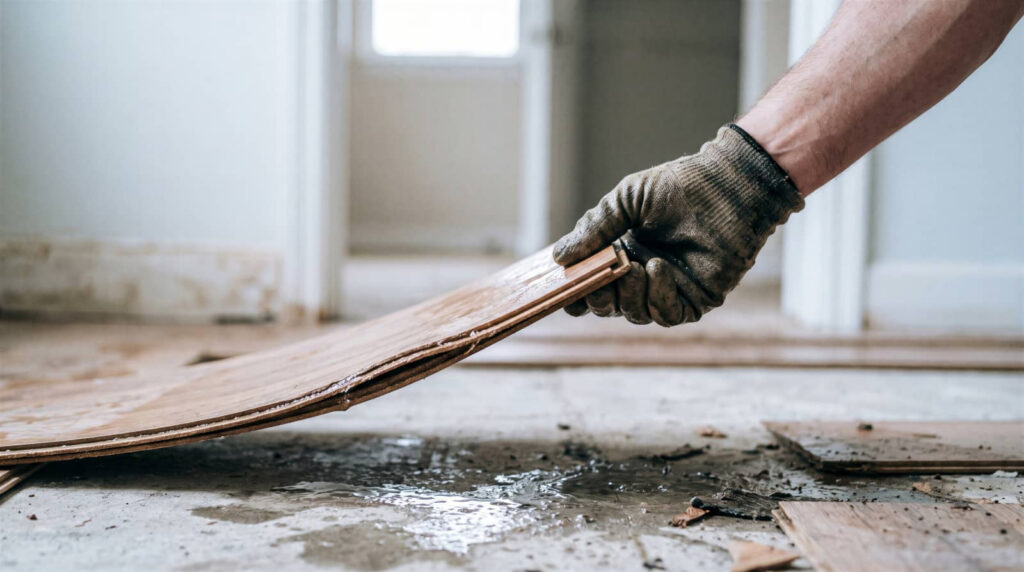
Once you’ve assessed the extent of water damage, your next priority is to remove standing water and debris promptly. Standing water creates a breeding ground for pests like mosquitoes and can lead to further structural damage.
Begin by using pumps or wet vacuums to eliminate as much standing water as possible. If you’re dealing with larger areas, consider contacting local services that specialize in water removal.
After you’ve addressed the water, focus on debris removal. Clear out any organic materials, such as leaves or wood, as these can attract pests and produce mold.
Make sure you wear protective gear, as debris can harbor sharp objects or contaminants. Dispose of all waste properly to prevent future infestations.
The quicker you act on these tasks, the better you’ll protect your home from pests and additional hazards. Establishing a clean and dry environment is essential for your safety and peace of mind.
Clean and Disinfect Affected Areas
After removing standing water and debris, the next step is to clean and disinfect the affected areas thoroughly.
Use effective cleaning techniques such as scrubbing surfaces with a stiff brush to remove dirt and grime. Focus on high-touch areas like countertops, doorknobs, and light switches.
For disinfectant options, choose products that are EPA-approved for use against viruses and bacteria, ensuring they’re safe for your specific surface materials.
Dilute bleach solutions, hydrogen peroxide, or commercial disinfectants can effectively eliminate pathogens. Always follow the manufacturer’s instructions for proper usage and dwell time.
Don’t forget to ventilate the area while cleaning to promote air circulation and reduce odors.
Once disinfected, allow surfaces to dry completely to prevent mold growth, which can attract pests.
Inspect for Pest Entry Points
To effectively prevent pest infestations, you must thoroughly inspect your property for potential entry points. Start by examining your foundation, walls, and windows for cracks or gaps that pests can exploit.
Pay close attention to areas around plumbing and electrical conduits, as these are common access points. Consider pest behavior; many pests are adept at squeezing through tiny openings.
Use a flashlight to illuminate dark corners and hidden spaces. Don’t forget to inspect doors and screens for any signs of wear or damage that could facilitate entry.
Seal any identified gaps with caulk or weather stripping to enhance entry prevention. Remember, even small openings can lead to significant problems, so be diligent in your inspection.
Implement Preventive Pest Control Measures
While you’ve taken essential steps to identify potential entry points for pests, implementing preventive pest control measures is equally crucial to safeguard your home.
Start by employing effective pest-proofing techniques, such as sealing cracks and gaps around windows, doors, and foundations. This creates a barrier that deters unwanted intruders.
Next, consider long-term strategies, like maintaining a clean environment. Regularly remove debris, standing water, and food sources that attract pests.
Additionally, installing screens on vents and chimneys can provide an extra layer of protection.
Don’t forget to monitor your property periodically for signs of pest activity and take immediate action if you notice any issues.
By adopting these preventive measures, you’ll enhance your home’s resilience against pests, creating a safer, more comfortable space for you and your family.
Together, these steps can greatly reduce pest problems, ensuring lasting peace of mind.
Frequently Asked Questions
How Soon Should Pest Control Be Initiated After Flooding?
You should initiate pest control immediately after flooding. Quick action ensures effective pest prevention, reducing the risk of infestations. Delaying can lead to larger problems, so stay proactive to protect your environment and well-being.
Are Certain Pests More Prevalent After Flooding?
Oh joy, after flooding, you’ll find mosquito populations skyrocketing and rodent behavior becoming increasingly brazen. These pests thrive in damp conditions, so expect them to invade your space, seeking warmth and food as they multiply.
Can Flooding Attract New Pest Species?
Yes, flooding can attract new pest species due to pest migration in the flood aftermath. The standing water creates ideal breeding grounds, allowing pests to thrive and potentially invade previously unaffected areas in your home.
What Are the Signs of Pest Infestations Post-Flood?
You notice droppings scattered like confetti in corners, or perhaps you see gnawed wood and strange sounds echoing at night. These infestation indicators signal pest identification—an urgent need to investigate and address the problem effectively.
Should I Hire Professionals or DIY Pest Control After Flooding?
When deciding between hiring professionals or DIY pest control, conduct a cost analysis and effectiveness comparison. Professionals often ensure thoroughness, while DIY might save money but could lack the necessary expertise for complete eradication.
Recap
In the aftermath of flooding, swift action is your shield against pest invasions. By evaluating damage, removing standing water, and disinfecting thoroughly, you lay the groundwork for a pest-free sanctuary. Sealing entry points acts like a fortress wall, keeping unwanted invaders at bay. Finally, by implementing preventive measures and staying vigilant, you transform your home into a resilient stronghold. Don’t let pests take root; act decisively to reclaim your space from nature’s unwelcome guests.