Contents
After experiencing fire damage, you need to address mold growth quickly to prevent further deterioration of your property. Start by evaluating the extent of the mold presence. This step is essential for developing an effective mold remediation strategy. Next, you’ll want to contemplate proper ventilation and humidity control. Without these elements, the situation can worsen. Let’s explore the best solutions to tackle this issue effectively and ensure your space is safe and healthy.
Key Takeaways
- Conduct a thorough mold inspection to assess the extent of growth and identify moisture sources after fire damage.
- Implement proper ventilation and humidity control to reduce moisture levels, preventing mold regrowth in affected areas.
- Utilize HEPA filters and air purifiers to improve air quality and capture airborne mold spores during remediation.
- Apply safe mold removal solutions and techniques, including HEPA vacuuming and replacing damaged porous materials.
- Enlist professional mold remediation services for tailored plans that address unique conditions and ensure effective mold removal.
Assessing the Extent of Mold Growth
How do you determine the extent of mold growth after fire damage?
Start by employing precise mold inspection techniques. You’ll first need to visually inspect affected areas, looking for discoloration or water damage, which often signals mold presence.
Next, utilize growth assessment tools like moisture meters to measure humidity levels in building materials. This step is essential, as high moisture content can foster mold proliferation.
Consider taking surface samples using swabs or tape lifts, allowing for laboratory analysis to identify specific mold types.
Additionally, infrared cameras can help detect hidden moisture behind walls, revealing potential growth not visible to the naked eye.
Implementing Proper Ventilation
To effectively combat mold after fire damage, you need to enhance airflow and control humidity levels in the affected area.
Implementing techniques like using fans and dehumidifiers can greatly improve air circulation and reduce moisture.
Airflow Enhancement Techniques
While addressing mold issues after fire damage, improving airflow through proper ventilation is vital for effective remediation.
Start by evaluating airflow patterns in your space. Identify areas with stagnant air and implement strategies to enhance circulation. Conduct thorough duct inspections to verify they’re clean and free from obstructions, as this can greatly impact airflow.
Consider installing exhaust fans in high-moisture areas like kitchens and bathrooms to draw out damp air. Use portable fans to promote movement in affected areas, facilitating mold spore removal.
Additionally, open windows when weather permits to allow fresh air to flow in, further reducing humidity. By optimizing ventilation, you’ll create an environment less conducive to mold growth, fostering a safer and healthier living space.
Humidity Control Methods
Effective humidity control is essential in preventing mold proliferation after fire damage. To achieve this, you should implement proper ventilation strategies alongside humidity monitoring systems.
Start by evaluating your space’s airflow—open windows when possible or use exhaust fans to circulate air. Additionally, consider installing humidity monitoring systems to keep track of moisture levels effectively.
If humidity exceeds 60%, it’s time to explore dehumidifier options. Choose energy-efficient models that suit your space size, ensuring they can handle the moisture load. Regularly empty and clean these units to maintain peak performance.
Utilizing HEPA Filters and Air Purifiers
When dealing with mold after fire damage, utilizing HEPA filters and air purifiers becomes essential for effective remediation.
These devices capture airborne particles, including mold spores, greatly improving indoor air quality.
Regular maintenance and timely replacement of filters ensure peak performance, helping to mitigate the risk of mold resurgence.
Importance of HEPA Filters
HEPA filters play an essential role in post-fire recovery, especially in environments where mold growth is a considerable concern. These filters capture microscopic particles, improving your air quality and reducing health risks. Understanding the different HEPA filter types can aid you in selecting the right one for your situation.
| HEPA Filter Type | Particle Size Captured | Ideal Use Case |
|---|---|---|
| True HEPA | 0.3 microns | General air purification |
| HEPA Type H13 | 0.1 microns | Medical environments |
| HEPA Type H14 | 0.1 microns | Clean rooms & labs |
| ULPA | 0.1 microns | Specialized industrial use |
| Charcoal HEPA | Varies | Odor removal |
Using HEPA filters effectively can greatly enhance your recovery efforts.
Air Purifiers’ Effectiveness
Air purifiers equipped with HEPA filters are essential tools in the battle against mold spores and other airborne contaminants after fire damage.
You’ll find various air purifier types, each designed to target specific pollutants, enhancing your indoor air quality. HEPA filters can capture particles as small as 0.3 microns, ensuring that even the tiniest mold spores are effectively eliminated from your environment.
When selecting an air purifier, consider the room size and filtration capabilities to maximize efficiency. Running your air purifier continuously, especially during the initial remediation phase, will greatly reduce the presence of allergens and improve the overall atmosphere in your home.
This proactive approach fosters a healthier living space, allowing you to breathe easier and feel more secure.
Maintenance and Replacement Tips
To maintain ideal air quality and ensure the effectiveness of your air purifier, regular maintenance and timely replacement of HEPA filters are essential.
Follow these tips to promote peak performance:
Replace HEPA Filters: Change filters every 6-12 months, depending on usage and manufacturer guidelines.
Routine Inspections: Regularly check your air purifier for signs of wear or damage, promoting it operates efficiently.
Use Mold Resistant Materials: Consider using mold-resistant materials in your home to prevent mold growth, enhancing air quality.
Monitor Humidity Levels: Keep humidity below 60% to reduce mold spores, promoting your air purifier works effectively.
Applying Mold Removal Solutions
While addressing mold issues following fire damage, it’s crucial to implement effective mold removal solutions promptly.
Start by evaluating the affected areas to determine the extent of the mold growth. Utilize proven mold removal techniques, such as HEPA vacuuming and scrubbing surfaces with a mixture of safe cleaning products like vinegar or hydrogen peroxide. These products eliminate mold spores and minimize health risks associated with harsh chemicals.
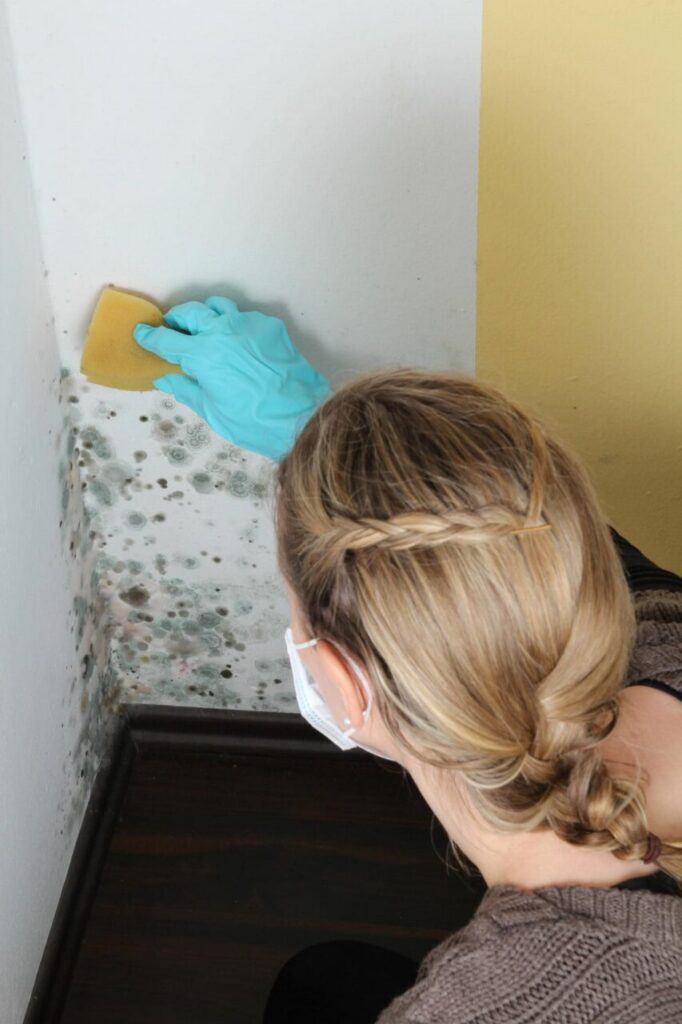
Ensure you wear appropriate protective gear, including gloves and masks, to safeguard yourself during the process.
For porous materials like drywall or carpeting, consider replacing them if the mold has penetrated deeply. After cleaning, thoroughly ventilate the space to promote drying and prevent future growth.
Regular inspections can help you stay ahead of potential mold issues, ensuring your environment remains safe and healthy. Taking these steps will foster a sense of belonging in your home, free from the threats of mold.
Repairing Water Damage and Moisture Sources
After fire damage, addressing water damage and moisture sources is essential for preventing mold resurgence.
You need to take methodical steps to ensure your space is safe and healthy. Here’s how to tackle the problem effectively:
Conduct a Mold Inspection: Identify areas affected by moisture and potential mold growth.
Perform Water Extraction: Use pumps and vacuums to remove standing water from the premises.
Dry Out Affected Areas: Utilize dehumidifiers and fans to thoroughly dry walls, floors, and other surfaces.
Repair Damage: Fix leaks, replace damaged materials, and ensure proper sealing to prevent future moisture issues.
Preventing Future Mold Growth
Once you’ve addressed water damage and eliminated moisture sources, the next step is implementing strategies that prevent future mold growth.
Start by using mold-resistant materials in your repairs; these are specifically designed to inhibit mold development. For instance, consider drywall treated with mold inhibitors and paints that offer added protection.
Additionally, install moisture barriers in areas prone to dampness, such as basements and crawl spaces. These barriers help prevent moisture from seeping through walls and floors, creating an environment unsuitable for mold.
Ensure proper ventilation throughout your home, especially in kitchens and bathrooms, to reduce humidity levels.
Regularly check for leaks and maintain your HVAC systems to keep humidity in check. By adopting these preventative measures, you create a healthier living space, fostering a sense of belonging and security for you and your family.
Professional Mold Remediation Services
When faced with significant mold issues, enlisting professional mold remediation services is crucial for effectively restoring your home.
These experts follow strict protocols to ensure thorough mold inspection and cleanup. Here’s what they typically provide:
Comprehensive Mold Inspection: They assess the extent of mold infestation, identifying hidden areas that may require attention.
Customized Remediation Plan: Each situation is unique; professionals develop a tailored plan based on your home’s specific needs.
Advanced Cleanup Protocols: Utilizing industry-standard techniques, they safely remove mold and prevent it from returning.
Post-Remediation Verification: After the cleanup, they conduct tests to confirm that mold levels are safe, providing peace of mind for you and your family.
Frequently Asked Questions
Can Mold Grow in Walls After Fire Damage?
Yes, mold can grow in walls after fire damage due to moisture from firefighting efforts. Implementing mold prevention strategies during fire damage restoration is essential to prevent growth and protect your property’s integrity.
How Quickly Can Mold Develop After a Fire?
Mold’s malevolent march can begin within 24 to 48 hours after fire damage, depending on fire damage factors like moisture and temperature. Understanding this mold growth timeline helps you act swiftly to mitigate potential health hazards.
Is All Mold Dangerous After Fire Damage?
Not all mold types are dangerous after fire aftermath. While some can cause health issues, others are relatively harmless. It’s crucial to assess the situation thoroughly and address any potentially harmful mold promptly.
What Are the Signs of Hidden Mold?
You’ll notice hidden mold indicators like musty odors, water stains, or peeling paint. Utilize mold detection methods, such as moisture meters and visual inspections, to identify potential growth areas quickly and ensure a safe environment.
Can I Handle Mold Removal Myself Legally?
You can handle mold removal yourself, but you’ve got legal responsibilities. Make certain you follow DIY precautions, like wearing protective gear and properly disposing of contaminated materials, to safeguard your health and comply with regulations.
Review
In tackling mold after fire damage, you can’t afford to cut corners. Every second counts! By evaluating mold growth, ensuring ventilation, and using HEPA filters, you’ll create a fortress against future infestations. Mold removal solutions and repairing moisture sources are your frontline defenses. Don’t forget, enlisting professional services can elevate your cleanup to superhero status! With these meticulous steps, you’re not just fighting mold; you’re declaring war on its return, ensuring a safe, healthy environment for years!