Contents
When faced with fire damage, your first step is to assess the extent of the destruction. You’ll need to document what can be salvaged while ensuring safety throughout the process. Engaging professionals for structural inspections is vital. After securing the area, water removal becomes a priority. Each step in the fire damage restoration process builds on the last, setting the stage for a thorough recovery. Understanding these steps is essential for effective restoration.
Key Takeaways
- Assess and document the extent of fire damage to determine restoration needs and identify salvageable items.
- Ensure safety by engaging professionals for structural inspections and damage restoration.
- Remove water and dry affected areas using industrial-grade pumps and dehumidifiers to prevent mold growth.
- Clean and sanitize contaminated surfaces with appropriate agents, focusing on smoke odor removal techniques.
- Maintain communication with the restoration team, ensuring compliance with building codes and selecting durable materials for reconstruction.
Assessing the Damage
When you’re faced with fire damage, the first step is evaluating the extent of that damage to determine your restoration approach. Conducting a thorough fire assessment is essential; you’ll want to inspect both visible and hidden areas affected by heat, smoke, or flames.
Begin by documenting all damage, noting structural integrity, affected materials, and any lingering odors.
Next, perform a detailed damage evaluation. This involves identifying salvageable items, categorizing damages into minor, moderate, or severe, and examining the potential for restoration.
Consider the impact on your home’s systems, such as electrical and plumbing, which may require professional insights.
Throughout this process, remember that your decisions shape the restoration and the emotional recovery of your household. Engaging with professionals can provide clarity, ensuring that every aspect of the damage is effectively addressed, fostering a sense of belonging and safety in your restored environment.
Ensuring Safety
Before you begin the restoration process, you must assess the building’s structural integrity to ensure it’s safe for entry.
Using protective gear, such as respirators and gloves, is essential to shield yourself from hazardous materials and potential injuries during your work.
Prioritizing safety protects you and sets the foundation for effective restoration.
Assess Structural Integrity
Evaluating structural integrity after a fire is essential for ensuring safety before re-entering the building.
Begin with thorough structural inspections conducted by professionals who understand fire-related damage. These experts will perform integrity evaluations to identify compromised beams, walls, and foundations.
Look for signs of warping, cracking, or charred materials that may indicate structural failure. It’s important to assess load-bearing elements and connections, as they’re critical for the building’s stability.
If you notice any irregularities, don’t hesitate to consult a structural engineer. Remember, safety is paramount; you and your loved ones deserve to feel secure in your space.
Use Protective Gear
As you prepare to enter a fire-damaged area, donning the appropriate protective gear becomes vital for your safety.
Start with a sturdy helmet to shield your head from falling debris, followed by goggles to protect your eyes from soot and particulates. A respirator is essential to filter out harmful smoke and chemicals in the air.
Make certain you’re wearing fire-resistant gloves and protective clothing to guard against burns and cuts. Sturdy boots with steel toes will provide foot protection and stability on unstable surfaces.
Adhering to safety protocols safeguards you and sets a standard for your team, fostering a culture of safety and responsibility.
Prioritize your well-being to effectively assist in the restoration process.
Contacting Professionals
When a fire occurs, seeking professional help for damage restoration is essential to ensure a safe and effective recovery.
Fire restoration requires expertise that goes beyond basic cleanup. Professional services are equipped with the latest tools and techniques to assess structural damage, remove hazardous materials, and restore your property to its original condition.
These experts understand the complexities involved, including the potential for lingering smoke and odors that can compromise indoor air quality.
They’ll develop a tailored recovery plan, ensuring each step addresses your unique situation while adhering to safety regulations.
Water Removal and Drying
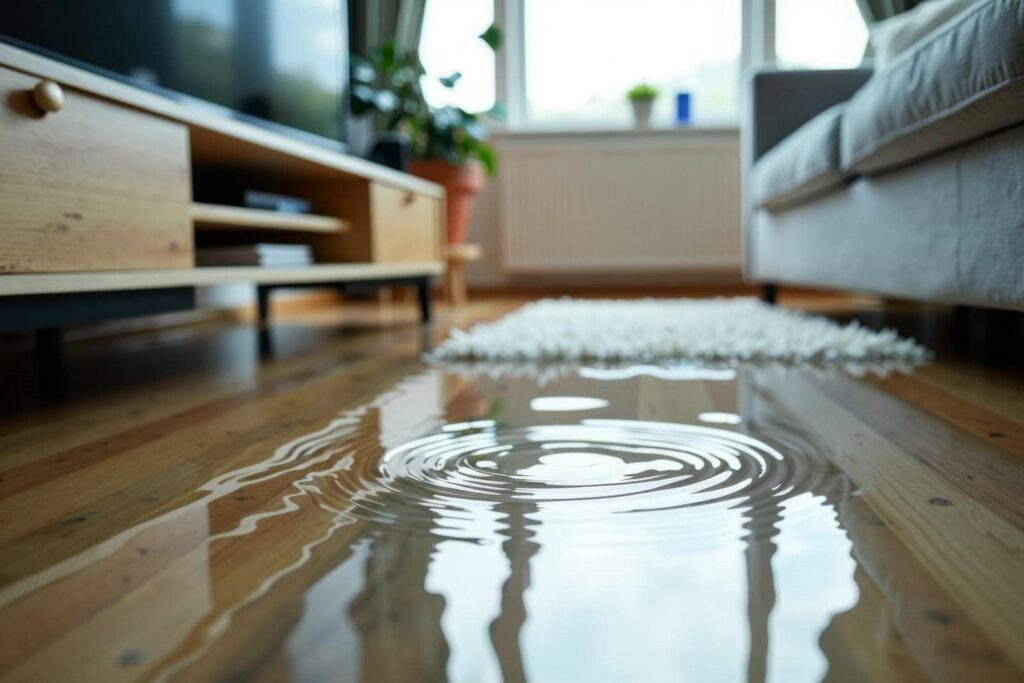
After a fire, water removal and drying are critical steps that can prevent further damage to your property. The water used to extinguish the flames can lead to mold growth and structural issues if not addressed promptly.
Effective water extraction and moisture control are essential for restoring your home.
- Assess the extent of water damage immediately.
- Use industrial-grade pumps for efficient water extraction.
- Employ dehumidifiers to control moisture levels.
- Ventilate the area to promote drying.
- Monitor humidity levels to ensure complete dryness.
Cleaning and Sanitizing
Once you’ve removed water and dried the affected areas, it’s vital to assess any contaminated surfaces for soot and residues.
Selecting the right cleaning agents is essential to effectively eliminate these contaminants without causing further damage.
Implementing proper sanitization techniques will ensure a safe and healthy environment post-restoration.
Assessing Contaminated Areas
As you begin the process of evaluating contaminated areas following a fire, it’s crucial to identify the extent of damage and the presence of hazardous substances.
Conducting a thorough fire assessment helps pinpoint contamination sources that may pose health risks.
Consider the following steps:
- Inspect structural materials for soot, smoke, and chemical residues.
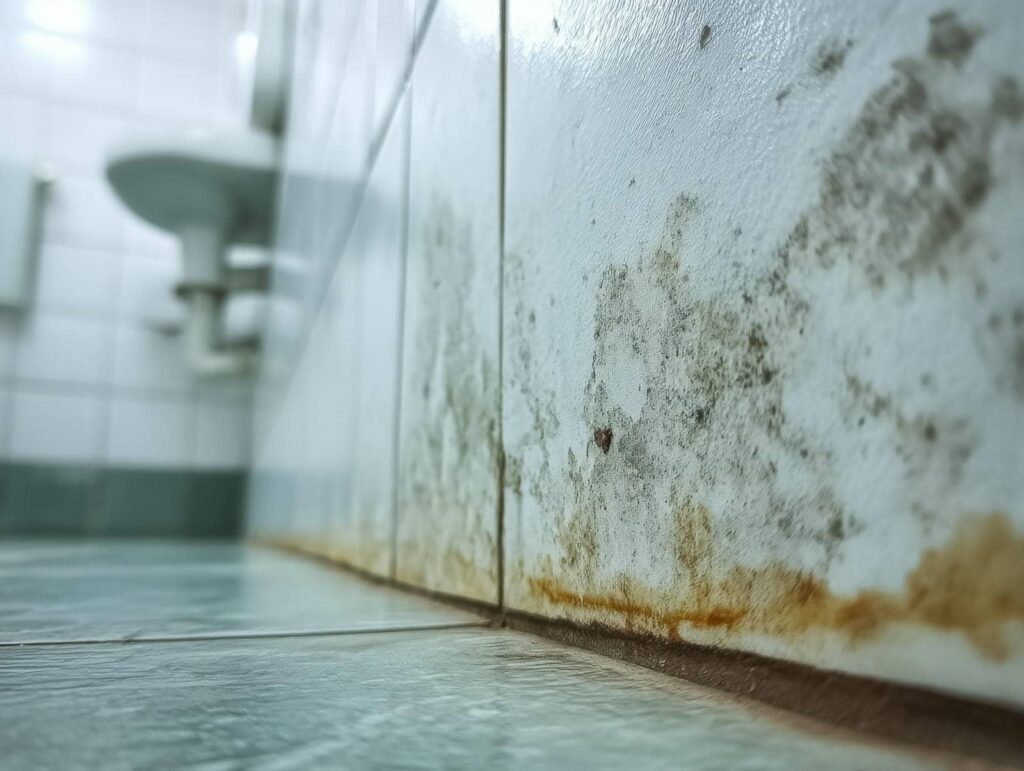
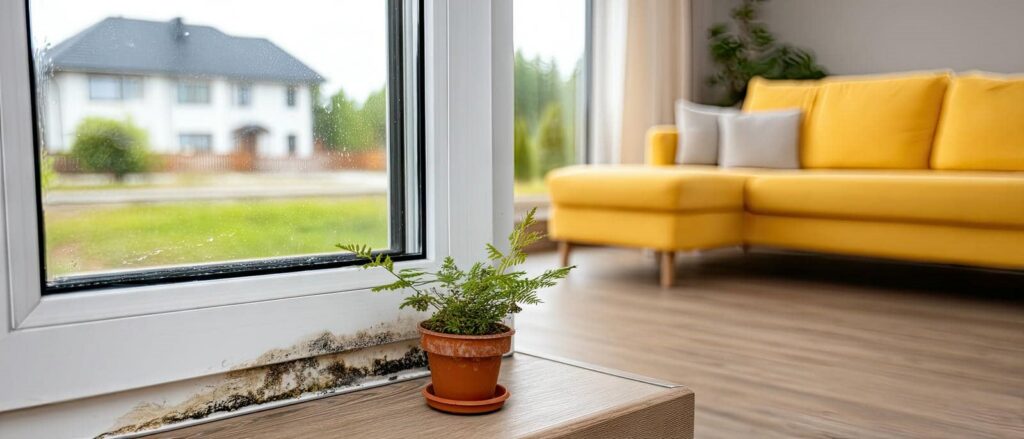
- Check for water damage from firefighting efforts, which can harbor mold.
- Assess HVAC systems that might’ve absorbed contaminants.
- Identify any lingering odors that indicate hidden damage.
- Document findings to guide future cleaning efforts.
Choosing Proper Cleaning Agents
When selecting proper cleaning agents for fire damage restoration, it’s essential to evaluate the specific materials and contaminants present in the affected areas.
You’ll want to prioritize eco-friendly solutions that effectively eliminate soot, smoke residues, and harmful chemicals without compromising the environment.
Assess chemical compatibility with surfaces to prevent damage; for instance, certain agents might react adversely with wood or metal finishes.
Always opt for cleaning agents that are safe for the environment and your health, and that meet industry standards.
Additionally, consider using biodegradable products that clean effectively and align with your commitment to sustainability.
Implementing Effective Sanitization Techniques
After selecting appropriate cleaning agents, the next step in fire damage restoration involves implementing effective sanitization techniques.
Utilizing proper sanitization methods is essential to eliminate harmful contaminants and prevent further damage. Here’s how to effectively disinfect your space:
- Choose effective disinfectants that target smoke residues and bacteria.
- Wear protective gear to ensure your safety during the cleaning process.
- Apply disinfectants according to manufacturer instructions for maximum efficacy.
- Allow sufficient contact time for disinfectants to work effectively on surfaces.
- Ventilate the area to promote air circulation and remove lingering odors.
Repairing Structural Damage
While the aftermath of a fire can leave your property in a precarious state, promptly addressing structural damage is essential to ensuring safety and stability.
Begin by evaluating the extent of the damage, focusing on load-bearing walls, beams, and the foundation. You may need to engage a professional engineer to determine whether structural reinforcement is necessary. This step ensures that your property can withstand future stresses.
Once you’ve identified areas in need of repair, use fire-resistant materials during reconstruction. These materials enhance safety and improve your building’s resilience against future fires.
It’s crucial to follow local building codes and regulations to ensure your repairs meet safety standards. By methodically repairing structural damage, you’re not just restoring your space; you’re investing in a safer and more secure environment for you and your loved ones.
Restoration and Reconstruction
As you move forward with restoration and reconstruction, it’s crucial to assess the remaining damage thoroughly to determine what can be salvaged and what needs replacement.
This evaluation will guide your choice of effective restoration techniques and suitable reconstruction materials.
Consider these key factors:
Inventory what’s salvageable: Identify items that can be cleaned and restored.
Choose quality materials: Opt for durable reconstruction materials that withstand future risks.
Implement professional restoration techniques: Engage experts for specialized tasks such as smoke odor removal.
Plan for structural integrity: Verify all repairs meet local building codes for safety.
Maintain open communication: Keep in touch with your restoration team to stay informed about progress.
Frequently Asked Questions
What Are Common Causes of Fire Damage in Homes?
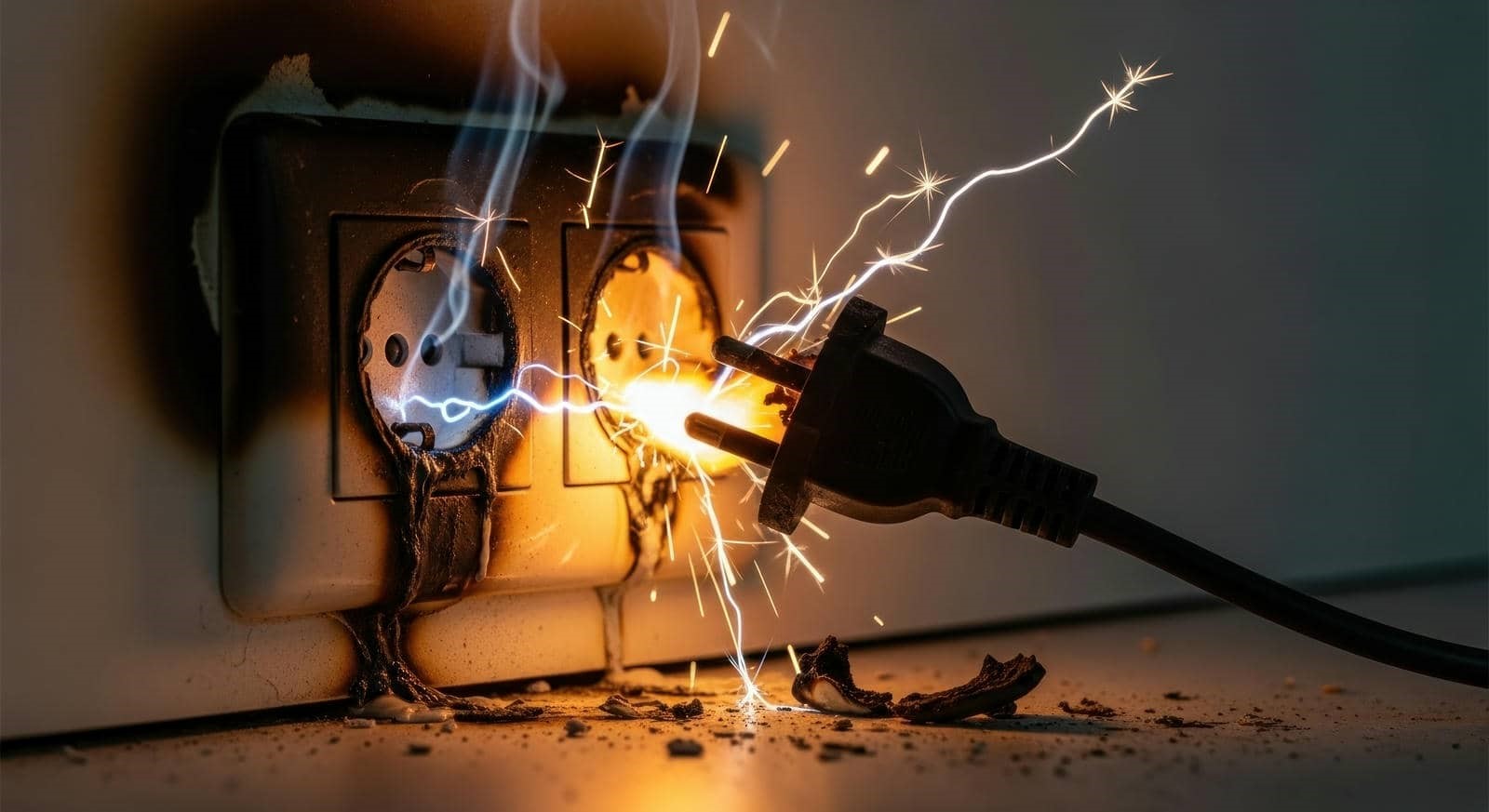
Common causes of fire damage in homes include kitchen fires, often from unattended cooking, and electrical malfunctions, which can stem from faulty wiring or overloaded circuits. Both situations require your attention to prevent serious incidents.
How Long Does Fire Damage Restoration Typically Take?
Fire damage restoration can feel like an eternity, but typically, the restoration timeline spans days to weeks. After a thorough damage assessment, professionals work efficiently to restore your space, ensuring you feel at home again.
Will Insurance Cover Fire Damage Restoration Costs?
Your fire insurance policy often covers restoration costs, but it depends on your coverage limits. Review your policy details to understand what’s included and consult your insurer to clarify your coverage specifics regarding fire damage.
Can I Stay in My Home During Restoration?
You can stay in your home during restoration, but ensure fire safety measures are in place. The restoration process may generate hazardous conditions; consult professionals to determine the best course of action for your safety.
What Items Can Be Salvaged After a Fire?
After a fire, you can often salvage items like metal appliances, certain electronics, and some furniture. Using proper restoration techniques helps recover these belongings, preserving their value and sentimental importance while minimizing additional damage.
Summary
In the end, you might think a fire’s aftermath is just about the flames, but it’s really a detailed dance of restoration. You’ve assessed, cleaned, and repaired, yet the real irony lies in how these steps transform devastation into renewal. By engaging professionals and adhering to safety measures, you’re fixing a structure while rebuilding a home. So, embrace the process—it’s not just about recovery; it’s about crafting a stronger, safer future from the ashes.