Contents
When it comes to roof repairs, ignoring pest control can lead to a nightmare scenario. You must identify common pests that could compromise your work and inspect for entry points that invite them in. By properly sealing your roof and scheduling regular inspections, you can safeguard your home. But that’s just the beginning; let’s explore essential strategies to keep pests at bay during this critical time.
Key Takeaways
- Regularly inspect your roof for visible nests or droppings to catch pest issues early before repairs begin.
- Seal any entry points, including gaps around vents and flashing, to prevent pests from accessing the roof area.
- Keep gutters clean and free of debris to eliminate standing water, which attracts pests and exacerbates roof damage.
- Trim overhanging branches to limit access for pests like rodents and insects seeking shelter on your roof.
- Schedule professional pest control inspections to identify potential threats and implement eco-friendly pest management strategies.
Identify Common Pests During Roof Repairs
When tackling roof repairs, it’s crucial to identify common pests that may compromise your efforts. A thorough understanding of pest behavior can help you recognize signs of infestation and address roof vulnerabilities effectively.
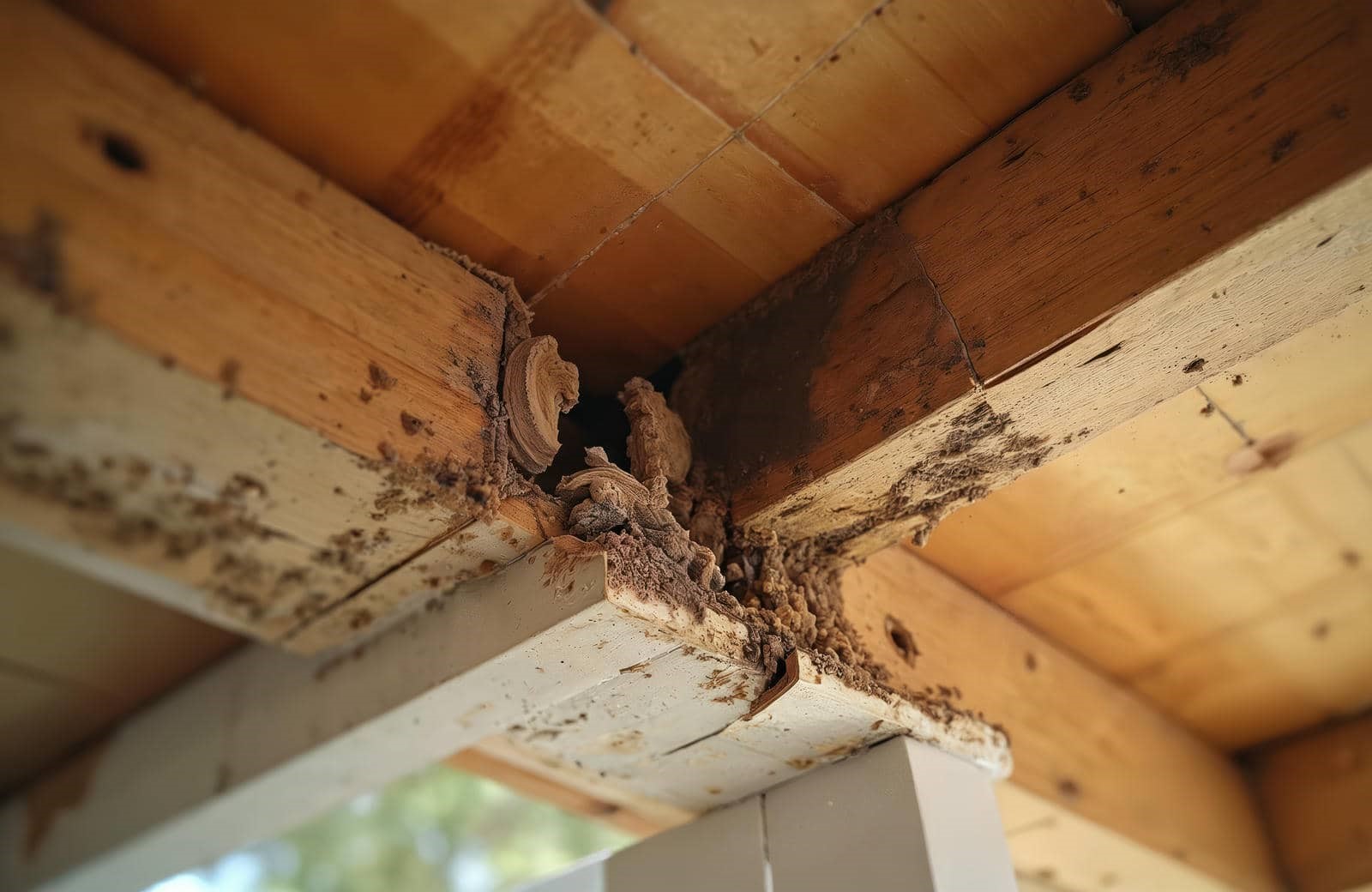
Termites, for instance, can silently undermine your structure, so look for mud tubes or discarded wings. Carpenter ants may create nests within wood, leading to significant damage.
Additionally, wasps and bees can establish hives, obstructing repair access while posing safety risks.
Rodents, drawn to warmth and shelter, can gnaw through insulation and wiring, exacerbating your problems.
Inspect for Entry Points and Damage
To effectively control pests during roof repairs, you need to inspect for common entry points where they may infiltrate your home.
Look closely at areas such as vents, gaps, and damaged shingles that could provide access.
Additionally, assess any roof damage, as compromised materials can exacerbate pest issues.
Identify Common Entry Points
Identifying common entry points is essential for effective pest control during roof repair. Conducting an entry point analysis helps you pinpoint vulnerabilities that pests exploit.
Here are three common areas to inspect:
Ridge Vents: Check for gaps or damage where vents meet the roof, as these can allow pests to enter.
Eaves and Soffits: Look for cracks or holes, particularly around drainage systems, where pests can find access.
Flashing: Examine metal flashing around chimneys and skylights for signs of wear or gaps that could be entry points.
Assess Roof Damage Areas
While inspecting your roof, it’s vital to assess areas of damage that could allow pests to enter your home.
Start your roof inspection by looking for missing shingles, cracked tiles, or exposed underlayment—these are common vulnerabilities.
Pay close attention to flashing around chimneys and vents, as gaps here are inviting for pests.
Conduct a thorough damage assessment by checking for rotting wood, rusted metal, or signs of water intrusion, which can indicate larger issues.
Don’t forget to evaluate your gutters; clogged debris can lead to moisture buildup, attracting unwanted visitors.
Regular assessments help maintain your roof’s integrity and protect your home from pest infestations.
Use Natural Repellents to Deter Pests
To effectively deter pests, you can utilize essential natural ingredients like peppermint oil, vinegar, and diatomaceous earth.
These ingredients can be applied in various ways, such as sprays or dusting, to create a barrier against unwanted invaders.
Understanding the application methods will help you maximize their effectiveness in protecting your roof.
Essential Natural Ingredients
Natural repellents can be highly effective in deterring pests during roof repairs, as they often provide a safer alternative to chemical solutions.
By using essential oil blends, you can create natural deterrents that are both effective and environmentally friendly. Here are three key ingredients to take into account:
Peppermint Oil: Its strong scent confuses pests and keeps them at bay.
Citrus Oil: The zesty aroma deters insects while leaving a fresh scent.
Lavender Oil: Not only does it repel moths and flies, but it also adds a calming fragrance.
Incorporating these natural ingredients into your pest control strategy helps ensure a pest-free environment while you focus on your roof repair tasks.
Embrace these solutions for a safer, more pleasant working space.
Application Methods Explained
Using the natural repellents mentioned earlier can considerably enhance your pest control efforts during roof repairs.
To apply these repellents effectively, start by employing pest identification techniques to determine which pests you’re dealing with. This ensures you use the right natural repellent.
For application, create a spray mixture using essential oils and water, and apply it directly onto affected areas of your roof. Regularly inspect and reapply the mixture, especially after rain, to maintain its effectiveness.
Incorporating these repellents into your roof maintenance strategies deters pests and supports the longevity of your roof.
Seal and Secure the Roof Properly
Although many homeowners overlook it, properly sealing and securing your roof is essential for preventing pest infestations.
Effective roof sealing creates a robust barrier, minimizing access points for unwanted critters. Here are three key steps to ensure your roof is protected:
- Inspect for Gaps: Regularly check for cracks or openings around chimneys, vents, and flashing.
Seal any gaps with appropriate materials to create effective pest barriers.
- Apply Sealant: Use a high-quality roof sealant to coat exposed areas.
This not only enhances waterproofing but also deters pests seeking entry points.
- Secure Loose Materials: Confirm shingles, tiles, and other roofing materials are tightly fastened.
Loose components can become entry points, inviting pests into your home.
Schedule Regular Pest Inspections
After sealing and securing your roof, scheduling regular pest inspections becomes essential in maintaining a pest-free environment. These inspections are vital for effective pest prevention, and you should consider setting a routine based on the inspection frequency that suits your local climate and potential pest threats.
| Inspection Frequency | Benefits | Recommended Action |
|---|---|---|
| Monthly | Early detection | Engage a pest control expert |
| Quarterly | Thorough analysis | Conduct DIY inspections |
| Bi-Annually | Preventive measures | Review and adjust strategies |
Maintain Cleanliness Around the Property
To effectively prevent pests from invading your home, maintaining cleanliness around your property is essential. A clean environment reduces hiding spots and food sources for unwanted critters.
Here are three key aspects to focus on for ideal property cleanliness and pest prevention:
Debris Removal: Regularly clear leaves, branches, and trash from your yard and gutters. Accumulated debris can attract pests and provide nesting sites.
Proper Waste Management: Make sure trash bins are sealed tightly and disposed of regularly. Leaving garbage exposed can draw in pests like rodents and insects.
Vegetation Maintenance: Trim shrubs and trees, keeping them away from your home. Overgrown plants can create pathways for pests to access your roof and walls.
Consult With Professional Pest Control Services
When you’re facing potential pest issues, consulting with professional pest control services can provide you with expert insights and effective solutions.
These specialists assess your property for vulnerabilities, identifying entry points and nesting sites that may compromise your roof’s integrity. Their knowledge of local pest behavior and seasonal trends ensures you receive tailored recommendations.
A professional consultation helps you address current infestations and equips you with preventive measures to safeguard your home. They can recommend treatments that are safe and environmentally friendly, minimizing risks for your family and pets.
Additionally, pest control experts often collaborate with roofing professionals, ensuring that any repairs integrate pest prevention strategies.
This thorough approach protects your investment while promoting a healthy living environment. Don’t hesitate to reach out to these experts; their guidance can make a significant difference in maintaining both your roof and your peace of mind.
Frequently Asked Questions
How Do I Know if Pests Are Damaging My Roof?
To identify pest damage, look for roof damage signs like droppings, chew marks, or sagging areas. Utilize pest identification methods such as visual inspections and listening for unusual noises, ensuring you’re proactive in protecting your home.
What Are the Signs of a Pest Infestation in My Attic?
You’d think your attic’s a peaceful haven, but signs of a pest infestation can say otherwise. During your attic inspection, look for pest droppings, gnaw marks, or nests—those clues reveal unwelcome guests lurking above.
Can Roof Repairs Attract More Pests?
Yes, roof repairs can attract more pests if proper roof maintenance isn’t followed. Make certain you seal gaps and use pest prevention methods during repairs to minimize the risk of infestations while keeping your home secure.
How Can Weather Affect Pest Activity During Roof Repairs?
Weather patterns greatly influence pest behavior. During repairs, warm, humid conditions can increase pest activity, while cold or dry weather may reduce it. Understanding these changes helps you anticipate and manage potential pest issues effectively.
What Should I Do if I Find Pests During Repairs?
If you discover pests during repairs, it’s essential to act fast—like a superhero! Use pest identification techniques to determine the species, then implement safety measures to protect yourself and ensure effective pest control.
Recap
By implementing these pest control tips, you can effectively safeguard your roof from unwanted infestations. Regular inspections and proper sealing make a significant difference in maintaining a pest-free environment. Don’t you want to ensure your hard work on the roof isn’t compromised by pests? Remember, a proactive approach protects your investment and extends your roof’s longevity. Stay vigilant and keep your home secure against pests for years to come.