Contents
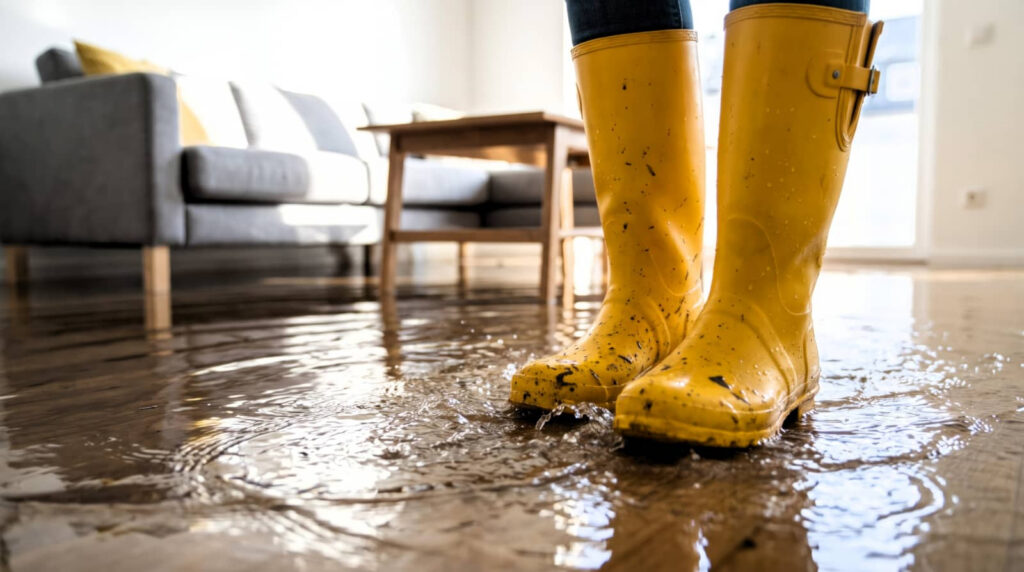
Imagine waking up to find your basement flooded, with water damaging your belongings and raising concerns about costly repairs. You might feel overwhelmed, but knowing how to navigate the recovery process can ease your stress. From documenting damage for insurance claims to exploring local grants, there are practical steps you can take. Understanding these strategies not only helps manage costs but also empowers you to tackle the situation effectively. What’s the first step you should take?
Key Takeaways
Document Damage: Take detailed photos and notes of flood damage to support insurance claims and repair negotiations, minimizing potential costs.
Prioritize Repairs: Focus on essential repairs first, such as structural issues and electrical hazards, to prevent further damage and expenses.
Explore Local Assistance: Research local grants and community resources available for flood repair assistance to reduce out-of-pocket costs.
DIY When Possible: Handle minor repairs and water removal yourself, using pumps or wet vacs, to save on labor costs.
Insurance Review: Regularly review your insurance policy to ensure adequate coverage and understand benefits available for flood damage repairs.
Understanding Your Immediate Steps After Flood Damage
After your home has experienced flood damage, it’s essential to act quickly to minimize further risks and losses.
Start by ensuring your safety; check for hazards like live wires or structural damage. If it’s safe, contact your emergency contacts, including local authorities or a trusted contractor, to assess the situation.
Follow safety protocols, like wearing protective gear and ventilating the area, to protect yourself from mold and contaminants. Document the damage thoroughly with photos for insurance claims.
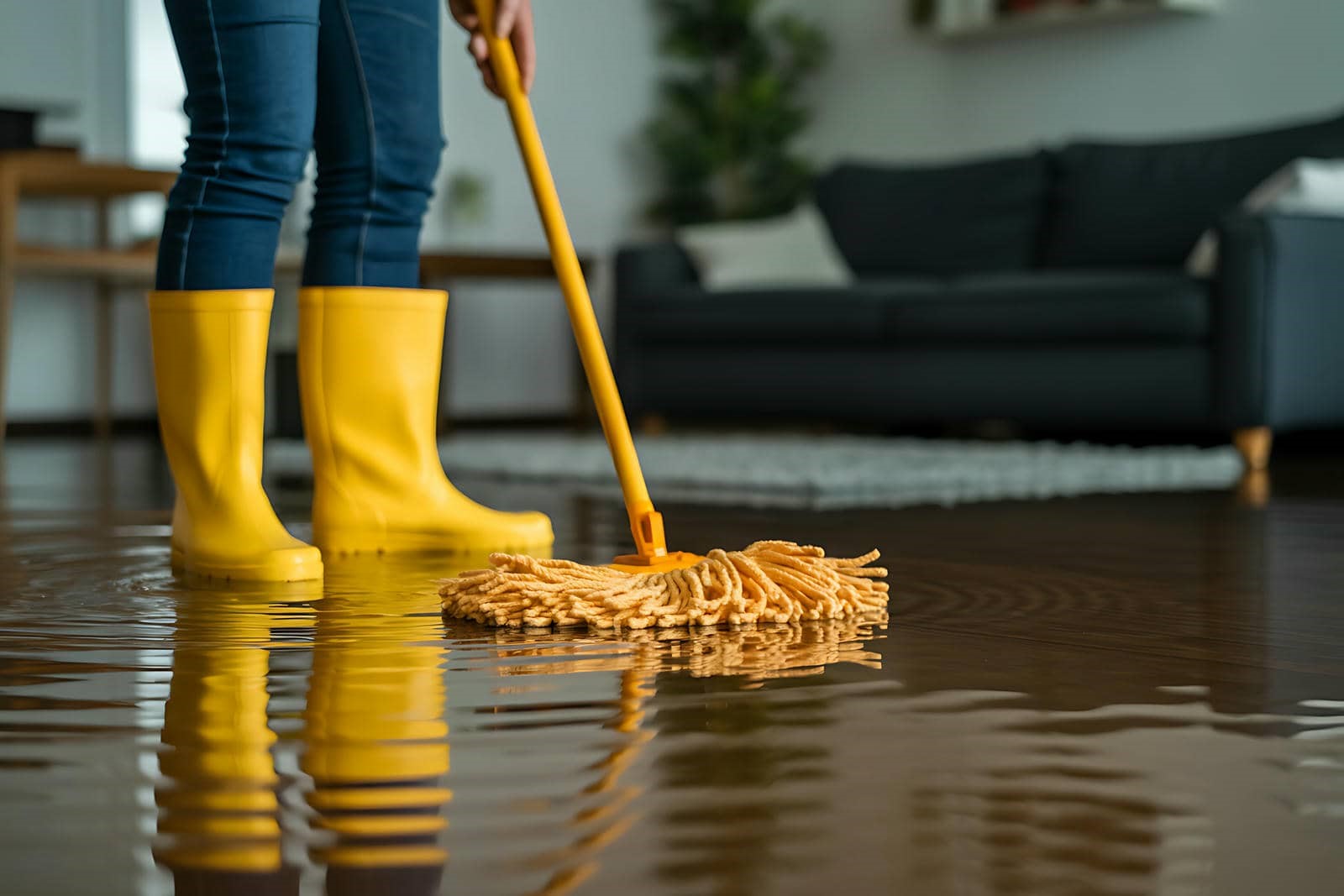
Remove standing water promptly using pumps or buckets, and begin drying affected areas to prevent further deterioration.
How to Assess Flood Damage Effectively
As you begin to assess flood damage, it’s essential to stay focused and systematic to guarantee nothing is overlooked. Start by identifying key damage indicators, such as water stains, structural cracks, or mold growth. Document these findings with photos and notes; this will help you communicate effectively with repair professionals.
Next, prioritize areas needing immediate attention to create a realistic repair timeline. Remember, some damage may be hidden, so check behind walls and under floors.
It’s vital to involve family members in the assessment process, fostering a sense of teamwork and shared responsibility. By being thorough and organized, you’ll not only expedite repairs but also secure a safer, healthier living environment for everyone involved.
What DIY Repairs Can You Do Right Now?
Once you’ve assessed the flood damage, you might feel overwhelmed, but there are several DIY repairs you can tackle immediately to mitigate further issues.
Start with effective flood cleanup techniques: remove standing water using a pump or wet vacuum.
Next, dry out affected areas with fans and dehumidifiers to prevent mold growth.
Don’t forget to use mold prevention tips, like applying a vinegar solution to surfaces prone to mildew.
If drywall is saturated, cut away damaged sections and let the area dry completely.
Finally, inspect your electrical outlets and appliances; if they’ve been submerged, it’s best to disconnect them and consult a professional.
Taking these steps can help you regain control and protect your home from future damage.
Explore Local Grants for Repairs
How can you ease the financial burden of flood repairs? One effective way is to explore local grants designed to help residents like you. Many communities offer resources that can greatly reduce your out-of-pocket expenses.
Start by visiting your local government’s website to find information on available federal assistance programs. These programs often cater specifically to flood victims, providing much-needed funds for repairs.
Additionally, reach out to community organizations that may have grants or financial assistance programs. They can guide you through the application process and help you gather necessary documentation.
Affordable Quotes From Local Flood Repair Professionals
When seeking affordable flood repair, it’s essential to compare multiple estimates from local professionals.
Understanding pricing structures can help you identify what services are included and guarantee you’re getting the best value.
Don’t forget to inquire about any available discounts that might make the repair process more manageable for your budget.
Compare Multiple Estimates
Are you overwhelmed by the aftermath of flood damage? One essential step in managing your repairs is to compare multiple estimates.
Start by gathering quotes from local flood repair professionals. This cost comparison not only helps you understand the market rates but also reveals what’s included in each service.
Pay close attention to the estimate breakdown; look for hidden fees or additional services that might inflate costs unexpectedly. By reviewing several proposals, you’ll gain a clearer picture of what’s fair and reasonable.
This process not only empowers you to make informed decisions but also fosters connections with local experts who genuinely want to help you restore your home.
Understand Pricing Structures
Understanding pricing structures is essential for managing the costs associated with flood damage repair. When you seek quotes from local professionals, look for pricing transparency. This means they should clearly outline their costs, making it easier for you to grasp what you’re paying for.
A detailed repair cost analysis can help you identify essential services versus optional extras, allowing you to prioritize your spending. Don’t hesitate to ask questions about how they derive their estimates; this not only shows your commitment to understanding but also builds trust.
Inquire About Discounts
Have you considered asking local flood repair professionals about potential discounts? Many companies offer ways to ease your financial burden through various programs.
Here are a few strategies to explore:
Check for Discount Eligibility: Ask if they’ve discounts for first-time customers, veterans, or seniors.
Inquire About Local Partnerships: Some businesses collaborate with community organizations to provide discounted rates.
Seasonal Promotions: Many services have seasonal discounts, so timing your inquiry can save you money.
Loyalty Programs: Regular customers may benefit from loyalty discounts; don’t hesitate to ask about this option.
How to Prioritize Your Repairs Smartly
When dealing with flood damage, it’s vital to assess the severity first to understand what needs immediate attention.
Focus on identifying essential repairs to prioritize your resources effectively.
Finally, consider planning for future prevention measures to minimize risks down the line.
Assess Damage Severity First
Before diving into repairs, it’s crucial to assess the severity of the flood damage to prioritize your efforts effectively.
Understanding the damage indicators and utilizing a severity scale can guide your next steps. Here’s how to assess the situation:
Visual Inspection: Look for visible water lines and structural damage.
Evaluate Materials: Determine if walls, flooring, and furnishings are salvageable.
Check for Mold: Inspect for signs of mold growth, which can pose health risks.
Assess Electrical Systems: Confirm that electrical systems are intact and safe to use.
Identify Essential Repairs Only
To effectively navigate the aftermath of flood damage, prioritizing essential repairs can prevent further complications and save you time and money.
Start by identifying the most critical issues, such as structural damage or electrical hazards. These problems pose immediate risks and should be at the top of your repair prioritization list.
Next, focus on areas that require essential materials for restoration, like flooring and drywall. Addressing these repairs first will help maintain your home’s integrity and guarantee safety for you and your family.
Remember, it’s okay to seek help from professionals who can guide you through this process.
Plan for Future Prevention
As you look to repair your home after flood damage, planning for future prevention is vital to avoid similar situations down the line.
Prioritizing your repairs smartly will create a safer environment for you and your loved ones. Here are some effective strategies:
Implement flood proofing techniques: Elevate appliances and utilities to minimize damage.
Install sump pumps: They can help manage water levels during heavy rains.
Create a thorough emergency preparedness plan: Make sure everyone knows what to do and where to go in case of flooding.
Regularly inspect drainage systems: Keep them clear to prevent blockages and backups.
Follow up With Routine Maintenance to Prevent Future Issues
While addressing flood damage is essential, maintaining your property afterward is equally important to prevent future issues.
Start by setting up a maintenance schedule that includes regular inspections of your drainage systems and sump pumps. Consider installing flood barriers and waterproofing basements to enhance protection.
Don’t forget about landscaping adjustments—proper grading can redirect water away from your home. Keep emergency kits well-stocked, making sure you’re prepared for unexpected situations.
Also, prioritize mold prevention by monitoring humidity levels and addressing leaks promptly.
Finally, schedule periodic insurance reviews to confirm your coverage aligns with your property’s needs.
Frequently Asked Questions
What Should I Do if My Insurance Claim Is Denied?
If your insurance claim’s denied, gather all claim documentation and file an insurance appeal. Clearly outline reasons for your disagreement, providing supporting evidence. Stay persistent; many claims get approved upon reevaluation. You’re not alone in this.
How Can I Find Reliable Local Flood Repair Contractors?
Finding reliable local flood repair contractors isn’t easy, is it? Start by checking contractor reviews and ask for repair estimates. Engaging with your community can also help you discover trusted professionals who understand your needs.
Are There Temporary Fixes for Severe Flood Damage?
Yes, you can implement emergency repairs like sealing leaks with tarps or using fans to dry areas. DIY solutions, such as removing soaked materials, can help mitigate damage until professional help arrives.
What Health Risks Should I Be Aware of After Flooding?
After flooding, you should prioritize flood safety by taking health precautions. Be wary of mold, contaminated water, and hazardous debris. Your health’s at risk, so stay vigilant and seek help when needed.
How Can I Prevent Mold Growth After a Flood?
To prevent mold growth after a flood, focus on moisture control. Quickly dry out affected areas, use dehumidifiers, and guarantee proper ventilation. Regularly inspect for leaks, and keep humidity levels low to maintain a healthy environment.
Final Thoughts
In the aftermath of flood damage, taking proactive steps can make a world of difference. Picture your home once chaotic with water, now a sanctuary again through careful planning and support. By documenting damage, utilizing local resources, and engaging in DIY fixes, you not only restore your space but also build resilience against future floods. Regular maintenance will keep your home safe and sound, ensuring you’re not just surviving, but thriving in your revitalized environment.