Contents
Imagine your home as a ship steering through a storm; if water breaches the hull, you’ll need to act fast to prevent it from sinking. Mold can become a hidden threat after water damage, multiplying quickly in damp environments. Understanding how to manage moisture effectively can safeguard your living space. What steps should you take immediately to ensure your home stays afloat and mold-free? The answers might surprise you.
Key Takeaways
- Remove Water Quickly: Swiftly eliminate standing water to prevent mold growth and reduce structural damage after water incidents.
- Dry Affected Areas: Use dehumidifiers to maintain indoor humidity between 30-60%, ensuring thorough drying in impacted spaces.
- Monitor Humidity Levels: Regularly check humidity with hygrometers, and take action if levels exceed 60% to prevent mold development.
- Inspect Problem Areas: Regularly examine basements, bathrooms, and kitchens for signs of moisture or mold, addressing issues promptly.
- Implement Long-Term Strategies: Use mold-resistant materials, ensure proper ventilation, and seal basements to prevent future moisture intrusion.
Why Is Mold a Concern After Water Damage?
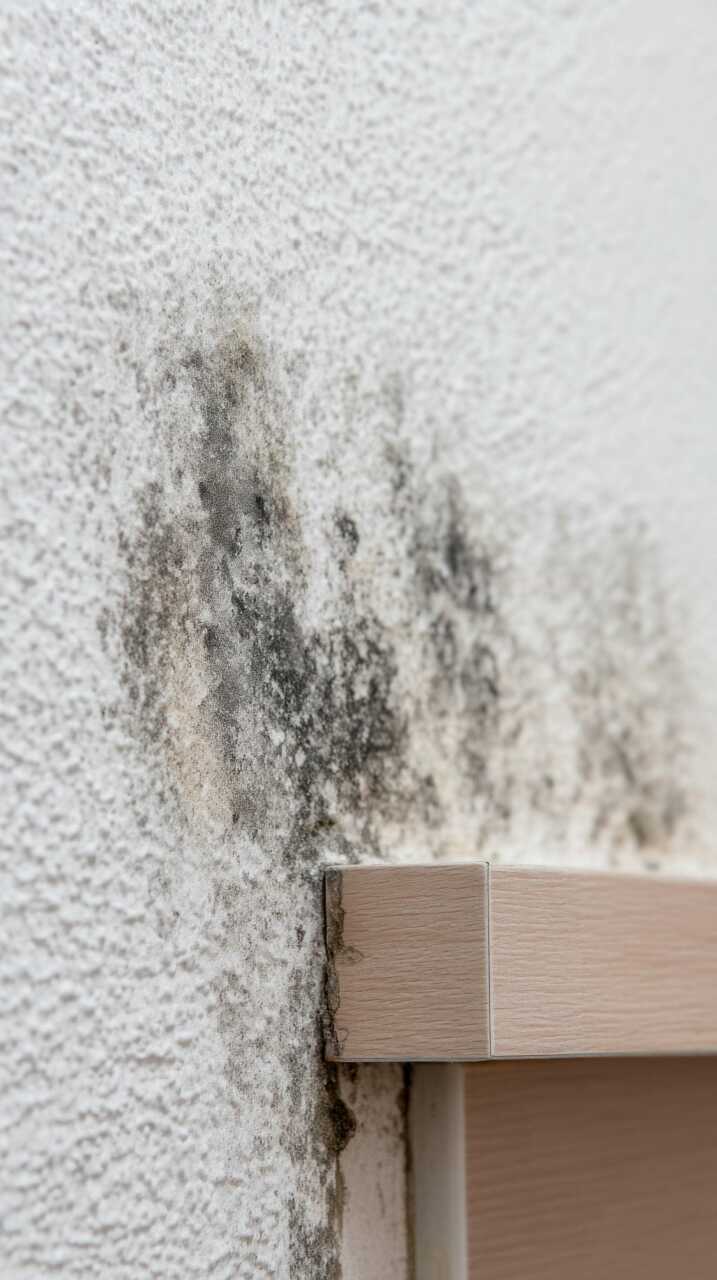
When water damage occurs, mold becomes a significant concern because it can develop quickly in damp environments. You mightn’t realize that mold can impact your health, leading to respiratory issues, allergies, and other complications.
Understanding mold health is vital, especially if you have vulnerable individuals in your home, such as children or the elderly. To combat this risk, effective mold prevention strategies are essential. This includes ensuring proper ventilation, fixing leaks promptly, and using dehumidifiers to control moisture levels.
The Importance of Immediate Water Removal
Although flooding or leaks can happen unexpectedly, the importance of immediate water removal can’t be overstated. Quick action is essential for effective water extraction and moisture control in your space.
Delaying removal can lead to significant mold growth, compromising your property and your health.
Consider these key points:
- Mold thrives in damp environments; swift removal helps prevent this.
- Water extraction reduces structural damage to your home.
- Immediate action minimizes repair costs and time.
- It helps maintain indoor air quality, promoting a healthier living environment.
- Quick moisture control reduces the risk of long-term issues.
Choosing the Right Dehumidifier for Your Space
Selecting the right dehumidifier is essential for effectively managing moisture after water damage.
You’ll need to take into account its size and capacity, as well as its energy efficiency ratings, to ensure peak performance.
Additionally, understanding maintenance and care tips will help you maximize its lifespan and effectiveness.
Size And Capacity Matters
Understanding the size and capacity of a dehumidifier is essential for effectively managing moisture levels in your space. Choosing the right model helps prevent mold growth and ensures ideal humidity control.
Here are key considerations:
Room Size: Measure the area to determine the dehumidifier’s capacity needed.
Humidity Levels: Assess the current humidity to select a unit that matches your needs.
Continuous Drainage: Opt for models with drainage options for ongoing moisture removal.
Noise Levels: Consider quieter models if the unit will be in a living area.
Portability: Choose a lightweight design if you plan to move it between rooms.
Energy Efficiency Ratings
When selecting a dehumidifier, it’s essential to evaluate its energy efficiency ratings, as these can greatly influence your utility bills and environmental footprint. A unit with a high energy-efficiency rating reduces costs and improves air quality by effectively managing humidity levels.
Choosing a dehumidifier with a better rating can keep your space comfortable while safeguarding against mold growth, ensuring a healthier environment for you and your loved ones.
Maintenance And Care Tips
Selecting a dehumidifier with a high energy efficiency rating is just the first step; proper maintenance and care greatly enhance its performance and longevity.
To ensure your dehumidifier effectively combats moisture and helps prevent mold growth, follow these essential tips:
- Use mold resistant materials in your home to minimize moisture retention.
- Schedule regular inspections of your dehumidifier to check for dust and dirt buildup.
- Empty the water collection bucket frequently to maintain efficiency.
- Clean the air filter monthly to ensure ideal airflow.
- Monitor humidity levels regularly to adjust settings as needed.
How to Dry Out Affected Areas Effectively
To effectively dry out affected areas, you need to utilize dehumidifiers efficiently and boost air circulation.
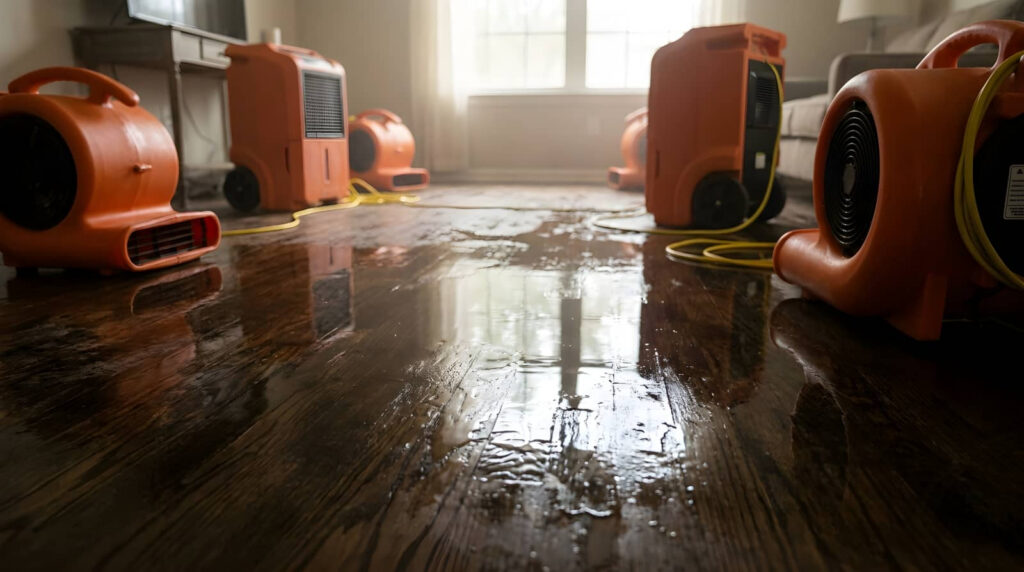
Set your dehumidifiers to the ideal humidity levels and position fans to promote airflow, which helps speed up the drying process.
Use Dehumidifiers Efficiently
Using dehumidifiers efficiently can considerably accelerate the drying process in areas affected by water damage.
To optimize moisture control, follow these guidelines:
Set the right dehumidifier settings: Choose a low humidity level, ideally between 30-60%.
Position strategically: Place dehumidifiers in the most affected areas for maximum impact.
Empty tanks regularly: Confirm the dehumidifier operates continuously by clearing tanks as needed.
Utilize multiple units: In larger spaces, multiple dehumidifiers can enhance drying efficiency.
Monitor humidity levels: Use a hygrometer to track progress and adjust settings accordingly.
Increase Air Circulation
After optimizing dehumidifier use, boosting air circulation can further enhance the drying process in water-damaged areas.
Start by strategically placing fans to create natural airflow, directing them toward damp spots. Adjust windows for ideal ventilation, allowing fresh air to replace humid air.
If you have a ventilation system, make sure it’s running efficiently to control humidity levels. Incorporating air purifiers can also help by filtering out excess moisture and allergens.
Consider adding indoor plants that naturally absorb humidity, contributing to a healthier environment.
Finally, check your thermal insulation; maintaining it can prevent moisture buildup.
Effective Ventilation Methods for Mold Prevention
Effective ventilation is crucial for preventing mold growth, especially in spaces affected by water damage.
By implementing proper airflow strategies, you can greatly reduce moisture levels and create an inhospitable environment for mold.
Consider the following methods to enhance your ventilation systems:
- Use exhaust fans in bathrooms and kitchens to expel humid air.
- Open windows regularly to promote natural airflow.
- Install air purifiers with HEPA filters to capture mold spores.
- Utilize dehumidifiers to maintain ideal humidity levels.
- Make sure vents are unobstructed and clean to maximize airflow.
Cleaning Surfaces to Prevent Mold Growth After Water Exposure
To prevent mold growth after water exposure, it’s essential to clean affected surfaces promptly and thoroughly.
Start by identifying all surface materials that might’ve absorbed moisture, such as wood, drywall, or fabric. Use appropriate cleaning products, like a mixture of water and detergent, to scrub these areas.
For porous materials, consider using specialized mold-killing solutions to ensure deep penetration. Pay attention to corners and hidden spots, as mold can thrive in overlooked areas.
After cleaning, dry the surfaces completely, as moisture encourages mold development. Regularly inspect these surfaces to catch any early signs of mold.
Signs You Need Professional Help for Mold?
Even with thorough cleaning, some situations may require professional intervention to tackle mold issues effectively. Recognizing these signs can save you from costly damage and health risks.
Here are key indicators that you need professional help:
- Persistent musty odors despite cleaning
- Visible mold growth exceeding 10 square feet
- Recent water damage from flooding or leaks
- Health issues like respiratory problems in occupants
- Difficulty using mold identification techniques on your own
If you encounter any of these signs, it’s wise to consult professionals who follow established professional assessment guidelines.
Early intervention can mitigate further damage and ensure a safe environment for you and your family. Don’t hesitate to seek help when needed; your health and home depend on it.
How to Monitor Humidity to Prevent Mold
Monitoring humidity is essential for preventing mold growth, especially in areas prone to moisture. You should aim to maintain indoor humidity levels between 30% and 60%.
To achieve this, invest in reliable monitoring tools like hygrometers, which provide accurate readings of humidity levels in your home. Regularly check these readings, particularly after any water damage incidents.
If you notice levels exceeding 60%, take action by using dehumidifiers or improving ventilation. Additionally, keep an eye on areas like basements and bathrooms, where moisture tends to accumulate.
By proactively monitoring humidity, you protect your home and create a healthier living environment for yourself and your loved ones.
Long-Term Mold Prevention Strategies for Common Problem Areas
While it may seem challenging to prevent mold growth in problem areas, implementing targeted long-term strategies can greatly reduce your risk.
Focusing on specific zones, like basements and crawl spaces, is essential. Here are key steps you can take:
- Invest in basement sealing to prevent moisture intrusion.
- Use vapor barriers on walls and floors to minimize humidity.
- Ensure proper ventilation in areas like bathrooms and kitchens.
- Opt for furniture protection, using mold-resistant materials for furnishings.
- Regularly inspect and maintain roofing and plumbing to avoid leaks.
Frequently Asked Questions
How Quickly Can Mold Start Growing After Water Exposure?
Mold can start growing within 24 to 48 hours after water exposure. To avoid this, focus on quick water damage prevention measures, as timely action greatly shortens the mold growth timeline and keeps your space safe.
Can I Use Bleach to Kill Mold Effectively?
You can use bleach for mold removal, but its effectiveness is limited. While it kills surface mold, it doesn’t penetrate porous materials. Consider using specialized mold removers for deeper infestations to ensure complete eradication.
What Materials Are Most Susceptible to Mold Growth?
Wood, especially in damp basements, is highly susceptible to mold growth. You’ll want to implement moisture control techniques and mold prevention strategies, ensuring proper ventilation and reducing humidity to protect your spaces effectively.
Are There Specific Plants That Help Reduce Indoor Humidity?
Yes, humidity-loving plants like peace lilies and spider plants improve indoor air quality. They naturally absorb moisture, helping to regulate humidity levels and create a more comfortable living environment for you and your loved ones.
How Do I Identify Hidden Mold in My Home?
To identify hidden mold in your home, look for dark spots, musty odors, or water stains. Employ mold detection techniques like moisture meters and infrared cameras to uncover hidden growth, ensuring a safe, welcoming environment for everyone.
Wrap-Up
Taking swift action after water damage is essential to prevent mold growth. Did you know that mold can start developing within 24 to 48 hours of water exposure? By promptly removing standing water, using dehumidifiers, and ensuring proper ventilation, you can greatly reduce the risk of mold. Regular monitoring and maintenance of humidity levels will further safeguard your home, creating a healthier living environment and protecting your investment in the long run.