Contents
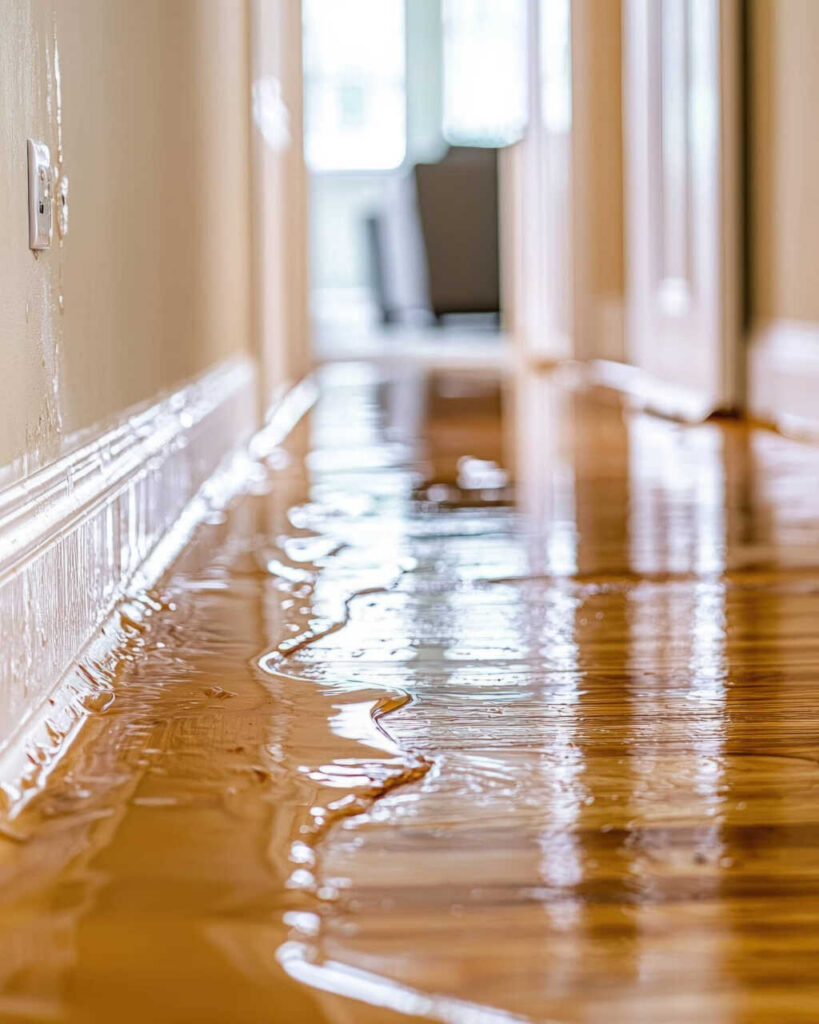
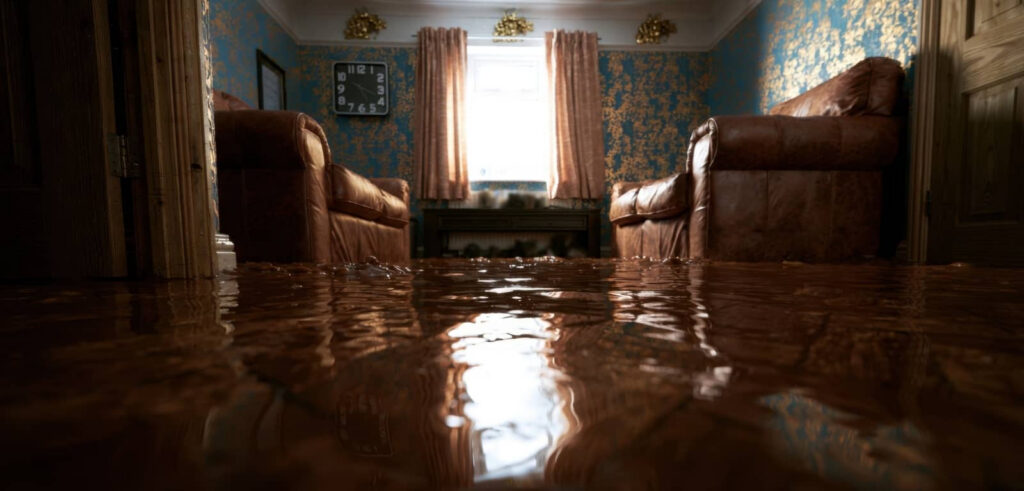
Water damage can feel like Pandora’s box, opening the door to mold and other issues if not addressed promptly. You need to act quickly to prevent mold growth, as it can start within 24 to 48 hours. Understanding the severity of the damage is essential, and knowing what steps to take next will determine your success. Let’s explore effective techniques to manage the situation and safeguard your environment.
Key Takeaways
- Act quickly to dry affected areas within 24 to 48 hours using dehumidifiers and ventilation to prevent mold growth.
- Identify and fix the water source to stop further damage and moisture accumulation.
- Conduct a thorough inspection for hidden moisture and document findings for effective remediation.
- Clean moldy surfaces with a mild detergent or specialized cleaner, rinsing and drying them completely.
- Consider professional mold remediation services for extensive growth or recurring issues to ensure thorough removal.
Understanding Mold Growth After Water Damage
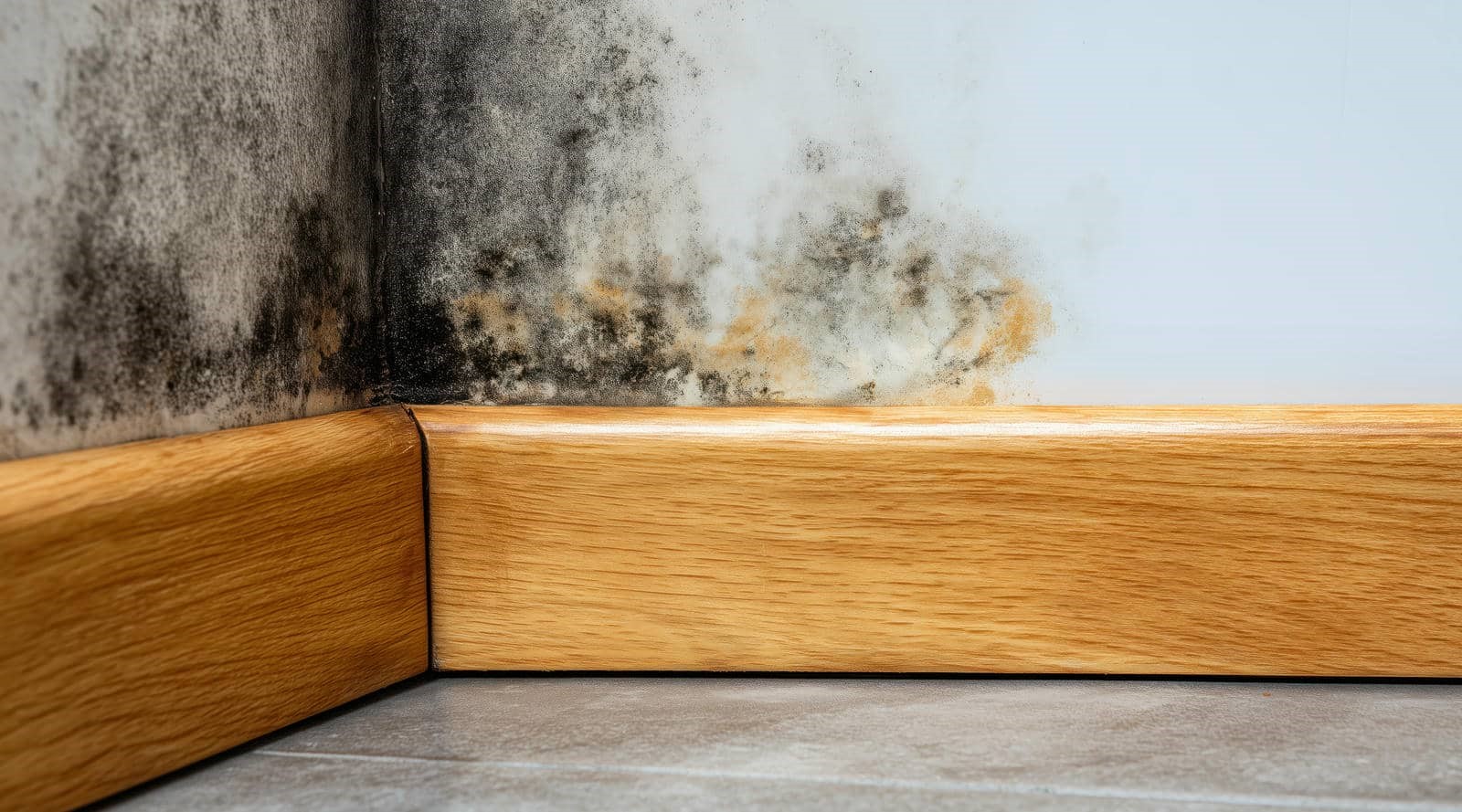
When water damage occurs, understanding mold growth is crucial, as it can start within 24 to 48 hours. Mold thrives in damp environments, making moisture sources like leaks, flooding, or high humidity critical factors in its lifecycle. The spores can quickly colonize surfaces, feeding on organic materials such as wood, drywall, and carpet.
To prevent mold proliferation, you must address moisture sources immediately. Remove standing water, dry affected areas, and ensure proper ventilation.
Remember, mold can spread rapidly, so time is of the essence. Regularly inspect your home for hidden moisture pockets, especially in basements and attics.
Evaluating Water Damage Severity
To effectively evaluate water damage severity, start with a thorough visual inspection of the affected areas.
Look for signs of discoloration, warping, or peeling materials, as these indicate the extent of damage.
Next, assess the materials involved, determining which can be salvaged and which need replacement to prevent mold growth.
Visual Inspection Techniques
As you begin your visual inspection for water damage, recognizing the signs of severity is essential to preventing mold growth.
Start with a detailed inspection checklist, noting visual cues like discoloration, bubbling paint, or warped materials. These are strong mold indicators.
Use moisture detection tools to assess hidden areas, such as behind walls or under carpets. Pay close attention to growth patterns; mold thrives in damp environments and can spread rapidly.
Document your findings with a thorough visual assessment, ensuring you capture all affected areas.
Assessing Affected Materials
After completing your visual inspection, it’s time to assess the affected materials to evaluate the severity of water damage.
Start by identifying material types—like drywall, wood, and carpet—since each reacts differently to moisture. Conduct a damage assessment by checking for warping, discoloration, or softness.
These indicators help determine how saturated the materials are and their potential for mold growth. Consider mold resistance; some materials, like treated wood, may withstand moisture better than others.
Use appropriate restoration techniques, like drying or replacing severely damaged components, to mitigate future mold issues.
Understanding these factors empowers you to make informed decisions, ensuring a thorough and effective recovery process for your home.
What to Do Immediately After Water Damage?
After water damage occurs, your first priority is safety; turn off the electricity in affected areas to prevent shock.
Next, identify the source of the water to stop any ongoing damage, whether it’s a burst pipe or an external leak.
Once you’ve addressed these critical steps, you can begin evaluating the extent of the water intrusion.
Safety First Measures
When faced with water damage, prioritizing safety is vital to prevent further risks and health hazards. Start by wearing protective gear, such as gloves, masks, and waterproof boots, to shield yourself from contaminants. Make sure the area is safe; if electrical hazards exist, turn off the power before entering.
Here are immediate safety measures to take into account:
| Action | Description | Importance |
|---|---|---|
| Wear Protective Gear | Use gloves, masks, and boots | Prevents exposure to toxins |
| Maintain Ventilation | Open windows and doors for airflow | Reduces mold growth |
| Turn Off Power | Shut off electrical systems if necessary | Avoids electrical hazards |
These steps are vital for your safety and should be part of your emergency response plan.
Identify Water Source
Identifying the source of water damage is critical to preventing further issues, including mold growth. Start with a thorough moisture assessment to pinpoint water sources.
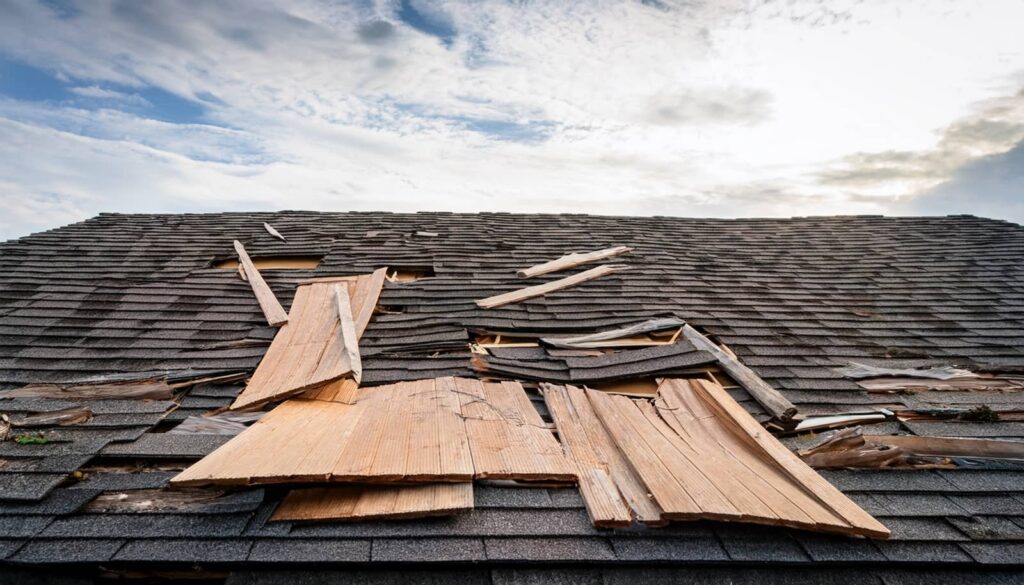
Check for roof leaks, which can lead to significant interior damage. Conduct a plumbing inspection to rule out appliance failures or pipe leaks.
Don’t overlook basement issues, as improper drainage solutions can exacerbate water problems. Pay attention to external factors like soil moisture and landscape grading that may contribute to water intrusion.
Utilizing effective leak detection methods will help you address these issues promptly.
Effective Techniques for Drying Affected Areas
Effective drying techniques are vital in preventing mold growth after water damage. Start by adjusting your dehumidifier settings to the ideal level, usually between 30-60% humidity. This helps extract moisture efficiently.
Next, implement effective ventilation strategies; open windows and use fans to enhance air circulation. If possible, direct airflow towards damp areas to expedite drying.
Consider using specialized drying equipment, like air movers, which can greatly increase evaporation rates. Monitor the affected areas regularly, checking for any lingering moisture.
It’s important to act quickly, as mold can begin to develop within 24-48 hours. By following these methods, you’ll create a safer, healthier environment for yourself and your loved ones.
How to Clean Moldy Surfaces Effectively
After confirming that the affected areas are thoroughly dried, it’s time to tackle any mold growth on surfaces.
Start with proper surface preparation: wear protective gear, including gloves and a mask, to safeguard yourself.
Use mold cleaning techniques like a mixture of water and mild detergent or a specialized cleaner. Apply the solution with a scrub brush or sponge, focusing on the moldy areas.
Be thorough, scrubbing gently but firmly to lift the mold without damaging the surface. Rinse the area well with clean water and dry it completely to prevent future growth.
Remember, consistency is key—check these surfaces regularly to catch any early signs of mold before they spread.
You’re taking essential steps to confirm a safe, healthy environment.
Best Mold Removal Products for Effective Mold Growth Control
When it comes to tackling mold growth, choosing the right products can make all the difference.
Employing effective mold removal techniques eliminates existing mold and helps prevent its return. Here are some of the best mold removal products you should consider:
White Vinegar: A natural, eco-friendly option that kills most mold species.
Baking Soda: Absorbs moisture and fights mold without harsh chemicals.
Hydrogen Peroxide: A potent disinfectant that penetrates porous surfaces.
Tea Tree Oil: An excellent eco-friendly antifungal agent.
Commercial Mold Removers: Look for products labeled as eco-friendly for effective results.
These choices offer you practical solutions while ensuring a safe environment for you and your family.
Choose wisely to keep mold at bay!
When to Call in Professional Mold Remediation Services?
Mold removal products can handle minor infestations, but certain situations demand the expertise of professional mold remediation services.
If you discover extensive mold growth—covering more than 10 square feet—or if you suspect mold is affecting your indoor air quality, it’s time to call in the pros. This is essential for your mold health and the well-being of everyone in your home.
Additionally, if you’ve experienced significant water damage or if mold returns after your efforts, professional intervention may be necessary.
While remediation costs can vary, investing in expert services ensures thorough removal and long-lasting prevention.
Don’t compromise your health; when in doubt, reach out to specialists who can provide tailored solutions for your specific situation.
Strategies to Prevent Future Mold Growth
To effectively prevent future mold growth, it’s crucial to address moisture control throughout your home.
Implementing the right preventive measures can make a significant difference.
Consider these long-term strategies:
- Ensure proper ventilation in bathrooms and kitchens.
- Fix leaks promptly to reduce water accumulation.
- Use dehumidifiers in damp areas like basements.
- Opt for mold-resistant materials during renovations.
- Regularly clean and inspect gutters and downspouts.
Monitoring Humidity Levels in Your Home
Ideally, you should maintain indoor humidity between 30% and 60%, as this range inhibits mold spores from thriving.
Utilize tools like hygrometers and dehumidifiers to effectively manage and track humidity levels in your living space.
Importance Of Humidity Control
While it might seem easy to overlook, maintaining ideal humidity levels in your home is essential for preventing mold growth after water damage. Effective humidity control mitigates mold risks and enhances your living environment.
Here are some humidity control benefits and monitoring techniques you should consider:
- Reduces the growth of mold and mildew
- Improves indoor air quality
- Increases comfort levels for you and your family
- Protects your home’s structure and belongings
- Saves on energy costs by optimizing HVAC performance
Ideal Humidity Levels
How can you ensure your home maintains ideal humidity levels? Start by aiming for a range between 30% and 60%. This balance prevents mold growth while securing comfort.
Use hygrometers to monitor these levels regularly, as fluctuations can lead to moisture buildup. During humid months, employ dehumidifiers for effective humidity control, especially in basements and bathrooms.
Conversely, in dry seasons, consider humidifiers to avoid overly dry air, which can also lead to issues. Keep windows closed during high-humidity days and ensure proper ventilation in your home.
Tools For Monitoring
Regularly evaluating humidity levels in your home is essential for preventing mold growth. By using the right tools, you can effectively monitor and control moisture.
Consider incorporating the following devices into your routine:
Digital hygrometers: Measure humidity accurately and help you maintain ideal levels.
Humidity sensors: Provide real-time data, alerting you when conditions are ripe for mold.
Moisture meters: Detect moisture in walls and floors, identifying potential problem areas.
Infrared cameras: Reveal hidden moisture sources that could lead to mold issues.
Temperature monitors: Help you understand how temperature influences humidity and air quality.
Routine Maintenance to Prevent Mold Growth
To effectively prevent mold growth, you must establish a routine maintenance schedule that addresses moisture control and cleanliness in your home.
Start with regular inspections to identify potential problem areas, ensuring your preventive measures are proactive. Implement effective ventilation strategies in bathrooms and kitchens to reduce humidity levels.
During seasonal upkeep, check and maintain moisture barriers in basements and crawlspaces to prevent leaks. Adopting thorough cleaning protocols will eliminate dust and organic matter that mold thrives on.
Schedule routine checks for plumbing and roofing to catch issues early. By consistently following this maintenance schedule, you’ll create an environment that discourages mold growth, fostering a healthier living space for you and your loved ones.
Frequently Asked Questions
Can Mold Grow in Walls Without Visible Water Damage?
Yes, mold can grow in walls without visible water damage. You should implement mold prevention strategies and regularly use wall moisture detection tools to identify hidden moisture sources, ensuring a healthier environment for everyone.
How Long Does It Take for Mold to Appear After Water Damage?
After water damage, mold can appear within 24 to 48 hours, depending on various factors like humidity and temperature. Understanding this mold growth timeline is essential for effective prevention and ensuring a safe environment.
Is It Safe to Stay in a Home With Mold?
Staying in a home with mold isn’t safe. Certain mold types can cause health issues. Prioritize mold prevention measures, address moisture sources, and seek professional help to ensure your environment remains healthy and welcoming.
Can Mold Exposure Cause Health Issues?
Mold exposure can lead to serious health risks, including respiratory issues and allergic reactions. You might experience mold symptoms like coughing or skin irritation, impacting your well-being. It’s essential to address mold promptly for your health.
What Are the Signs of Hidden Mold in a Home?
Look for musty odors, discoloration on walls, or unusual water stains. Use mold detection methods like moisture meters to identify hidden moisture sources, ensuring you address potential mold growth before it affects your home and health.
Summary
Addressing mold growth after water damage is essential for your health and home. By acting swiftly to dry affected areas, cleaning surfaces properly, and maintaining humidity levels between 30-60%, you can greatly reduce the risk of mold. Stay vigilant with regular inspections and preventative measures to ensure a safe, mold-free environment for you and your family.