Contents
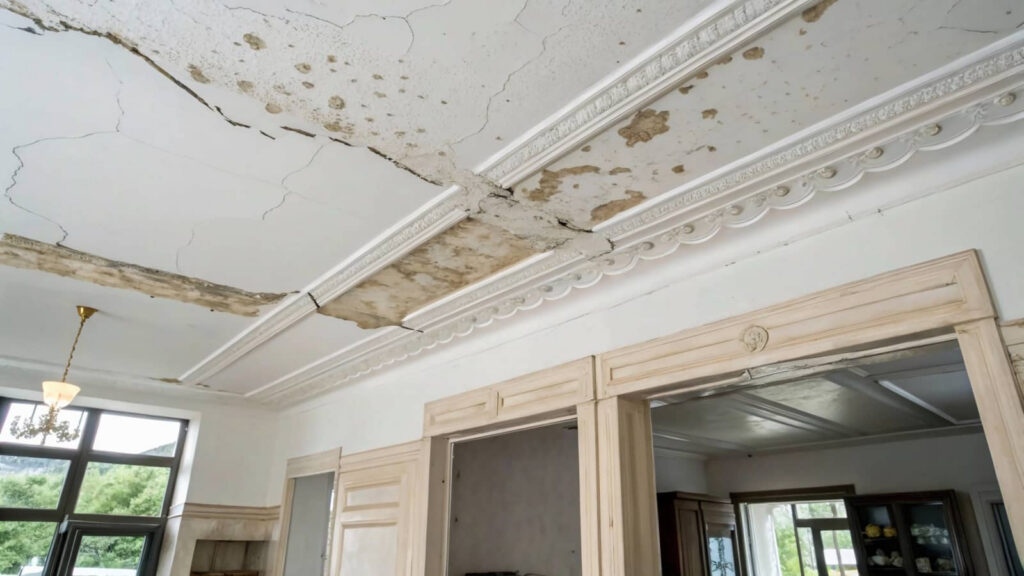
When a homeowner discovers water stains on their ceiling, it’s often a sign of underlying roof issues. Water Damage Roof Repair starts with assessing the damage severity, checking for leaks and structural integrity. It’s also essential to select durable materials for repairs and consider hiring certified professionals. Understanding the costs involved can save you from unexpected expenses. But what common mistakes do you need to avoid to ensure a successful repair?
Key Takeaways
- Inspect for visible water stains, missing shingles, or mold in the attic to identify areas needing repair.
- Assess the severity of damage to determine if minor issues can be monitored or if professional help is required.
- Choose durable, weather-resistant materials like asphalt or metal roofing for effective long-term repairs.
- Hire certified professionals to ensure compliance with industry standards and identify hidden issues.
- Implement preventive measures, such as regular inspections and proper drainage, to avoid future water damage.
How to Identify and Fix Water Damage on Your Roof
Identifying and fixing water damage on your roof is essential for maintaining your home’s integrity.
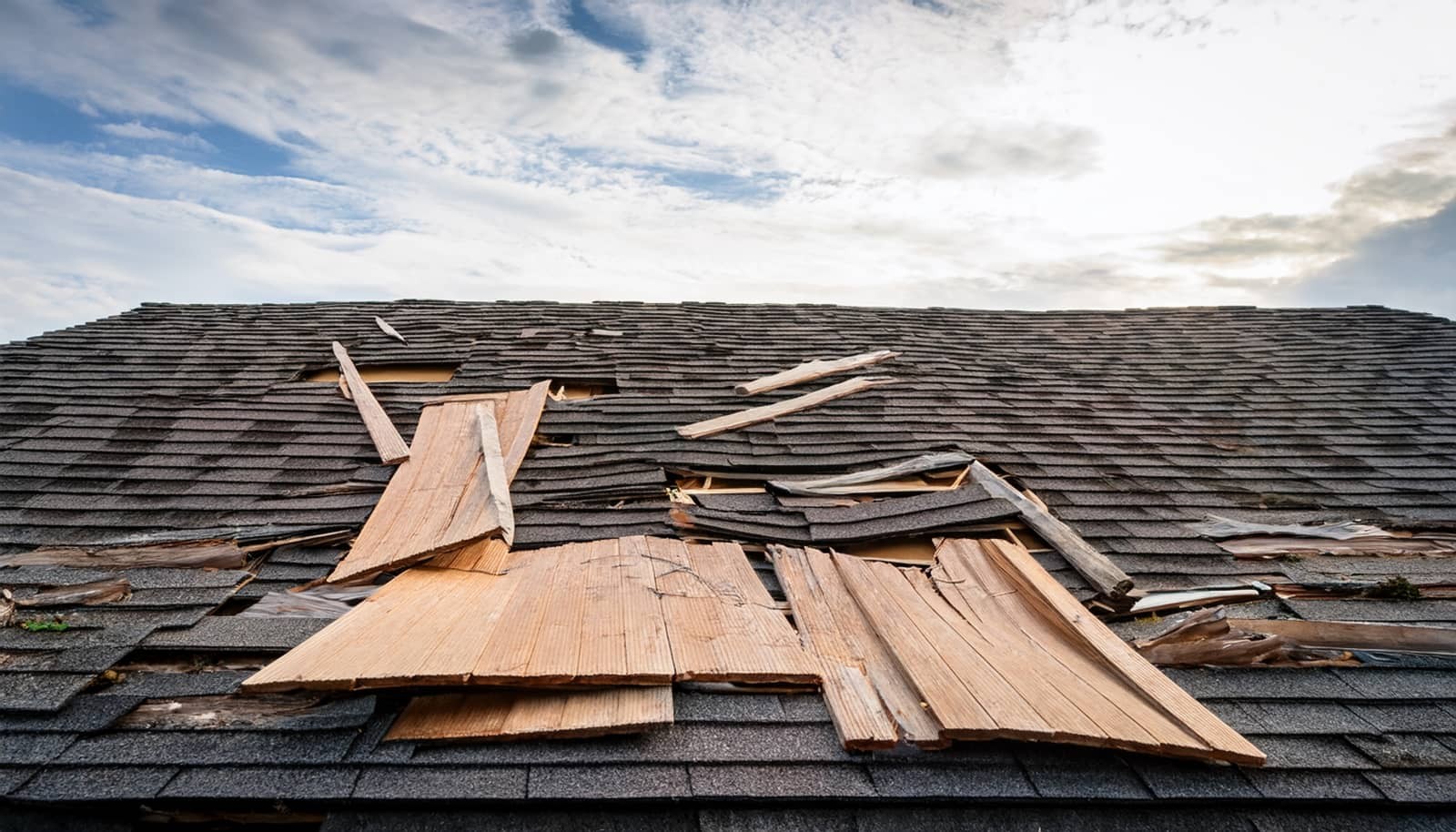
Start with leak detection; inspect for water stains on ceilings or walls, as these often indicate roof issues. Look for missing or damaged shingles, which can allow water to penetrate.
Check your attic for signs of moisture, mold, or insulation issues. If you notice wet insulation, it’s a clear sign of a leak. Use a moisture meter to pinpoint problem areas accurately.
Once you’ve identified the damage, repair or replace affected shingles, and ensure proper sealing around vents and chimneys.
Don’t overlook the importance of regular inspections to prevent future problems and maintain a safe, comfortable home for you and your loved ones.
Evaluating Water Damage Severity
After pinpointing signs of water damage, the next step is to evaluate its severity. Start by inspecting the extent of water stains on ceilings and walls. Identify leak sources, as this helps determine whether the damage is minor or significant.
| Severity Level | Indicators | Recommended Action |
|---|---|---|
| Minor | Small water stains | Monitor and repair leaks |
| Moderate | Larger stains, peeling | Assess structure, repair |
| Severe | Mold, sagging ceilings | Immediate professional help |
Choosing Materials for Water Damage Roof Repair
When choosing materials for water damage roof repair, you need to prioritize durability and weather resistance.
Selecting high-quality materials ensures your roof can withstand harsh conditions and prevent future leaks.
Evaluate options like asphalt shingles or metal roofing to find the best fit for your specific climate and needs.
Material Durability Considerations
Choosing the right materials for water damage roof repair is essential, especially since the durability of your roofing system directly impacts its long-term performance. The material types you select should balance cost and longevity factors to ensure a reliable repair. Consider options like asphalt shingles, metal, or clay tiles, each with unique benefits and lifespan expectations.
| Material Type | Longevity (Years) |
|---|---|
| Asphalt Shingles | 15-30 |
| Metal Roofing | 40-70 |
| Clay Tiles | 50+ |
| Synthetic Slate | 30-50 |
| Wood Shakes | 20-30 |
Weather Resistance Options
While evaluating materials for water damage roof repair, it’s essential to prioritize weather resistance to ensure the longevity and integrity of your roof.
Consider using weatherproof membranes, which provide a robust barrier against moisture intrusion, effectively protecting underlying structures. These membranes are designed to withstand harsh weather conditions and can greatly reduce the risk of leaks.
Additionally, implementing proper drainage solutions is vital; they help channel water away from your roof, preventing pooling and subsequent damage.
Investing in high-quality materials not only enhances your roof’s performance but also fosters a sense of community, as you’re ensuring your home remains a safe haven for you and your family.
Choose wisely, and your roof will serve you well for years to come.
Why Hiring Certified Water Damage Experts Matters
Hiring certified water damage experts is essential because they possess the specialized knowledge and tools necessary to effectively assess and mitigate damage. Their certification benefits you by ensuring they adhere to industry standards, providing peace of mind. With expert knowledge, they can identify hidden issues that might lead to bigger problems down the line.
| Aspect | Importance |
|---|---|
| Expert Assessment | Accurate identification of damage |
| Advanced Techniques | Effective mitigation and restoration |
| Safety Compliance | Adhering to regulations and best practices |
How to Assess Roof Repair Costs
Understanding the costs associated with roof repair is essential for homeowners facing water damage. Start by getting a detailed cost estimation from a certified contractor. This includes labor, materials, and any necessary permits.
Don’t forget to factor in the extent of the damage; more severe issues will likely increase costs considerably.
Before you proceed, check your insurance coverage. Many policies cover a portion of roof repair costs, but specifics vary widely. Document the damage thoroughly, as this can help during the claims process.
Engaging with your insurance agent can clarify what’s covered, ensuring you’re not caught off guard.
Common Mistakes to Avoid in Roof Repairs
When tackling roof repairs, it’s vital to avoid common pitfalls that can exacerbate the problem or lead to additional costs. One major mistake is neglecting leaky gutters; they can direct water back onto your roof, worsening existing damage. Confirm your gutters are clean and functioning correctly.
Another common error is using improper flashing during repairs. Flashing is essential for sealing joints and preventing water intrusion, so make certain it’s installed correctly to avoid future leaks.
Additionally, skipping proper inspections can lead to overlooking underlying issues. Always take the time to assess the entire roof system, including shingles and underlayment, to ensure a thorough repair.
Should You Repair or Replace Your Roof?
After addressing common mistakes in roof repairs, you might find yourself wondering whether to repair or replace your roof altogether. Evaluating the roof lifespan and looking for replacement signs can guide your decision. If your roof is nearing the end of its lifespan, replacement may be more cost-effective in the long run.
| Factors | Repair | Replace |
|---|---|---|
| Cost | Lower upfront | Higher upfront |
| Lifespan Extension | Limited | Significant |
| Damage Severity | Minor issues | Major issues |
| Long-term Investment | Short-term fix | Long-term value |
| Warranty | Limited | Extensive |
Consider these factors carefully. Your roof protects your home; making the right choice can save you stress and money.
Tips for Preventing Future Roof Water Damage
To keep your roof in top condition and minimize the risk of water damage, regular maintenance is essential.
Start with routine inspections, checking for loose shingles or cracks that could allow water in. Clean gutters and downspouts to ensure proper drainage; clogged systems can lead to overflow and leaks.
Consider insulation upgrades to prevent condensation buildup in your attic, which can weaken your roof structure. Additionally, sealing any gaps around vents and chimneys can stop water intrusion.
Don’t forget to trim overhanging branches that may damage your roof during storms.
Frequently Asked Questions
How Long Does a Typical Roof Repair Take?
A typical roof repair takes one to three days, but your roof repair timeline can vary. Factors influencing duration include damage extent, weather conditions, and contractor availability. Communicate with your contractor for a more accurate estimate.
What Signs Indicate Mold Growth After Water Damage?
You’ll notice signs of mold growth, like musty odors, discoloration, or water stains. Recognizing mold types—like black mold—is essential. Implementing prevention methods, such as proper ventilation and moisture control, helps safeguard your space effectively.
Can I File an Insurance Claim for Roof Repairs?
Yes, you can file an insurance claim for roof repairs. Review your insurance coverage, gather documentation, and follow the claim process. Ensuring you meet deadlines and provide necessary information will strengthen your case.
Are DIY Repairs Safe for Water-Damaged Roofs?
DIY repairs can be safe if you follow proper roof repair techniques and adhere to DIY safety guidelines. Always assess the damage carefully and wear appropriate safety gear to minimize risks while working on your roof.
How Often Should I Inspect My Roof for Damage?
Think of your roof as your home’s crown; it deserves regular care. Inspect it twice a year using a detailed inspection checklist. This roof maintenance habit ensures you catch damage early, keeping your home safe and sound.
Final Thoughts
In the quest to safeguard your home, treating your roof like a sturdy umbrella is key. Just as an umbrella shields you from rain, your roof must stand resilient against water damage. By recognizing the signs, choosing durable materials, and enlisting certified experts, you’re not just fixing a problem; you’re fortifying your sanctuary. Remember, proactive measures are like a waterproof coating—essential for long-term protection. Embrace vigilance, and you’ll keep the storms at bay.