Contents
If you’re dealing with water damage, top-rated experts are the certified pros who can assess the loss fast, stop further spread, and start drying with the right tools. You’ll want a team that uses moisture meters, infrared cameras, and proven cleanup methods, because hidden damage can grow quickly. The next step is knowing how they work, what to watch for, and when a home needs help right away.
Key Takeaways
- Top-rated water damage experts provide fast emergency response, shut off hazards, and document damage for insurance claims.
- They inspect thoroughly, locate leaks, and use moisture meters or infrared cameras to find hidden water damage.
- They perform water extraction, structural drying, and dehumidification to prevent mold and further deterioration.
- They explain drying goals, repair plans, antimicrobial options, timelines, and pricing clearly in writing.
- They are certified, insured, locally reviewed, and follow industry best practices for safe, reliable restoration.
What Should You Do After Water Damage?
If water damage strikes, act quickly to limit further harm. First, shut off the source if you can do so safely, then cut electricity to affected areas.
Contact a trusted team for emergency response so you’re not handling the crisis alone. Next, document everything with photos and brief notes; this helps support insurance claims and speeds the review process.
Move valuables, important papers, and electronics to a dry space. Open doors or windows if conditions allow, but don’t use fans near standing water if electrical hazards exist.
Stay out of contaminated water and keep children and pets away. Then call your insurer, report the loss, and follow their instructions.
You’re part of a community that knows quick, careful action protects your home.
How Water Damage Cleanup Works
Water damage cleanup starts with a thorough inspection so technicians can identify the water source, assess the damage category, and map out what needs immediate attention.
You’ll then get an emergency response that secures the area, limits further spread, and protects your home’s structure.
Next comes water extraction, using pumps and vacuums to remove standing moisture fast.
After that, crews place air movers and dehumidifiers to dry materials to safe levels.
They’ll monitor readings, document progress, and adjust equipment as conditions change.
If any materials can’t be salvaged, they’ll remove them cleanly and prepare the space for repairs.
Throughout the process, you’ll know what’s happening and why, so you can feel informed, supported, and part of a team focused on restoring your space.
Signs You Need Restoration Right Away
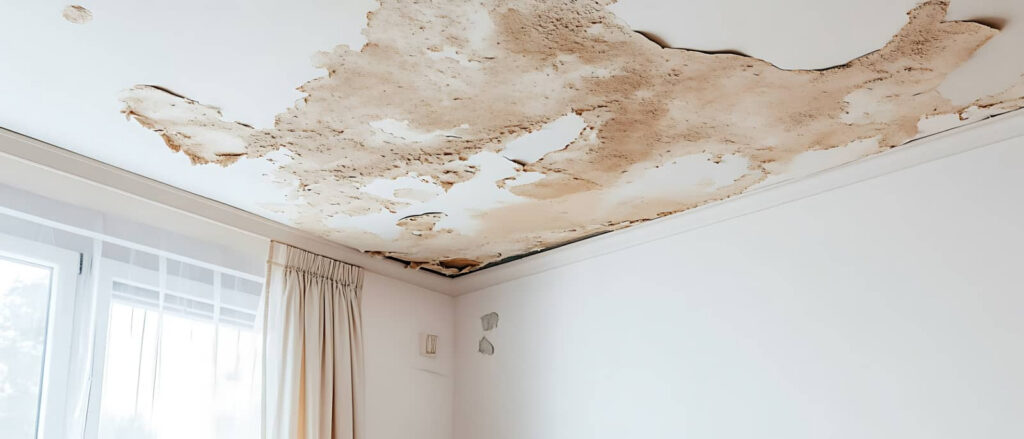
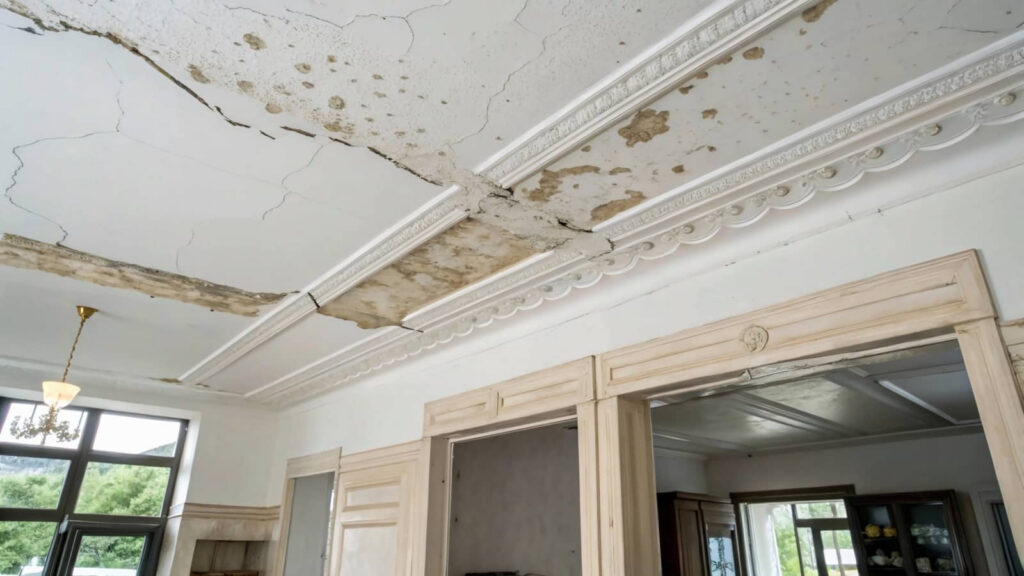
If you see visible water stains on walls, ceilings, or floors, you should treat them as an early warning sign that moisture is still present.
If you notice mold growth or musty odors, you’re likely facing active contamination that can spread quickly and damage materials further.
Acting right away helps you limit structural harm and restore a safe indoor environment.
Visible Water Stains
A single yellow-brown stain on your ceiling or wall can signal an active leak that’s already damaging building materials. You shouldn’t wait for it to fade or spread.
Top-rated water damage experts inspect the area, trace water stain causes, and stop the source before the damage reaches insulation, drywall, or framing. They also measure moisture so you know whether the stain is old, recurring, or still active.
Quick stain removal alone won’t solve the problem if water keeps entering the structure. When you act fast, you protect your home, your routine, and your peace of mind.
You’re not dealing with this alone—experienced restorers guide you through drying, repairs, and cleanup with clear updates and steady support.
Mold And Odors
When musty odors or visible mold show up after a leak, moisture is usually still trapped in hidden materials. You need restoration right away because spores spread quickly through drywall, insulation, and flooring. Acting fast protects your home and helps you stay in control.
Dark spots along baseboards or ceiling edges signal active growth.
A damp, earthy smell that lingers after cleaning points to trapped water.
Softened drywall or warped trim suggests materials are feeding mold.
A top-rated team will inspect the source, dry affected areas, and start odor removal with targeted filtration and antimicrobial treatment.
That approach supports mold prevention and gives your space a cleaner, safer feel. You don’t have to handle it alone; the right experts help you restore your home and confidence.
How Experts Dry and Repair Homes
You’ll start with moisture detection methods, where experts use meters and thermal imaging to find hidden water in walls, floors, and framing.
Next, they run a controlled structural drying process with air movers, dehumidifiers, and targeted ventilation to bring materials back to safe levels.
Once the structure’s dry, they repair and restore damaged areas so your home’s integrity and comfort are brought back.
Moisture Detection Methods
Before drying begins, experts map moisture with infrared cameras, pin-type and pinless meters, and selective inspection openings to find hidden water in walls, floors, and insulation.
You’ll see thermal imaging reveal cool, damp zones, while moisture mapping records exactly where readings rise. This gives your crew a shared plan and helps you feel confident the problem isn’t being missed.
They test baseboards, subfloors, and cavities, then verify spots with targeted probes for accuracy.
- A glowing wall outline on a tablet
- A meter tip touching a swollen floorboard
- A small access opening showing trapped water
Structural Drying Process
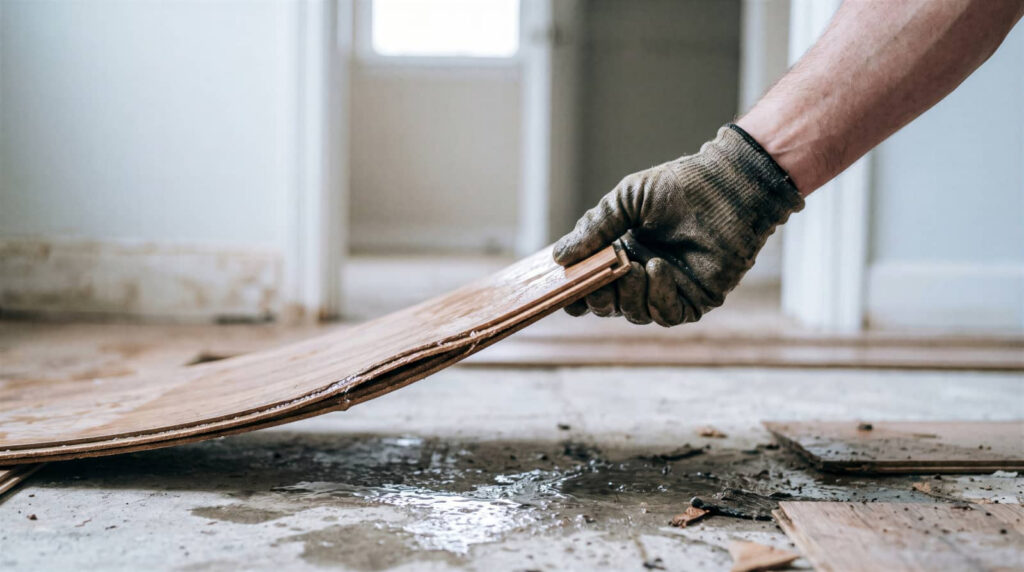
Structural drying starts fast, with technicians containing the affected area, removing standing water, and setting up air movers, dehumidifiers, and, when needed, specialty equipment to pull moisture from materials.
You’ll see them monitor temperature, humidity, and moisture readings to guide each step, so the process stays efficient and controlled. Their drying equipment works with smart airflow patterns, while dehumidification techniques reduce vapor in the air and help walls, subfloors, and framing release trapped moisture.
You’re part of a team-focused process, and clear updates help you know what’s happening and why. By balancing airflow and moisture removal, experts limit hidden dampness, prevent lingering odors, and keep your home moving toward a dry, stable condition without unnecessary disruption.
Repair And Restoration
Once drying goals are met, restoration crews inspect the home for remaining damage and begin the repair work that returns each area to a safe, usable condition. You’ll see them replace drywall, trim, insulation, and flooring with matching materials, then seal surfaces to prevent future moisture problems.
Their emergency response team coordinates closely with your insurance claims adjuster, documenting losses, photos, and labor so you’re not left guessing.
- Fresh drywall closes open walls and hides exposed framing.
- New flooring restores the room’s clean, steady feel.
- Refinished trim and paint make the space feel like yours again.
You can trust this process to bring order back quickly, while keeping you informed at every step and helping your home feel whole again.
How to Choose a Certified Local Pro
How do you sort through local water damage companies and pick the right one? Start by checking certification requirements, insurance, and training records. You want a pro who follows industry standards, uses moisture meters, and documents every step.
Then read local reviews to see how crews communicate, arrive on time, and respect homes like yours. Ask for a written scope, estimated timeline, and clear pricing before you agree to work.
A certified local team should explain drying goals, antimicrobial options, and what data they’ll track during mitigation. You’ll feel more confident when the company answers questions directly and treats you like a neighbor, not a number.
Choose someone nearby, credentialed, and responsive, so you can rely on steady support when your property needs careful recovery.
When Roof Leaks Need Repair After Flooding
If flooding followed a storm or heavy rain, you’ll want a roof inspection as soon as the water is under control. You may need repair if you see ceiling stains, damp insulation, warped shingles, or dripping around vents.
In your emergency response, document the leak, protect belongings, and call a certified technician fast. Quick action helps you stay with your neighbors in recovery instead of chasing secondary damage.
- Dark rings spreading across drywall like a target
- Shingles curling near a ridge, exposed to wind
- A wet attic smell after the storm clears
For roof leak prevention, replace damaged flashing, seal penetrations, and dry the deck fully before closing it up.
When you act early, you lower structural risk and keep your home safer.
Frequently Asked Questions
Do Water Damage Experts Handle Mold Testing Too?
Yes, you’ll often get mold testing too. You can expect water damage experts to follow the mold inspection process, identify hidden growth, and recommend mold remediation techniques, so you’re supported, informed, and safer throughout recovery.
How Quickly Should I Call an Expert After Flooding?
Call an expert immediately—ideally within minutes. You’ll speed flood response, limit structural damage, and secure emergency services fast. Acting quickly protects your home, your belongings, and your peace of mind, together.
Can Experts Restore Belongings Soaked by Contaminated Water?
Yes, you can often restore belongings soaked by contaminated water, but you’ll need prompt professional help. Experts assess water contamination, apply restoration techniques, disinfect salvageable items, and help you recover safely without risking further damage.
What Certifications Should a Top-Rated Water Damage Expert Have?
You should look for IICRC, OSHA, and mold-remediation certifications—because the right credentials signal certification importance and expert qualifications. When you choose a certified pro, you’re not just hiring help; you’re joining trusted, capable hands.
Do Water Damage Experts Work With Insurance Claims?
Yes, you’ll often work with water damage experts who guide your insurance claim process, document losses, and coordinate repairs. They’ll help you understand water damage coverage, easing stress and keeping you informed throughout.
Summary
When water hits your home, you need more than a quick fix—you need a trained team that acts fast and gets it right. Top-rated water damage experts use proven methods, advanced tools, and certified skills to stop hidden damage before it grows. Like a lighthouse in a storm, they guide you from chaos to recovery. By choosing a trusted local pro, you protect your home, your health, and your peace of mind.