Contents
Managing pests is like maintaining a delicate balance in your home. You want to keep it inviting without unwanted guests. By understanding the importance of effective pest management, you can identify common nuisances and implement preventative measures. DIY solutions can be surprisingly simple and cost-effective. Curious about how everyday items can transform your pest control strategy? Let’s explore practical methods that can help you maintain a pest-free environment while saving money.
Key Takeaways
- Seal entry points in your home to prevent pests from invading, using materials like caulk and weather stripping.
- Maintain cleanliness by regularly cleaning food spills and decluttering to eliminate attractants for pests.
- Create homemade traps using simple items, such as jars and fruit, for effective pest control without added costs.
- Use essential oils like peppermint or tea tree diluted in water as natural repellents to deter common pests.
- Monitor for signs of infestation and implement targeted measures promptly to avoid escalating pest problems.
Understanding the Importance of Pest Management
When you consider the potential damage pests can cause to your home and health, understanding the significance of pest management becomes essential. Effective pest management isn’t just about eliminating unwanted guests; it’s about grasping pest behavior and recognizing their patterns.
By understanding how pests interact with their environment, you can anticipate their movements and implement preventative measures. This proactive approach minimizes their environmental impact, both within your home and in the wider ecosystem.
Using eco-friendly solutions protects your home and fosters a sense of community responsibility. You can engage in practices that promote harmony between your living space and nature.
Identifying Common Household Pests
To effectively manage pests in your home, you first need to identify the common types that may invade your space.
Look for signs of infestation, such as droppings or damage, to determine what you’re dealing with.
Once you know the pests, you can implement targeted prevention strategies to keep them at bay.
Common Pest Types
Households often encounter a variety of pests that can disrupt daily life and compromise comfort.
Identifying these common pests is essential for effective management. Here are some typical pest types you might face:
Ants: Often invade kitchens in search of food.
Cockroaches: Thrive in warm, moist areas and can spread diseases.
Rodent types: Includes mice and rats that can damage property and carry health risks.
Termites: Silent destroyers that compromise the structural integrity of your home.
Signs of Infestation
Recognizing the signs of infestation is essential for maintaining a pest-free home, as early detection can prevent extensive damage and health risks.
Start by looking for infestation indicators such as droppings, gnaw marks, or nests. Each pest exhibits unique behavior; for instance, rodents tend to leave behind small droppings near food sources, while insects may leave behind shed skins or eggs.
Listen for unusual sounds—scratching or scuttling—especially at night, as this often indicates rodent activity.
Pay attention to any unexplained damage to your food or belongings, which could signal a pest presence.
Prevention Strategies
While you may not see pests lurking in your home, understanding the common types can help you implement effective prevention strategies.
To keep your space pest-free, consider these practical pest-proofing tips:
Seal Entry Points: Inspect for gaps in windows, doors, and foundations, and seal them to block pests.
Maintain Cleanliness: Regularly clean food spills and clutter to eliminate attractive environments for pests.
Control Moisture: Fix leaks and ensure good drainage; pests thrive in damp areas.
Seasonal Strategies: Adjust your pest control measures according to seasonal changes—this includes outdoor maintenance and indoor inspections.
Preventative Measures for Pest Control
Implementing effective preventative measures is essential for maintaining a pest-free environment. By adopting preventative habits, you can greatly reduce the likelihood of pest infestations. Focus on long-term strategies that create an unwelcoming atmosphere for pests in your home.
Here are some key preventative measures:
| Measure | Description |
|---|---|
| Seal Entry Points | Inspect and seal cracks, gaps, and holes. |
| Maintain Cleanliness | Regularly clean areas where food is stored. |
| Monitor Moisture | Fix leaks and use dehumidifiers to reduce humidity. |
| Landscape Wisely | Keep plants trimmed and away from the home. |
| Store Food Properly | Use airtight containers to keep food secure. |
Cost-Effective DIY Pest Control Solutions
When you’re faced with a pest problem, cost-effective DIY solutions can often provide immediate relief without breaking the bank. You don’t need to spend a fortune on commercial products; instead, consider these practical methods:
Homemade traps: Use simple materials like jars and fruit to catch fruit flies or other insects.
Essential oils: Peppermint, tea tree, and lavender oils can deter pests. Mix with water in a spray bottle for an effective repellent.
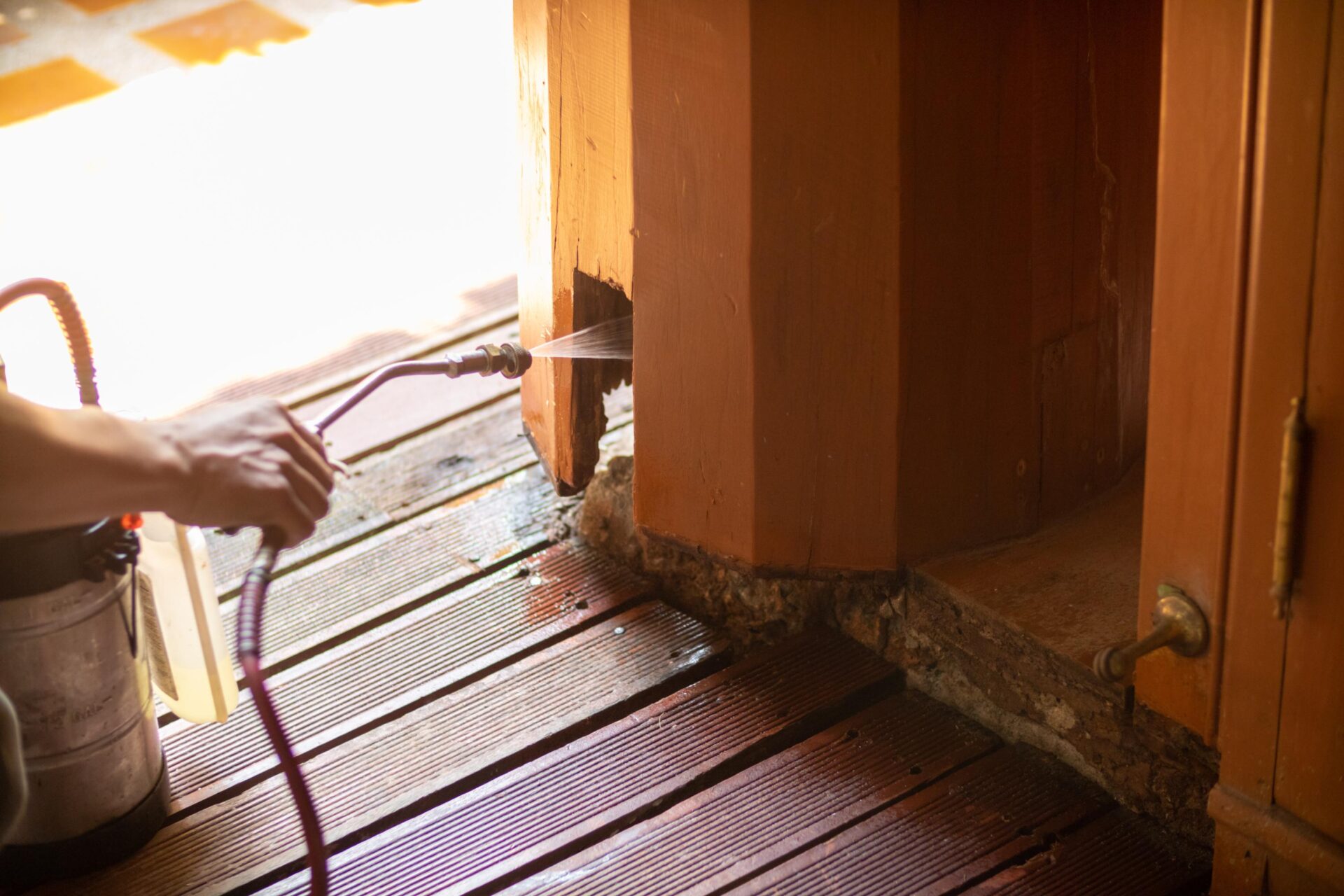
Boric acid: This is a natural insecticide that works wonders against roaches and ants. Just sprinkle it in areas where you see activity.
Vinegar solutions: A mixture of vinegar and water can clean surfaces while repelling pests like ants and spiders.
These DIY methods save you money and empower you to tackle pest issues with confidence and creativity.
You’ll feel a sense of belonging to a community that values sustainable solutions.
When to Call Professional Pest Control Services
Although DIY pest control can be effective for minor infestations, there are times when calling in professional pest control services becomes necessary. You should consult a professional if you notice signs of urgency, such as extensive damage to your property or a sudden surge in pest activity.
For instance, if you’ve tried various methods and the problem persists or worsens, it’s time to seek expert help.
Additionally, certain pests like termites and bed bugs require specialized treatment to effectively eliminate them and prevent future outbreaks. If you’re dealing with a health risk, such as rodents or wasps, waiting might exacerbate the situation.
Professional services offer immediate relief and provide long-term solutions tailored to your specific needs. Trusting experts can save you time, money, and stress, ensuring your home remains a safe and comfortable space for you and your loved ones.
Evaluating the Cost of Pest Management Options
As you consider your pest management options, it’s essential to weigh the costs against the potential benefits.
Conducting a cost comparison can help you make informed decisions while sticking to your budget planning. Here are four key factors to evaluate:
Initial Costs: Assess the upfront expenses of various treatments, including DIY solutions versus professional services.
Long-Term Effectiveness: Consider how long each option lasts and whether it requires multiple applications or treatments.
Safety: Factor in health implications for your family and pets, as some methods may pose risks.
Environmental Impact: Evaluate how eco-friendly each option is, as sustainable choices can often lead to long-term savings and community goodwill.
Utilizing Natural Pest Repellents
When you consider natural pest repellents, you’ll find a variety of essential ingredients that can effectively deter unwanted critters.
By exploring DIY repellent recipes and understanding effective application techniques, you can create cost-efficient solutions tailored to your needs.
This approach minimizes chemical exposure and aligns with eco-friendly practices.
Essential Natural Ingredients
Natural pest repellents offer a practical alternative to chemical solutions, especially for those looking to minimize their environmental impact.
By using essential oils and herbal remedies, you can effectively fend off pests while being eco-friendly. Here are four essential natural ingredients to take into account:
Peppermint Oil: Acts as a deterrent for ants and spiders.
Neem Oil: A powerful insect repellent that disrupts pests’ life cycles.
Lavender Oil: Known for its pleasant scent, it keeps moths and mosquitoes at bay.
Garlic: Its strong aroma repels a variety of insects.
Incorporating these ingredients into your pest management strategy helps create a safer home environment while promoting sustainable practices.
Join others in making a positive change!
DIY Repellent Recipes
Creating your own pest repellents at home is cost-effective and allows you to control the ingredients you use. Homemade sprays can effectively keep pests at bay without harmful chemicals.
A simple recipe involves mixing water with essential oils like peppermint, lavender, or eucalyptus. These oils possess natural repellent properties while providing a pleasant aroma. Just combine 10-15 drops of your chosen essential oil with a cup of water in a spray bottle, shake well, and apply around entry points.
You can also experiment with vinegar and citrus peels for added potency. By crafting your own pest repellents, you foster a safe environment for your family while embracing sustainability and creativity.
It’s a practical step toward a pest-free home.
Effective Application Techniques
To maximize the effectiveness of your homemade pest repellents, it’s essential to apply them strategically and consistently. By focusing on application efficiency, you enhance your pest control methods.
Here are four effective application techniques to take into account:
Targeted Areas: Identify and treat specific hotspots where pests are frequent.
Timing: Apply repellents during peak pest activity, typically early morning or late evening.
Regular Reapplication: Maintain potency by reapplying every few days or after rain.
Dilution: Adjust concentrations based on the severity of infestations for best results.
Regular Maintenance and Inspections
While pests can infiltrate your space unexpectedly, regular maintenance and inspections are crucial in preventing infestations before they start. Implementing routine inspections allows you to identify potential issues early, saving you time and money. Schedule these checks at least quarterly to ensure your environment remains pest-free.
Developing a maintenance schedule helps you stay proactive. This might include sealing cracks, confirming proper drainage, and removing food sources that attract pests. By taking these steps, you create a less inviting atmosphere for unwanted guests.
Additionally, involving family members or coworkers in these tasks fosters a sense of community and responsibility. Everyone plays a role in maintaining a pest-free space.
Building a Pest-Resistant Environment
When you focus on building a pest-resistant environment, you greatly reduce the likelihood of infestations.
Implementing effective strategies helps create a space that naturally deters pests. Here are four practical steps to evaluate:
Pest-Resistant Landscaping: Choose plants that repel pests or attract beneficial insects, enhancing your garden’s natural defenses.
Habitat Modification: Eliminate standing water and debris where pests thrive; make your environment less hospitable to them.
Proper Waste Management: Secure trash bins and compost piles to prevent attracting rodents and insects.
Physical Barriers: Install screens on windows and vents, and seal cracks in walls and foundations to keep pests out.
Summary
In the grand circus of homeownership, pests can be the uninvited clowns wreaking havoc. But fear not! With a little creativity and some household staples, you can juggle your way to a pest-free life. Whether you’re crafting traps or concocting repellents, you hold the power to tame the chaos. So, grab that vinegar and essential oil, and let your inner pest control magician shine, turning your home into a fortress against unwanted intruders—all without emptying your wallet!