Contents
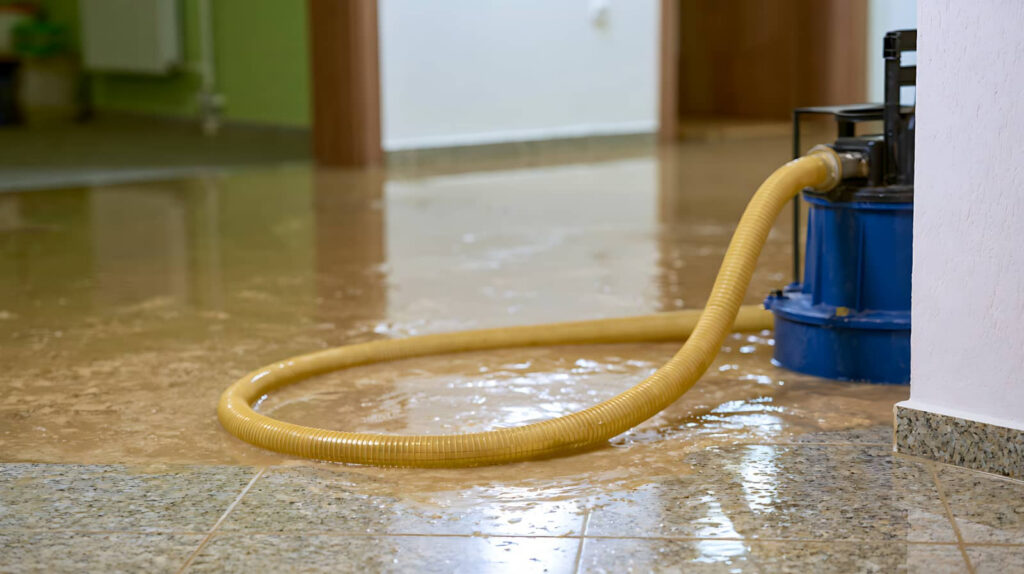
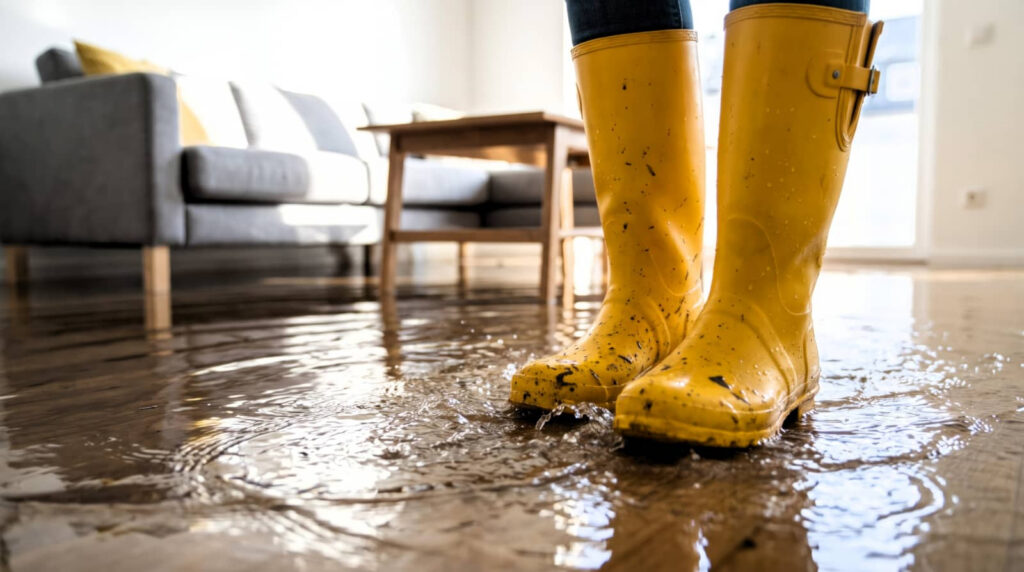
Did you know that many pest-related issues stem from water damage? This statistic highlights the importance of addressing moisture problems in your home. By focusing on eco-friendly pest control methods, you can create a more sustainable living space while effectively managing pests. Discover how simple changes in your maintenance routine can considerably reduce pest attraction and promote a healthier environment for everyone in your home.
Key Takeaways
- Regularly inspect plumbing and appliances to prevent leaks that attract pests and cause water damage.
- Ensure proper drainage around the home to avoid water accumulation, reducing pest breeding grounds.
- Seal cracks and gaps in walls, windows, and doors to prevent pests from entering damp areas.
- Utilize natural repellents like essential oils to deter pests without harming the environment.
- Maintain a clean and clutter-free home to minimize hiding spots for pests attracted to moisture.
Utilize Natural Repellents
When you consider pest control, utilizing natural repellents can be a game-changer for both your home and the environment. Herbal sprays and essential oils tackle pests effectively and promote a healthier living space.
You can create your own herbal sprays using ingredients like peppermint or rosemary, which are known for their pest-repelling properties. By mixing these with water and a mild soap, you’ll craft a potent solution that’s safe for your family and pets.
Essential oils like tea tree and lavender can also serve as powerful deterrents. A few drops in a diffuser or mixed with water for a spray can transform your space, discouraging unwanted invaders.
Choosing these natural options fosters a sense of community among eco-conscious individuals, as you’re contributing to a sustainable lifestyle. Embracing natural repellents protects your home and aligns with your values of caring for the planet.
Implement Preventive Measures
To keep pests at bay, implementing preventive measures is vital for maintaining a healthy and sustainable home environment.
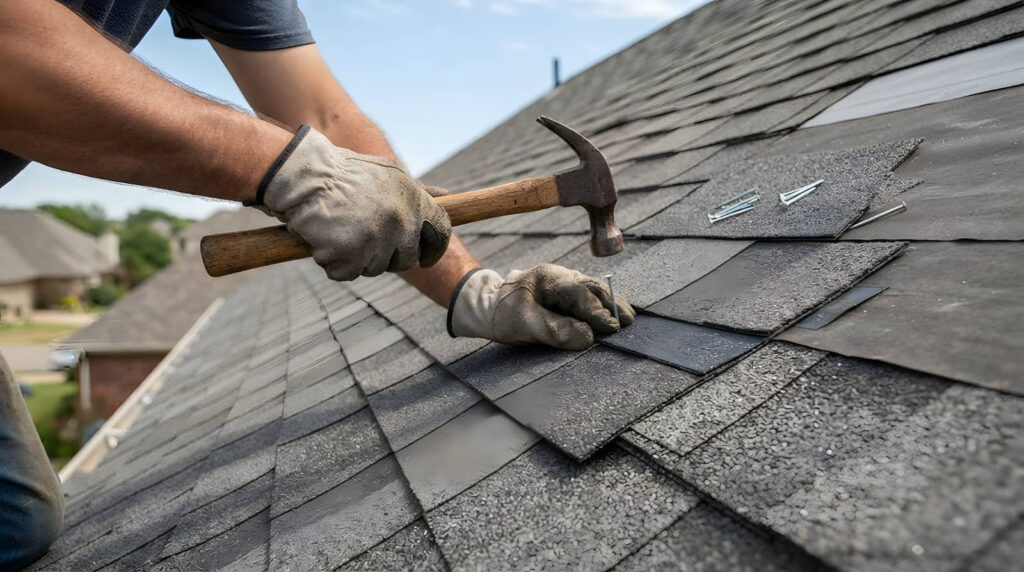
Start with regular maintenance; this means inspecting your home for signs of wear and tear that could invite pests. Keep an eye on windows, doors, and roofs—these are common entry points.
Leak detection is also important; damp conditions attract unwanted critters. By promptly addressing any leaks you find, you can greatly reduce pest attraction.
It’s wise to check plumbing and appliances regularly, making sure everything functions properly.
Additionally, ensure proper drainage around your home to prevent water accumulation, which can invite pests. You’ll create a more welcoming atmosphere not just for your family, but for beneficial wildlife as well.
Promote a Healthy Environment
Promoting a healthy environment in your home requires conscious choices that benefit both your family and the ecosystem. By adopting sustainable practices, you can create a space that fosters well-being and reduces pest problems.
Start by minimizing chemical use; opt for green solutions like essential oils or vinegar for cleaning. These alternatives safeguard your health and protect local wildlife.
Incorporate energy-efficient appliances and proper insulation to cut down on waste and lower your energy bills. Consider planting native plants in your garden, as they require less water and attract beneficial insects.
Regular maintenance, such as fixing leaks, can prevent water damage and discourage pests.
Engaging your family in these practices fosters a sense of belonging and shared responsibility for the environment. By making these informed choices together, you contribute to a healthier home and a more sustainable community.
Frequently Asked Questions
What Are the Signs of Pest Infestation After Water Damage?
After water damage, watch for pest behavior like increased activity, droppings, or unusual noises. Infestation signs also include damaged structures or nests. Staying vigilant helps maintain a healthy home and strengthens your community’s resilience against pests.
How Can I Identify the Source of Water Damage?
To identify the source of water damage, check for water leaks around pipes, roofs, and windows. Inspect moisture sources like basements and bathrooms. Addressing these helps prevent further issues and promotes a healthier living environment.
Are There Specific Pests That Thrive in Water-Damaged Areas?
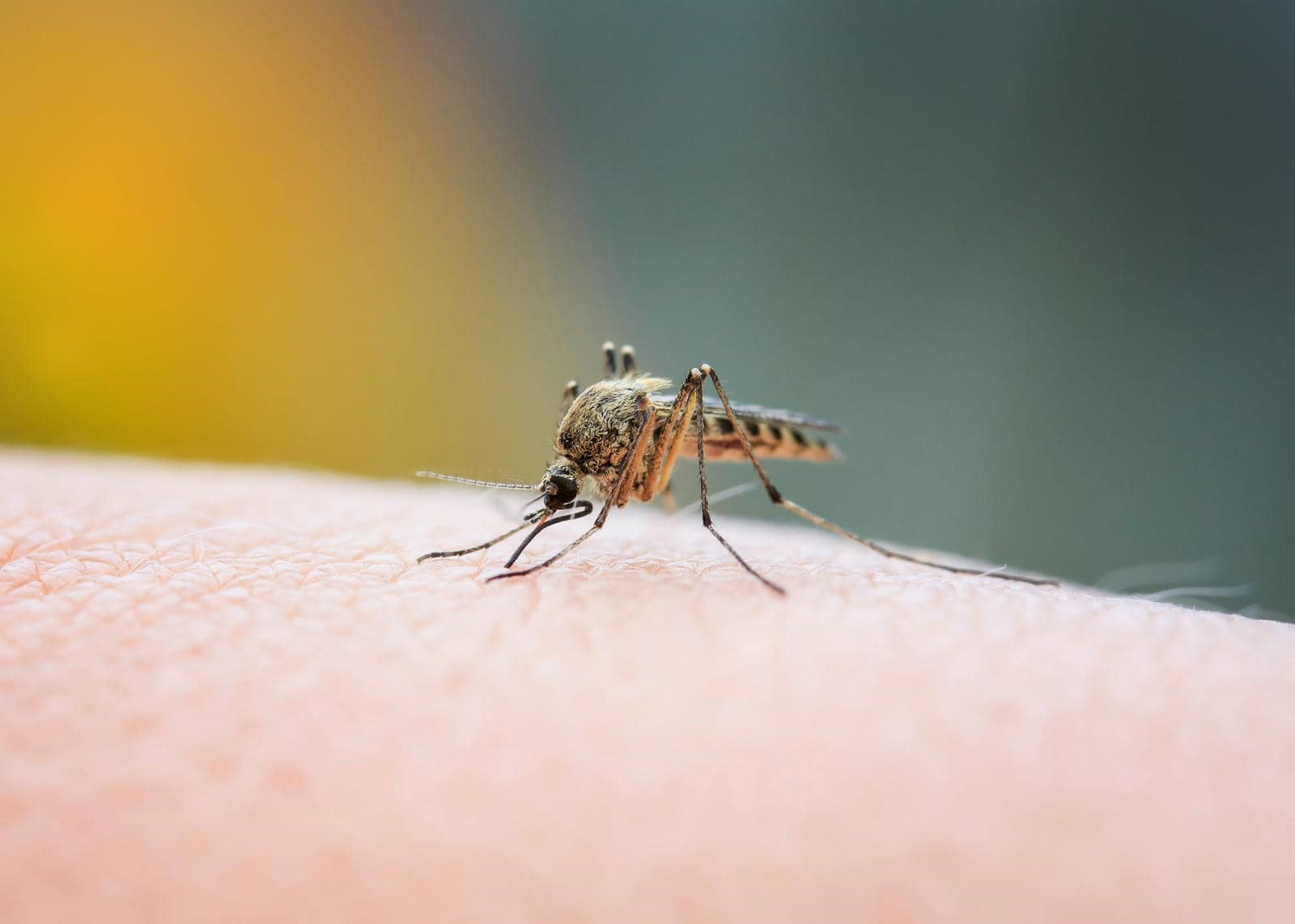
In damp environments, water-loving insects and mold-loving pests flourish like weeds in a garden. You’ll find mosquitoes, silverfish, and termites thriving, seeking the moisture that sustains them, creating an uninvited community in your space.
What Immediate Actions Should I Take After Discovering Water Damage?
After discovering water damage, you should prioritize water extraction to minimize moisture. Then, implement mold prevention strategies, such as proper ventilation and dehumidifiers, to protect your space and create a healthier environment for everyone.
How Can I Safely Dispose of Pest-Infested Materials?
When dealing with pest-infested materials, think of it as a delicate dance. You can choose pest disposal methods like composting or recycling, embracing eco-friendly alternatives that keep your environment safe while fostering a sense of community responsibility.
Wrap-Up
By taking these eco-friendly pest control steps, you’re not just protecting your home; you’re creating a sanctuary against unwanted invaders. Imagine the peace of mind you’ll feel, knowing that your family is safe from harmful chemicals and the threats of pests. As you maintain your home and embrace natural solutions, the real question remains: how long before you notice the remarkable transformation in your living space? The answer lies in your commitment to a healthier, pest-free environment.