Contents
Effective Integrated Pest Management (IPM) for restoration is essential in maintaining healthy ecosystems. By understanding pest ecology and employing a mix of prevention and control strategies, you can greatly reduce pest populations. This approach minimizes chemical use and enhances biodiversity. As you explore the specific strategies and methods involved, you’ll discover how to create resilient landscapes that support your restoration goals. What challenges might you face in implementing these practices?
Key Takeaways
- Implement habitat modification techniques to create unfavorable conditions for pests, reducing their populations effectively.
- Utilize biological control by introducing natural predators to manage pest populations sustainably.
- Engage in regular monitoring and assessments to track pest levels and evaluate the effectiveness of management strategies.
- Foster community involvement to enhance local biodiversity and share responsibility for pest management efforts.
- Collaborate with pest control professionals to align restoration goals and refine management techniques based on expert insights.
Understanding Integrated Pest Management (IPM)
Integrated Pest Management (IPM) is a strategic approach that combines various control methods to manage pest populations effectively while minimizing harm to the environment and human health.
By understanding pest ecology, you can identify the factors that contribute to pest issues and implement integrated approaches tailored to your specific situation. This involves evaluating pest populations, their life cycles, and their interactions with the environment, allowing you to select the most effective control methods.
IPM prioritizes prevention and sustainable practices over reactive measures, empowering you to create a balanced ecosystem. Techniques may include biological control, habitat manipulation, and the judicious use of pesticides when necessary.
The Importance of Pest Control in Restoration
While you may not immediately consider pests as a significant threat to restoration efforts, their impact can be profound and detrimental. In restoration ecology, managing pest species is vital for achieving restoration success. Invasive species can disrupt ecosystem balance, leading to significant biodiversity concerns. When these pests proliferate, they often outcompete native flora and fauna, which hinders your restoration goals.
Moreover, the pest impact isn’t just about competition; it includes the potential for developing pest resistance, making future control efforts more challenging. By implementing effective pest control strategies, you can mitigate these risks and promote a healthier ecosystem.
This proactive approach fosters a sense of belonging within your community, as everyone plays a role in maintaining ecological integrity. Ultimately, prioritizing pest management ensures your restoration efforts thrive, benefiting the environment and enhancing the resilience of local biodiversity.
Common Pests Encountered in Fire and Water Damage
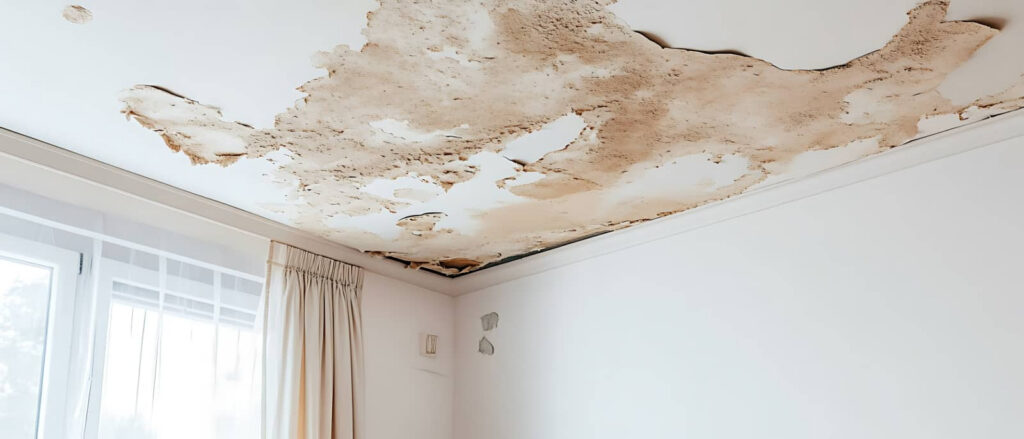
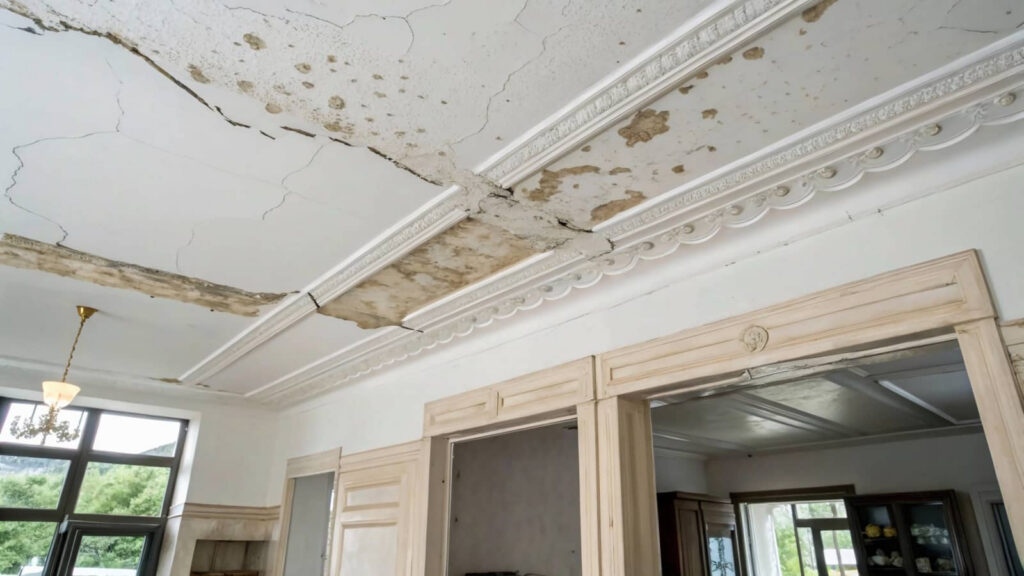
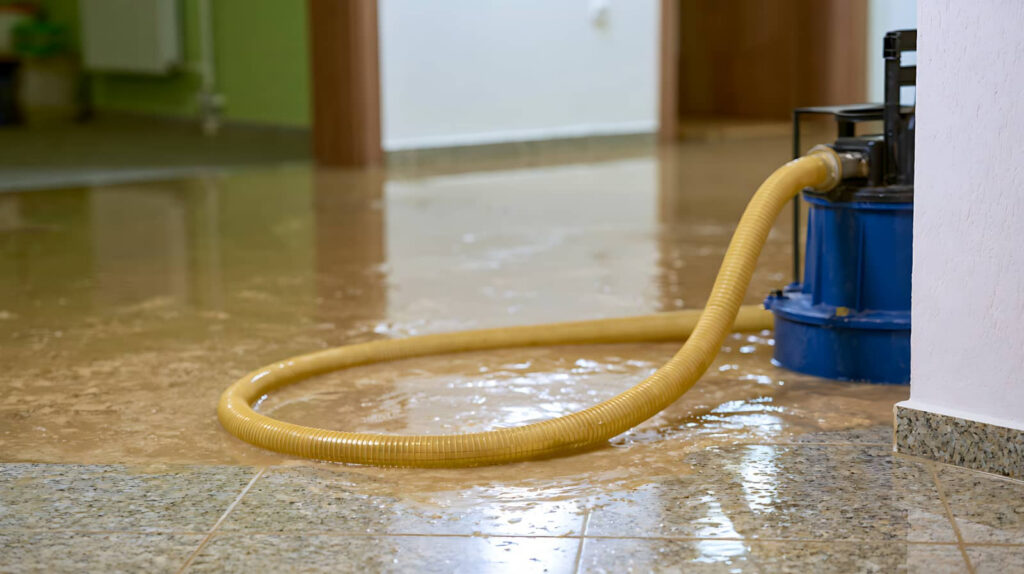
After experiencing fire or water damage, restoration efforts often uncover a hidden array of pests that can complicate recovery.
Common issues include termite damage, which can severely undermine your property’s structural integrity. Mold infestations thrive in damp environments, presenting both health risks and biological threats that require immediate attention.
Effective insect identification is vital in managing these problems, as different pests necessitate different approaches. Moisture issues often attract rodents, making rodent control a priority to prevent further contamination.
Implementing robust sanitation practices helps deter future infestations and protects against potential health hazards. By addressing these pests promptly and thoroughly, you can enhance the success of your restoration efforts and ensure a safe, healthy environment.
Assessing Pest Infestations in Affected Areas
To effectively manage pest infestations in areas affected by fire or water damage, you must first conduct a thorough assessment of the environment. Utilizing pest identification techniques and infestation assessment tools is essential for pinpointing the specific issues at hand. Start by inspecting the premises for visible signs of pests, such as droppings or damage to materials.
| Pest Type | Identification Technique | Assessment Tool |
|---|---|---|
| Termites | Wood damage inspection | Termite bait stations |
| Mold | Visual inspection | Moisture meters |
| Ants | Trail observation | Sticky traps |
| Rodents | Dropping inspection | Infrared cameras |
| Cockroaches | Fecal matter analysis | Monitored bait stations |
Prevention Strategies for Pest Control
To effectively prevent pest issues, you should focus on habitat modification techniques and implement cultural practices tailored to your specific environment.
By altering the conditions that pests thrive in, you can considerably reduce their populations before they become a problem.
Additionally, adopting practices that promote plant health can further deter pest infestations.
Habitat Modification Techniques
Effective habitat modification techniques play an essential role in preventing pest infestations and promoting ecosystem health. By altering environmental conditions, you can create a setting that supports beneficial organisms while discouraging pests.
For instance, incorporating native plants in your habitat restoration efforts enhances ecological balance, attracting natural predators that keep pest populations in check. Additionally, managing water sources and drainage can reduce standing water, a breeding ground for mosquitoes.
You might also consider adjusting soil composition and vegetation density to enhance biodiversity, further stabilizing the ecosystem. By applying these techniques, you mitigate pest risks and foster a thriving environment that benefits all organisms, including yourself.
Embrace these strategies to cultivate a healthier, more harmonious habitat.
Cultural Practices Implementation
Although pests can be a significant challenge in restoration efforts, implementing cultural practices can greatly reduce their impact. By adopting strategies like crop rotation, you can disrupt pest life cycles and minimize infestations.
Crop rotation helps manage pests and enhances soil health, which is vital for thriving ecosystems. Healthy soil supports robust plant growth, making it less susceptible to pest damage.
Additionally, integrating practices like proper irrigation and timely planting fosters an environment that naturally deters pests. Engaging in these practices creates a sense of community, as you share knowledge and successes with fellow restorers.
Together, these cultural practices form a proactive approach, strengthening your restoration efforts and promoting resilience against pests.
Chemical and Non-Chemical Control Methods
When managing pests in restoration projects, understanding both chemical and non-chemical control methods is essential for effective outcomes.
Chemical control often involves pesticides, but it’s vital to recognize issues like chemical resistance, which can diminish their effectiveness over time. You should consider targeted applications and select products with minimal environmental impact.
On the other hand, non-chemical control methods, such as biological control, leverage natural predators to manage pest populations. This approach minimizes chemical use and fosters a healthier ecosystem.
Integrating both strategies can enhance your pest management efforts, ensuring that you maintain balance within the restoration environment.
Monitoring and Evaluation of Pest Management Efforts
To effectively monitor and evaluate your pest management efforts, you’ll need to utilize robust data collection techniques.
Evaluating performance indicators will help you gauge the success of your strategies.
Data Collection Techniques
Effective data collection techniques are essential for monitoring and evaluating pest management efforts in restoration projects, as they provide the evidence needed to assess the impact of various interventions.
You’ll want to employ robust survey methods that capture relevant data effectively. Consider both qualitative and quantitative approaches to gain a thorough understanding of pest populations and their dynamics.
Use data analysis tools to interpret the findings, allowing you to make informed decisions about your pest management strategies. Regular and systematic data collection helps you track changes over time, ensuring that your interventions remain effective.
Performance Indicators Assessment
While evaluating performance indicators is essential for monitoring and evaluating pest management efforts, it’s important to focus on specific metrics that accurately reflect the health of the ecosystem and the effectiveness of your interventions.
Start with performance metrics that measure pest populations, biodiversity, and ecosystem functionality. Regular pest assessments can reveal trends over time, helping you adapt your strategies accordingly.
Consider employing both qualitative and quantitative data to create a holistic view of your management efforts. Engaging with community stakeholders can also enhance your understanding, providing valuable insights into local perceptions and ecological changes.
Adaptive Management Strategies
As you implement integrated pest management (IPM) strategies, adaptive management becomes essential for continuously improving your efforts based on real-time data and feedback.
By employing flexible strategies, you can adjust your pest management techniques to better meet your restoration goals. Regular monitoring allows you to evaluate the effectiveness of your interventions and identify any emerging pest threats.
Use performance indicators to measure your progress, and don’t hesitate to adapt your approaches when necessary. Engaging with your community can also provide valuable insights, fostering a sense of belonging and shared responsibility.
Through this iterative process, you’ll enhance the resilience of your ecosystem and strengthen your connections within the community, ensuring a collaborative approach to pest management.
Collaborating With Pest Control Professionals
Collaborating with pest control professionals is essential for successful integrated pest management (IPM) in restoration projects. By fostering pest control collaboration, you can leverage their expertise to identify and address pest issues effectively.
Professionals bring valuable insights into pest behavior, life cycles, and control methods, which can enhance your overall strategy.
Effective communication is key in this partnership. Share your goals and restoration plans with pest control experts, ensuring they understand your vision. This dialogue helps align both parties on pest management techniques that protect the ecosystem while achieving restoration objectives.
Regular check-ins can further solidify this relationship, allowing for adjustments in tactics as conditions change.
Engaging with pest control professionals boosts your project’s success and cultivates a sense of community. You’ll find that working together fosters trust and shared responsibility, ultimately leading to a healthier, more resilient, restored environment.
Long-term Pest Management Strategies for Restored Properties
Building on the partnership with pest control professionals, implementing long-term pest management strategies is essential for maintaining the integrity of restored properties. By focusing on pest-resilience strategies, you can ensure a healthy ecosystem that thrives. These strategies help in ecological balance maintenance, promoting a sustainable environment for all stakeholders.
Here’s a concise overview of effective long-term strategies:
| Strategy | Description |
|---|---|
| Habitat Modification | Altering environments to deter pests |
| Regular Monitoring | Frequent checks to assess pest levels |
| Biological Control | Introducing natural predators |
| Community Engagement | Involving local stakeholders |
Engaging in these practices minimizes pest issues and fosters a sense of belonging among community members. By working together, you can create a resilient landscape that supports both biodiversity and your restoration goals.
Frequently Asked Questions
How Can I Identify Signs of Pest Damage in My Home?
To identify signs of pest damage in your home, use pest identification techniques like inspecting for droppings, gnaw marks, or nests. Common pest indicators include damaged wood, chewed wires, and unusual sounds, signaling possible infestations.
What Are the Costs Associated With Integrated Pest Management?
A study shows that integrated pest management can reduce pest control costs. When considering budget considerations, a thorough cost analysis helps you balance initial expenses against long-term savings and effective pest management strategies.
Are There Any DIY Methods for Pest Control?
Yes, you can use natural repellents like essential oils or create homemade traps using simple materials. These DIY methods are cost-effective and environmentally friendly, helping you address pest issues while fostering a sense of community and sustainability.
How Long Does It Take to See Results From Pest Management?
You’ll typically notice pest control effectiveness within a few days to weeks, depending on the methods used. A pest management timeline varies, but consistent strategies generally yield significant results in about a month or two.
Can Pets Be Affected by Pest Control Treatments?
When you apply pest control treatments, your pets can be affected. Ensuring pest control safety is essential for pet health. Always follow guidelines, keeping your furry friends away until it’s safe for them to return.
Review
In the grand scheme of restoration, you might think that a few chemical pesticides could solve all your pest problems. Ironically, relying solely on these quick fixes can undermine your efforts, leading to more pests and less biodiversity. By embracing an Integrated Pest Management approach, you enhance the resilience of your landscape and prove that the best solutions often come from understanding and collaboration, rather than from a spray can.