Contents
When you face emergency roof repairs, it’s essential to understand how damage can attract pests. These pests can exploit vulnerabilities, leading to further complications. Identifying potential entry points and implementing immediate pest control measures is key. You’ll need to act quickly to prevent infestations during repairs. But what are the best strategies to manage this risk effectively? Exploring the options can make all the difference in safeguarding your home.
Key Takeaways
- Identifying and sealing entry points during emergency roof repairs can effectively block pests from infiltrating your home.
- Temporary barriers like tarps or mesh screens can deter pests while roof repairs are underway.
- Applying insecticides or traps near damaged areas helps mitigate pest activity during emergency repairs.
- Regular inspections post-repair ensure any pest issues are promptly addressed before they escalate.
- Maintaining a detailed log of repairs and pest control measures aids in long-term pest management and roof health.
Understanding the Impact of Roof Damage on Pests
When your roof sustains damage, it doesn’t just compromise your home’s structural integrity; it also creates inviting entry points for pests. A weakened roof can disrupt the delicate balance of your home’s ecosystem, allowing pests to infiltrate.
Understanding the pest lifecycle is vital here; many pests thrive in environments where roof integrity is compromised. For example, openings may allow moisture to accumulate, attracting wood-destroying insects and other pests seeking shelter.
To protect your home, you need to address roof damage promptly. Regular inspections can help identify vulnerabilities before they escalate and provide a haven for pests.
Seal any gaps or cracks and ensure proper ventilation to maintain a hostile environment for unwanted invaders. By prioritizing roof repairs, you’re not just preserving your home’s structure; you’re also safeguarding your living space from potential infestations, fostering a sense of belonging and security within your home.
Identifying Common Pests Associated With Roof Damage
When evaluating roof damage, it’s essential to identify common pests that may contribute to or thrive within those vulnerabilities.
Look for signs of infestation, such as droppings, chewed materials, or visible nests, which can indicate a serious problem.
Addressing these pests quickly can prevent further structural damage and costly repairs.
Common Roof Pests
Identifying common pests associated with roof damage is essential for maintaining the integrity of your home. During regular roof inspections, you should be vigilant for signs of pests like termites, which can weaken structural beams, and carpenter ants, known for tunneling into wood.
Additionally, roof rats can create entry points, leading to further damage. Other pests to watch for include wasps, which may build nests in eaves, and moss or algae, indicating moisture issues that attract more pests.
Effective pest identification helps you address infestations before they escalate. By staying informed and proactive, you can protect your roof and, ultimately, your entire home, fostering a safe and comfortable living environment for you and your loved ones.
Signs of Infestation
Signs of infestation can manifest in various ways, making it essential to recognize them early to prevent extensive roof damage.
Pay attention to droppings or frass, which indicate pest behavior, particularly from rodents or insects like termites. You’ll also want to look for holes or gnaw marks on roofing materials, as these can signal an active infestation.
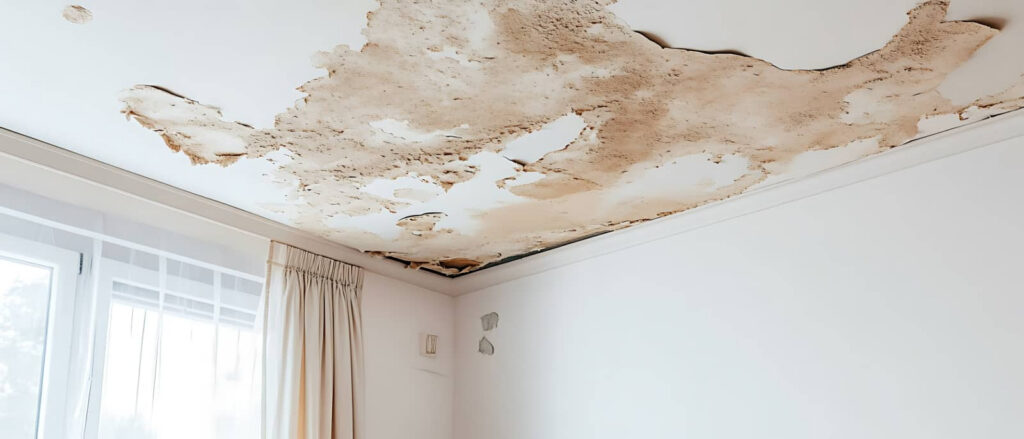
Stains or discoloration on your ceiling might suggest leaks caused by pest activity. Regular roof maintenance is critical; check for nests in hidden areas or the presence of wings, which are often left behind by pests.
Immediate Pest Control Measures During Roof Repairs
As you undertake emergency roof repairs, it’s crucial to address any pest issues that may compromise your home further.
Start by identifying any access points pests might use, like gaps or holes. Once you’ve pinpointed these areas, implement temporary barriers such as tarps or mesh screens to block entry. These quick fixes can prevent pests from infiltrating your home while you work on more permanent solutions.
Next, consider applying insecticides or trapping methods near the affected areas to mitigate the immediate threat.
Focus on high-traffic zones where you’ve noticed signs of infestation. Always follow safety guidelines for any products you use, ensuring the health of your family and pets.
Long-Term Pest Prevention Strategies Post-Repair
While your roof repairs are fresh, it’s vital to implement long-term pest prevention strategies to safeguard your home from future infestations.
By focusing on preventive maintenance, you’ll create a less inviting environment for pests. Here are three essential strategies:
Seal Entry Points: Inspect your home for cracks, gaps, and openings. Use caulk or weather stripping to seal these vulnerabilities, preventing pests from entering.
Regular Seasonal Inspections: Schedule inspections at least twice a year. These check-ups will help you identify potential pest problems before they escalate.
Maintain Landscaping: Keep trees trimmed and shrubs away from the structure. This reduces pathways for pests and minimizes moisture buildup that attracts them.
Importance of Professional Pest Control Services
Choosing to engage professional pest control services can greatly enhance your home’s defense against infestations, especially after roof repairs. These experts conduct thorough professional inspections, identifying vulnerabilities that may attract pests.
After a roof repair, it’s essential to understand how pest behavior changes; they often seek new entry points or nesting areas. Professionals apply targeted treatments based on their findings, ensuring that your home isn’t just patched up but fully protected.
They bring specialized knowledge about local pest trends and behaviors, helping you anticipate potential issues before they escalate. Additionally, their ongoing monitoring and maintenance strategies provide peace of mind, making you feel secure in your home.
In essence, investing in professional pest control isn’t just about immediate fixes; it’s about fostering a long-term environment that deters infestations, creating a safe and welcoming space for you and your family.
Utilizing Natural Pest Control Solutions
After addressing roof repairs and ensuring your home is safeguarded against pests, consider utilizing natural pest control solutions to maintain a pest-free environment.
These organic solutions can effectively deter unwanted guests without harsh chemicals, making your home safer for your family and pets.
Here are three effective natural repellents you can implement:
Essential Oils: Use oils like peppermint, tea tree, or lavender. Mix with water in a spray bottle and apply to areas prone to pests.
Diatomaceous Earth: This natural powder can be sprinkled around your home. It’s safe for humans and pets but lethal to pests like ants and cockroaches.
Vinegar: A simple mixture of vinegar and water can repel spiders, ants, and other insects. Spray it in entry points and around your home’s perimeter.
Assessing and Repairing Entry Points for Pests
To effectively keep pests out of your home, you need to assess and repair entry points where they might gain access.
Start with a thorough entry point inspection, focusing on areas like windows, doors, vents, and the roofline. Look for gaps, cracks, or holes that could serve as potential pathways for pests.
Once you identify these vulnerabilities, employ sealing techniques to close them off. Use caulk for small cracks and gaps, and consider weatherstripping for doors and windows.
For larger openings, such as around pipes or vents, use expandable foam or mesh screens.
Don’t overlook the importance of maintaining these seals regularly; pests can be persistent.
By taking these proactive steps, you’ll create a safer environment for your family and reduce the likelihood of pest infestations.
Your home is your sanctuary, and protecting it is essential for your peace of mind.
Monitoring and Maintenance After Emergency Repairs
While it may be tempting to relax after completing emergency roof repairs, maintaining vigilance is essential to confirm your fixes hold up over time.
To ensure the longevity of your repairs and prevent pest issues from resurfacing, implement the following strategies:
Post Repair Inspections: Schedule inspections every few months to check for any signs of damage or pest activity. Catching issues early can save you time and money.
Ongoing Maintenance: Regularly clean gutters and downspouts, and trim overhanging branches. This minimizes debris accumulation and reduces pest access points.
Document Findings: Keep a maintenance log detailing inspections and repairs. This tracks your efforts and helps when consulting with pest control professionals.
Frequently Asked Questions
How Can I Detect Pests Before Roof Repairs Begin?
To detect pests before repairs, use pest identification techniques like visual inspections and droppings analysis. Combine these with roof inspection tips, checking for entry points and damage, and ensuring a thorough assessment before any work begins.
What Signs Indicate a Pest Infestation in My Roof?
You’ll notice signs of pest infestation in your roof through pest droppings or unusual noise disturbances. Keep an eye out for these indicators, as they can signal potential problems requiring immediate attention and intervention.
Are DIY Pest Control Methods Effective During Roof Repairs?
While DIY pest control methods can be a double-edged sword, their effectiveness during roof repairs hinges on proper application. You’ll enhance pest prevention, but be cautious—improper techniques might worsen infestations or damage your roof further.
How Soon Can I Resume Normal Activities After Repairs?
After repairs, you should wait at least 48 hours before resuming normal activities. Make certain you follow post-repair precautions to avoid complications. This activity timeline helps maintain safety and ensures the integrity of the repairs.
Do I Need a Pest Inspection After Roof Repairs?
Yes, you should schedule a pest inspection after roof repairs. It helps identify any potential infestations, ensuring your home stays safe. This proactive step fits well within the roof repair timeline, maximizing your investment’s benefits.
Final Thoughts
Addressing pest control during emergency roof repairs is crucial for protecting your home. Did you know that many pest infestations are linked to structural vulnerabilities? By sealing entry points and implementing both immediate and long-term strategies, you can greatly reduce the risk of pests. Regular inspections and professional services can ensure your roof remains secure and pest-free. Don’t wait until it’s too late—take proactive steps to safeguard your home today.