Contents
When facing water damage, maneuvering your insurance claim can feel overwhelming. It’s vital to understand your policy’s specifics, as coverage can vary widely. You’ll need to document the damage thoroughly and notify your insurer promptly. Each step in the process is essential for a successful claim. However, many overlook key details that can impact their payout considerably. Let’s explore how to avoid common pitfalls and ensure you’re fully prepared.
Key Takeaways
- Review your insurance policy thoroughly to understand coverage limits and exclusions related to water damage.
- Document all damage with clear photos and detailed assessments, including a list of affected items and their values.
- Notify your insurance company promptly, providing necessary documentation and a clear explanation of the damage.
- Follow the insurer’s claims process closely to avoid delays and ensure all losses are documented item by item.
- Maintain regular communication with the insurance adjuster for updates and clarification throughout the claims process.
Understanding Your Insurance Policy
How well do you really understand your insurance policy when it comes to water damage? Many people overlook essential details that can greatly impact their claims.
Start by examining the policy exclusions; these are specific scenarios where your coverage mightn’t apply. For instance, damage from floodwaters often isn’t covered under standard homeowner policies, requiring separate flood insurance.
Next, pay attention to your coverage limits. These limits define the maximum amount your insurer will pay for water damage claims. If you experience extensive damage, you might find yourself underinsured, leading to out-of-pocket expenses that could strain your finances.
Taking the time to thoroughly review your policy can empower you to make informed decisions and ensure you’re adequately protected.
You’ll feel more confident knowing exactly what’s covered and what’s not, fostering a sense of belonging within your community of homeowners who value preparedness.
Documenting Water Damage
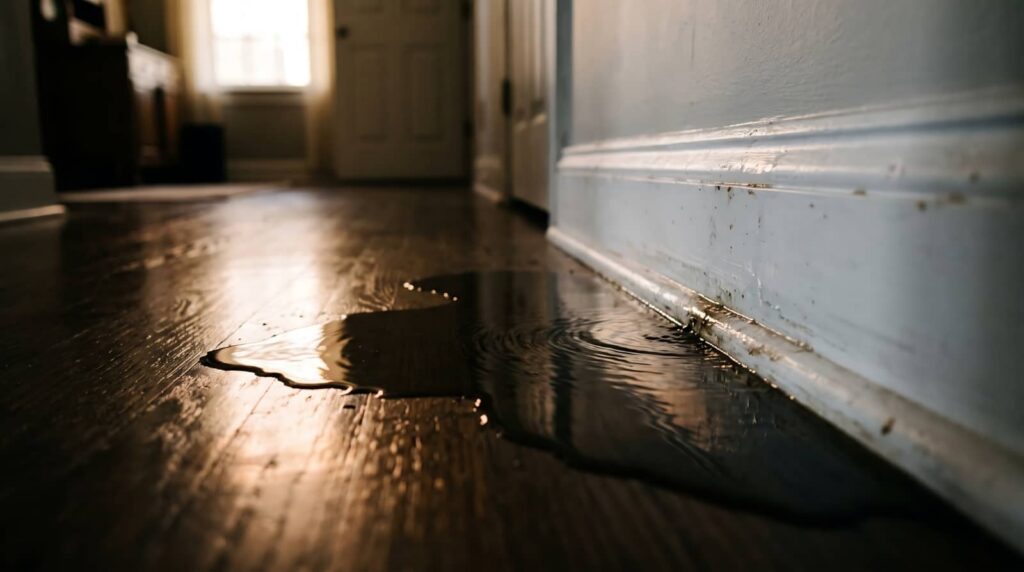
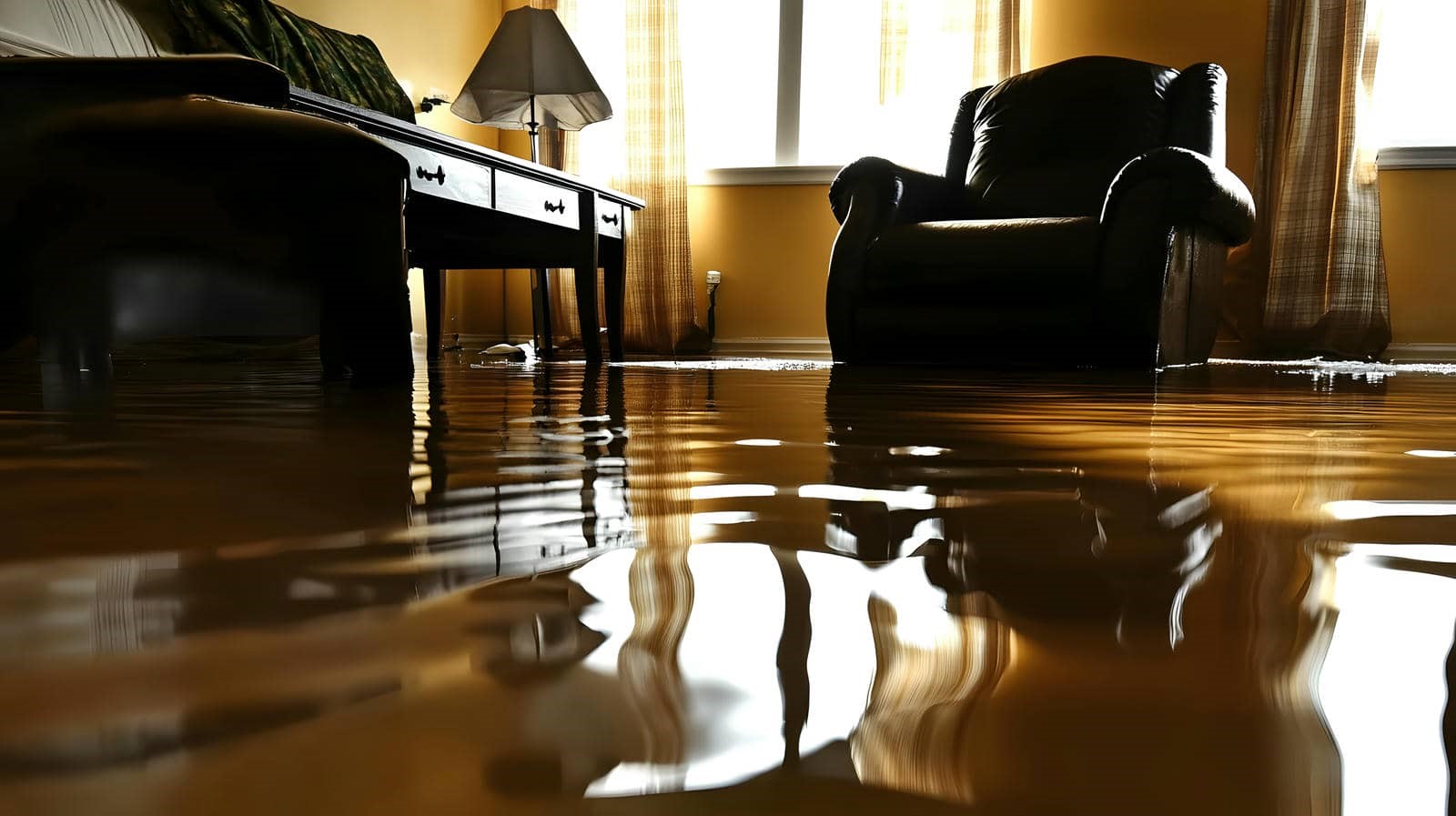
Documenting water damage accurately is vital for a successful insurance claim. Start by taking clear and detailed water damage photos of all affected areas. Capture different angles to ensure you show the extent and severity of the damage. These images will serve as essential evidence when you file your claim.
Next, perform a thorough damage assessment. List all damaged items, including furniture, appliances, and structural elements. Note the approximate value of each item and any repairs needed.
This organized approach will help your insurance adjuster understand the situation better and speed up the claims process.
Notifying Your Insurance Company
After documenting the water damage and evaluating the extent of the loss, it’s time to notify your insurance company. This step is essential in the claim reporting process. You’ll want to act quickly, as many policies require notification within a specific timeframe. Here are some insurance notification tips to keep in mind:
| Tips | Details |
|---|---|
| Know Your Policy | Familiarize yourself with coverage limits. |
| Contact Information | Reach out via phone or online portal. |
| Prepare Your Documentation | Gather photos, receipts, and loss assessments. |
| Be Clear and Concise | Clearly explain the situation and damage. |
| Follow Up | Keep track of your claim and stay in touch. |
Filing the Claim
When it comes to filing a water damage insurance claim, being organized and thorough can make a significant difference in the outcome. Start by gathering all relevant documentation, including photos of the damage, repair estimates, and any communication with your insurance provider.
Follow the claim process outlined by your insurer, ensuring you fill out all forms accurately and completely. One common mistake is delaying your claim submission; act promptly to avoid complications. Make sure to keep copies of everything you send.
If possible, document your losses item by item to support your claim effectively. Be mindful of deadlines, as missing them can jeopardize your chances of receiving compensation.
Finally, stay clear of assumptions about your coverage—familiarize yourself with your policy’s terms to avoid surprises later on. By staying organized and informed, you’ll enhance your chances of a successful claim.
Following Up on Your Claim
How can you ensure your water damage claim stays on track? Following up regularly is key. You should check in with your insurance company to get updates on your claim status. Here are some communication tips to enhance your follow-up process:
| Tip | Action | Frequency |
|---|---|---|
| Be Proactive | Call your adjuster for updates | Every week |
| Document Everything | Keep records of all communications | Every interaction |
| Ask Questions | Clarify any confusion about the process | As needed |
Frequently Asked Questions
What Types of Water Damage Are Typically Covered by Insurance?
Most insurance policies cover plumbing issues like burst pipes and leaks, but flood damage typically requires separate coverage. You’ll want to review your policy to ensure you’re protected against all potential water-related incidents.
How Long Do I Have to File a Claim After Water Damage Occurs?
When it rains, it pours, and you’ve got limited time to act. Generally, you should file your claim for water damage within one to two years, depending on your policy’s specific claim deadlines. Don’t delay!
Will My Insurance Premium Increase After Filing a Water Damage Claim?
Yes, your insurance premium might increase after filing a water damage claim. Insurers often adjust premiums based on claim frequency, so multiple claims could lead to higher rates over time. Staying informed helps you manage costs effectively.
Can I Choose My Own Contractors for Repairs?
Imagine a painter crafting your home’s revival; you can choose your own contractors for repairs. Just ensure their estimates align with your insurer’s requirements, as contractor selection impacts coverage and reimbursement. It’s your home, your choice.
What if My Claim Is Denied, What Are My Options?
If your claim’s denied, you can initiate the appeal process. Gather your claim documentation, review the reasons for denial, and present a strong case to your insurer, emphasizing any overlooked details that support your claim.
Summary
Maneuvering through the water damage claims process might seem intimidating, but with the right approach, you can turn the tide in your favor. By understanding your policy, documenting damage, and staying in touch with your insurer, you’ll keep things moving smoothly. Remember, a stitch in time saves nine—so don’t wait too long to act. Stay proactive, and you’ll be better equipped to secure the compensation you deserve for your water damage claim.