Contents
After a fire, managing mold growth is vital for a safe recovery. You need to start by evaluating the fire damage thoroughly to identify moisture sources and signs of mold. Engaging professionals for remediation can ensure hidden mold is effectively dealt with. If you’re considering DIY methods, there are effective solutions available. Understanding preventative measures is essential for long-term safety. Let’s explore the top five solutions that can make a significant difference in your recovery process.
Key Takeaways
- Conduct thorough inspections and moisture assessments to identify mold growth areas post-fire damage.
- Engage professional mold remediation services for comprehensive removal and prevention strategies.
- Implement DIY mold removal techniques using vinegar, baking soda, or hydrogen peroxide for minor infestations.
- Maintain humidity levels below 60% and use dehumidifiers to prevent future mold growth.
- Use mold-resistant materials during restoration to enhance resilience against moisture and mold issues.
Assessing the Damage and Identifying Mold Growth
When evaluating the damage after a fire, it’s essential to identify any potential mold growth that may have developed due to the increased moisture from firefighting efforts.
Start by utilizing effective mold assessment techniques, which include visual inspections and moisture meters. These tools help you pinpoint areas susceptible to mold, particularly in hidden spaces like walls and ceilings.
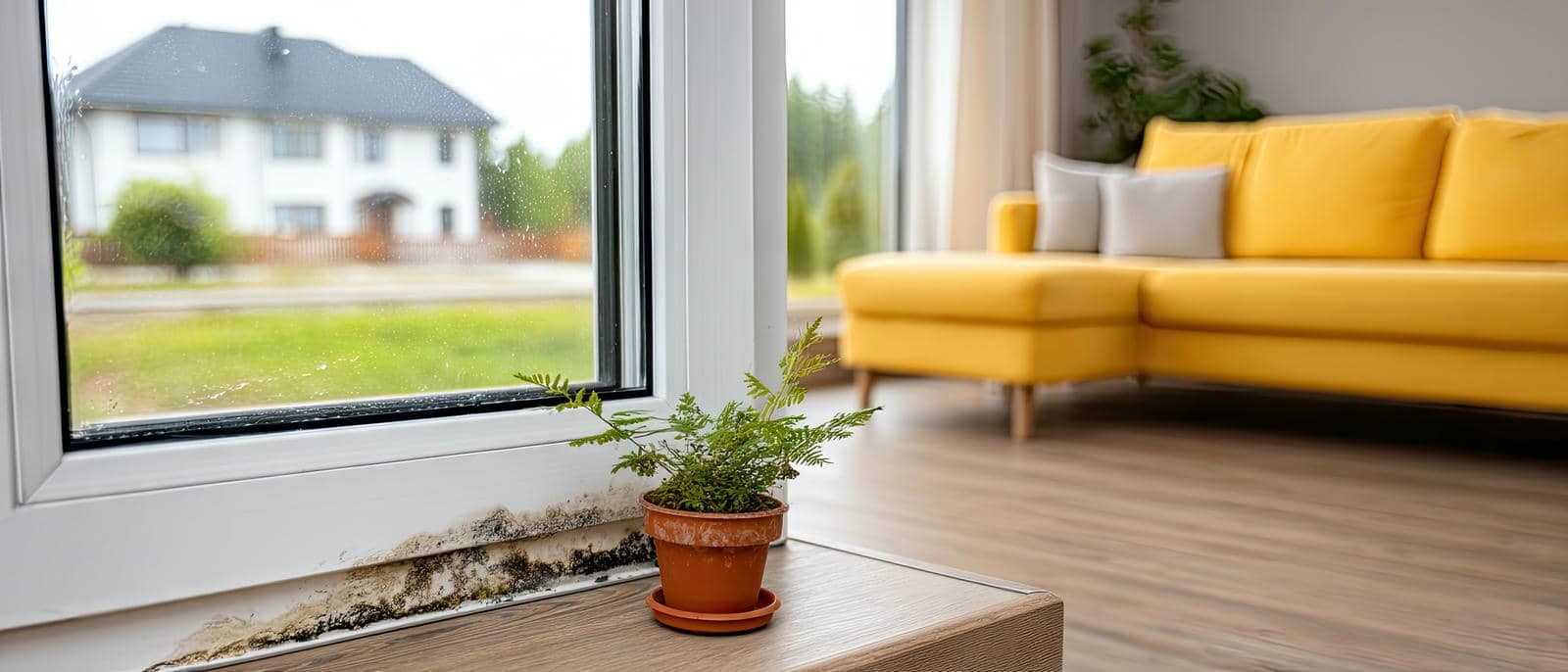
Next, focus on identifying moisture sources, such as water-damaged materials or lingering dampness from extinguishing the fire.
Pay close attention to the HVAC system, as it can circulate mold spores throughout the property.
Once you’ve assessed these factors, document your findings meticulously. This information is vital for determining the extent of the mold infestation and planning effective remediation strategies.
Professional Mold Remediation Services
After identifying mold growth and moisture sources, engaging professional mold remediation services becomes crucial to effectively address the issue.
Trained specialists utilize advanced mold inspection techniques to assess the extent of contamination and determine the most effective course of action. They’ll conduct thorough assessments, identifying hidden mold and moisture areas that may not be visible to the untrained eye.
Once the scope is established, these professionals can provide a detailed plan, outlining necessary remediation steps and associated remediation costs. Understanding these costs upfront helps you make informed decisions, promoting transparency throughout the process.
In addition to removing mold, professional services often include preventive measures to minimize future risks.
DIY Mold Removal Techniques
Effective mold removal requires a proactive approach, and DIY techniques can be a viable option for homeowners willing to tackle minor infestations.
By utilizing home remedies, you can effectively combat mold while also contributing to mold prevention in your living space. Here are three techniques to take into account:
Vinegar Solution: Mix equal parts of white vinegar and water in a spray bottle. Spray affected areas and let it sit for at least an hour before wiping clean.
Baking Soda Paste: Combine baking soda with water to form a paste. Apply this paste to moldy spots, scrub gently, and rinse with water.
Hydrogen Peroxide: Use a 3% hydrogen peroxide solution in a spray bottle. Apply directly to the mold, let it sit for 10 minutes, then scrub and rinse thoroughly.
Preventative Measures to Avoid Future Mold Issues
To prevent future mold issues, it’s crucial to maintain a dry and well-ventilated environment.
Start by implementing effective humidity control measures; keep indoor humidity levels below 60%. Use dehumidifiers in damp areas like basements and bathrooms to absorb excess moisture.
Verify that ventilation systems, such as exhaust fans, are functional and regularly cleaned to facilitate air circulation.
Additionally, consider using mold-resistant materials in your construction and renovation projects. Products like mold-resistant drywall and paints can greatly reduce the risk of mold growth.
Inspect plumbing and roofing regularly for leaks, as these can contribute to moisture accumulation.
Restoration and Reconstruction After Mold Removal
Once mold removal is complete, it’s essential to focus on restoration and reconstruction to ensure your space is safe and habitable again.
Implementing effective restoration techniques ensures that you can reclaim your environment without lingering health risks. Here’s how to proceed:
Assess Structural Integrity: Examine walls, flooring, and ceilings for damage. This step is critical to determine what needs repair or replacement.
Use Appropriate Reconstruction Methods: Choose durable, mold-resistant materials for repairs. Options like fiberglass insulation and sealed drywall can prevent future issues.
Implement Control Measures: Enhance ventilation and moisture control systems. This includes installing dehumidifiers or improving drainage systems to maintain a dry environment.
Frequently Asked Questions
How Long Does Mold Take to Grow After Fire Damage?
In the fire aftermath, mold growth can start within 24 to 48 hours if moisture is present. It’s essential to address water damage immediately to prevent rapid mold proliferation and protect your environment.
Can Mold Affect My Health After Fire Damage?
Yes, mold can affect your health after fire damage. You might experience mold symptoms like respiratory issues, allergies, or skin irritation. Understanding these health risks is essential for ensuring a safe living environment post-recovery.
What Types of Mold Are Common After Fires?
In fire aftermath, common mold types include Stachybotrys, Aspergillus, and Penicillium. These molds thrive in damp, compromised environments and can pose serious health risks, so addressing them promptly is essential for maintaining your safety and well-being.
Is Mold Removal Covered by Homeowners Insurance?
Mold removal’s coverage depends on your insurance policies. Many homeowners’ policies include mold prevention, but specific terms vary. Always review your policy and consult your agent to understand your coverage in detail and ensure adequate protection.
How Can I Tell if Mold Is Completely Removed?
To determine if mold’s completely removed, use mold inspection techniques and conduct post removal testing. Visual inspections, moisture readings, and air quality assessments can help ensure no spores linger, providing peace of mind for your space.
Summary
In the aftermath of fire damage, addressing mold is like tending to a garden after a storm. By evaluating the damage and employing appropriate solutions—whether through professionals or DIY methods—you can cultivate a safe environment. Remember, preventative measures are just as crucial as removal techniques; they help you fortify your space against future threats. With careful attention to detail and the right materials, you can restore your home to a healthy, mold-free haven.