Contents
You might think pest control isn’t vital during roof repairs, but ignoring it can lead to costly damage later. Identifying pest infestations before repairs is essential to ensure your roof remains intact and durable. By using pest-resistant materials and implementing preventative measures, you can greatly reduce vulnerabilities. Let’s explore effective pest control strategies that will help you safeguard your roof from potential pest issues and maintain its longevity.
Key Takeaways
- Conduct thorough visual inspections and utilize traps to identify pest infestations before roof repairs commence.
- Choose pest-resistant roofing materials like metal, clay tiles, or synthetic options for durability and prevention.
- Implement regular maintenance to seal gaps, cracks, and ensure proper ventilation to deter pests.
- Collaborate with pest control professionals for expert inspections and comprehensive assessments during and after repairs.
- Adopt an Integrated Pest Management approach, including vegetation management and proper drainage to minimize pest access.
Assessing Pest Infestation Before Roof Repairs
Before undertaking any roof repairs, it’s vital to assess for pest infestations that could compromise the integrity of your structure.
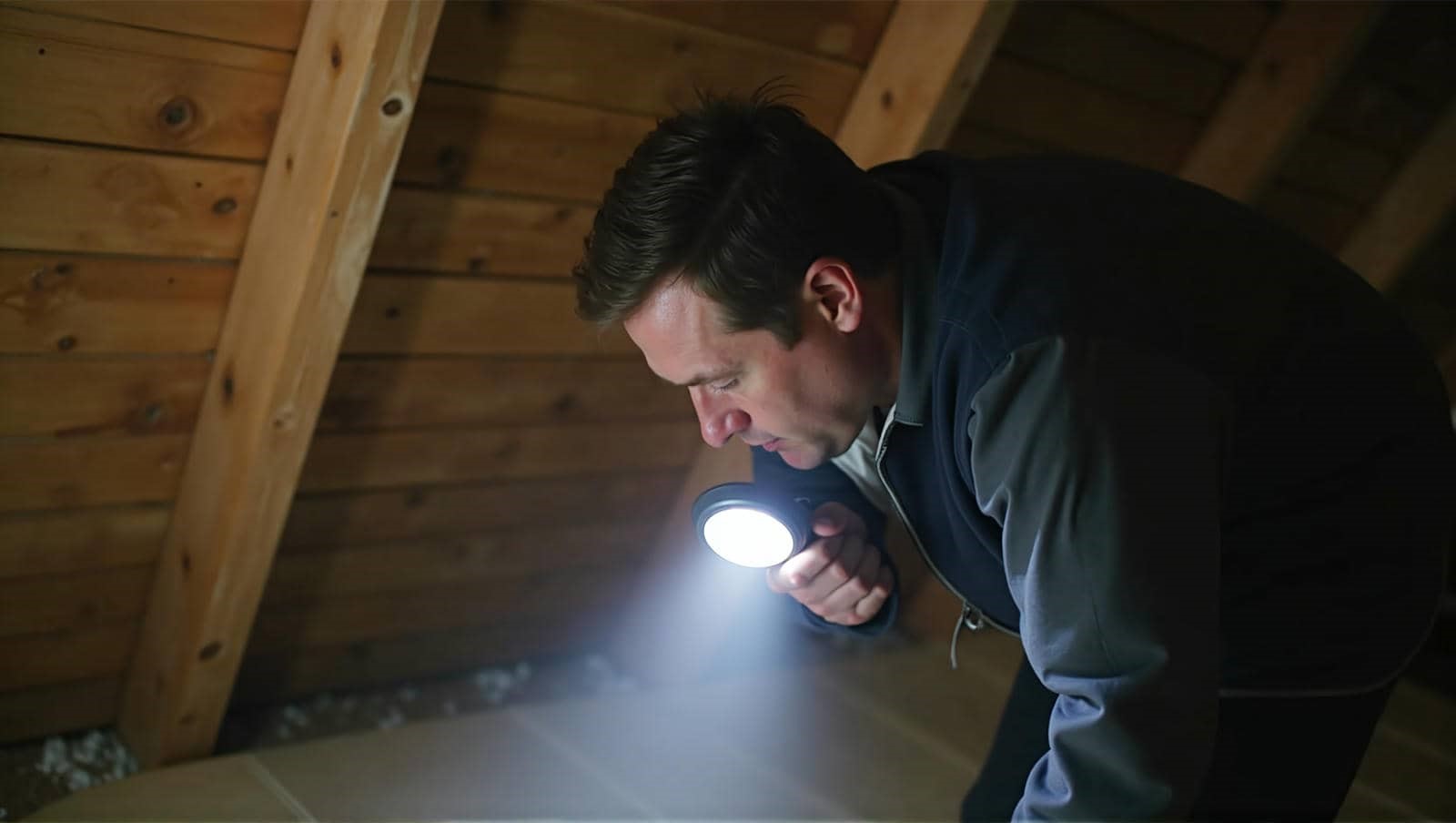
Start by employing effective pest identification techniques, such as visual inspections and the use of traps. Look for infestation warning signs like droppings, gnawed wood, or damaged insulation.
Check for entry points around vents, chimneys, and eaves, as these are common access areas for pests.
If you notice unusual noises or see pests during daylight hours, it’s a strong indication of a more significant problem.
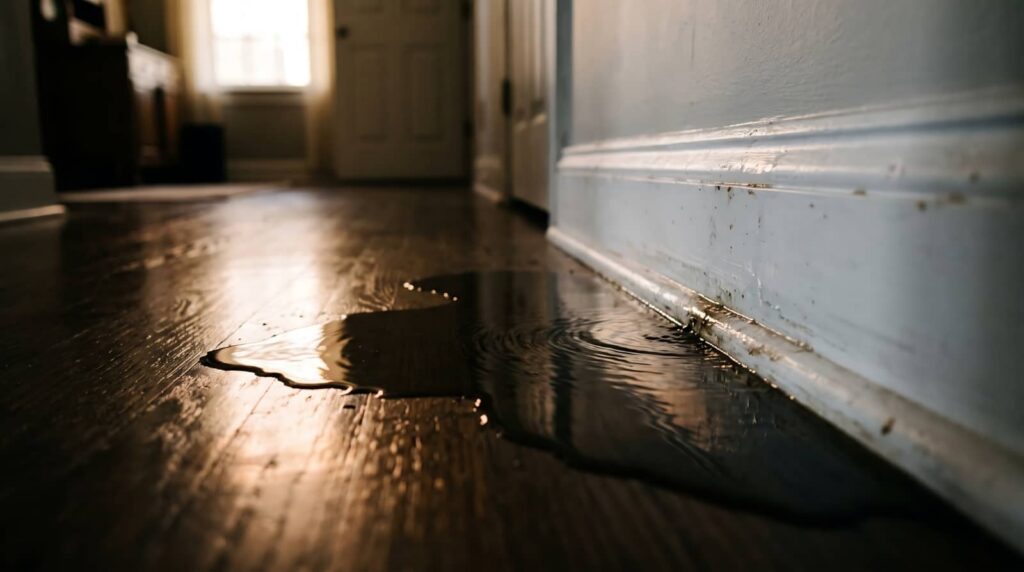
Take note of any signs of moisture, too, since it can attract pests like termites and rodents.
Addressing these issues early on protects your roof and ensures a safe environment for you and your family.
Choosing Pest-Resistant Roofing Materials
When selecting roofing materials, prioritize durability against pests to ensure long-term protection.
Synthetic options, like modified bitumen or metal, often provide superior resistance to insects and rot compared to traditional materials.
Material Durability Against Pests
Choosing roofing materials that resist pests is essential for maintaining the integrity of your roof and preventing costly repairs.
You should consider the following durable materials that come equipped with pest-resistant coatings:
Metal Roofing: Highly durable and naturally pest-resistant, reducing infestation risks.
Clay Tiles: Their dense structure deters pests and withstands extreme weather.
Synthetic Slate: Offers durability and pest resistance with a lightweight design.
Rubber Roofing: Resistant to pests and weather, providing a long-lasting solution.
Benefits of Synthetic Options
Synthetic roofing materials have gained popularity for their aesthetic appeal and for their remarkable resistance to pests. By choosing these synthetic options, you’re investing in a roof that helps safeguard your home against infestations.
Unlike traditional materials, synthetic materials are engineered to withstand the destructive nature of pests such as termites and rodents. This resistance reduces the need for frequent repairs and pest control treatments, offering you long-term benefits.
Additionally, synthetic roofing often requires less maintenance, so you can enjoy peace of mind knowing your roof works harder for you. Ultimately, selecting synthetic options enhances your home’s durability and fosters a sense of belonging in a community that values smart, sustainable living practices.
Implementing Preventative Pest Control Measures
To effectively protect your roof from pest infestations, implementing preventative measures is crucial.
By adopting a proactive approach, you can minimize the risk of damage and ensure the longevity of your roof.
Here are four key strategies to take into account:
Regular Maintenance: Schedule routine inspections and maintenance to identify potential vulnerabilities in your roof structure.
Sealing Entry Points: Inspect for gaps, cracks, or holes where pests may enter, and seal them promptly to prevent access.
Proper Ventilation: Ensure adequate ventilation in your attic to reduce moisture buildup, which can attract pests.
Preventative Treatments: Apply professional-grade pest control treatments around the perimeter of your roof to deter infestations.
Conducting Thorough Inspections During Repairs
While conducting roof repairs, it’s essential to perform thorough inspections to identify any signs of pest damage or potential entry points. Start by using effective inspection techniques, such as visual assessments, moisture detection tools, and close examinations of roofing materials. This approach helps uncover hidden issues that could lead to future infestations or structural damage.
Integrate your inspection process into your repair scheduling. This ensures you address any pest-related concerns before they escalate, allowing for a more efficient repair timeline. When you spot damage or vulnerabilities, document these findings to guide your repair strategy effectively.
Don’t overlook areas like eaves, vents, and chimneys, as these are common entry points for pests. A meticulous inspection during your roof repairs enhances your home’s integrity and fosters a sense of community, knowing you’re safeguarding your living space against unwanted invaders.
Sealing Entry Points to Deter Pests
As you address roof repairs, sealing entry points becomes crucial to deterring pests from infiltrating your home.
Effective entry point sealing minimizes vulnerabilities and enhances your pest deterrent methods. Here are four key strategies to implement:
Inspect and Repair Gaps: Check for gaps around vents, chimneys, and skylights. Seal them with appropriate materials like caulk or foam.
Secure Roof Penetrations: Confirm that pipes and cables entering your roof are tightly sealed to prevent pest access.
Install Screens: Use mesh screens on vents and openings to block pests while allowing airflow.
Maintain Overhangs: Trim overhanging branches that can serve as bridges for pests to reach your roof.
Collaborating With Pest Control Professionals
When addressing pest issues during roof repairs, collaborating with pest control professionals is essential.
They can provide thorough inspections to identify hidden infestations and recommend an Integrated Pest Management approach tailored to your specific situation.
This partnership ensures effective and sustainable pest control while safeguarding your roof investment.
Importance of Professional Inspections
Engaging a pest control professional for a thorough inspection before and after roof repairs is essential to ensuring long-term structural integrity.
Regular inspections can help you identify potential issues early and facilitate routine maintenance.
Here are four key benefits of professional inspections:
Early Detection: Catch infestations or damage before they escalate.
Expert Analysis: Professionals understand pest behavior and can recommend timely repairs.
Comprehensive Assessment: They’ll evaluate both visible and hidden areas for damage.
Preventative Strategies: Pest control experts can suggest ongoing solutions to deter future infestations.
Integrated Pest Management Approach
Collaborating with pest control professionals through an Integrated Pest Management (IPM) approach offers a thorough strategy for managing pests during roof repairs. This method emphasizes pest identification techniques to accurately diagnose issues and mitigate environmental impact. By working together, you can ensure that both immediate and long-term pest control measures are effectively implemented.
| Phase | Action | Outcome |
|---|---|---|
| Inspection | Identify pests | Accurate diagnosis |
| Planning | Develop a control strategy | Effective pest management |
| Implementation | Apply targeted treatments | Minimized environmental harm |
| Monitoring | Regularly check pest levels | Continuous improvement |
| Evaluation | Assess strategy effectiveness | Enhanced future planning |
Through IPM, you’ll foster a healthier environment while achieving successful roof repairs.
Maintaining a Pest-Free Environment Post-Repair
Although roof repairs can markedly enhance your home’s structural integrity, maintaining a pest-free environment afterward requires diligent follow-up actions.
To ensure effective post-repair maintenance, consider these essential pest prevention tips:
Inspect Regularly: Conduct routine checks on your roof and surrounding areas for signs of pests or damage.
Seal Entry Points: Identify and seal any gaps or cracks where pests might enter your home.
Trim Vegetation: Keep trees and shrubs well-trimmed to prevent pests from accessing your roof.
Manage Moisture: Ensure proper drainage and ventilation to reduce damp areas that attract pests.
Frequently Asked Questions
How Can I Identify Signs of Pest Damage on My Roof?
To identify signs of pest damage on your roof, look for droppings, chewed materials, or nesting debris. Different pest types, like termites or rodents, leave distinct marks, so stay vigilant for these damage signs.
What Are the Costs Associated With Pest Control for Roof Repairs?
Isn’t it funny how pest control pricing often feels like a hidden treasure? You’ll find roof repair expenses vary, typically ranging from $100 to $500, depending on severity, pest type, and treatment method.
How Often Should I Have My Roof Inspected for Pests?
You should schedule a pest inspection at least annually to maintain your roof’s integrity. Regular inspections, combined with proactive roof maintenance tips, help prevent infestations and protect your home from costly damage.
Are There DIY Pest Control Methods for Roofs?
Yes, you can use natural remedies like diatomaceous earth and essential oils to deter pests. Additionally, setting up pest traps on your roof can effectively monitor and manage any infestations you might encounter.
What Is the Best Season for Pest Prevention Efforts on Roofs?
Many believe spring’s the ultimate time for pest prevention, but winter vigilance is essential too. Start your spring prevention efforts early, ensuring your roof’s protected before pests emerge, keeping your home safe and sound.
Summary
By implementing these pest control strategies, you’re not just repairing your roof; you’re fortifying your home against unwelcome intruders, much like building a castle with impenetrable walls. Regular inspections, pest-resistant materials, and sealing entry points create a robust defense. Collaborating with pest control professionals ensures that every corner is protected. Remember, a well-maintained roof is your first line of defense, safeguarding your sanctuary from the creeping threats that lurk above. Keep your home a fortress!