Contents
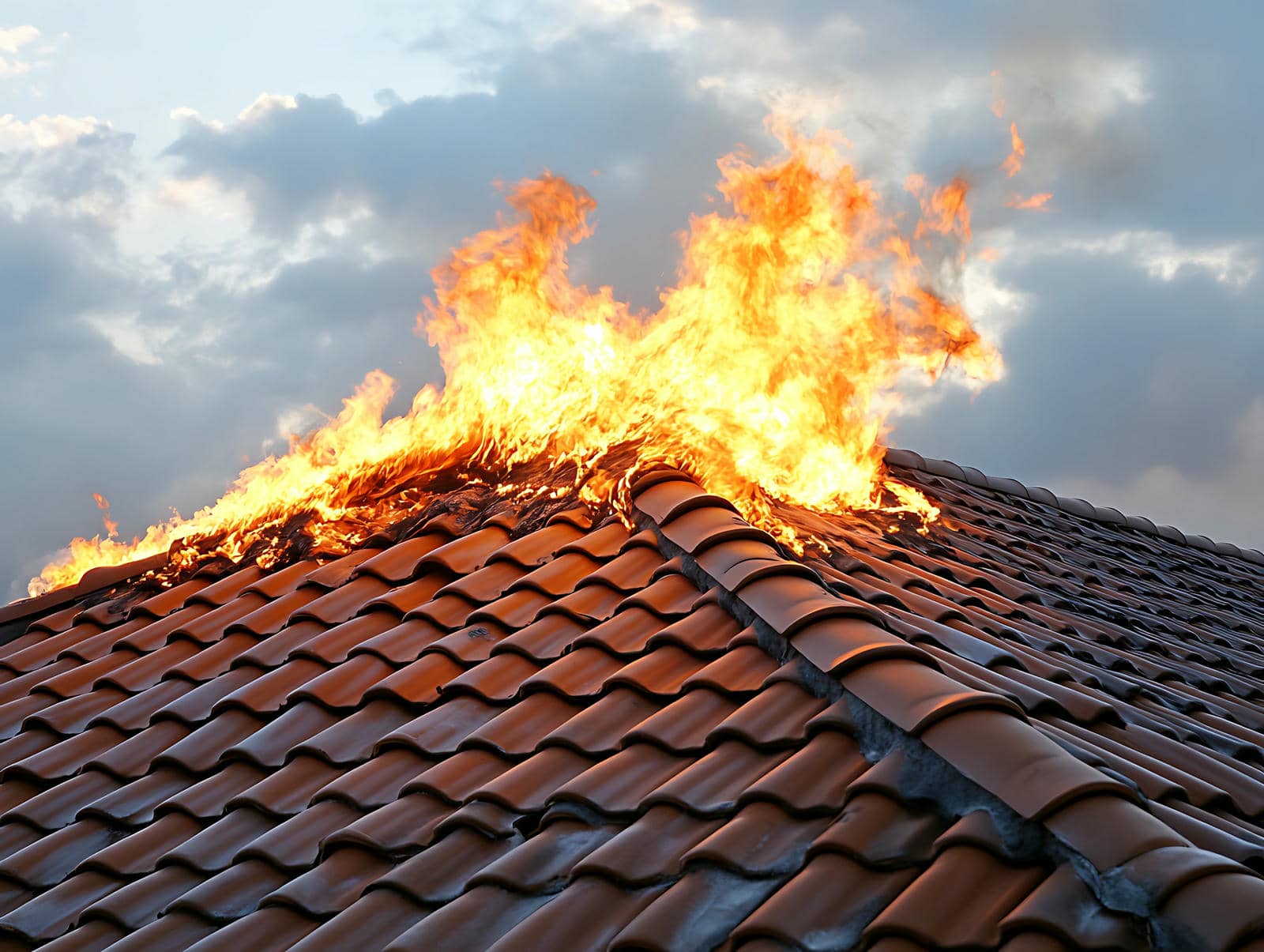
Just as a phoenix rises from its ashes, your roof can be restored after fire damage with the right methods. Begin with a detailed assessment to identify both visible and hidden issues. Safety precautions are essential before you tackle repairs. Temporary coverings can shield your home from the elements while you plan your next steps. Understanding how to replace shingles and address structural concerns will be vital in achieving effective repairs. What’s the best approach for your specific situation?
Key Takeaways
- Conduct a thorough inspection to identify visible and hidden fire damage before initiating any repairs.
- Use temporary coverings like tarps to protect the roof from further damage while repairs are planned.
- Replace damaged shingles with fire-resistant materials that match the existing roof for aesthetic consistency.
- Involve professionals for significant issues like sagging, distortion, or compromised structural integrity.
- Ensure safety precautions are followed, including PPE and checking for electrical hazards before commencing repairs.
Assessing Fire Damage to the Roof
When evaluating fire damage to the roof, it’s vital to conduct a thorough inspection to identify both visible and hidden issues.
Start with visual inspection techniques, examining the roof surface for charred materials, discoloration, or warping. Look closely at seams and flashing, where damage might be more subtle.
Utilize damage assessment tools, such as infrared cameras, to detect heat signatures that indicate underlying problems. These tools can reveal hidden damage that mightn’t be immediately apparent.
Document your findings meticulously, noting the extent of damage and areas needing repair. It’s important to involve professionals if you encounter significant damage or structural concerns, as their expertise guarantees a detailed evaluation.
Engaging with others who’ve faced similar challenges can provide insights and support during this process.
Safety Precautions Before Starting Repairs
Before starting any repairs, it’s essential to prioritize safety to protect yourself and others.
Begin by guaranteeing you have the necessary personal protective equipment (PPE) ready. This includes hard hats, gloves, goggles, and respirators, which can safeguard you against potential hazards.
Additionally, develop an emergency response plan. Share this plan with your team, guaranteeing everyone knows how to react in case of further emergencies.
Here are some key safety precautions to implement:
- Inspect the area for structural instability before accessing the roof.
- Guarantee electrical systems are de-energized to prevent shock hazards.
- Use ladders and scaffolding properly, adhering to safety standards.
- Keep a fire extinguisher on hand in case of flare-ups.
Temporary Roof Coverings for Immediate Protection
To protect your property from further damage after a fire, implementing temporary roof coverings is essential. Emergency coverings like tarps can shield your home from rain and debris until permanent repairs are made. Here’s a quick overview of the installation process:
| Step | Description |
|---|---|
| Assessment | Inspect the damage to determine coverage area. |
| Preparation | Gather materials: tarps, ropes, and tools. |
| Installation | Secure the tarp over the damaged area, ensuring it overlaps well. |
| Securing | Use ropes or weights to fasten the tarp tightly. |
| Monitoring | Regularly check the tarp for wear or damage. |
Replacing Damaged Shingles and Materials
After securing temporary coverings, the next step involves replacing damaged shingles and materials to restore your roof’s integrity.
You need to carefully assess the fire damage before proceeding. Selecting the right shingle types is essential, as different materials offer varying levels of durability and resistance to future incidents.
Consider these factors when replacing shingles:
- Material compatibility: Confirm new shingles match existing materials for a seamless look.
- Fire resistance ratings: Choose materials designed to withstand high temperatures.
- Longevity: Opt for shingles with proven durability to extend roof life.
- Aesthetic consistency: Maintain visual uniformity by matching colors and styles.
Repairing Structural Damage and Supports
Once you’ve assessed the fire damage on your roof, addressing any structural damage and supports becomes vital for guaranteeing the safety and longevity of your home.
Start by inspecting the load bearing elements, such as beams and trusses, for signs of warping, cracking, or charring. These components are essential for maintaining your roof’s structural integrity. If you find any compromised elements, replace them with materials that meet current building codes.
Next, reinforce any weakened areas by adding support brackets or additional beams where necessary. This step not only restores strength but also provides peace of mind knowing your roof can withstand future stresses.
Consider consulting a structural engineer to verify your repairs are adequate and compliant. Remember, effective repairs now can prevent costly issues later, securing a safe environment for you and your family.
Prioritize these repairs for a resilient home.
Insulation and Ventilation Considerations
With structural integrity restored, it’s important to focus on insulation and ventilation to guarantee your roof functions effectively.
Proper insulation types and a well-designed ventilation system are essential for maintaining energy efficiency and preventing moisture buildup, which can lead to further damage.
Consider the following aspects:
Insulation types: Choose between fiberglass, foam, or cellulose based on your specific needs and climate.
Ventilation systems: Implement ridge vents, soffit vents, or gable vents to promote air circulation.
Airflow balance: Confirm an adequate ratio of intake and exhaust vents for peak performance.
Moisture control: Install vapor barriers where necessary to reduce humidity levels in the attic.
Waterproofing and Fire-Resistant Coatings
To guarantee your roof withstands future threats, applying waterproofing and fire-resistant coatings is essential.
Start by selecting appropriate waterproofing techniques, such as liquid membranes or sealants, that create a barrier against moisture infiltration. These methods not only protect your roof from water damage but also enhance its overall durability.
Next, incorporate fire retardant materials into your roof’s surface. These coatings can greatly reduce the risk of fire spread by creating a protective layer that resists ignition and slows down flames.
Ascertain that the materials you choose comply with local fire safety regulations for maximum effectiveness.
Professional Help: When to Call an Expert
When should you consider calling in a professional for roof repairs after fire damage? If you notice significant structural issues or extensive damage, it’s vital to reach out to roofing specialists.
Here are some situations when you should contact an expert:
- There’s visible sagging or distortion in the roof structure.
- You observe smoke damage or charred materials that compromise integrity.
- Water leaks occur, indicating damage to underlying layers.
- You lack the necessary tools or expertise to assess the damage safely.
In these cases, having emergency contacts for qualified roofing specialists is essential. They can provide detailed inspections and recommend effective repair methods tailored to your specific needs.
Don’t hesitate to seek help; addressing these issues promptly can prevent further complications. Your safety and the longevity of your roof depend on it.
Frequently Asked Questions
How Can I Prevent Future Fire Damage to My Roof?
To prevent future fire damage to your roof, prioritize fire safety through regular roof maintenance. Inspect for debris, maintain clear gutters, and choose fire-resistant materials to enhance protection and guarantee your home remains safe and secure.
What Insurance Coverage Is Needed for Fire-Related Roof Repairs?
To cover fire-related roof repairs, you need thorough fire insurance with adequate coverage limits. Review your policy to verify it includes replacement costs and consult your agent for options that suit your specific needs.
Can I Use Regular Materials After Fire Damage?
Imagine a phoenix rising from ashes; after a fire damage assessment, you can’t just use regular materials. Choose roofing material selection wisely, ensuring it meets safety standards and restores your home’s strength and spirit.
How Long Does the Roof Repair Process Typically Take?
The repair duration for roof restoration typically ranges from a few days to several weeks, depending on damage severity and project timeline. You’ll want to consult professionals to get an accurate estimate tailored to your situation.
Are There Specific Fire-Resistant Roofing Materials Available?
When it comes to safeguarding your home, you’ll find fire retardant shingles and non-combustible materials are excellent choices. These options provide peace of mind, ensuring your roof stands resilient against potential fire hazards while enhancing your home’s integrity.
Recap
So, if you think slapping a tarp on a singed roof and calling it a day will cut it, think again. You need to assess the damage, replace those charred shingles with fire-resistant materials, and repair any structural issues unless you fancy your roof collapsing like a poorly timed punchline. Remember, waterproofing’s not just for rainy days; it’s your shield against future disasters. And when in doubt, don’t hesitate to call in the pros better safe than sorry!