Contents
When faced with water damage, you might feel overwhelmed by potential water damage repair costs. Fortunately, there are several affordable options available. From evaluating the damage yourself to weighing DIY fixes, you can often save money. Engaging with local restoration companies that offer competitive pricing is another smart move. But before you decide on a course of action, it’s essential to understand the different types of water damage and how they affect your repair choices.
Key Takeaways
- Compare multiple local repair companies to find affordable rates and reliable services tailored to your needs.
- Check customer reviews to gauge quality and assess which companies offer the best value for money.
- Look for professionals who understand insurance coverage to help offset repair costs effectively.
- Request detailed estimates from several providers to ensure transparent pricing and avoid hidden fees.
- Consider engaging companies that offer warranties on their work for added peace of mind and assurance of quality.
Understanding Water Damage Types
When you experience water damage, it’s essential to identify the type right away, since each one requires a different approach to repair.
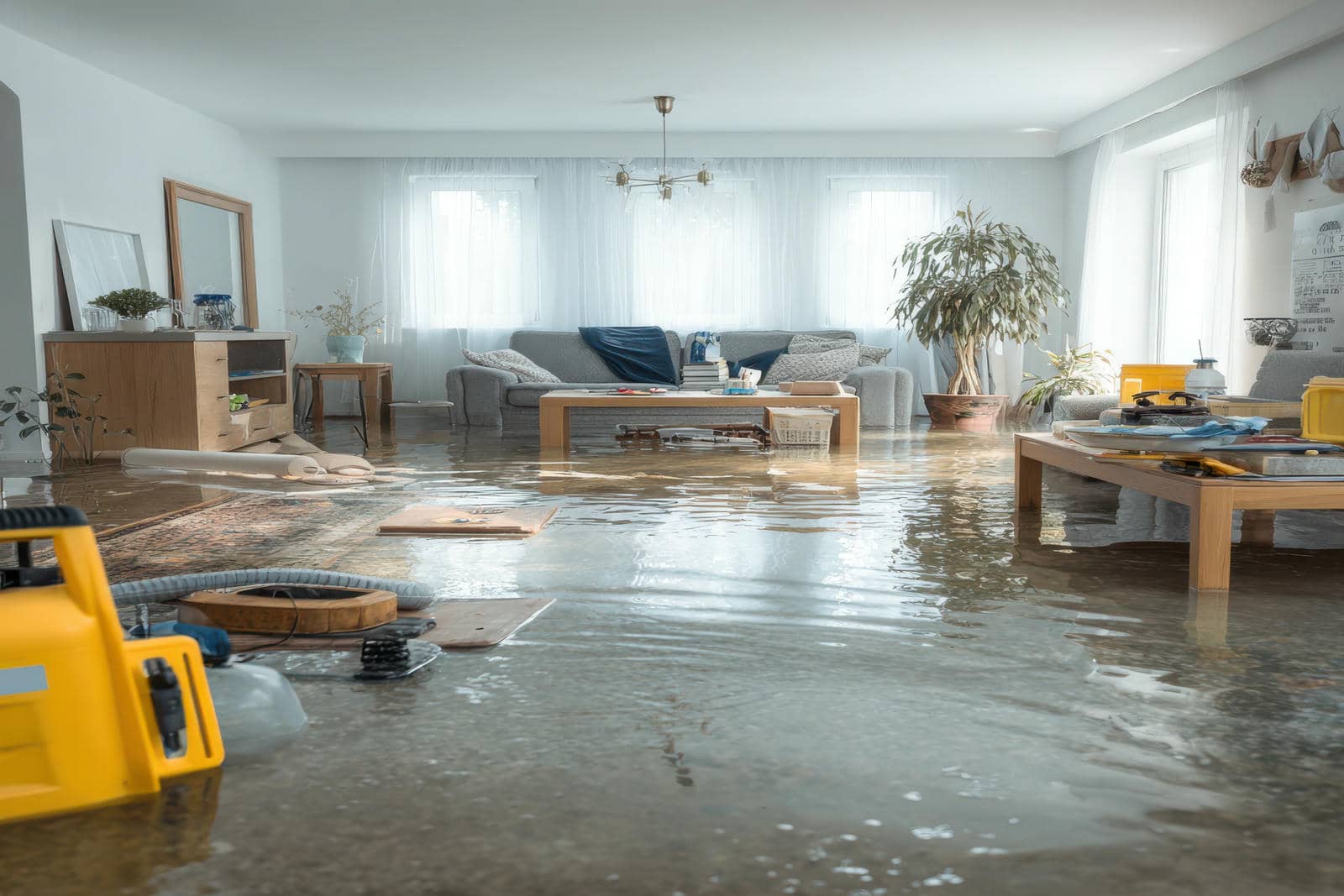
For instance, flood damage often stems from heavy rainfall or burst pipes, leading to significant structural issues. You’ll want to act quickly to minimize further harm. If left unchecked, flood damage can create a breeding ground for mold growth, which poses health risks and complicates repairs.
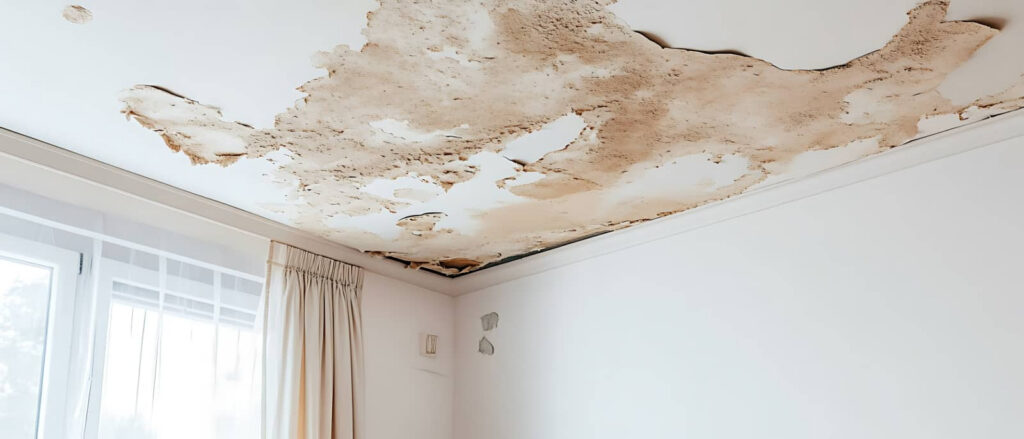
Another type of water damage is from leaks, which might go unnoticed until they cause stains or rot.
Understanding these distinctions not only helps you tackle the issue effectively but also allows you to seek the right resources and support.
Whether you’re dealing with flood damage or leaks, knowing what you’re facing can empower you to make informed decisions and protect your home.
Assessing the Extent of Damage
After identifying the type of water damage, the next step involves evaluating how extensive the damage really is. You’ll want to conduct a thorough damage evaluation to pinpoint affected areas.
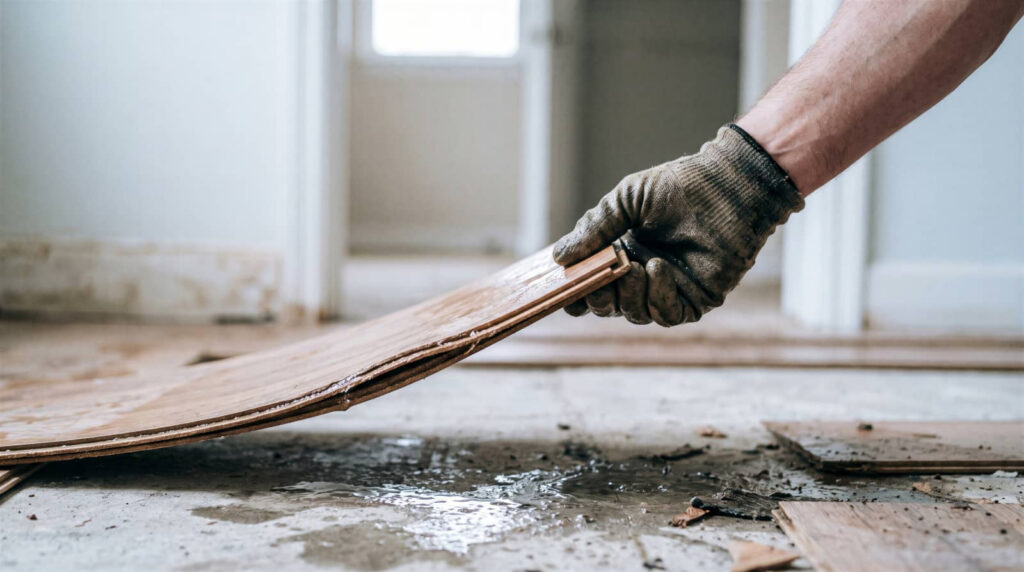
Start by checking walls, floors, and ceilings for discoloration or warping. Moisture detection tools, like moisture meters, can help you measure the moisture levels in materials, ensuring you catch hidden damage before it worsens.
Don’t forget to inspect insulation and crawl spaces, as these areas often hide problems that aren’t immediately visible. Taking notes during your assessment will help you keep track of the damage and prioritize repairs.
DIY Repair Techniques
DIY water damage repair can be a cost-effective way to restore your home without relying on professionals. Start by gathering your emergency kits, which should include essentials like towels, a wet/dry vacuum, and a dehumidifier. Quickly remove standing water to prevent further damage and mold growth.
Next, dry out affected areas with fans or open windows, ensuring proper ventilation. For walls and floors, inspect for mold and treat it promptly using a mixture of water and vinegar or a store-bought mold remover.
Once everything’s dry, you can patch up small holes or cracks with spackle or caulk. Don’t forget to apply a mold prevention spray to safeguard against future issues.
Cost-Effective Professional Services
When facing water damage, exploring local repair companies can lead you to affordable and reliable services.
Many of these professionals understand the nuances of insurance coverage options that might help offset your costs.
Local Repair Companies
Finding local repair companies for water damage can be a game changer when dealing with the aftermath of a disaster. By choosing professionals in your area, you benefit from their local expertise, which often leads to quicker response times and a better understanding of regional issues.
You’re not just hiring a service; you’re connecting with people who know your community and care about its residents.
To make an informed choice, check customer reviews online. These testimonials provide valuable insights into the reliability and quality of the work.
Local companies often prioritize customer satisfaction, ensuring you receive personalized attention. By engaging with your community’s repair professionals, you can restore your home while supporting local businesses. It’s a win-win!
Insurance Coverage Options
Understanding your insurance coverage options is essential for managing water damage repairs effectively, especially since the costs can quickly add up.
Start by reviewing your policy limits to determine what’s covered. Most homeowners’ insurance policies include coverage for water damage, but specifics can vary.
Familiarize yourself with the claim process to guarantee you submit everything correctly and promptly. If you’re unsure about your coverage, reaching out to your insurance agent can provide clarity and guidance.
They’ll help you understand how to navigate your policy and maximize your benefits. Remember, knowing your coverage options not only helps ease financial strain but also connects you with resources that can make this challenging situation a bit more manageable.
Insurance Coverage for Water Damage
Understanding your insurance coverage for water damage is essential to managing repairs after an incident.
You’ll want to know the types of coverage available, how to file a claim, and any exclusions that might affect your situation.
Knowing these details can help you make informed decisions and potentially save you money in the long run.
Types of Coverage
When you face water damage, knowing the types of insurance coverage available can make all the difference.
Standard homeowners insurance often covers sudden, accidental water damage, but be aware of coverage limits. This means there’s a cap on how much your policy will pay out.
If you live in a flood-prone area, you might need a separate flood insurance policy, as most standard plans don’t cover it.
Consider adding policy riders for specific situations, like sewer backup or appliance malfunctions. These can enhance your coverage and provide peace of mind.
Filing a Claim
Filing a claim for water damage can feel overwhelming, especially if you’re unsure of the process.
To start, familiarize yourself with the claim process outlined by your insurance company. Gather all necessary documentation, like photos of the damage, repair estimates, and any related receipts. These documentation requirements are essential for your claim to be processed smoothly.
Don’t hesitate to reach out to your claims adjuster with any questions; they’re there to help you navigate this challenging time.
Remember, being organized and proactive can make a significant difference in how quickly your claim gets approved.
Policy Exclusions Explained
While managing your insurance policy, it’s essential to be aware of potential exclusions that can affect your coverage for water damage. Many policies come with specific limitations that might leave you vulnerable.
For example, damage caused by gradual leaks or lack of maintenance often leads to claim denials. It’s vital to read your policy thoroughly and understand what’s included and what’s not. Certain events, like floods or sewer backups, may require additional riders or separate policies altogether.
Preventative Measures for Future Incidents
To prevent future water damage incidents, it’s essential to take proactive steps in your home maintenance routine.
Start by implementing waterproofing techniques around your home. This includes sealing cracks in foundations and ensuring that your gutters and downspouts direct water away from your property. Regularly inspect your plumbing for leaks and fix any issues immediately to avoid bigger problems later.
Another key element is preparing an emergency kit.
Include essential items like a sump pump, tarps, and duct tape to quickly address minor leaks or flooding. Make sure you also have a flashlight and batteries handy, just in case you need to navigate in low light.
Finding Reliable Restoration Companies
How can you guarantee you’re choosing the right restoration company after water damage? Start by researching reviews from previous customers. These insights can reveal a lot about a company’s reliability and quality of service. Look for companies with consistently positive feedback, as this often indicates a trustworthy choice.
Next, don’t hesitate to reach out to multiple companies. Comparing estimates helps you understand the market rate and ensures you’re not overpaying. Be sure to ask about their experience, certifications, and the methods they use for restoration.
Additionally, check if they offer a warranty on their work, which can provide peace of mind.
Finally, trust your instincts. If a company makes you feel uncomfortable or isn’t transparent, it’s okay to keep looking. You deserve a restoration partner who values your home just as much as you do.
Frequently Asked Questions
How Can I Identify Hidden Water Damage in My Home?
To identify hidden water damage, check for water stains on ceilings and walls. Feel for damp walls; they often indicate leaks. Don’t ignore musty odors, as they can signal hidden moisture and mold growth.
What Materials Are Best for DIY Water Damage Repairs?
When tackling DIY water damage repairs, think of it as building a fortress. Use water-resistant materials like vinyl or fiber cement siding, and consider insulation options like closed-cell spray foam for maximum protection against future moisture issues.
How Long Does It Take for Mold to Develop After Water Damage?
Mold growth can start within 24 to 48 hours after water exposure. To prevent it, dry your space quickly and thoroughly. Keep an eye out for dampness to protect your home and health.
Are There Government Grants Available for Water Damage Repairs?
You’ll be amazed at how many resources exist! Yes, there’s government assistance available for water damage repairs. Look into local grants and repair funding options to help ease your financial burden during tough times.
How Can I Prevent Future Water Leaks in My Home?
To prevent future water leaks, you need to implement preventative measures like checking your roof, cleaning gutters, and inspecting pipes. Regular routine maintenance guarantees your home stays dry and secure, fostering a safe environment for everyone.
Summary
Maneuvering through water damage repair doesn’t have to break the bank. By understanding the types of damage, evaluating the situation, and considering DIY techniques, you can save money while effectively addressing the issue. Don’t forget to explore cost-effective professional services and your insurance options. And remember, taking preventative measures can keep future problems at bay. So, the next time disaster strikes, you’ll be ready, armed with knowledge and practical solutions to tackle it head-on.