Contents
When you’re faced with fire damage, it’s vital to approach the assessment methodically. Start by ensuring your safety and identifying hazards before entering the property. Once you’re inside, evaluate the structural integrity, followed by inspections of electrical systems and HVAC units. Each step is essential for a thorough understanding of the damage. Understanding these factors can greatly impact your restoration strategy and insurance claims. What’s the next vital step in the process?
Key Takeaways
- Begin with a safety evaluation of the site, confirming safety declarations and wearing appropriate PPE before entering the area.
- Perform a thorough inspection of structural integrity, looking for warping, cracking, or other signs of damage.
- Inspect electrical systems for damaged wiring, circuit breakers, and appliances to prevent potential hazards.
- Document smoke and soot damage through photographs and detailed inventories of affected items for insurance claims.
- Assess flooring and carpeting for discoloration or odors, considering replacement options based on the extent of damage.
Understanding the Types of Fire Damage
When you assess fire damage, it’s vital to understand the various types that can occur, as each type presents unique challenges and requires specific remediation strategies. The primary fire types include structural, electrical, and chemical.
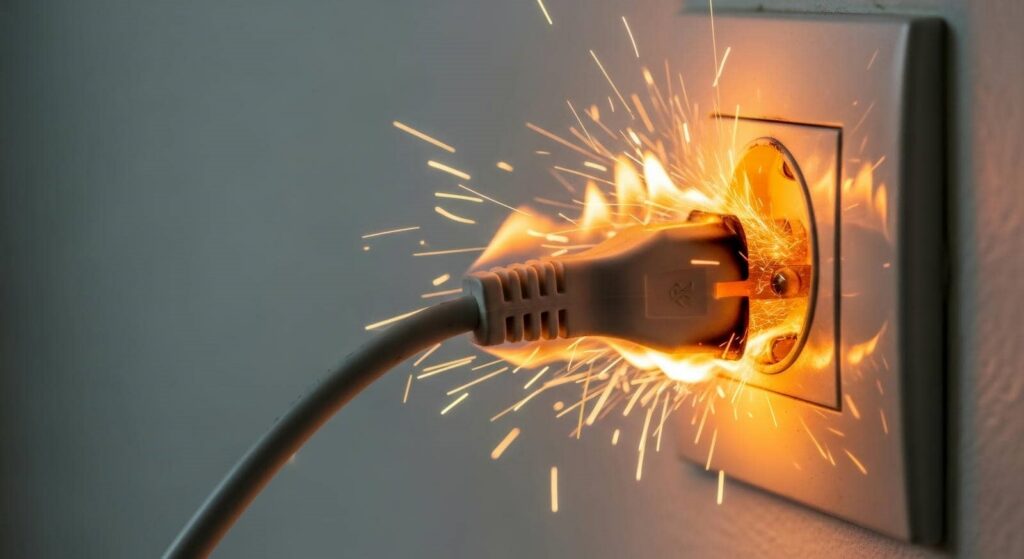
Structural fires typically involve combustible materials, leading to extensive damage to walls, ceilings, and foundations. Electrical fires often leave behind soot and charred wiring, requiring careful inspection to ensure safety. Chemical fires can result from hazardous materials, requiring specialized cleanup to prevent further risk.
During your damage assessment, it’s important to identify the fire type accurately. This identification informs the remediation approach, guiding you in prioritizing safety and salvaging valuable assets.
Safety Precautions Before Entering the Property
Before you enter a property affected by fire, it’s essential to take specific safety precautions to protect yourself and others.
Start by evaluating the area for potential hazards like smoke, structural damage, or hazardous materials. Confirm that the site has been declared safe by emergency responders before proceeding.
Wear personal protective equipment (PPE) such as gloves, masks, goggles, and sturdy boots to shield yourself from soot, toxic fumes, and sharp debris.
Check for lingering smoke or gas odors, which can indicate hidden dangers. Maintain a clear exit route in case you need to evacuate quickly.
Always work with a partner; never enter alone, as this enhances safety and support.
Remember, fire safety is paramount—take your time, stay alert, and prioritize your well-being before beginning any evaluation or recovery efforts.
Following these steps will help ensure that you’re prepared for the task ahead.
Evaluating Structural Integrity
Evaluating structural integrity is essential after a fire incident to ensure the safety of those entering the property.
Begin with thorough structural assessments, focusing on the building’s framework and materials affected by heat and flames. Check for visible signs of compromise, such as warping, cracking, or discoloration in beams and columns.
Next, conduct a load-bearing evaluation to determine if key structural elements can still support the weight of the building. This involves examining floor joists, roof trusses, and load-bearing walls.
Utilize specialized tools and consult with an engineer if necessary, as their expertise can provide valuable insights.
Document your findings meticulously, as this information will guide any necessary repairs or renovations.
Remember, ensuring structural integrity isn’t just about safety; it’s about restoring a sense of home and security for those affected.
Stay methodical and focused, and you’ll help pave the way for recovery.
Inspecting Walls and Ceilings
After evaluating structural integrity, turn your attention to the walls and ceilings, as they often bear the brunt of fire damage.
Carefully inspect these surfaces for essential signs that indicate the extent of the damage. Here’s what to look for:
Wall discoloration patterns: Notice any unusual colors, such as dark stains or fading, which can reveal heat intensity and smoke penetration.
Cracks and warping: Check for any structural deformities that can compromise safety and indicate more serious damage.
Ceiling smoke residues: Identify blackened areas or soot marks, as these can point to smoke drift and prolonged exposure to flames.
Peeling paint or wallpaper: Look for areas where finishes are flaking, signaling moisture or heat effects.
Document these findings meticulously, as they’re crucial for evaluating repair needs and ensuring a safe restoration process.
Assessing Electrical Systems
When evaluating electrical systems after a fire, you must first inspect the integrity of the wiring to ensure it’s not compromised.
Next, examine the circuit breakers for functionality and signs of damage, as they play an essential role in safety.
Finally, review any appliances for damage, as they can pose hazards if still connected to the system.
Inspect Wiring Integrity
Inspecting wiring integrity is vital after a fire, as damage to electrical systems can pose serious safety risks.
A thorough wiring assessment helps ensure fire safety and prevents future hazards. Here’s how to systematically evaluate the wiring:
Visual Inspection: Look for signs of charring, melting, or discoloration on wiring and insulation.
Check Connections: Confirm all connections are secure and free from corrosion or damage.
Test for Continuity: Use a multimeter to test each wire for electrical continuity, identifying any breaks or shorts.
Assess Grounding: Verify that the grounding system is intact and functioning, as this is essential for safety.
Evaluate Circuit Breakers
Evaluating circuit breakers is an essential step in reviewing electrical systems following fire damage.
Begin by inspecting each circuit breaker for signs of damage, such as burn marks or melted components. You’ll want to test their functionality to ensure they trip correctly under overload conditions.
If a breaker fails to reset or shows signs of wear, it’s vital to replace it immediately. Remember to follow electrical safety precautions, like turning off the main power supply before handling any breakers.
Document your findings meticulously, noting any necessary replacements or repairs. This helps maintain a safe environment and ensures that the electrical system functions efficiently.
Prioritizing this evaluation fosters a sense of security for everyone in the affected space.
Assess Appliance Damage
Evaluating appliance damage after a fire is essential for ensuring safety and functionality.
Start by examining each appliance to determine if it’s safe to use or needs replacement. Follow these steps:
Inspect for visible damage: Look for burn marks, melted components, or cracks.
Check electrical connections: Verify cords and plugs are intact and not frayed or damaged.
Test functionality: If safe, plug in appliances to see if they operate properly. If uncertain, avoid testing.
Consult a professional: For uncertain cases, hire an electrician to evaluate appliance safety and recommend replacements as necessary.
Analyzing Flooring and Carpeting
When you analyze flooring and carpeting after a fire, start with a thorough visual inspection to identify any visible damage or discoloration.
Next, assess any lingering odors, as these can indicate deeper issues within the materials.
Finally, consider material replacement options based on the extent of damage and safety standards.
Visual Inspection Techniques
Although fire damage can manifest in various ways, a thorough visual inspection of flooring and carpeting is essential for evaluating the extent of the destruction.
Use specific inspection tools to identify critical visual cues that indicate damage. Here’s how to proceed:
Examine for discoloration: Look for darkened areas or burn marks on the surface.
Inspect for structural integrity: Check for warping or buckling in flooring materials.
Assess for smoke residue: Identify soot and ash accumulation, especially in corners.
Evaluate odors: While not covered here, visual clues can indicate deeper issues related to smells.
Odor Assessment Methods
To effectively assess odors in flooring and carpeting after fire damage, you’ll want to adopt a systematic approach that highlights the source and severity of the issue.
Start by sniffing the affected areas to identify the most pungent spots. Use odor removal techniques such as enzyme cleaners or specialized deodorizing agents to treat localized areas, ensuring to follow the manufacturer’s instructions.
If the smell persists, consider professional-grade solutions that penetrate deeper into fibers. For immediate relief, you might employ scent masking solutions, like air fresheners or odor-neutralizing sprays, but remember these are temporary fixes.
Document your findings and treatments, as this will help in evaluating the effectiveness of your methods and guide further action if necessary.
Material Replacement Considerations
Material replacement becomes a critical evaluation following fire damage, particularly in flooring and carpeting.
You’ll need to assess various material types and their replacement costs to ensure you make informed decisions. Here are key factors to contemplate:
Material Durability: Assess how well each material withstands heat and smoke exposure.
Aesthetic Appeal: Contemplate how the replacement materials will fit with your home’s overall design.
Cost of Installation: Factor in labor costs alongside the price of the materials.
Long-term Maintenance: Understand the upkeep required for each material type to maintain its appearance and functionality.
Checking HVAC Systems
After a fire, it’s essential to check HVAC systems to ensure they’re safe and functional. Start with thorough HVAC inspections to assess any smoke damage and verify all components are intact.
Inspect the filters; they likely require replacement due to soot accumulation. Clogged filters can greatly reduce system efficiency, leading to poor air quality.
Next, perform duct cleaning to remove any lingering particulates, which can affect both health and comfort.
Evaluate the overall system, including the thermostat and blower motors, to confirm they operate properly. If you find any issues, consider employing restoration techniques to restore functionality.
Document each step for future reference and insurance claims. By diligently checking your HVAC system, you safeguard your environment and foster a sense of belonging in a safe, well-maintained space.
Prioritize these steps to ensure your home’s air quality and comfort are restored effectively.
Identifying Smoke and Soot Damage
Inspecting HVAC systems helps identify the extent of smoke and soot damage throughout the property.
Smoke penetration can infiltrate walls, ceilings, and ductwork, making a thorough inspection essential. Here’s how to pinpoint smoke and soot damage effectively:
Visual Inspection: Look for discoloration on walls and ceilings, indicating soot accumulation.
Odor Detection: Notice any lingering smoke smells, which can reveal hidden damage.
Duct Assessment: Check air ducts for soot deposits, as they can spread contaminants throughout the property.
Material Testing: Evaluate carpets, upholstery, and drapes for soot stains and residue, which require professional soot removal.
Documenting Damage for Insurance Claims
To support your insurance claim, start by photographing all affected areas, ensuring you capture before and after images for thorough evidence.
Next, maintain a detailed inventory list of damaged items, noting their condition, value, and any relevant serial numbers.
This methodical documentation will strengthen your claim and facilitate a smoother claims process.
Photograph All Affected Areas
Capturing clear photographs of all affected areas is essential for accurately documenting fire damage, especially when filing insurance claims.
Your photographic evidence can greatly impact the outcome of your claim, so follow these steps for effective damage documentation:
- Wide Shots: Take wide-angle photos of the entire affected room to show the extent of damage.
- Close-Ups: Capture close-up images of specific damage, like charred walls or damaged fixtures, making sure detail is visible.
- Date Stamps: Use your camera’s date stamp feature to corroborate the timeline of the incident.
- Before and After: If possible, include any pre-damage photos for comparison, helping to illustrate the severity of the loss.
These methods ensure you have thorough documentation for your insurance claim.
Keep a Detailed Inventory List
After photographing the affected areas, the next step is to create a detailed inventory list of all damaged items.
Start by systematically documenting each item, noting its condition, brand, model, and purchase date. This thorough inventory management will aid in damage tracking and ensure you don’t overlook any significant assets.
Include receipts or proof of ownership whenever possible, as they strengthen your claim. Organize your list by room or category to enhance clarity, making it easier for adjusters to assess the damage.
Keep this inventory updated throughout the recovery process, as changes in condition may arise. A well-maintained inventory list supports your insurance claim and provides peace of mind during a challenging time.
Planning for Restoration and Repair
When planning for restoration and repair following a fire, it’s essential to assess the extent of damage thoroughly before moving forward. This ensures you allocate resources effectively and help foster a sense of community support during this challenging time.
Here’s how to proceed:
Evaluate Structural Damage: Inspect walls, ceilings, and foundations for safety concerns.
Identify Contents to Restore: Determine which items can be salvaged versus those that need replacement.
Establish a Restoration Budget: Calculate costs for materials, labor, and any additional services to ensure you stay within your means.
Develop a Repair Timeline: Outline project phases, from initial cleanup to final inspections, to keep everyone informed and engaged.
Frequently Asked Questions
How Can I Prevent Future Fire Damage in My Home?
To prevent future fire damage in your home, prioritize fire safety by installing smoke alarms, creating an escape plan, maintaining electrical systems, practicing safe cooking habits, and following prevention tips tailored to your environment.
What Are the Signs of Hidden Fire Damage?
To identify hidden fire damage, look for persistent smoke odor and check for electrical issues like flickering lights or tripped circuits. These signs often indicate underlying damage that needs immediate attention to ensure safety.
Should I Hire a Professional or Assess Damage Myself?
You might think evaluating damage yourself is a heroic feat, but consider the professional evaluation benefits. Self-assessment techniques can miss critical issues; hiring experts ensures a thorough, meticulous inspection that truly safeguards your home and wellbeing.
How Does Fire Damage Affect Home Insurance Premiums?
Fire damage can lead to increased premiums due to fire claims on your record. Insurers assess the severity and frequency of claims, adjusting your premium accordingly. Understanding this helps you manage future coverage costs effectively.
What Items Are Salvageable After a Fire?
When it comes to fire recovery, you’ll often find that not everything’s lost. Salvageable items usually include metal appliances, some furniture, and personal belongings like jewelry. Always consult professionals for a thorough assessment and guidance.
Recap
Evaluating fire damage isn’t just about measuring physical destruction; it’s an essential step in restoring lives and spaces. As you meticulously inspect every corner, you’ll realize that even amidst devastation, there’s an opportunity for renewal. Each photograph and inventory you compile supports insurance claims and serves as proof of resilience. Remember, as you navigate this process, you’re not just rebuilding structures; you’re helping individuals reclaim hope and stability in their lives.