Contents
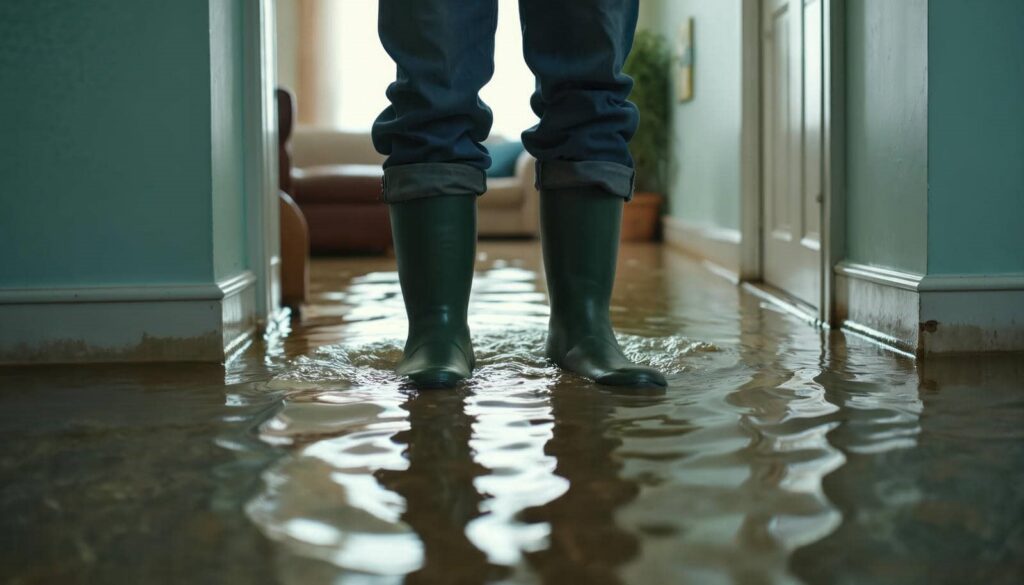
Many people underestimate the impact of water damage and how quickly it can escalate. Knowing what to do in those critical first moments can save you time and money. By taking immediate action and using items you already have at home, you can minimize the damage effectively. Curious about how to tackle this situation without breaking the bank? Let’s explore some practical solutions to help you manage water damage on a budget.
Key Takeaways
- Use towels, mops, and a wet/dry vacuum to quickly absorb and extract excess water before it causes further damage.
- Set up fans and open windows for ventilation to promote drying and reduce humidity levels effectively.
- Sprinkle baking soda in affected areas to neutralize odors and inhibit mold growth naturally.
- Check local resources for affordable professional services or community assistance programs for emergency repairs.
- Document damage with photos for potential insurance claims and keep receipts for any repairs made.
Assessing the Damage Quickly
How can you quickly assess water damage before it escalates? Start by identifying the source of the water—whether it’s a leak, flood, or burst pipe.
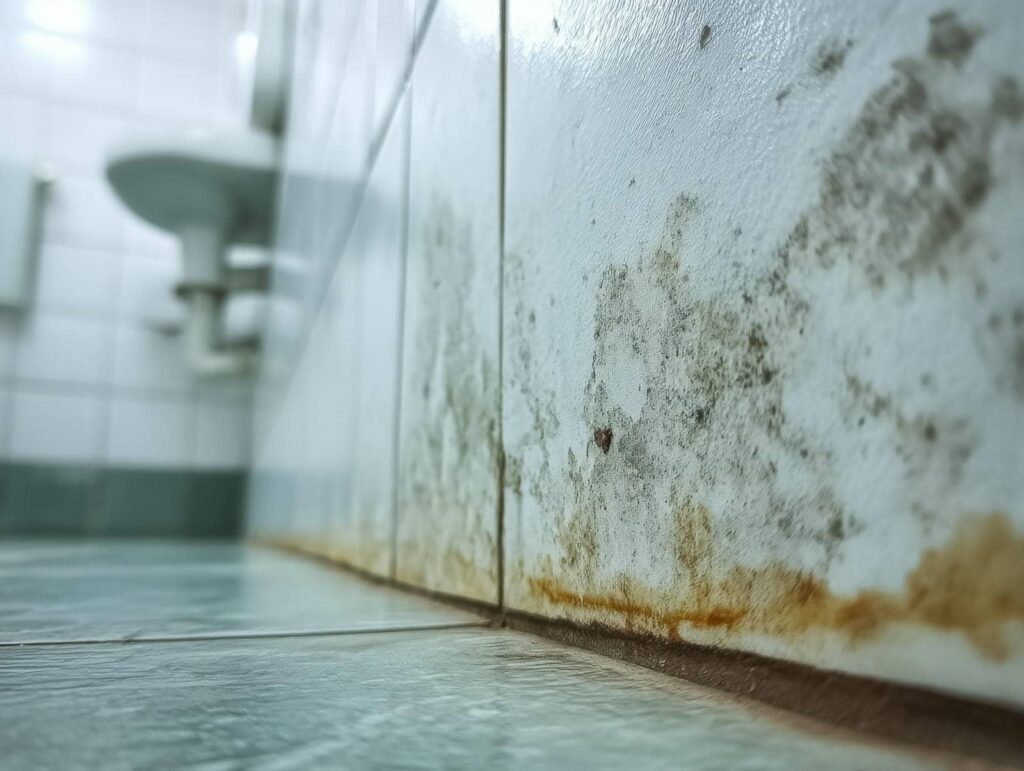
Once you’ve located the source, it’s time for a damage assessment. Check for visible signs of moisture on walls, ceilings, and floors. Look for discoloration, warping, or bubbling paint; these are red flags that indicate deeper issues.
Next, perform a quick evaluation of affected areas. Use your sense of smell; musty odors often signal mold growth.
Don’t forget to inspect hidden spaces like behind appliances or in attics.
Document everything you find, as this will aid in any insurance claims. By acting swiftly and efficiently, you can prevent further damage and protect your home.
Utilizing Household Items for Immediate Response
When water damage strikes, don’t worry—you can use common household items to tackle the problem right away.
Grab some towels to soak up excess water, sprinkle baking soda to neutralize odors, and set up fans to promote drying.
These simple steps can make a big difference in minimizing damage and restoring your space.
Towels for Absorption
Towels can be your first line of defense against water damage, providing a quick and effective way to absorb excess moisture. Using absorbent materials like bath and hand towels can help you tackle spills and leaks efficiently. Here’s a simple guide to enhance your drying techniques with towels:
| Towel Type | Best Use | Absorption Capacity |
|---|---|---|
| Bath Towels | Large spills | High |
| Hand Towels | Smaller leaks | Medium |
| Microfiber | Quick drying | Very High |
| Kitchen Towels | Food-related spills | Medium |
| Beach Towels | Outdoor moisture | High |
Baking Soda Deodorizer
While dealing with water damage, you might notice unpleasant odors lingering in the affected area. Don’t worry—baking soda is a fantastic and budget-friendly solution for odor elimination.
Its strong absorbent properties make it a go-to household item for tackling tough smells. Simply sprinkle a generous amount of baking soda over the damp surfaces and allow it to sit for a few hours, or even overnight, to work its magic.
Afterward, vacuum up the powder, and you’ll notice a significant reduction in odors. This is one of the best baking soda uses you can take advantage of during emergencies.
Plus, it’s safe for your family and pets, making it a perfect choice for creating a fresh environment.
Fans for Drying
If you’ve just experienced water damage, utilizing fans can be a quick and effective way to aid in the drying process.
Start by strategically positioning your fans to maximize airflow. Place one fan facing the wet area, while others can be set up in adjacent rooms to circulate air. This fan placement helps to pull moisture away from surfaces, speeding up the drying techniques you’ll want to employ.
Turn on dehumidifiers, if available, to complement your fans. Remember to keep windows open, allowing fresh air to flow through and assist with the drying process.
DIY Water Extraction Techniques
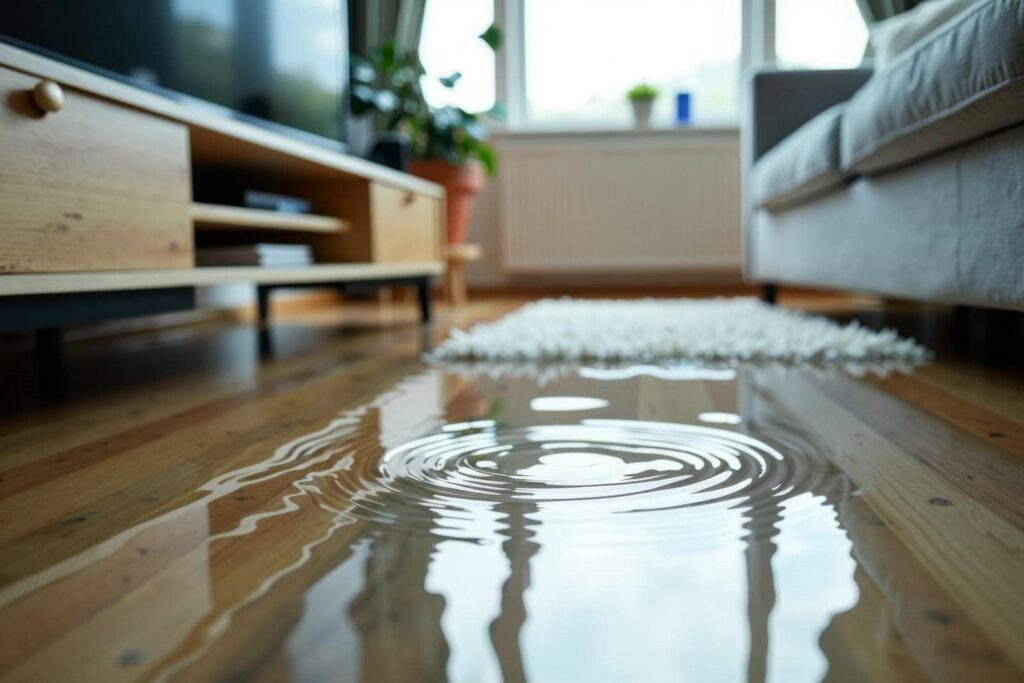
When water invades your home, acting quickly can make a significant difference in reducing damage, and DIY water extraction techniques are essential tools in your recovery arsenal.
Here are some practical methods you can use to tackle water extraction effectively:
Wet/Dry Vacuum: Perfect for pulling up standing water from carpets and hard floors.
Mops and Buckets: Simple but effective for smaller spills—just keep wringing out the mop!
Towels: Use absorbent towels to soak up water, especially in tight spots.
Sump Pump: If you have a basement, this can help remove larger amounts of water quickly.
Baking Soda: Sprinkle on damp areas to absorb moisture and help eliminate odors.
Effective Drying Methods at Home
After successfully extracting the water, the next step is ensuring your home dries out effectively to prevent mold and further damage. You can achieve this using heat drying methods.
Start by opening windows and doors to boost ventilation. If it’s safe, use fans to circulate air and speed up the drying process.
For more targeted moisture control, consider using a dehumidifier. This will help draw moisture from the air and surfaces, complementing your heat drying efforts. Place it in the most affected areas for best results.
If you’ve got access to a space heater, use it carefully to increase the temperature in damp rooms. Just be cautious and keep it away from flammable materials.
Preventing Mold Growth on a Budget
To keep mold at bay without breaking the bank, you need to focus on quick drying techniques and affordable mold inhibitors.
Regular maintenance can also play a vital role in preventing mold growth in your home.
Let’s explore some practical strategies that won’t strain your budget.
Quick Drying Techniques
Although water damage can be a homeowner’s nightmare, quick drying techniques can help you prevent mold growth without breaking the bank.
By implementing these rapid drying techniques, you can save your home and your wallet. Here are some budget-friendly quick drying products and methods to take into account:
- Use fans to circulate air and speed up evaporation.
- Set up dehumidifiers to remove excess moisture.
- Open windows to allow fresh air in and moisture out.
- Absorb water with towels or mops before using drying equipment.
- Utilize natural sunlight to dry out affected areas.
These simple strategies can help you tackle water damage effectively, ensuring your home remains mold-free and welcoming for you and your loved ones.
Affordable Mold Inhibitors
Once you’ve tackled the immediate drying process, it’s time to focus on preventing mold growth, which can thrive in damp conditions.
You don’t need to break the bank to keep mold at bay. Start by applying inexpensive mold treatments, like a vinegar-water solution, which can inhibit spores effectively.
Remember to ventilate your space; opening windows or using fans helps reduce humidity levels.
Consider using baking soda as a natural deodorizer and mold fighter. These mold prevention tips are simple yet powerful.
Finally, check for hidden moisture in places like basements or behind walls, and address any leaks immediately.
Your home deserves to be mold-free, and with these budget-friendly solutions, you can make that happen!
Regular Maintenance Tips
Regular maintenance is key to keeping mold at bay without spending a fortune.
By following these budget-friendly tips, you can protect your home and guarantee a healthy environment for everyone:
Conduct routine inspections of your home for leaks and damp areas.
Keep humidity levels low by using dehumidifiers or opening windows.
Perform seasonal upkeep, like cleaning gutters to prevent water buildup.
Use vinegar or baking soda as natural mold inhibitors during your cleaning routine.
Guarantee proper ventilation in bathrooms and kitchens to reduce moisture.
With these simple strategies, you’ll not only save money but also foster a sense of community as you share your knowledge and experiences with friends and family.
Together, you can create safer, mold-free homes.
Temporary Repairs to Minimize Damage
When water damage strikes, taking swift action can greatly reduce the extent of the harm. Start by identifying the source of the leak and stop it if you can. Use temporary sealing methods, like waterproof tape or plastic sheeting, to cover any damaged areas. This helps in damage containment and prevents further water intrusion.
You can also use towels or absorbent materials to soak up excess water, but be sure to wring them out frequently. If it’s safe, elevate furniture and belongings to minimize contact with the water.
For larger spaces, consider placing buckets or containers to catch dripping water.
Remember, these quick fixes are just stopgaps; they’ll help protect your home until you can arrange for professional repairs. Acting promptly not only safeguards your belongings but also brings peace of mind during a stressful situation.
You’re not alone in this—take charge and tackle the problem!
Seeking Local Assistance and Resources
How can you find local help when facing water damage? You don’t have to tackle this challenge alone.
Your community likely offers various local resources and community assistance programs that can ease your burden during this stressful time. Here are a few options to take into account:
Local government programs: Check for emergency funds or relief services.
Nonprofit organizations: Look for local charities that assist families in need.
Community forums: Engage with neighbors online for recommendations and support.
Home improvement stores: Some offer workshops or advice on DIY repairs.
Online platforms: Websites like Nextdoor can connect you with local services.
Reaching out for help not only aids your recovery but also strengthens community ties.
Don’t hesitate to ask for assistance; it’s a sign of strength, not weakness!
Affordable Professional Services to Consider
While handling water damage can be overwhelming, seeking affordable professional services can make a significant difference in your recovery process.
Start by researching local companies that specialize in affordable restoration. Many of these businesses offer budget pricing options tailored to homeowners in need.
Look for services that provide free assessments; this can save you money upfront and give you a clearer picture of the work required.
Don’t hesitate to ask for quotes from multiple providers to guarantee you’re getting the best deal.
Additionally, some companies offer payment plans or financing options, which can ease the financial burden if you’re facing unexpected expenses.
Insurance Claims: Maximizing Your Coverage
Understanding your insurance policy can be essential, especially if you’ve faced water damage. You need to know how to maximize your coverage to ease the financial burden.
Here are some effective claim documentation tips to help you navigate the process:
- Review your insurance policy details carefully.
- Document all damage with photos and videos.
- Keep receipts for repairs and related expenses.
- Report the damage to your insurer promptly.
- Follow up to guarantee your claim is being processed.
Frequently Asked Questions
How Can I Identify Hidden Water Damage in My Home?
To identify hidden water damage, look for water stains on walls and ceilings. You can also use a moisture meter to check areas that seem suspicious. Early detection helps prevent more extensive damage and costs.
What Are the Common Signs of Mold Growth After Water Damage?
After water damage, look for signs like musty odors, discolored walls, or visible mold. Use mold identification techniques, like inspecting damp areas, to catch issues early and maintain a healthy home environment for everyone.
Can I Use a Regular Vacuum for Water Extraction?
Using a regular vacuum for water extraction’s like trying to catch rain with a sieve; it just won’t work. You’ll need a wet/dry vacuum instead, as it’s specifically designed to handle water damage effectively and efficiently.
How Long Does It Typically Take to Dry Out Water-Damaged Areas?
Drying out water-damaged areas typically takes 3 to 5 days, depending on drying techniques and moisture levels. You can speed up drying duration by using fans and dehumidifiers to enhance airflow and evaporation.
What Household Items Can I Use for Mold Prevention?
You’d be surprised how effective homemade solutions can be for mold prevention! Mix vinegar with essential oils like tea tree or lavender, and spray it in damp areas. You’ll create a fresher, healthier home for everyone.
Review
In the face of water woes, quick action and clever creativity can save your space and stash. By swiftly evaluating damage, utilizing household helpers, and employing effective drying methods, you’ll tackle the turmoil head-on. Remember, prevention is key to keeping mold at bay, and temporary repairs can buy you time. Don’t hesitate to seek local support or affordable pros when needed. With these budget-friendly solutions, you can confidently conquer water damage and restore your home.