Contents
Many homeowners underestimate the potential costs of flood damage restoration, thinking it’s always a major financial burden. However, with practical strategies and resourcefulness, you can effectively restore your property without breaking the bank. From evaluating the damage to utilizing community resources, there are several steps you can take to minimize expenses. Discover how you can turn a challenging situation into a manageable one while keeping your budget intact.
Key Takeaways
- Utilize cost-effective cleaning supplies like vinegar and baking soda for thorough cleanup without overspending.
- Consider DIY restoration projects to significantly reduce labor costs and utilize affordable materials from local salvage yards.
- Install sump pumps and proper drainage systems to prevent future flooding and minimize potential damage.
- Document all damages meticulously for insurance claims and explore additional financial assistance from local nonprofits.
- Engage community resources and volunteer programs to gain support and share knowledge for a united recovery effort.
Assessing the Extent of Flood Damage
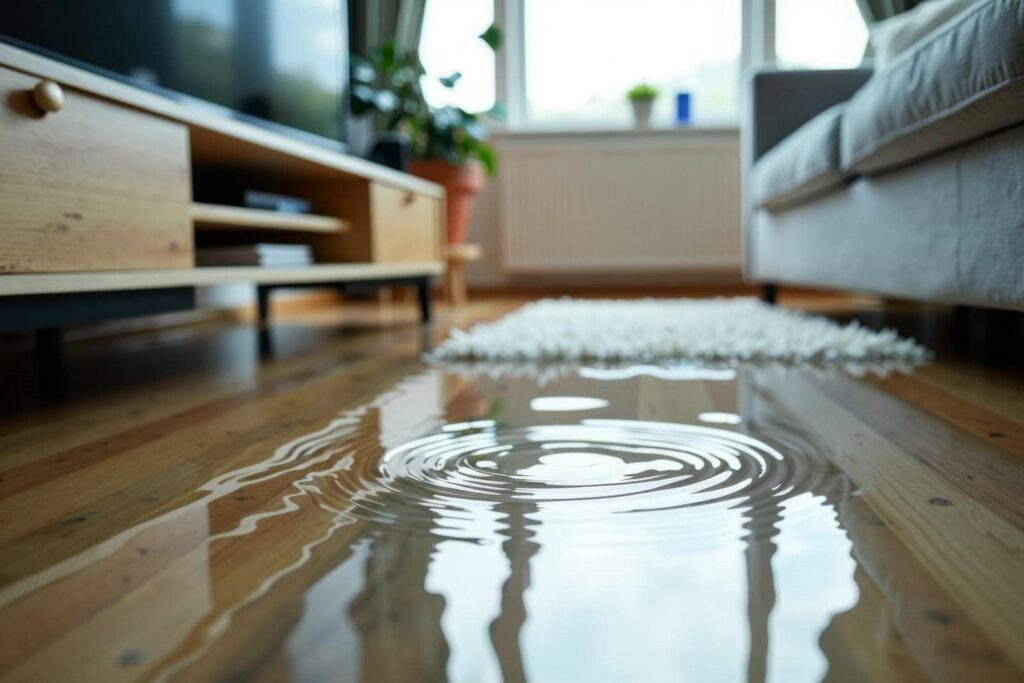
When you face the aftermath of a flood, it’s vital to assess the extent of the damage quickly and thoroughly. Start by documenting everything with photos or videos, as this will be critical for your damage assessment.
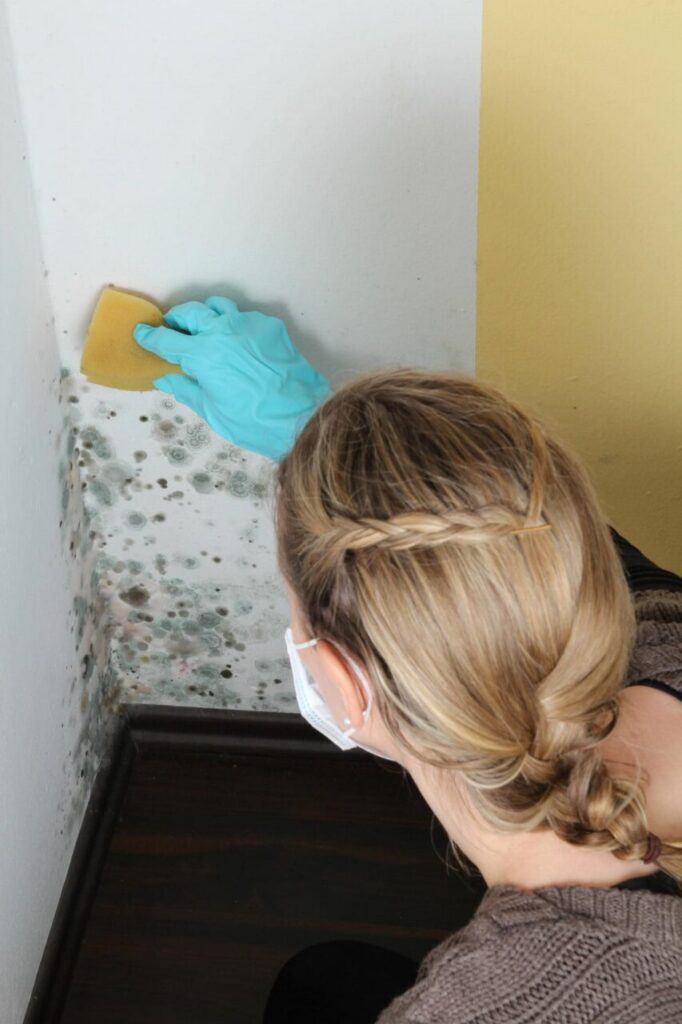
Focus on structural damage, including walls, floors, and your roof. Check for mold growth, which can develop rapidly in damp conditions. Don’t forget to inspect your belongings—furniture, electronics, and personal items may need evaluation too.
If you have flood insurance, understanding your policy is key. Review it carefully to determine what’s covered and what isn’t. Make a list of all damaged items and note their value; this will help when filing a claim.
Engaging with local resources or support groups can also provide guidance and shared experiences, fostering a sense of community during this challenging time. By taking these steps, you’ll be better prepared to move forward.
Prioritizing Immediate Actions
After evaluating the damage, it’s time to prioritize your immediate actions to mitigate further issues. Start with an emergency response plan, focusing on safety and preventing additional damage. Conduct an initial assessment to identify critical areas that need immediate attention.
Here’s a handy table to guide you:
| Action | Priority Level | Notes |
|---|---|---|
| Turn off utilities | High | Prevent electric hazards |
| Remove standing water | High | Use pumps or buckets |
| Protect valuables | Medium | Move items to higher ground |
| Document damage | Medium | Take photos for insurance |
DIY Flood Cleanup Techniques
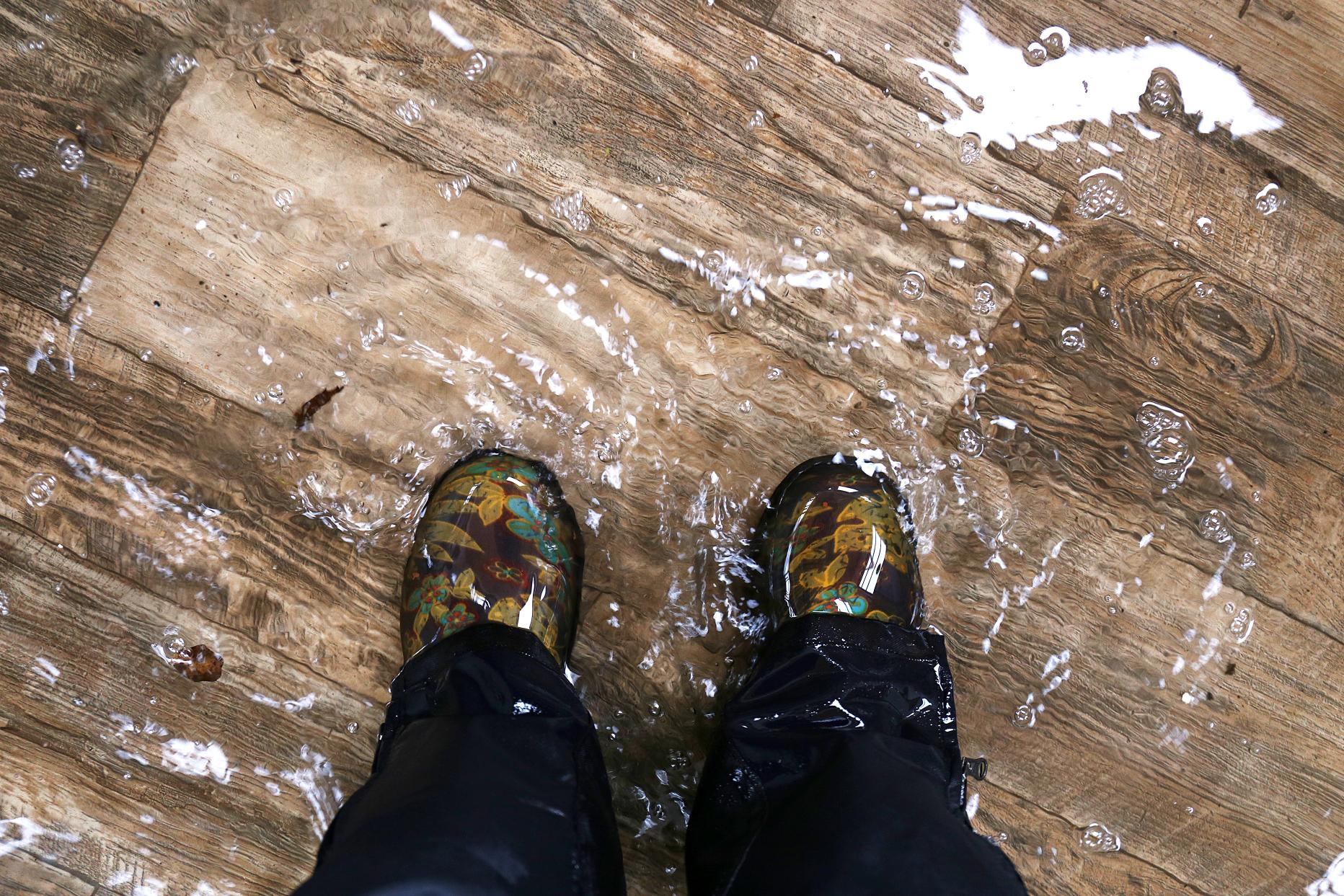
When tackling flood cleanup yourself, safety comes first; make sure to wear protective gear like gloves and boots.
Next, gather cost-effective cleaning supplies such as vinegar, baking soda, and a wet/dry vacuum to help you handle the mess.
With the right precautions and tools, you can restore your space without breaking the bank.
Essential Safety Precautions
While tackling flood damage restoration, it’s crucial to prioritize your safety before diving into cleanup.
Start by wearing proper personal protection gear, including gloves, boots, and masks, to safeguard against contaminants and mold. Verify you’ve turned off electricity and gas before entering affected areas; flood safety is paramount.
Assess the structural integrity of your home—don’t enter if you notice sagging ceilings or walls. Keep a first-aid kit handy for any minor injuries that may occur during the process.
Additionally, stay hydrated and take breaks to avoid exhaustion. By focusing on these vital safety precautions, you protect yourself and create a sense of community as you work alongside others in recovery efforts.
Cost-Effective Cleaning Supplies
With safety measures in place, you can start gathering the right cleaning supplies to tackle flood damage effectively without breaking the bank.
Focus on cost-effective options like eco-friendly cleaners, which are gentle on surfaces and the environment. Vinegar and baking soda are fantastic homemade solutions for disinfecting and deodorizing areas affected by water.
Mix equal parts of vinegar and water for a powerful all-purpose cleaner, or sprinkle baking soda on damp areas to absorb odors.
Don’t forget to stock up on microfiber cloths and scrub brushes; they’ll help you get into tight spots.
Cost-Effective Water Extraction Methods
When it comes to water extraction, you’ve got a few budget-friendly options at your fingertips.
You can consider DIY removal techniques that utilize everyday tools or weigh the pros and cons of renting versus buying specialized equipment.
Making the right choice can save you time and money while effectively addressing the water damage.
DIY Water Removal Techniques
If you find yourself facing a flooded space, tackling water removal doesn’t have to break the bank.
Start with a shop vacuum; it’s perfect for efficient water extraction. Make sure to wear rubber gloves and boots for safety. If you don’t have one, use buckets to scoop out water manually.
Once you’ve removed the bulk, use towels to soak up remaining moisture. To enhance moisture control, open windows for ventilation or use fans to speed up drying. You can also place bowls of salt or baking soda around the room to help absorb extra humidity.
Renting vs. Buying Equipment
How can you decide whether to rent or buy water extraction equipment for your flood damage restoration? Start by evaluating your specific needs.
If this is a one-time project, equipment rental might be your best bet, saving you upfront costs and maintenance worries. On the other hand, if you anticipate future use, consider the long-term benefits of purchasing.
Think about purchase considerations like durability and resale value. Renting often offers flexibility and access to high-quality tools without the commitment. However, buying can empower you for quick responses to future floods.
Weigh your options carefully, keeping your budget in mind. Ultimately, choose the solution that fits your unique situation, ensuring effective restoration without breaking the bank.
Choosing Affordable Materials for Repairs
Although you may feel overwhelmed by the costs associated with flood damage restoration, choosing affordable materials for repairs can markedly reduce your expenses without sacrificing quality.
Start by considering sustainable materials like bamboo or reclaimed wood, which cut costs and support eco-friendly practices. These options often provide durability and style, enhancing your home’s appeal.
Additionally, look for recycled supplies. Many stores offer recycled drywall, insulation, and flooring at a fraction of the price of new products.
These materials can be just as effective, giving you the peace of mind that you’re making a responsible choice while staying within budget.
Don’t hesitate to explore local salvage yards or online marketplaces for leftover materials from previous projects.
Finding Budget-Friendly Restoration Services
After securing affordable materials for your repairs, the next step is to find budget-friendly restoration services.
Start by researching local service comparisons online. Check reviews and ratings to identify companies with a solid reputation for quality work at reasonable prices.
Don’t hesitate to ask friends or family for recommendations; personal experiences can lead you to trustworthy options.
Reach out to multiple providers to discuss your needs and request quotes. This way, you can evaluate budget restoration options available in your area.
Be transparent about your budget, as many companies are willing to work with you to find a plan that fits your financial situation.
Additionally, inquire about any discounts or promotions for first-time customers.
Insurance Claims and Financial Assistance
When dealing with flood damage, understanding your insurance policy can considerably ease the financial burden. Start by reviewing your coverage to know what’s included and what’s not.
The insurance process can seem overwhelming, but breaking it down into steps helps. Document your losses with photos and notes, and contact your insurer promptly to report the damage. They’ll guide you through filing a claim and might send an adjuster to assess the situation.
While waiting for your claim to be processed, consider exploring additional financial assistance options. Local nonprofits or government programs often provide support for those affected by floods.
Aligning your insurance claims with your financial planning ensures you’re prepared for unexpected expenses. By actively engaging in this process, you secure the funds needed for restoration and foster a sense of community and resilience.
Preventative Measures to Avoid Future Flooding
Understanding your insurance coverage is just the first step in managing flood damage; taking proactive measures can greatly reduce the risk of future flooding.
By implementing smart strategies, you can protect your home and community. Here are some effective preventative measures:
- Install proper drainage systems to channel water away from your property.
- Make landscaping adjustments using flood-resistant plants that thrive in wet conditions.
- Set up sump pumps to remove excess water from your basement.
- Build rain barriers to deflect water away from your home’s foundation.
- Regularly perform gutter maintenance to ensure they’re clear and functioning well.
Additionally, consider property grading and applying waterproof coatings to vulnerable surfaces.
Taking these steps helps safeguard your home and fosters a sense of community resilience.
Community Resources for Flood Recovery Support
While maneuvering through the aftermath of a flood can feel overwhelming, tapping into community resources can greatly ease the recovery process. Many local organizations and partnerships are dedicated to helping residents like you during these challenging times. By engaging in community outreach, you can find support that aligns with your needs.
Here’s a helpful table highlighting key resources available in your area:
| Resource Type | Description | Contact Information |
|---|---|---|
| Local Nonprofits | Provide financial and emotional support | [Nonprofit Name & Number] |
| Government Aid | Access federal and state assistance | [Local Agency & Number] |
| Volunteer Programs | Connects you with helping hands | [Program Name & Number] |
| Community Workshops | Offers information on recovery | [Workshop Details] |
| Mental Health Services | Counseling and support groups | [Service Name & Number] |
Don’t hesitate to reach out; you’re not alone in this journey.
Recap
Restoring your home after a flood can feel like piecing together a jigsaw puzzle with missing pieces. Yet, by documenting damages, utilizing DIY techniques, and tapping into community resources, you can complete the picture without breaking the bank. Just as a river carves its path through the landscape, your determination and resourcefulness can reshape your home’s future. With careful planning and the right approach, you can turn your flood recovery into a story of resilience and renewal.