Contents
Picture a quiet evening at home, only to be interrupted by the scuttling of an unwelcome pest. You shouldn’t have to live in fear of infestations. Understanding effective pest control options can help you maintain a comfortable home environment. From regular inspections to natural remedies and professional services, there are various strategies you can utilize. Let’s explore how to keep your home pest-free and what steps you should take when issues arise.
Key Takeaways
- Implement Integrated Pest Management (IPM) strategies by combining biological, cultural, and chemical methods tailored to specific pest issues.
- Regularly inspect your home for signs of pests and address problems early to prevent larger infestations.
- Utilize natural pest control solutions, like essential oils and diatomaceous earth, for safe and chemical-free pest management.
- Seal cracks and crevices, store food in airtight containers, and maintain cleanliness to deter pests effectively.
- Consider professional pest control services for severe infestations, ensuring safe and effective treatment options tailored to your needs.
Understanding Common Household Pests
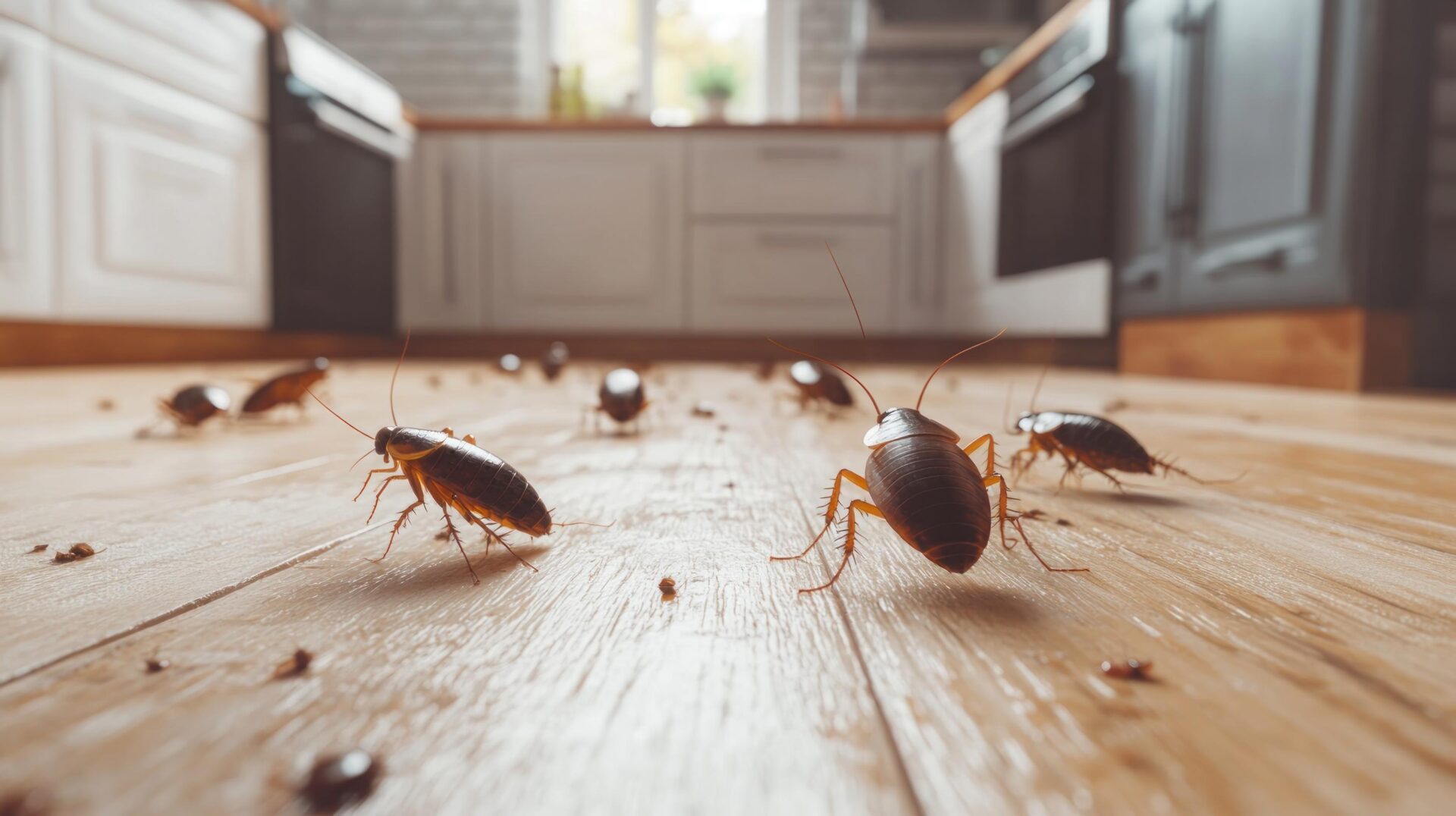
When it comes to keeping your home pest-free, understanding common household pests is essential. You might encounter various common insects, like ants, cockroaches, and spiders, each with unique behaviors and habits.
For instance, ants often travel in trails, searching for food, while cockroaches thrive in dark, damp areas. Recognizing these patterns can help you take preventive measures.
On the other hand, rodent behavior is important to understand, too. Mice and rats are notorious for their ability to squeeze through tiny openings and can cause significant damage to your home.
They’re attracted to food sources and often build nests in hidden corners.
Importance of Regular Pest Inspections
Regular pest inspections are essential for catching problems early, saving you time and money in the long run.
By identifying infestations before they escalate, you can implement effective preventative maintenance strategies.
Staying proactive helps ensure your home remains pest-free and protects your investment.
Early Detection Benefits
Early detection of pest issues saves you money and protects your home from extensive damage. By using early detection techniques, like regular inspections and monitoring, you can identify problems before they escalate.
This proactive approach allows you to tackle minor infestations efficiently, preventing costly repairs down the line. The benefits of monitoring your home regularly include peace of mind, as you’ll feel secure knowing you’re staying ahead of potential threats.
Plus, these inspections foster a sense of community, ensuring you’re part of a neighborhood that values shared safety. By prioritizing early detection, you’re protecting your home and contributing to a healthier living environment for everyone around you.
Preventative Maintenance Strategies
To keep your home pest-free, incorporating preventative maintenance strategies is vital, and that starts with regular pest inspections.
Scheduling seasonal inspections allows you to identify potential problems before they escalate. These inspections help catch early signs of pest activity and assess areas that need attention.
In addition to inspections, routine maintenance is important. Make certain your home’s entry points are sealed, and regularly check for leaks or damp areas that attract pests.
Trim vegetation away from your home to eliminate hiding spots. By staying proactive with these steps, you create an environment that discourages pests from settling in.
Natural Pest Control Methods
When it comes to pest control, natural methods can be effective and safer for your home.
You can use essential oils to repel unwanted insects, apply diatomaceous earth for targeted pest elimination, or create homemade traps and baits with simple ingredients.
These strategies help keep pests at bay and reduce your reliance on chemical treatments.
Essential Oils for Repelling
While many homeowners seek chemical solutions for pest control, essential oils offer a natural alternative that can effectively repel unwanted insects. You can use a variety of essential oils to keep pests at bay. Here’s a quick reference table for you:
| Essential Oil | Pest Repelled |
|---|---|
| Lavender Oil | Mosquitoes, Moths |
| Peppermint Oil | Ants, Spiders |
| Lemon Eucalyptus | Mosquitoes |
| Tea Tree Oil | Fleas, Ticks |
| Citronella Oil | Mosquitoes |
| Clove Oil | Ants, Cockroaches |
| Rosemary Oil | Flies, Moths |
| Geranium Oil | Fleas, Mosquitoes |
Diatomaceous Earth Usage
Diatomaceous earth (DE) is a versatile and effective natural pest control method that can help homeowners tackle a variety of insect infestations.
One of the key diatomaceous earth benefits is its ability to dehydrate insects like ants, roaches, and bedbugs, leading to their demise without harmful chemicals.
For successful diatomaceous earth application, simply sprinkle it in areas where pests are active, such as cracks, crevices, and along baseboards.
Remember to wear a mask while applying to avoid inhaling the fine particles.
It’s essential to use food-grade DE to ensure safety for pets and children.
Homemade Traps and Baits
Creating homemade traps and baits can be a highly effective way to manage pest problems in your home without resorting to chemical solutions. You can easily make a variety of traps using common household items, ensuring your family stays safe.
Here’s a quick comparison of popular homemade bait options and their trap effectiveness:
| Bait Type | Effectiveness |
|---|---|
| Sugar and Water Trap | Attracts fruit flies |
| Peanut Butter and Borax | Kills ants |
| Vinegar and Dish Soap | Draws in wasps |
Chemical Pest Control Solutions
When it comes to tackling pest problems, chemical pest control solutions offer effective options for homeowners seeking quick results. These solutions often utilize specific chemical formulations designed to target various pests, ensuring you can manage infestations efficiently.
It’s important to understand the different application techniques available, such as sprays, granules, or baits, each tailored for specific situations.
Before using any chemical treatment, always read and follow the label instructions carefully to ensure the safety of your family and pets. Proper application techniques are vital; applying too much product can lead to harm, while too little may not effectively eliminate pests.
Additionally, consider wearing protective gear during application for added safety.
Integrated Pest Management (IPM)
Integrated Pest Management (IPM) offers homeowners a holistic approach to pest control that combines multiple strategies for effective results. By utilizing pest identification techniques, you can accurately determine what pests are invading your space and tailor your response. This method focuses on sustainable pest solutions that minimize harm to the environment and your family.
| Strategy | Description |
|---|---|
| Prevention | Modify habitats to deter pests. |
| Monitoring | Regular checks to assess pest presence. |
| Control Methods | Combine biological, cultural, and chemical approaches. |
DIY Pest Control Tips
While pest problems can seem intimidating, you can tackle many issues with simple DIY techniques that are both effective and budget-friendly.
Start by investing in pest identification tools to understand what you’re dealing with. Once you know your pests, try these practical tips:
- Use organic repellents like diatomaceous earth or essential oils to deter unwanted guests.
- Seal cracks and gaps around windows and doors to keep pests out.
- Keep your kitchen clean and free from food debris to reduce attractants.
- Set up traps for rodents or insects using natural ingredients.
- Maintain your yard by trimming bushes and removing standing water to eliminate breeding grounds.
With these strategies in hand, you’ll feel empowered to manage common pest issues and create a more comfortable living environment.
When to Call Professional Pest Control Services
Even with effective DIY pest control strategies, some situations call for professional help. If you’ve tried various pest identification techniques but still can’t determine the problem, reaching out to experts can save you time and stress. They possess the knowledge and tools to identify pests accurately and develop targeted solutions.
Additionally, if you’re facing an emergency pest control situation—like a sudden infestation or dangerous pests such as wasps or rodents—it’s vital to act quickly. Professionals can assess the severity of the issue and implement safe, effective methods to protect your home.
Don’t hesitate to call in the pros if your DIY efforts haven’t worked or if the situation feels overwhelming. You deserve a pest-free home, and sometimes, teamwork with experts is the best solution.
Preventative Measures to Avoid Infestations
To keep your home pest-free, proactive measures are essential. Implementing effective pest-proofing techniques can save you time and money in the long run.
Regular seasonal inspections help identify potential issues before they escalate. Here are some practical steps you can take:
- Seal cracks and crevices around windows and doors.
- Keep food stored in airtight containers.
- Maintain a clean environment by regularly sweeping and vacuuming.
- Trim vegetation away from your home’s foundation.
- Dispose of garbage promptly and use secure bins.
These strategies deter pests and promote a healthier living space.
By being vigilant and taking action, you create a welcoming atmosphere that makes it harder for unwanted guests to invade your home.
Wrap-Up
Effective pest control requires a proactive approach. By implementing regular inspections, using natural methods, and considering Integrated Pest Management, you can greatly reduce your chances of an infestation. Remember, the key is consistency and vigilance. If you spot any signs of pests, don’t hesitate to take action or reach out to professionals for help. Your home deserves to be pest-free!