Contents
When water damage strikes your home, knowing how to respond can make a significant difference in minimizing loss and expediting recovery. Identifying the source of water, documenting damage, and understanding your insurance policy are all critical steps in this process. However, many homeowners overlook key aspects that could streamline their claims and restoration efforts. What should you prioritize first to ensure a successful recovery?
Key Takeaways
- Identify and stop the water source immediately to prevent further damage during an emergency.
- Document the damage thoroughly with photos and notes for your insurance claim.
- Use dehumidifiers to reduce humidity levels and prevent mold growth after water exposure.
- Check your insurance policy for coverage specifics and promptly notify your insurer about the damage.
- Consider hiring restoration professionals for effective damage assessment and to facilitate the claims process.
Assessing Water Damage in Your Home
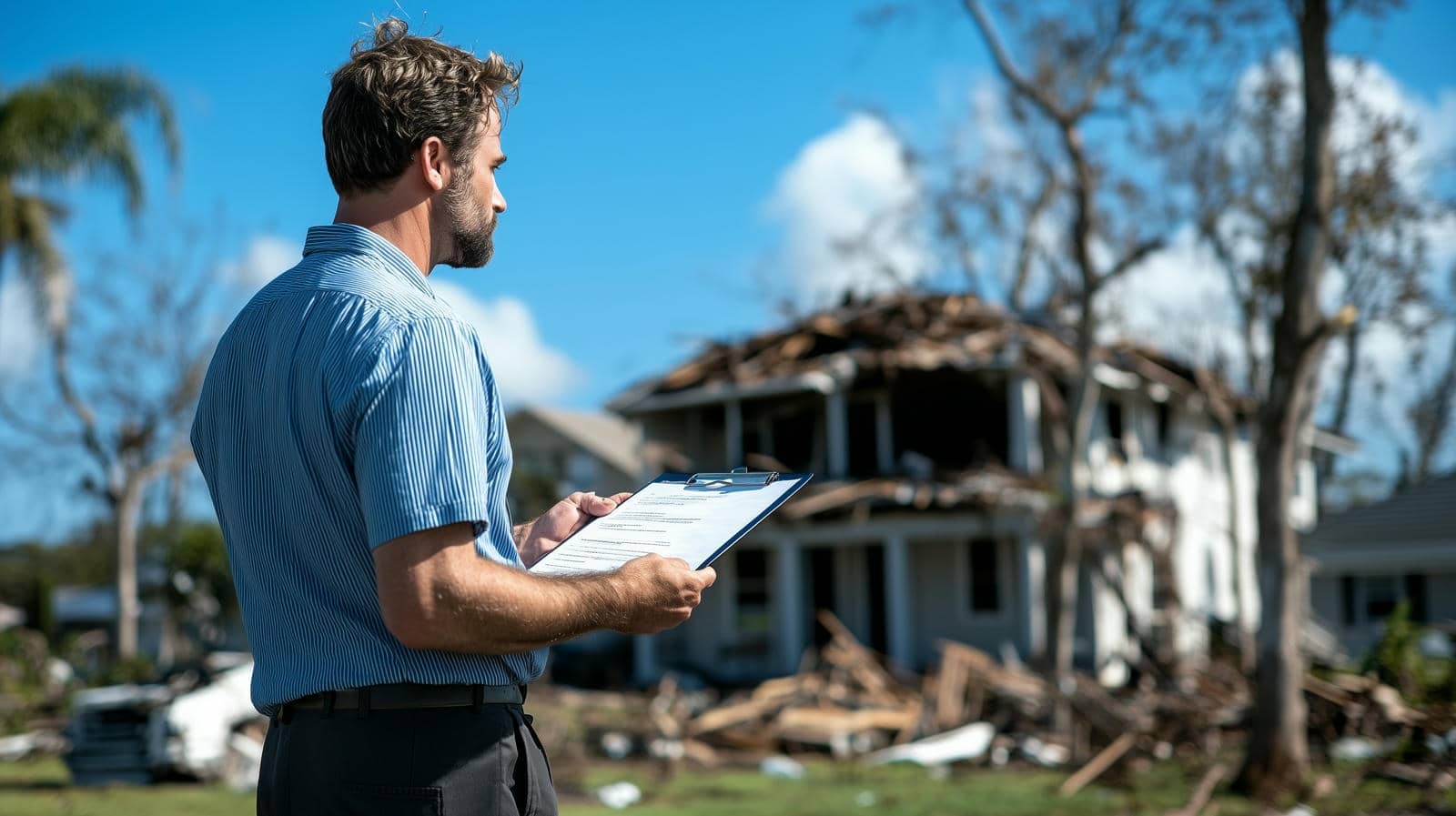
When you discover water damage in your home, it’s important to act quickly to assess the situation. Start by identifying the water source; whether it’s a burst pipe, a leaking roof, or an overflowing appliance, understanding where the water is coming from is essential for effective remediation.
Next, conduct a thorough damage assessment. Check all affected areas, including walls, floors, and ceilings, for signs of moisture, mold, or structural issues. Use a moisture meter to gauge levels in different materials, helping you pinpoint the extent of the damage.
Document your findings with photos and notes, as this information will be crucial for insurance claims and repair estimates. Remember, early detection and accurate assessment can greatly reduce repair costs and prevent further complications.
Immediate Steps to Take After Water Damage
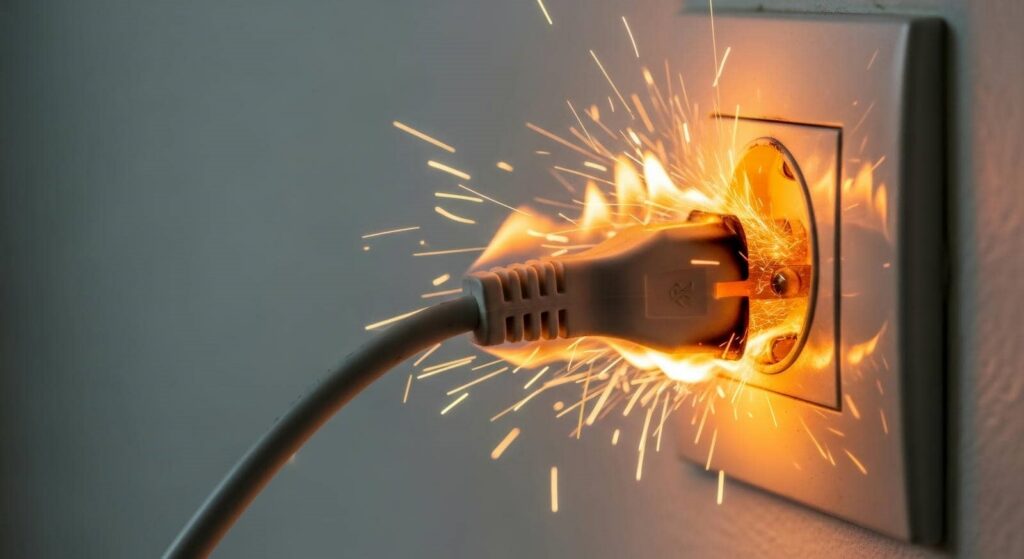
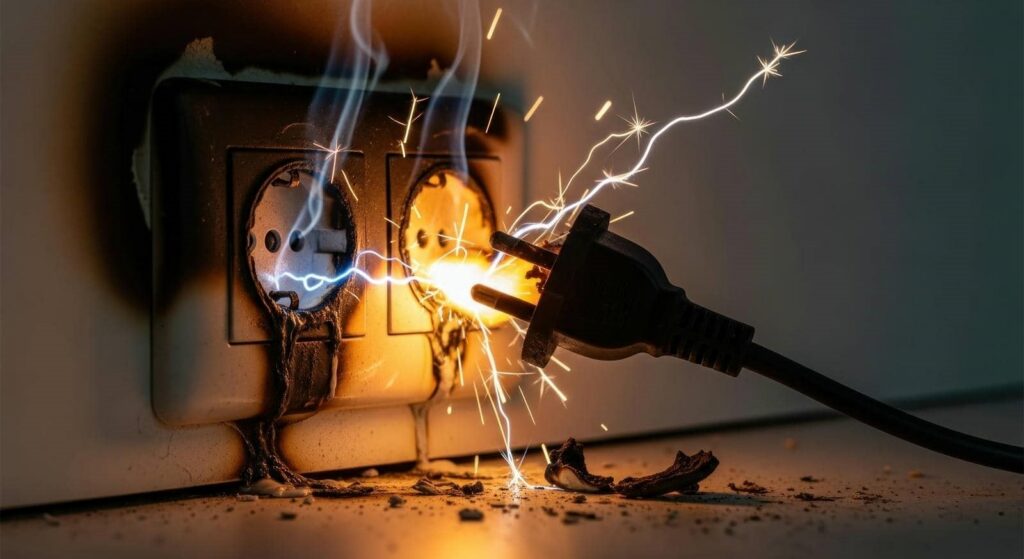
After discovering water damage, it’s essential to act swiftly to mitigate further issues. Begin your emergency response by ensuring safety precautions are in place. Turn off electricity in affected areas to prevent electrocution and avoid stepping into standing water without protective gear.
Next, assess the damage to determine the source of water. Document everything with photos for insurance purposes.
Here’s a quick reference table to guide your immediate actions:
| Action | Description |
|---|---|
| Turn Off Electricity | Prevent electrical hazards |
| Wear Protective Gear | Use boots and gloves |
| Identify Water Source | Locate and stop the leak |
| Document Damage | Take pictures for insurance claims |
| Begin Water Removal | Use towels and pumps if safe to do so |
Taking these steps promptly can greatly reduce the impact of water damage and help you regain control of your space.
Finding a Reliable Water Damage Restoration Company
When you’re faced with water damage, finding a reliable restoration company is essential.
Start by evaluating their credentials and experience, as these factors greatly impact their effectiveness.
Additionally, review their service offerings to ensure they can meet your specific needs during this urgent situation.
Assessing Credentials and Experience
To ensure you choose a reliable water damage restoration company, it’s essential to assess their credentials and experience thoroughly.
Start by checking their certification requirements; reputable companies often hold certifications from recognized organizations like the Institute of Inspection, Cleaning, and Restoration Certification (IICRC). This indicates they meet industry standards and possess the necessary training.
Next, evaluate their industry experience—companies with several years in the field typically have encountered a wide range of issues, equipping them to handle your specific situation effectively.
Don’t hesitate to ask for references or case studies, as these can provide insight into their past work and customer satisfaction.
Evaluating Service Offerings
Once you’ve assessed the credentials and experience of potential water damage restoration companies, the next step involves evaluating their service offerings.
Begin with a service comparison to identify what each company provides. Look for essential services like water extraction, drying, mold remediation, and repairs. Assess how thorough each package is, as some companies might offer additional benefits like 24/7 emergency response or free estimates.
Next, conduct a pricing analysis to understand the cost structure. Be wary of unusually low prices, as they might indicate subpar service.
Instead, focus on companies that offer transparent pricing with detailed breakdowns of services. This clarity helps you make informed decisions and fosters trust, ensuring you choose a reliable partner in your time of need.
Understanding Your Homeowners Insurance Policy
Understanding your homeowners’ insurance policy is essential, especially in the event of water damage. You need to know the specifics of your coverage, including any policy exclusions and coverage limits. Familiarizing yourself with these details can save you from unexpected expenses when disaster strikes.
| Coverage Type | Description | Considerations |
|---|---|---|
| Dwelling Coverage | Protects the structure of your home | Check for coverage limits |
| Personal Property | Covers personal belongings | Look for policy exclusions |
| Liability Coverage | Protects against lawsuits | Review limits on claims |
| Additional Living Expenses | Covers temporary housing | verify limits are sufficient |
| Optional Add-ons | Extra coverage options | Assess your specific needs |
Take the time to read your policy thoroughly. Knowing what’s covered and what isn’t will empower you to make informed decisions during a crisis.
Filing a Claim for Water Damage
When you file a claim for water damage, it’s essential to document the extent of the damage thoroughly.
Take clear photographs and make a detailed list of affected items to support your claim.
Additionally, understanding your coverage will help you determine what expenses are eligible for reimbursement.
Documenting the Damage
As you navigate the aftermath of water damage, documenting the extent of the destruction is essential for filing an effective insurance claim.
Start by creating a damage inventory, listing all affected items and areas in your home. This inventory will serve as a foundation for your claim.
Next, capture photographic evidence of the damage from multiple angles, ensuring you highlight specific issues, such as warped floors or stained walls. These visual documents will help your insurer clearly understand the situation.
Don’t forget to include receipts for any repairs or restoration work you undertake.
Having thorough documentation streamlines the claims process and strengthens your position when negotiating with your insurance company.
Understanding Your Coverage
How well do you know your insurance policy when it comes to water damage? Understanding your coverage is vital.
Start by reviewing your coverage limits—this defines the maximum amount your insurer will pay for water damage claims. Be aware of policy exclusions, as certain types of water damage, like flood or sewage backup, may not be covered. Knowing these details helps you avoid unexpected expenses during a crisis.
When filing a claim, make certain that you document all damage and understand the claims process outlined in your policy.
Don’t hesitate to reach out to your insurance agent for clarification; they can help you navigate the complexities of your coverage, ensuring you get the support you need when it matters most.
Tips for Preventing Future Water Damage
Preventing future water damage requires proactive measures that address potential vulnerabilities in your home.
Start by scheduling regular plumbing maintenance to identify leaks or corrosion before they escalate. Inspect your pipes, faucets, and appliances for signs of wear, and replace any faulty components promptly.
Consider installing water detection systems, which can alert you to leaks early on, greatly reducing damage. These systems are especially useful in high-risk areas like basements or near appliances.
Additionally, verify your gutters and downspouts are clear and functioning properly to direct water away from your foundation.
Maintain your landscaping by grading it away from your home to prevent pooling.
Finally, be mindful of humidity levels in your home; using dehumidifiers can help mitigate moisture buildup.
Frequently Asked Questions
Can I Handle Water Damage Repairs Myself?
You can tackle DIY repairs for minor water damage, but evaluating the extent is essential. For significant issues, you’ll benefit from professional help, ensuring thorough restoration and preventing future complications. Don’t underestimate the potential risks involved.
How Long Does the Water Damage Restoration Process Take?
The water damage timeline varies based on severity. Typically, restoration phases include assessment, water extraction, drying, and repairs, taking anywhere from a few days to several weeks, depending on the extent of the damage.
Will My Insurance Cover Mold Growth After Water Damage?
Your insurance policy may exclude mold growth, so implementing mold prevention strategies right after any water incident is essential for coverage and safety.
What Should I Do if I Disagree With My Insurance Claim?
If you disagree with your claim, start a claim dispute by reviewing your policy. Document everything, then contact your insurer for clarification. Engaging in insurance negotiation can help resolve discrepancies and ensure fair treatment.
Are There Specific Water Damage Restoration Certifications to Look For?
When seeking water damage restoration, look for certifications like IICRC or RIA. These certification types ensure that professionals adhere to industry restoration standards, providing you with confidence in their expertise and commitment to delivering effective, reliable service.
Recap
Acting quickly after water damage is essential to minimize the impact and recover effectively. For instance, a homeowner who experienced a burst pipe managed to save their property by promptly shutting off the water and documenting the damage. By engaging a professional restoration service, they expedited recovery and simplified their insurance claim process. By understanding your policy and taking preventive measures, you can safeguard your home and reduce the likelihood of future incidents.