Contents
When you’re dealing with mold issues, finding reliable mold remediation services nearby is essential. Start by evaluating your environment and recognizing signs that indicate the need for professional help. With numerous options available, it’s important to navigate the search effectively. Understanding where to look and how to assess potential providers can make a significant difference in the outcome. Let’s explore the steps that will lead you to the right services for your needs.
Key Takeaways
- Ask friends, family, or neighbors for recommendations on local mold remediation companies they have used and trust.
- Check online review platforms like Google and Yelp for customer feedback on nearby mold remediation services.
- Utilize local directories, such as Angie’s List or HomeAdvisor, to find vetted and reputable mold remediation professionals in your area.
- Contact local health departments for insights and recommendations on trustworthy mold remediation companies.
- Compile a list of potential providers and compare their credentials, experience, and customer reviews before making a decision.
Understanding Mold Remediation
Mold remediation is a significant process aimed at identifying and eliminating mold growth in indoor environments. Understanding the various mold types is important for effective remediation. Common types include Aspergillus, Cladosporium, and Stachybotrys, each presenting unique challenges. Knowing which mold type is present can influence the remediation techniques you choose.
When it comes to remediation methods, you’ll find several effective approaches. Containment is essential, preventing mold spores from spreading during the process. Air filtration systems can help remove airborne spores, while moisture control is critical to prevent future growth.
Professional remediation services often employ chemical treatments and physical removal techniques to ensure thorough eradication.
Being informed about mold types and remediation techniques empowers you to make better decisions. When you understand these aspects, you can take proactive steps to maintain a safe, healthy indoor environment for yourself and your loved ones.
Signs You Need Mold Remediation Services
If you notice visible mold growth in your home, it’s a clear sign that you need professional help.
Additionally, a persistent musty odor or a history of water damage can indicate underlying mold issues that require remediation.
Addressing these signs promptly can prevent further health risks and damage to your property.
Visible Mold Growth
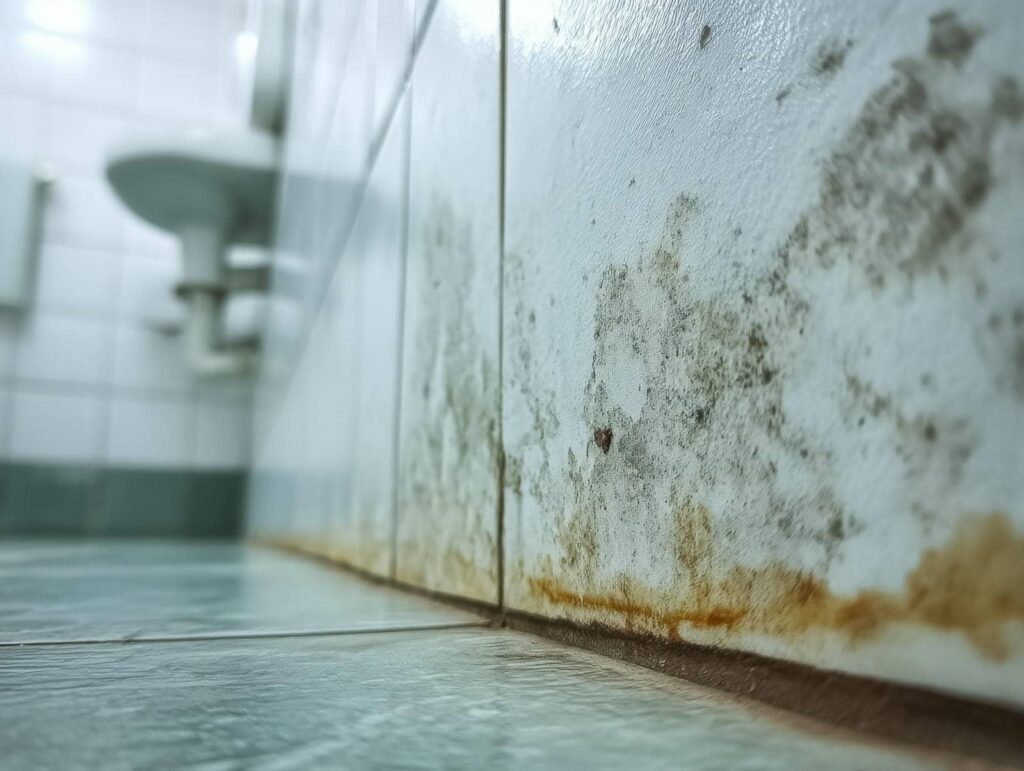
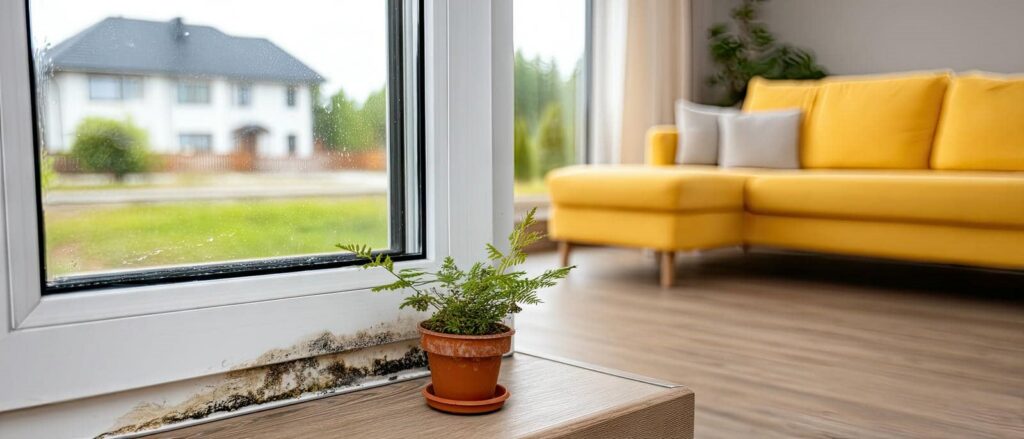
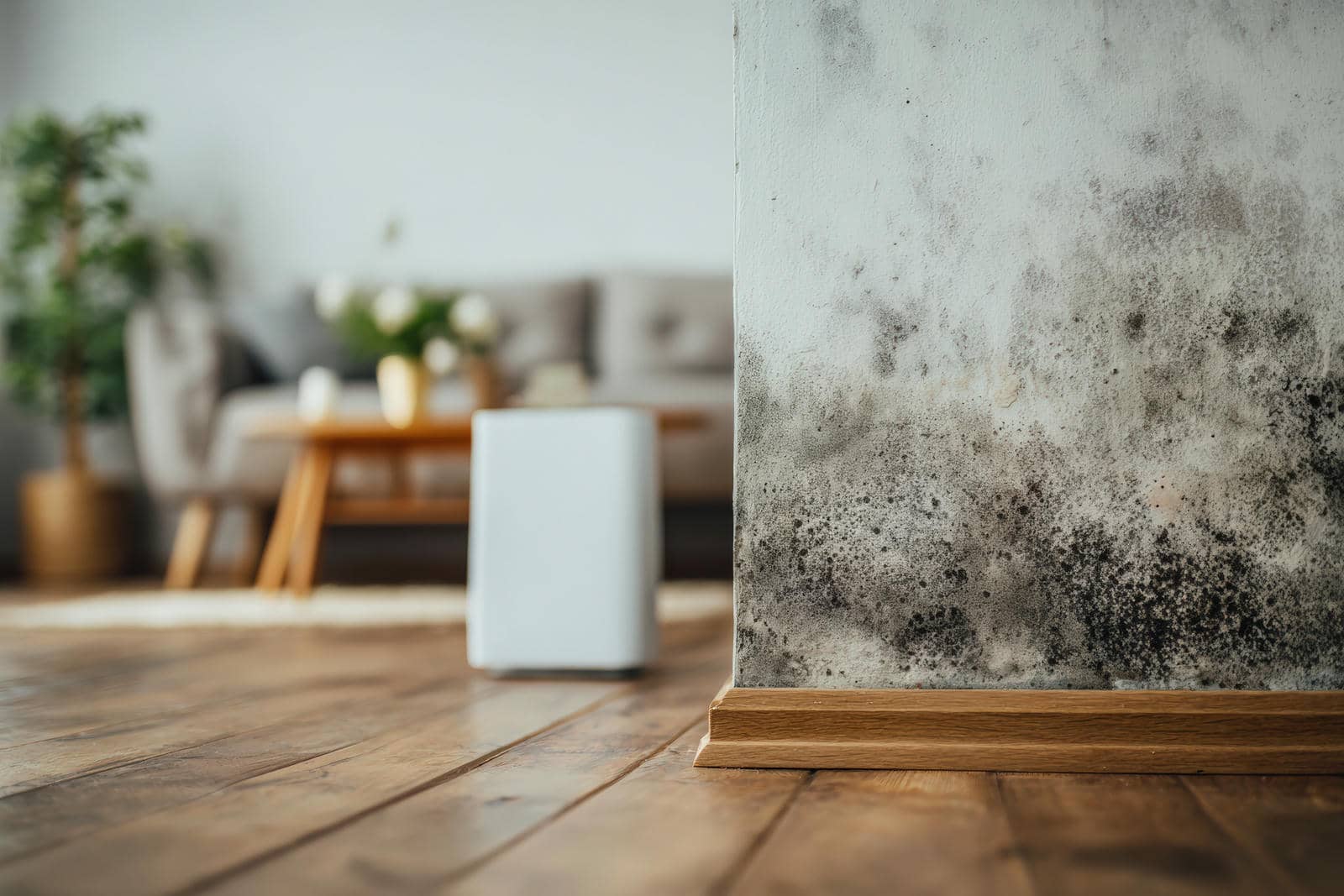
Visible mold growth is a clear indicator that your home may be harboring an unhealthy environment. Different mold types can thrive in damp areas, leading to potential health effects such as respiratory issues, allergies, and skin irritations.
If you notice mold on walls, ceilings, or other surfaces, it’s essential to act quickly. Not only does visible mold indicate a moisture problem, but it can also worsen over time, impacting your indoor air quality.
Ignoring it can lead to more extensive damage and health risks for you and your loved ones. Consulting with mold remediation services can help you identify the specific mold type and address the underlying moisture issues, ensuring a safer, healthier living space for everyone.
Musty Odor Presence
A musty odor in your home often signals hidden mold growth, even if it’s not visible.
You mightn’t realize that this smell can stem from various sources. Recognizing the signs can lead you to take action promptly.
Here are four reasons to evaluate mold remediation services:
- Persistent musty smell despite cleaning efforts.
- Accompanying symptoms like sneezing or coughing in your family.
- Presence of damp areas or water stains, which can indicate musty odor sources.
- Utilizing mold detection techniques reveals potential hidden mold.
Ignoring these signs can lead to health risks and further damage.
Trust your instincts; if you notice a musty odor, it’s crucial to act quickly to protect your home and loved ones.
Water Damage History
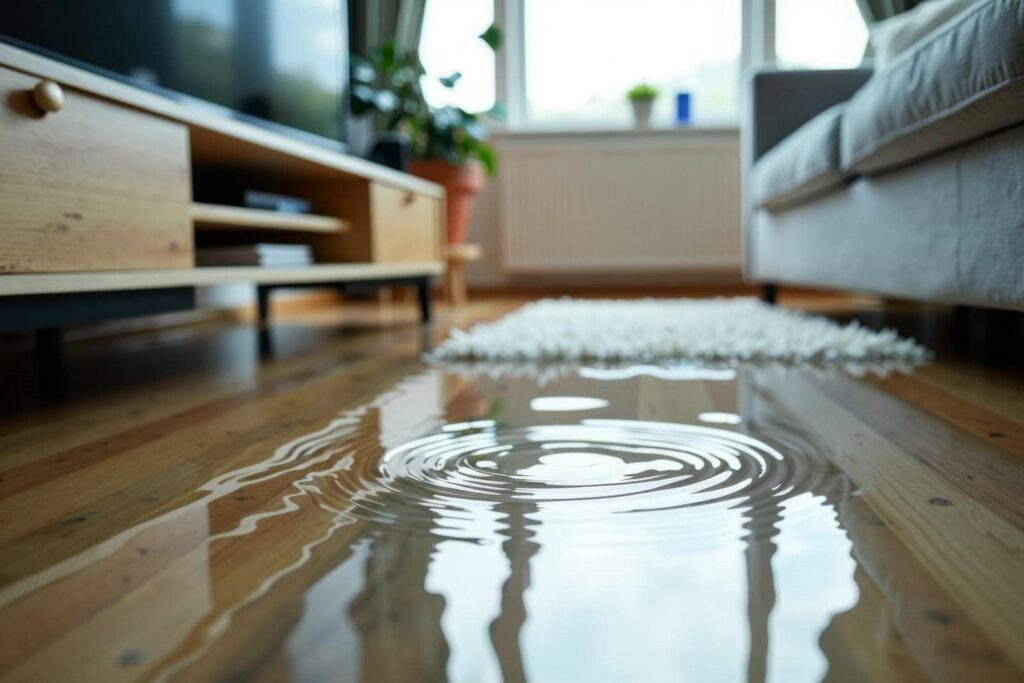
Considering that water damage can create an ideal environment for mold growth, it’s vital to assess any history of water issues in your home.
Begin with a thorough damage assessment to identify past leaks, flooding, or humidity problems. Check areas like basements, bathrooms, and behind appliances, as these are common sites for mold types that thrive in damp conditions.
If you discover any previous water damage, it’s important to act quickly; even minor issues can escalate. Look for discoloration, peeling paint, or warped materials as indicators.
If you find signs of mold or suspect its presence, seeking professional remediation services can help ensure a safe and healthy living environment.
Don’t ignore these signs—they’re key to maintaining your home.
How to Search for Local Mold Remediation Companies
How can you efficiently locate reliable mold remediation companies in your area? Start by utilizing various local resources to gather information. Here are four effective steps to guide your search:
- Ask for Recommendations: Reach out to friends, family, or neighbors who might’ve experience with mold remediation services.
- Use Online Reviews: Check platforms like Google and Yelp for customer feedback. Positive reviews can build trust and confidence in a company.
- Search Local Directories: Websites like Angie’s List or HomeAdvisor specialize in connecting you with vetted professionals in your community.
- Contact Local Health Departments: They can provide insights on reputable companies and may even have lists of licensed providers.
Evaluating the Credentials of Mold Remediation Services
After compiling a list of potential mold remediation companies, the next step involves evaluating their credentials to ensure you choose a qualified provider.
Start with certification verification; check if they’ve credentials from recognized organizations like the Institute of Inspection, Cleaning and Restoration Certification (IICRC). This validation showcases their expertise and commitment to industry standards.
Next, conduct service comparisons among your shortlisted providers. Look at their experience, customer reviews, and any warranties they offer.
A company with a solid track record and positive client feedback often indicates reliability in handling mold issues. Don’t hesitate to ask about their methods and equipment; understanding their approach can further assure you of their competence.
Questions to Ask Before Hiring a Mold Remediation Expert
Before hiring a mold remediation expert, it’s essential to assess their experience and qualifications to ensure they can effectively handle your situation.
Additionally, inquire about the safety protocols they follow to protect both you and their team during the remediation process.
These questions will help you gauge their professionalism and commitment to quality service.
Experience and Qualifications
When hiring a mold remediation expert, understanding their experience and qualifications is essential for ensuring effective and safe treatment of your property.
You’ll want to ask specific questions to gauge their suitability:
- What certification requirements do you meet for mold remediation?
- How many years of industry experience do you have?
- Can you provide references from previous clients?
- What ongoing training or education do you pursue in mold remediation?
These inquiries highlight their expertise and give you peace of mind.
Choosing a qualified expert fosters a sense of security and community, ensuring your home is treated with the utmost care and professionalism.
Your well-being deserves nothing less than skilled and knowledgeable assistance.
Safety Protocols Followed
Ensuring safety during mold remediation is essential, as improper handling can exacerbate health risks and damage your property.
When evaluating potential mold remediation experts, ask about the safety protocols they follow. Do they use appropriate safety equipment, such as respirators and protective clothing?
It’s vital that they adhere to established health guidelines to protect both their team and your household. Inquire about their training in these protocols and whether they conduct risk assessments before starting work.
Understanding their approach to safety demonstrates their professionalism and gives you peace of mind. A reliable remediation service prioritizes safety, ensuring that it effectively addresses mold issues without compromising your well-being or that of your environment.
Importance of Preventive Measures After Remediation
While mold remediation effectively eliminates existing mold, neglecting preventative measures can lead to a swift return of the problem. To ensure your home remains mold-free, it is essential to engage in preventive maintenance and ongoing monitoring.
Here are four key actions you should take:
- Control Humidity: Keep indoor humidity below 50% to discourage mold growth.
- Regular Inspections: Conduct routine checks in damp areas like basements and bathrooms.
- Immediate Repairs: Fix leaks and water damage promptly to prevent mold resurgence.
- Ventilation: Ensure proper ventilation in high-moisture areas to promote air circulation.
Taking these steps protects your home and fosters a sense of belonging within your environment.
Frequently Asked Questions
How Much Do Mold Remediation Services Typically Cost?
Mold remediation services typically cost between $500 and $6,000, depending on factors like mold inspection costs, the extent of contamination, and necessary repairs. You should consider these factors when budgeting for effective remediation.
Will My Insurance Cover Mold Remediation Expenses?
Your insurance policies might include mold coverage, but it varies widely. Check your specific plan for details on coverage limits and exclusions. Understanding these terms helps you navigate potential costs associated with mold remediation effectively.
Can I Stay in My Home During Remediation?
You can stay during remediation, but it’s essential to take into account health risks. Confirm that the contractors take proper remediation precautions. If you experience any symptoms, it’s best to leave until the process is complete and safe.
How Long Does the Mold Remediation Process Take?
Mold growth can be a stubborn foe, but understanding the remediation timeline helps. Generally, it takes one to five days, depending on the extent of the infestation and necessary repairs. You’ll find peace of mind through diligence.
What Should I Do if Mold Returns After Remediation?
If mold returns after remediation, you should reassess your environment. Implement mold prevention tips, like improving ventilation and controlling humidity. Consider long-term solutions, such as regular inspections, to ensure your living space remains healthy and mold-free.
Recap
In your quest for quality mold remediation, thorough research and careful consideration can lead to a safe, serene space. Don’t overlook the significance of sound solutions and skilled specialists who can safeguard your home. By prioritizing preventative practices post-remediation, you’ll foster a healthier environment for you and your loved ones. Stay vigilant and proactive—your peace of mind is paramount. With the right choices, you’ll conquer the challenge of mold and cultivate a clean, comfortable haven.