Contents
Most homeowners underestimate the complexities involved in restoring a home after water damage. It’s not just about drying out the space; it requires a systematic approach to assess the damage, ensure safety, and restore it properly. Before you proceed, it’s vital to understand the steps involved in this process. From water extraction to repairing and replacing materials, every detail matters. Let’s explore how to effectively tackle these challenges and protect your home for the future.
Key Takeaways
- Inspect and document all visible damage, including walls and structural elements, to assess the extent of water damage for restoration planning.
- Ensure safety by wearing protective gear and checking for electrical hazards before entering the affected areas.
- Remove standing water promptly using pumps or vacuums, and utilize dehumidifiers and fans to dry the space effectively.
- Replace any damaged materials with moisture-resistant options, adhering to local building codes for repairs and renovations.
- Implement preventative measures such as waterproofing and regular maintenance to avoid future water damage risks.
Assessing the Extent of Water Damage
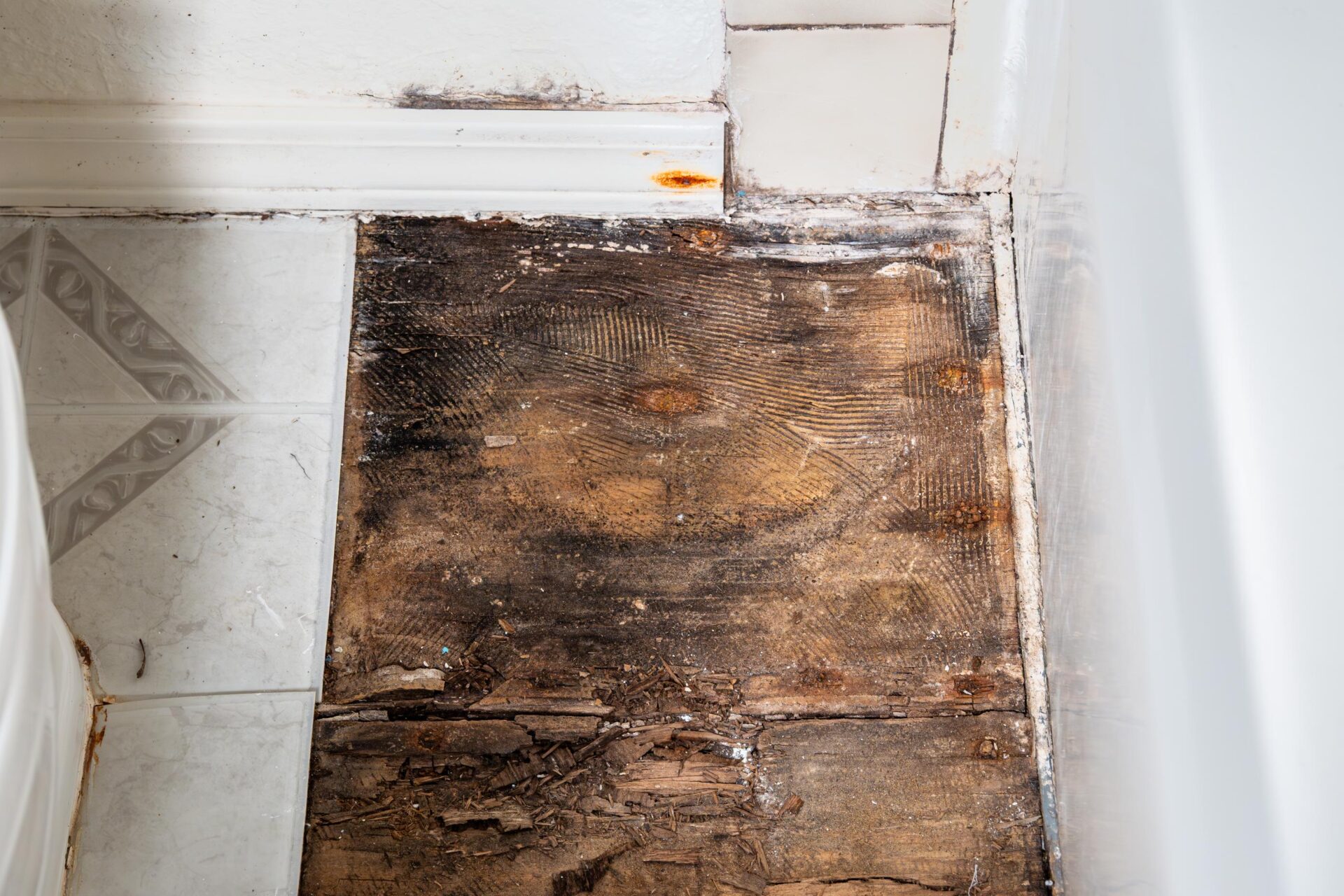
How do you determine the true extent of water damage in your home? Start by inspecting visible areas—walls, ceilings, and floors—for discoloration or warping.
Check for musty odors, which often indicate mold growth. Use a moisture meter to assess hidden areas like behind drywall or under flooring; readings above 20% can signal significant damage.
Don’t forget to examine structural elements, such as beams and joists, as they’re essential for your home’s structural integrity.
If you find damage, document it with photos for insurance claims. Additionally, look for signs of mold, as it can develop within 24 to 48 hours in damp conditions, compromising both health and safety.
Understanding the full scope of damage helps you make informed decisions about repairs and restoration.
Safety Precautions to Take
After evaluating the extent of water damage, prioritizing safety is essential before beginning any restoration work.
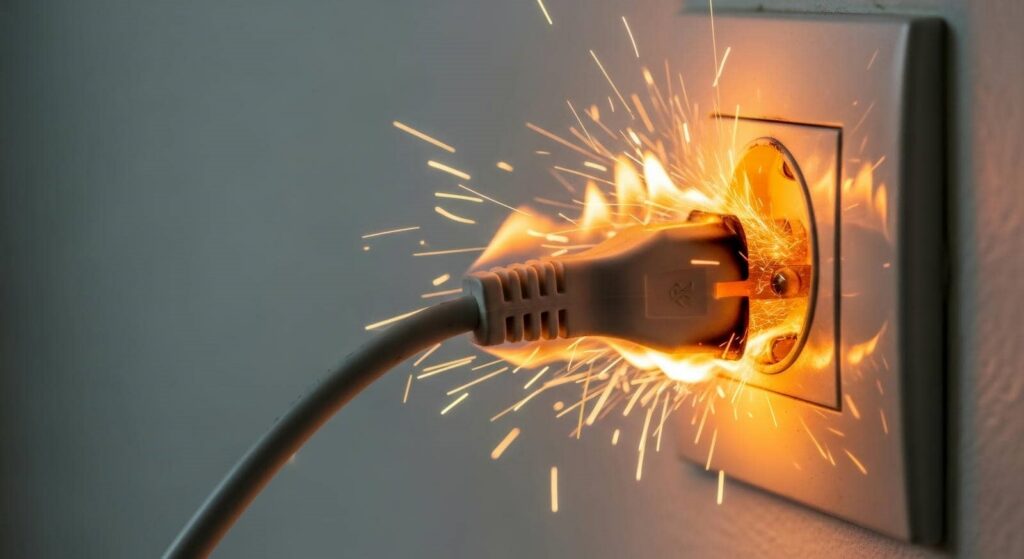
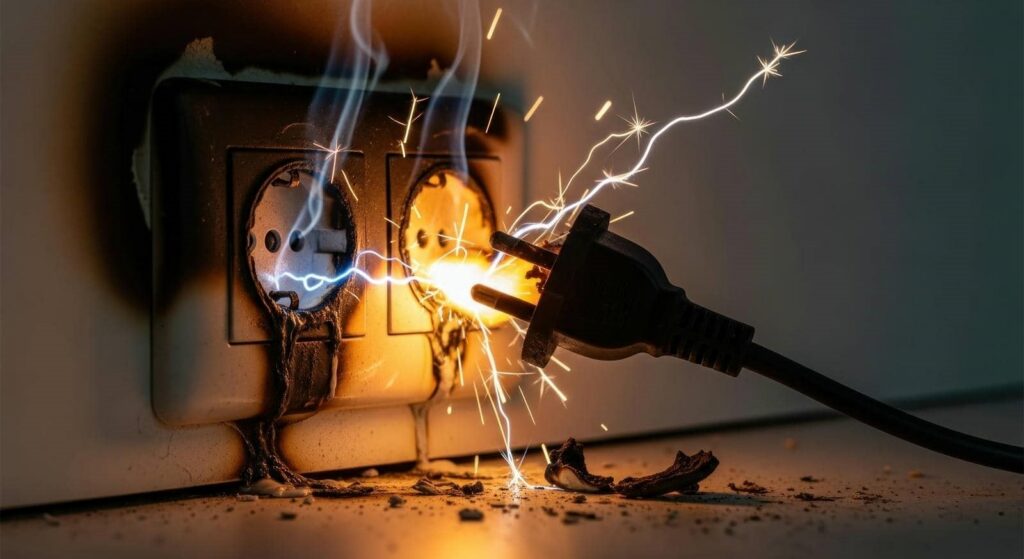
Start by equipping yourself with appropriate safety gear, including gloves, goggles, and masks, to protect against contaminants. Assess the area for electrical hazards; water and electricity don’t mix, so verify the power is off before entering flooded spaces. Use a voltage tester to confirm that circuits are safe. If you’re unsure about the state of wiring, don’t hesitate to call a professional electrician.
Additionally, be cautious of slippery surfaces and sharp objects that may be hidden under debris. Ventilate the area to reduce mold growth by opening windows and using fans.
Water Extraction and Drying Process
Once you’ve confirmed the area is safe, the next crucial step involves promptly extracting water and initiating the drying process.
Start with water removal using a submersible pump or wet/dry vacuum. Target any standing water, making sure you thoroughly remove it to prevent further damage.
Next, utilize drying techniques like dehumidifiers and fans to circulate air. Place dehumidifiers strategically in affected spaces to lower humidity levels, and use fans to enhance airflow.
Monitor moisture levels regularly with a moisture meter to ensure effective drying. Consider opening windows if the weather permits, as natural ventilation can expedite the process.
For particularly damp areas, infrared cameras can help identify hidden moisture pockets. Remember, the key to preventing mold growth and structural damage is to complete the drying process as swiftly and efficiently as possible.
This meticulous approach will help restore your home and provide peace of mind.
Repairing and Replacing Damaged Materials
Evaluating the extent of damage is critical before you begin repairing or replacing materials in your home. Start by inspecting walls, floors, and ceilings for signs of mold or structural weakness.
Once you’ve assessed the damage, focus on material selection. Choose materials that are durable and moisture-resistant, like treated wood or concrete board, to prevent future issues.
Consider cost considerations as well; while cheaper materials may seem appealing, they often lead to higher long-term expenses due to repairs and replacements. Balance your budget with quality—investing in reliable materials initially can save you money and stress down the line.
When replacing drywall or flooring, make certain you follow local building codes. Don’t hesitate to consult professionals if the damage is extensive. They can provide valuable insights into both material selection and cost-effective solutions, making sure your home is restored safely and effectively.
Preventing Future Water Damage
To prevent future water damage, it’s essential to implement proactive measures that address potential vulnerabilities in your home.
Start by employing effective waterproofing techniques, such as sealing cracks in walls and foundations with high-quality sealants. This prevents moisture from seeping through.
Next, evaluate your home’s drainage solutions. Verify gutters and downspouts are clear and functioning properly, directing water away from your foundation. Consider installing French drains or sump pumps in areas prone to flooding.
Regularly inspect your roof for leaks, and promptly repair any damaged shingles.
Inside, monitor plumbing fixtures for leaks and address them immediately.
Lastly, maintain proper humidity levels with dehumidifiers in damp areas like basements.
By taking these steps, you’ll protect your home and foster a sense of security for you and your family.
Prevention is key to maintaining a safe, dry, and comfortable living environment.
Summary
Restoring your home after water damage isn’t just a task; it’s a journey back to safety and comfort. Picture the damp walls breathing a sigh of relief as you extract the last remnants of water, sunlight streaming through freshly repaired windows. By taking these methodical steps, you’re reclaiming your space and fortifying it against future storms. With each repair, you’re weaving resilience into the very fabric of your home, ensuring it stands strong against whatever nature may bring.