Contents
You might find it coincidental that roof damage often occurs just after a storm, leaving you to navigate the complexities of insurance claims. Understanding your policy and the specific coverage for roof repairs is essential. You’ll need to document the damage meticulously and communicate effectively with your insurer. How you approach this process can greatly influence your claim outcome, and knowing the steps can make all the difference. What comes next can set the tone for your entire experience.
Key Takeaways
- Review your insurance policy to understand coverage limits, exclusions, and specific terms for roof damage claims.
- Document all visible roof damage with photos, notes, and weather conditions to support your claim.
- Gather multiple repair estimates from qualified contractors to provide comprehensive cost analysis for the insurer.
- Prepare for the adjuster’s visit by having documentation ready and being clear about the damage and repairs needed.
- Engage confidently with your insurance company, presenting thorough documentation and negotiating for the maximum payout.
Understanding Your Roof Damage Coverage
When evaluating your roof damage coverage, it’s vital to understand the specifics of your insurance policy. Start by reviewing your policy limits, as these dictate how much your insurer will pay for repairs. Knowing the maximum payout helps you gauge whether your coverage meets your needs.
A thorough roof inspection is important, as it identifies existing damage and potential issues that may affect your claim. Documenting these findings can strengthen your case when filing an insurance claim.
Additionally, be aware of any exclusions that could limit your coverage. Understanding these elements guarantees you’ll be prepared should you face roof damage, fostering a sense of security and belonging within your community.
Common Roof Repair Problems Covered by Insurance
When evaluating your roof repair needs, it’s essential to understand the common issues typically covered by insurance.
Wind damage, hail damage, and leaks leading to water damage often qualify for claims, depending on your policy.
Knowing these specifics can help you navigate the claims process more effectively.
Wind Damage Claims
Although harsh winds can wreak havoc on your roof, understanding how to navigate wind damage claims can greatly ease the repair process.
Start by documenting the damage thoroughly with photos and notes, as this evidence will support your claim. Check your insurance policy for coverage specifics, including any policy limits that may apply. Knowing these limits helps you set realistic expectations for your repairs.
When filing a claim, be clear about the extent of the wind damage and the repairs needed. It’s essential to communicate effectively with your insurance adjuster.
Hail Damage Coverage
Hail damage can greatly impact your roof’s integrity, making it vital to understand your insurance coverage for such incidents. Knowing the specifics of your policy can save you stress and money.
Here are three key points to take into account:
Hail Impact Assessment: Insurance often covers visible damage, but not all hail impact might be apparent. An inspection is essential.
Coverage Limits: Be aware of your policy’s limits. Some plans may only cover repairs up to a certain cost, which could leave you responsible for excess.
Claim Process: Familiarize yourself with the claims procedure. Timely reporting and thorough documentation can strengthen your case for coverage.
Understanding these elements helps guarantee you’re prepared when facing hail damage challenges.
Leaks and Water Damage
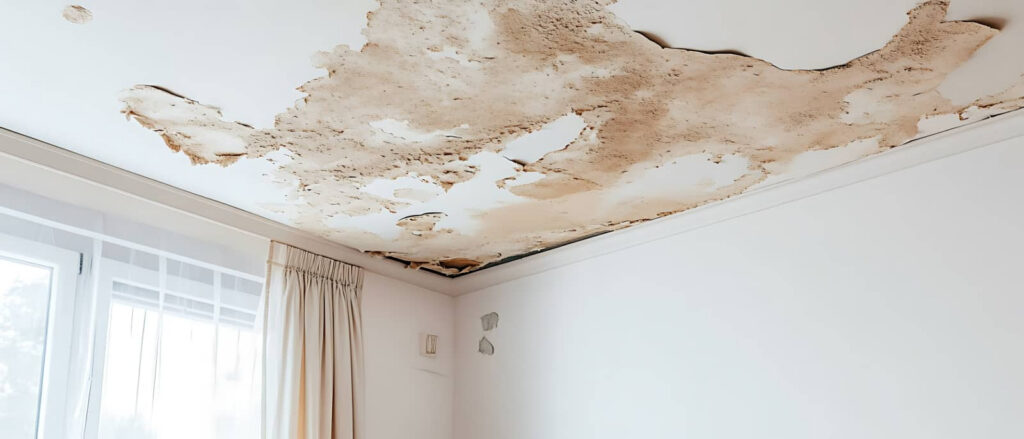
When you notice signs of water damage, prompt leak detection is important. This helps identify the source and prevent further deterioration.
Most insurance policies cover necessary repairs related to sudden leaks, but it’s critical to document the damage thoroughly.
Engage in water mitigation efforts immediately, like tarping affected areas, to minimize further loss. Your insurer may require a detailed assessment from a licensed contractor to validate the claim.
Understanding these aspects can help you navigate the claims process effectively, ensuring you receive the support you need to restore your home.
How to Collect Evidence for Your Roof Damage Claim
To support your roof damage claim, you need to systematically document visible damage, gather repair estimates, and take detailed photos.
Each piece of evidence plays a vital role in substantiating your case with the insurance company.
Document Visible Damage
While you might feel overwhelmed after a storm, documenting visible damage to your roof is essential for your insurance claim. A thorough damage assessment can make the difference between a smooth process and a frustrating one.
Here’s how to effectively collect evidence:
Photograph Damage: Capture clear images of all visible damage, including missing shingles, leaks, and structural issues. Confirm you take photos from multiple angles.
Note Details: Write down specifics like dates, weather conditions, and any maintenance performed prior to the storm. This repair documentation will support your claim.
Record Conversations: Keep a log of discussions with contractors or insurance adjusters. This guarantees you have a clear timeline of events and communications.
These steps will help establish a strong foundation for your claim.
Gather Repair Estimates
After documenting visible damage, the next step involves gathering repair estimates to strengthen your insurance claim.
Start by contacting multiple contractors for a thorough repair cost analysis. Collect detailed estimates that outline materials, labor, and timelines. This not only helps you understand the scope of repairs but also provides a basis for comparison between different contractors.
When evaluating bids, look for consistency in pricing and services offered, and pay attention to any warranties included. These contractor comparisons won’t only support your claim but also guarantee you’re making an informed decision.
Take Detailed Photos
Capturing detailed photos of your roof damage is crucial for substantiating your insurance claim. Effective photo documentation provides the visual evidence needed to support your case.
Here are three key tips to enhance your photo collection:
Angles Matter: Take photos from various angles to capture the full extent of the damage. This can reveal issues that mightn’t be visible from a single viewpoint.
Damage Close-Ups: Focus on specific areas of concern, especially where damage is most evident. These close-ups can help illustrate the severity of the issues.
Lighting Conditions: Verify you’re photographing during ideal lighting conditions. Good lighting can enhance clarity, making your before and after images more compelling and easier for adjusters to assess according to insurance requirements.
Filing Your Roof Repair Claim
Here’s a quick reference table to guide you:
| Step | Action Required | Notes |
|---|---|---|
| 1. Gather Documentation | Collect photos and receipts | Guarantee clarity and detail |
| 2. Review Policy | Understand claim timelines | Know your deductible options |
| 3. Submit Claim | Complete all forms accurately | Double-check for errors |
What Happens When the Adjuster Visits?
When the adjuster visits your property, they’ll conduct a thorough assessment of the roof’s condition and the damage reported in your claim. This adjuster assessment is essential for determining the extent of your coverage.
Here’s what to expect during their visit:
Visual Inspection: The adjuster will inspect visible damage and take notes on any wear and tear.
Documentation: Expect them to document findings with photos and measurements for their report.
Discussion: They’ll likely ask you questions about the damage and any previous repairs.
This damage evaluation is significant, as it directly influences your claim’s outcome.
Being prepared and informed can help you feel more confident during this process, ensuring you get the support you need.
Finding a Contractor After Your Claim
After receiving approval for your roof repair claim, finding a qualified contractor becomes essential. Start by evaluating contractor qualifications, focusing on licensing, insurance, and experience with similar projects. A well-documented track record indicates reliability and expertise.
Next, obtain references from past clients to gauge satisfaction and quality of work. Reach out to those references to ask specific questions about their experiences, including timeliness and communication.
It’s also beneficial to check online reviews and ratings; these can provide additional insight into a contractor’s reputation. By carefully considering potential candidates, you’ll not only guarantee a successful roof repair but also foster a sense of community by connecting with trusted professionals who prioritize your needs.
Strategies to Maximize Your Insurance Payout
To maximize your insurance payout for roof repairs, it’s crucial to document all damage thoroughly before filing your claim. A proactive approach can greatly enhance your chances of receiving a fair settlement.
Here are three key strategies:
Conduct a Detailed Inspection**: Take clear photos and notes** of all damage, including affected areas and any underlying issues.
Review Your Insurance Policy: Understand your coverage limits and exclusions to guarantee you’re aware of what’s eligible for claims.
Utilize Claim Negotiation Tips: Engage with your insurer confidently. Be prepared to present your documentation and argue for the full extent of your claim.
Frequently Asked Questions
How Long Do I Have to File a Roof Repair Claim?
You typically have one to two years to file a roof repair claim, but it varies by policy specifics. Always check your insurance documents for exact claim deadlines to guarantee you meet all requirements.
Will My Insurance Premium Increase After a Claim?
Yes, your premium might increase after a claim, especially if you file frequently. Insurers often assess claim frequency and overall risk, which can lead to a higher premium impact, reflecting your perceived risk profile.
Can I Choose My Own Contractor for Repairs?
Yes, you can choose your own contractor for repairs. Just make sure they have the right qualifications and provide a fair repair cost. Your choice can lead to a stronger connection with your home’s future.
What if My Claim Gets Denied?
If your claim gets denied, analyze the denial reasons carefully. You can employ claim appeal strategies like gathering additional evidence, consulting experts, or requesting a review to strengthen your case and increase your chances of approval.
Are There Specific Exclusions I Should Be Aware Of?
When it comes to your policy, it’s wise to read between the lines. Common exclusions include wear and tear, flooding, and specific policy limitations. Understanding these can save you headaches during claims.
Final Thoughts
Maneuvering roof repair for insurance claims requires diligence, documentation, and determination. Understand your coverage, gather solid evidence, and file your claim promptly. Communicate clearly with your insurer and advocate for yourself throughout the process. When the adjuster arrives, be prepared and organized. Finally, partner with a reputable contractor to guarantee quality repairs. By taking these steps, you can effectively manage your claim and maximize your payout, assuring your home is restored efficiently and thoroughly.