Contents
It’s interesting how you might find a mouse in your garage just when you’ve decided to clean out the clutter. Effective pest control solutions for homeowners involve a strategic approach, combining preventive measures and natural remedies. By understanding common household pests and their behaviors, you can implement targeted strategies. But how do you know when it’s time to escalate your efforts or call in the professionals?
Key Takeaways
- Seal all entry points in your home to prevent pests from getting inside.
- Maintain cleanliness, especially in the kitchen, to eliminate food sources for pests.
- Use natural remedies, like essential oils, to repel common household pests.
- Regularly inspect your home for signs of infestation and monitor moisture levels.
- Seek professional pest control services for severe infestations or recurring issues.
Understanding Common Household Pests
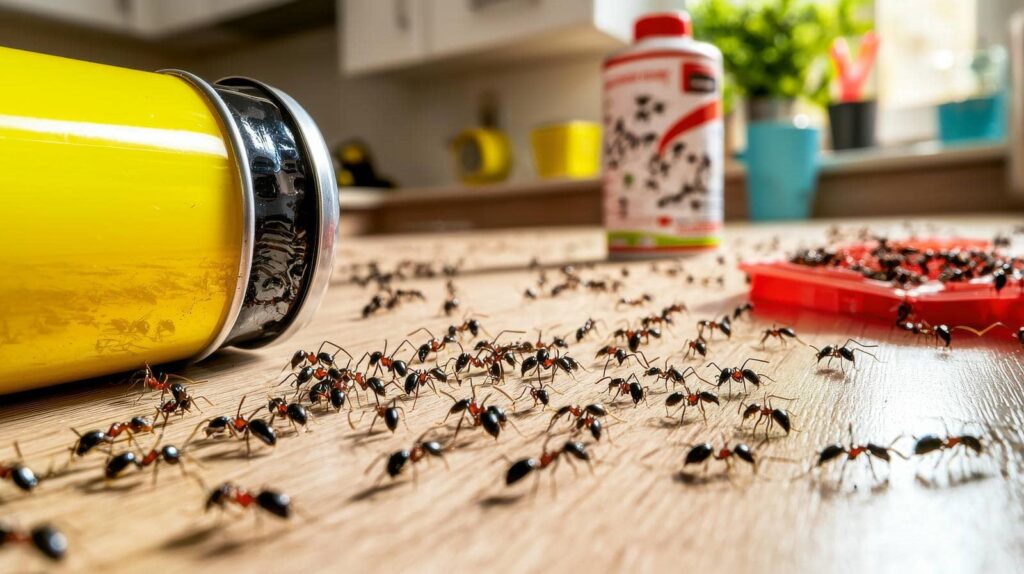
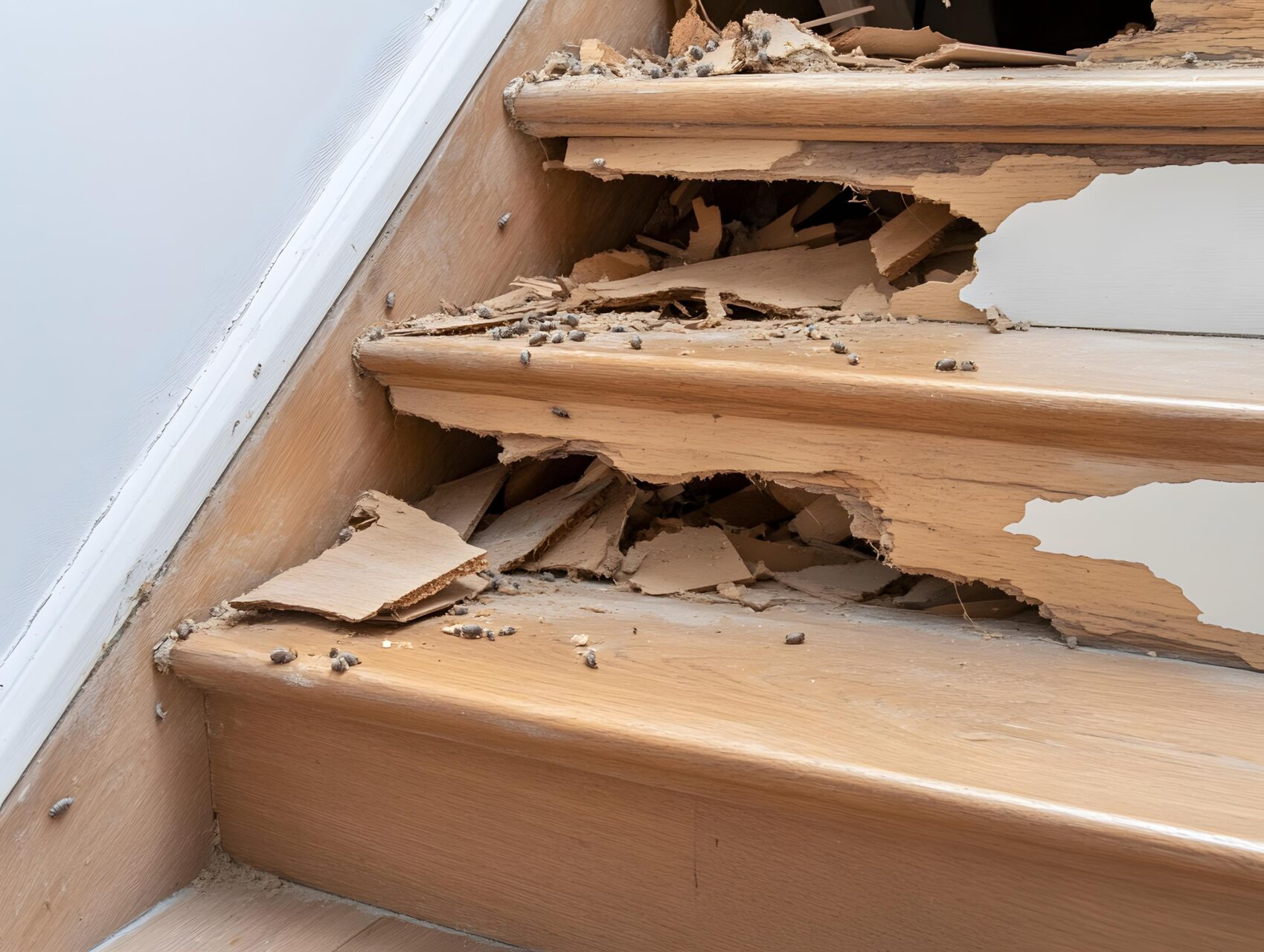
When you understand common household pests, you can take effective measures to prevent infestations. Start by employing pest identification techniques, which help you recognize the signs and species of various pests. For example, droppings may indicate a rodent issue, while small holes in wood can signal termites.
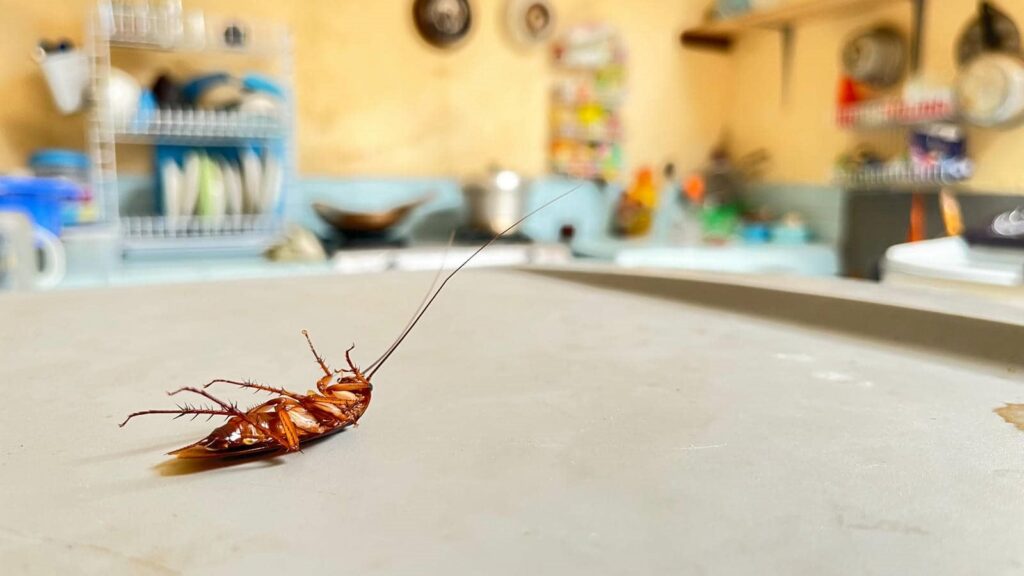
Next, familiarize yourself with pest behavior patterns. Knowing when pests are most active, such as ants during warm months or cockroaches at night, allows you to anticipate and address potential problems.
Keep an eye on nesting sites and food sources; this knowledge is essential for effective control.
Preventive Measures for Pest Control
Recognizing common household pests lays the groundwork for effective preventive measures. To keep your home pest-free, implement robust pest-proofing techniques.
Start by sealing cracks and gaps in walls, windows, and doors. This blocks entry points and enhances energy efficiency. Regularly inspect your home for signs of infestation, focusing on areas like basements and attics.
Conduct seasonal inspections to ensure that your preventive measures remain effective. Pay attention to moisture levels, as damp areas attract pests.
Keep your kitchen clean and store food in airtight containers to deter unwanted visitors. Additionally, maintaining your yard by trimming shrubs and removing debris can greatly reduce pest habitats.
Natural Remedies for Pest Management
Natural remedies for pest management offer an eco-friendly alternative that can be both effective and safe for your home.
One popular approach involves using essential oils, such as peppermint or tea tree oil, known for their pest-repelling properties. You can easily mix these oils with water in a spray bottle and apply them around entry points to deter insects.
Additionally, consider creating homemade traps to manage pests like fruit flies or ants.
For example, a simple vinegar trap can be made by filling a jar with apple cider vinegar and covering it with plastic wrap, punctured with small holes. This attracts and traps the pests.
Chemical Solutions and Safety Precautions
While natural remedies can be effective, there are times when chemical solutions become necessary for thorough pest control.
When opting for pesticide application, it’s essential to follow safety guidelines to ensure both your health and the environment are protected. Before using any chemical products, read the label carefully to understand the correct dosage and application methods.
Always wear protective gear, such as gloves and masks, to minimize exposure. Consider treating affected areas during times when pets and children aren’t present.
Ventilate the area effectively after application to disperse any lingering chemicals. Dispose of any leftover pesticides responsibly, following local regulations.
When to Seek Professional Pest Control Services
When should you consider bringing in professional pest control services? If you notice persistent signs of infestation or if your attempts at DIY methods aren’t yielding results, it’s time to seek expert help.
Professionals use advanced pest identification techniques to accurately diagnose the issue and implement targeted solutions.
Here are four key indicators that signal it’s time to call in the pros:
Severe Infestation: If you see a significant number of pests or evidence of nesting, it’s best to get professional assistance.
Health Risks: Pests like rodents can spread diseases, so don’t risk your family’s health.
Property Damage: If pests are damaging your home, immediate intervention is essential.
Recurring Problems: If pests keep returning despite your efforts, experts can provide a long-term solution.
Don’t hesitate; addressing pest issues early can save time, money, and stress in the long run.
Review
By combining preventive measures, natural remedies, and professional services when needed, you can effectively manage household pests. It’s often surprising how small actions, like sealing cracks or using essential oils, can lead to significant improvements in your home’s pest control. Remember, addressing issues promptly protects your living space and enhances your peace of mind. Don’t wait until pests become a problem—take proactive steps today to ensure a pest-free environment tomorrow.