Contents
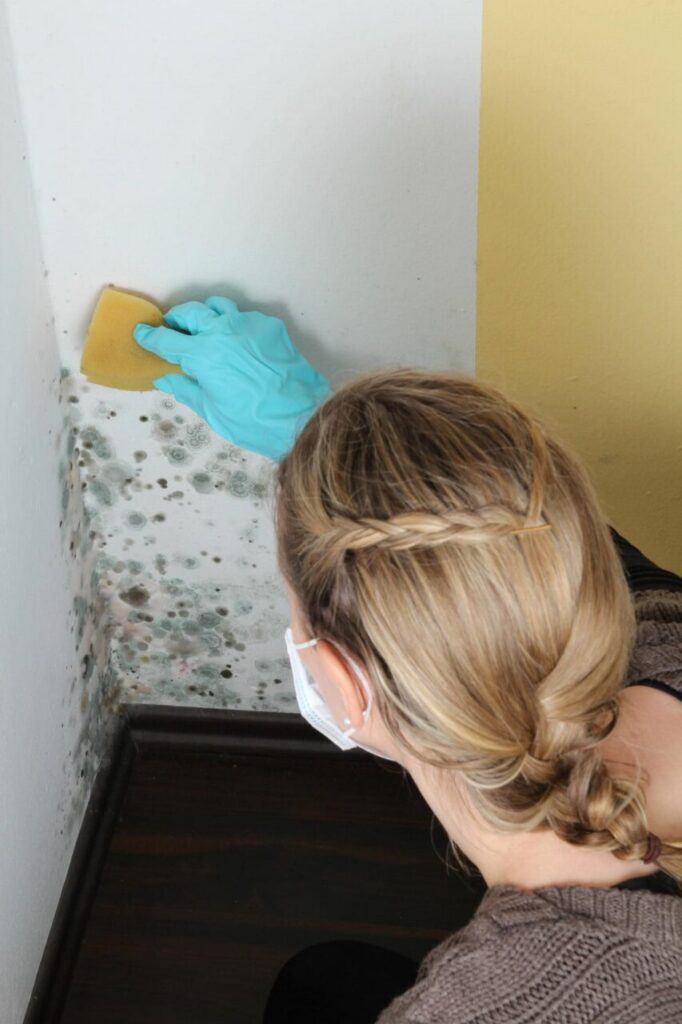
Mold is like an uninvited guest that thrives in damp environments, quietly taking over spaces if left unchecked. To prevent this unwelcome intruder, it’s essential to adopt effective mold growth strategies that control moisture levels in your home. By addressing humidity, ventilation, and maintenance, you can create a less hospitable environment for mold. What are the specific steps you can take to safeguard your home against this persistent problem?
Key Takeaways
- Keep indoor humidity levels between 30% and 60% using dehumidifiers in damp areas to prevent mold growth.
- Ensure proper ventilation by opening windows, using exhaust fans, and maximizing cross-ventilation.
- Promptly fix leaks and conduct regular inspections to avoid water pooling and mold development.
- Use mold-resistant products like paints, drywall, and flooring in moisture-prone areas.
- Regularly clean and maintain areas with high moisture, focusing on bathrooms, kitchens, and laundry rooms.
Keep Indoor Humidity Levels Low
To effectively prevent mold growth, it’s crucial that you keep indoor humidity levels low. High humidity creates a perfect environment for mold spores to thrive. For ideal humidity control, aim to maintain levels between 30% and 60%. This range greatly reduces the likelihood of mold development.
One effective solution is dehumidifier usage. By strategically placing dehumidifiers in areas prone to moisture, such as basements or bathrooms, you can actively remove excess humidity from the air. Regularly empty the water reservoir to ensure the unit operates efficiently.
Additionally, monitor humidity levels with a hygrometer to stay informed. If you notice levels rising, take immediate action by increasing dehumidifier usage or improving ventilation.
Ensure Proper Ventilation
Proper ventilation is essential in preventing mold growth in your home. Without adequate airflow, moisture can accumulate, creating a perfect environment for mold. To ensure proper ventilation, consider effective airflow strategies.
Start by strategically placing windows to maximize cross-ventilation. Open windows during dry days to allow fresh air to circulate and push out humid air.
Additionally, use exhaust fans in areas prone to moisture, like bathrooms and kitchens, to eliminate excess humidity quickly. Regularly inspect these fans to verify they function properly.
You might also want to invest in air purifiers with HEPA filters to improve indoor air quality further.
Fix Leaks Promptly
Address leaks promptly to minimize the risk of mold growth in your home. Timely leak detection is essential; even small leaks can lead to significant water damage if left unchecked.
Regularly inspect areas like under sinks, around toilets, and near appliances for signs of moisture. If you notice any leaks, don’t hesitate to act. Repairing these issues quickly prevents water from pooling and reduces the chances of mold spores finding a suitable environment to thrive.
Consider using professional services for leak detection if you suspect hidden leaks. Remember that mold can start to grow within 24-48 hours of water exposure, so the faster you fix leaks, the better.
In addition to repairs, make sure that your home’s drainage systems are functioning well to prevent future leaks. By being proactive about leak management, you’ll create a healthier living environment for you and your family.
Use Mold-Resistant Products
Using mold-resistant products can considerably reduce the risk of mold growth in your home.
By choosing the right materials and finishes, you can create a healthier environment for you and your family.
Here are some essential mold-resistant options to take into account:
- Mold-Resistant Paints: These specialized paints contain antimicrobial properties that prevent mold from thriving on your walls.
- Mold-Resistant Drywall: Opt for drywall designed specifically to resist moisture and mold, particularly in high-humidity areas like bathrooms and kitchens.
- Mold-Resistant Flooring: Consider materials like vinyl or tile that are less prone to absorbing moisture compared to traditional carpeting.
- Mold Resistant Insulation: Use insulation products treated to resist mold growth, especially in attics and crawl spaces.
Regularly Clean and Maintain Areas Prone to Moisture
Since mold thrives in damp environments, regularly cleaning and maintaining areas prone to moisture is essential for preventing its growth. By implementing effective mold prevention techniques and moisture control strategies, you can greatly reduce the risk of mold developing in your home.
Here’s a quick reference table to guide your cleaning efforts:
| Area | Cleaning Frequency | Recommended Action |
|---|---|---|
| Bathroom | Weekly | Scrub tiles and grout |
| Kitchen | Weekly | Wipe down surfaces |
| Basement | Monthly | Check for leaks |
| Laundry Room | Weekly | Dry clothes promptly |
| Windowsills | Monthly | Clean and inspect |
Frequently Asked Questions
What Are the Health Risks Associated With Mold Exposure?
Exposure to mold can trigger allergic reactions, respiratory issues, and skin irritation. It may weaken your immune system, increasing susceptibility to infections. Understanding these risks helps you take proactive steps toward a healthier environment.
Can Mold Grow in Cold Temperatures?
You might think cold climates prevent mold, but certain mold types can thrive even in low temperatures. While growth slows, moisture and insulation issues can still create ideal conditions for mold to flourish unexpectedly.
How Can I Tell if Mold Is Hidden?
To detect hidden mold, look for hidden signs like discoloration, musty odors, or water stains. Inspect damp areas, behind walls, and under carpets. Using mold detection kits can also help identify unseen growth effectively.
Are There Natural Remedies to Prevent Mold?
Yes, there are natural solutions for mold prevention. You can use vinegar, baking soda, or tea tree oil to inhibit mold growth. Regularly ventilating spaces also helps keep humidity low, creating an environment less conducive to mold.
How Often Should I Check for Mold?
You should check for mold as frequently as a hawk spots its prey. Regular mold inspection frequency—at least once a month—helps you catch signs of mold growth early, ensuring your space stays safe and healthy.
Final Thoughts
By keeping your indoor humidity levels in check, ensuring proper ventilation, and promptly fixing leaks, you create a fortress against mold. Imagine a home where sunlight dances through open windows, and each room breathes freely, untouched by dampness. Choosing mold-resistant products and maintaining cleanliness in moisture-prone areas further fortifies this safe haven. With these strategies, you protect your home and safeguard your health, creating a vibrant, mold-free environment for you and your loved ones.