Contents
When a storm hits, you need a clear plan for restoration to protect your home. Start by evaluating the damage, focusing on essential areas like roofs and windows. Effective water extraction is vital for flooding situations, while roof repairs require specific techniques. Understanding these methods helps mitigate damage and prepares you for the recovery process. However, knowing where to begin can make all the difference in a successful restoration.
Key Takeaways
Conduct a thorough assessment of storm damage, focusing on roofs, walls, and structural integrity to identify necessary repairs.
Implement water extraction techniques using pumps and dehumidifiers to remove moisture and prevent mold growth after flooding.
Perform roof repairs by replacing damaged shingles and sealing leaks to ensure water protection and structural stability.
Document all damage with photos for insurance claims, providing a clear record of the restoration process.
Establish a disaster preparedness plan that includes securing important documents and having an emergency kit ready for future storms.
Immediate Steps to Take After a Storm Hits
When a storm hits, the first priority is ensuring your safety and that of your loved ones.
Begin by evaluating your immediate surroundings for hazards, such as downed power lines or unstable structures. If you’ve followed storm preparedness tips, you’ll have an emergency kit ready, containing essentials like water, non-perishable food, flashlights, and a first aid kit.
Check for any injuries and administer first aid if necessary. Once it’s safe, document damage with photos for insurance claims.
Avoid entering flooded areas, as they may pose serious health risks. Keep communication lines open, and stay updated with local authorities.
Understanding the Types of Storm Damage to Your Home
After a storm, you need to assess two critical types of damage: wind and flooding.
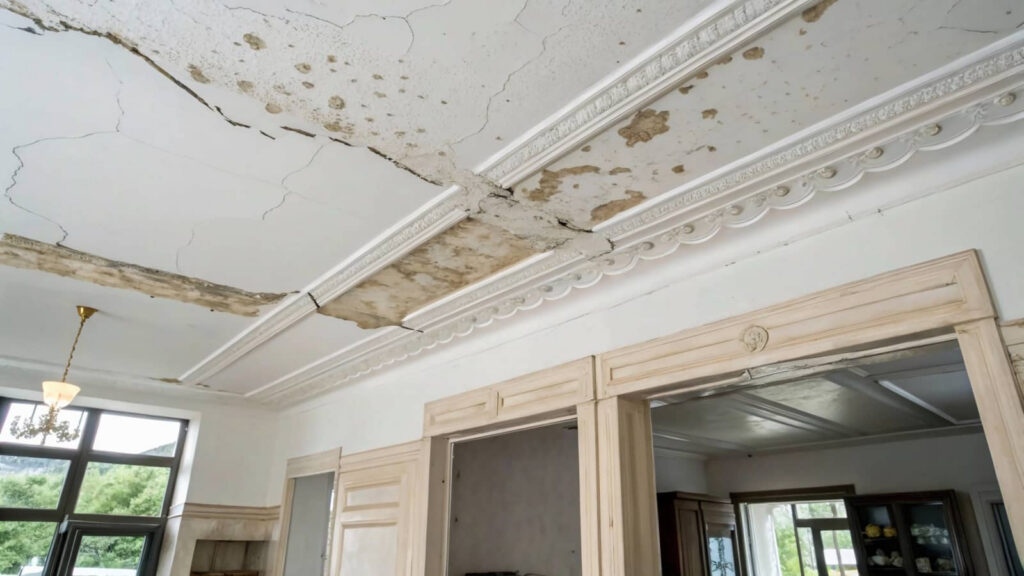
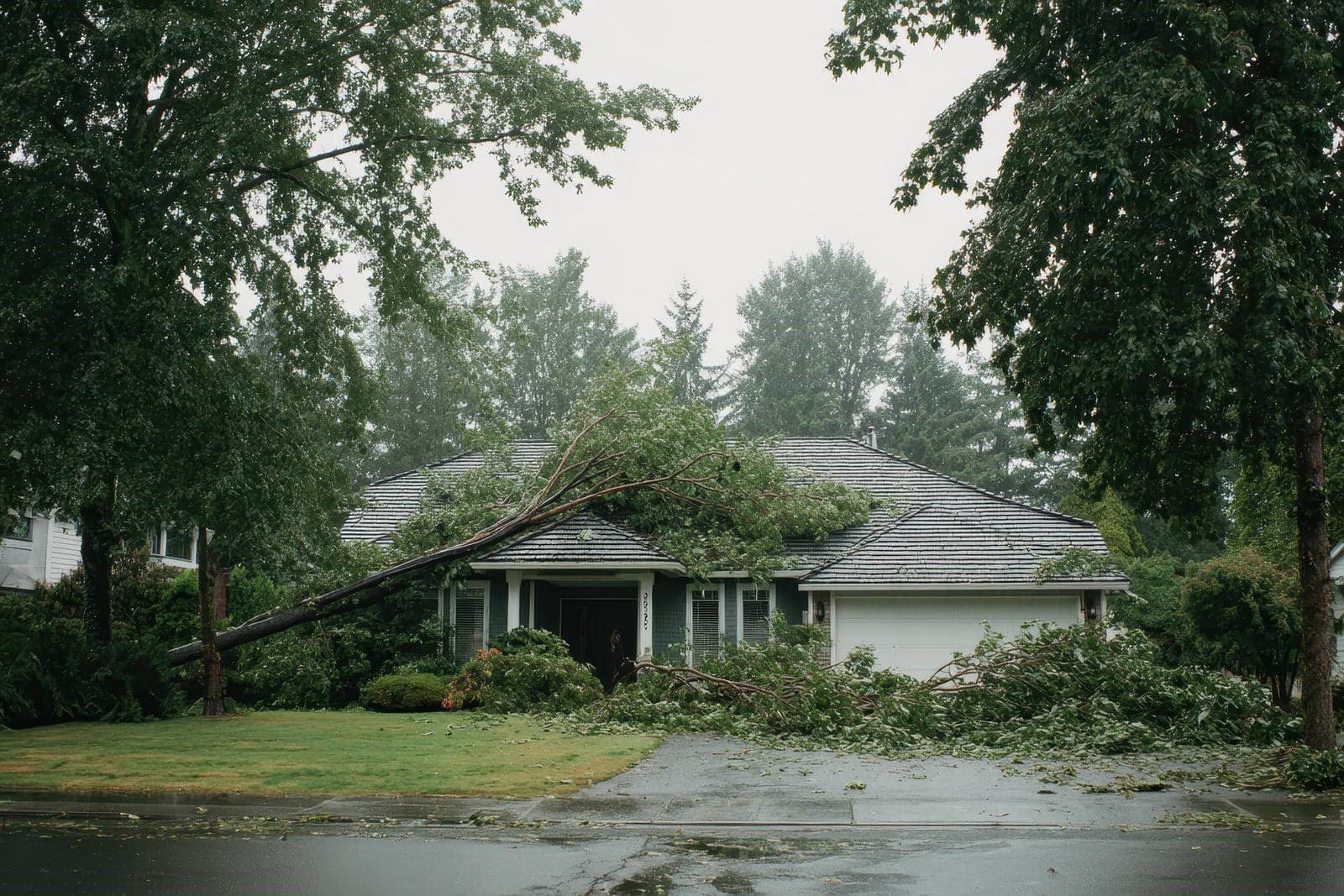
Wind damage often results in compromised roofs, broken windows, and downed trees, while flooding can lead to significant structural issues and mold growth.
Understanding these impacts helps you prioritize restoration efforts effectively.
Wind Damage Assessment
Understanding the impact of wind damage on your home requires a thorough assessment, as even seemingly minor gusts can lead to significant structural issues. To evaluate the extent of wind damage, consider the wind speed and specific damage indicators that may reveal underlying problems.
| Wind Speed (mph) | Damage Indicators |
|---|---|
| 30-40 | Loose shingles, branches |
| 50-70 | Detached gutters, broken windows |
| 70+ | Roof damage, structural failure |
Pay close attention to these indicators after a storm. Regular inspections can help you identify potential issues early, allowing for timely repairs. By understanding these factors, you can better protect your home from future wind damage.
Flooding Impact Analysis
Wind damage often paves the way for another serious threat: flooding. When storms strike, water can infiltrate your home, causing extensive damage to structures and belongings.
It’s vital to assess the type of flooding you might face—whether from heavy rainfall, storm surges, or rising rivers. Understanding these risks helps you plan effectively.
Flood insurance is essential; it protects your financial investment and aids in recovery. Additionally, disaster preparedness goes beyond mere insurance; it involves creating an emergency plan, securing important documents, and safeguarding your property against potential water intrusion.
Water Extraction Techniques for Flooded Homes
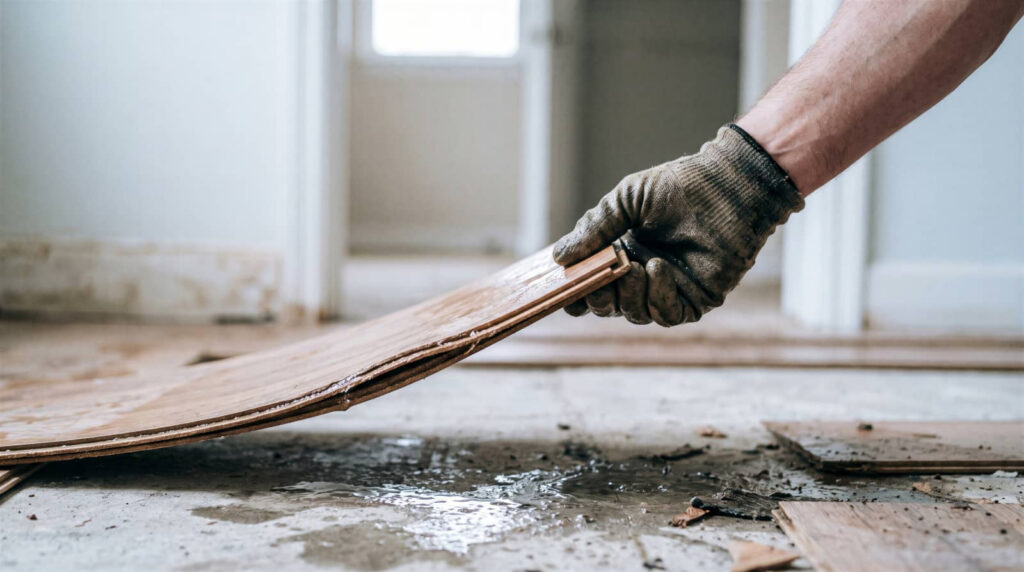
Flooding can wreak havoc on your home, but effective water extraction techniques can greatly mitigate damage. Start with pumping techniques, using submersible pumps to remove large volumes of water rapidly. Position these pumps at the lowest points to optimize efficiency.
Once the bulk of the water is gone, focus on moisture removal. Employ industrial-grade dehumidifiers and air movers to eliminate trapped moisture, preventing mold growth and structural damage. It’s crucial to ensure proper drainage and ventilation during this process.
Additionally, consider using wet vacuums for residual water in hard-to-reach areas. By implementing these methods, you protect your home and create a safer environment for you and your family. Quick action is key to minimizing long-term effects.
How to Repair Roof Damage From Storms
When storms strike, your roof often bears the brunt of the damage, making prompt repairs essential to prevent further issues.
Start with a thorough roof inspection to identify missing or damaged shingles. If you find any, shingle replacement is critical.
Don’t forget leak sealing to protect your home from water intrusion. Check your insulation for any dampness and perform insulation repair as needed.
Flashing repair is also important; compromised flashing can lead to significant leaks.
Afterward, make sure your gutters are clean to allow proper drainage. A ventilation check will help maintain airflow and prevent future moisture buildup.
Finally, consider using storm-resistant materials for any replacements to enhance your roof’s resilience against future storms.
Steps to Restore Your Home’s Structure After Wind Damage
After wind damage, you need to assess your home’s structural integrity to identify any critical weaknesses.
Once you’ve evaluated the damage, securing temporary repairs is essential to prevent further issues.
Acting swiftly can mitigate additional risks and prepare your home for more extensive restoration efforts.
Assess Structural Integrity First
Before you begin any restoration efforts, it’s crucial to assess the structural integrity of your home following wind damage.
Start with a thorough foundation inspection; look for cracks, shifts, or unevenness that might indicate deeper issues.
Next, conduct a detailed structural evaluation of walls, beams, and the roof.
Check for signs of bowing, buckling, or compromised connections, as these can jeopardize safety.
Document your findings meticulously, noting any areas requiring immediate attention.
This assessment guides your restoration strategy and helps secure the necessary permits and insurance claims.
Secure Temporary Repairs Quickly
Securing temporary repairs quickly is essential to prevent further damage to your home after wind events. Start by evaluating any exposed areas, such as roofs or broken windows.
Use emergency tarping to cover damaged roofs; this helps shield your home from rain and debris, mitigating water damage. Confirm the tarp is securely fastened to withstand additional wind.
For windows and doors, consider temporary boarding; using plywood can effectively block outside elements and deter potential intruders. Make sure to measure accurately and cut the boards to fit snugly.
Document all repairs with photos for insurance claims. By acting swiftly and efficiently, you’ll protect your home’s structure and maintain a sense of security for you and your family during recovery.
Finding Professionals for Storm Damage Repair
When storms wreak havoc on your property, finding qualified professionals for storm damage repair becomes essential.
To ensure you’re making informed decisions, consider these homeowner tips:
Research local resources: Check online reviews and ask for recommendations from neighbors.
Evaluate repair options: Discuss potential solutions with contractors to gauge their expertise and approach.
Understand insurance claims: Work with professionals who can help navigate the claims process efficiently.
Establish a restoration timeline: Confirm contractors can provide a clear schedule to minimize disruption.
Preventative Measures to Avoid Future Storm Damage
To minimize the risk of future storm damage, it’s vital to implement a series of preventative measures tailored to your property’s specific vulnerabilities.
Start with effective storm proofing strategies, such as installing impact-resistant windows and reinforcing your roof.
Regular home maintenance plays an important role; make sure gutters and downspouts are clear to prevent water accumulation.
Trim overhanging branches to reduce the risk of falling debris during storms.
Consider investing in flood barriers and sump pumps if you’re in a flood-prone area.
Additionally, reinforce your garage doors and secure outdoor items that could become projectiles.
Frequently Asked Questions
How Can I Identify Hidden Storm Damage in My Home?
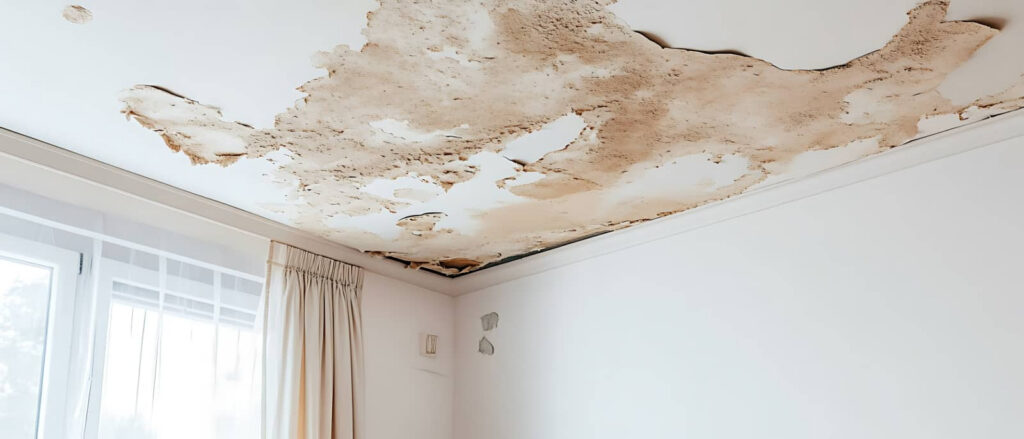
To identify hidden storm damage, conduct regular roof inspections and check for hidden leaks in your walls and ceiling. Look for water stains, mold, or unusual drafts, as these often indicate underlying issues needing immediate attention.
What Insurance Coverage Do I Need for Storm Damage?
You need thorough storm insurance that includes coverage types like wind, hail, and flood protection. Reviewing your policy ensures you’re protected against potential damages, giving you peace of mind during storm season.
Are DIY Repairs Safe for Severe Storm Damage?
If you’ve got severe storm damage, DIY repairs can be risky. Always prioritize safety precautions and consider emergency repairs by professionals to ensure your home’s integrity. You don’t want to jeopardize your safety or worsen the damage.
How Long Does the Restoration Process Typically Take?
The restoration timeline typically ranges from days to weeks, depending on the damage assessment. You’ll want to ensure thorough evaluations to address all issues, assuring a safe and effective restoration process for your home.
What Should I Do if My Neighbor’s Tree Damages My Property?
What would you do if a neighbor’s tree wrecked your yard? First, document the damage, then notify your neighbor. Discuss liability and potential tree removal options to reach a fair resolution and restore your property.
Final Thoughts
In the wake of a storm, taking swift action is essential to safeguarding your home. By evaluating damage, employing effective water extraction methods, and repairing structural issues promptly, you can restore your sanctuary. Remember, your home isn’t just a building; it’s where memories are made, like the laughter of family dinners. Don’t hesitate to reach out to professionals for help—they’ll guide you through this challenging time, ensuring your home remains a haven for years.