Contents
Roof Repair After Storms starts with a prompt inspection to prevent minor damage from becoming major repairs. After severe weather, look for signs such as missing shingles, damaged flashing, dents from hail, water stains, or debris on the roof. Once you’ve identified the affected areas, decide whether temporary measures, like installing a tarp, are enough or if permanent repairs are needed. Choosing the right materials and knowing when to call a professional roofing contractor can save you time, reduce costs, and protect your home’s long-term structural integrity.
Key Takeaways
- Conduct a thorough damage assessment to identify missing shingles, leaks, and structural issues before starting repairs.
- Use temporary tarping to cover exposed areas and prevent further water damage until permanent repairs are made.
- Apply emergency patches with roofing cement on minor leaks or damage to secure the area temporarily.
- Choose durable materials, such as metal roofing or asphalt shingles, for long-lasting repairs and enhanced protection.
- Seek professional assistance for significant structural problems or persistent leaks that exceed DIY capabilities.
Assess Storm Damage: Key Indicators
When evaluating storm damage, there are several key indicators you should look for to determine the extent of repairs needed.
Start by inspecting for wind damage, which can dislodge shingles and compromise your roof’s structural integrity. Missing shingles often lead to water leaks, so check for any gaps.
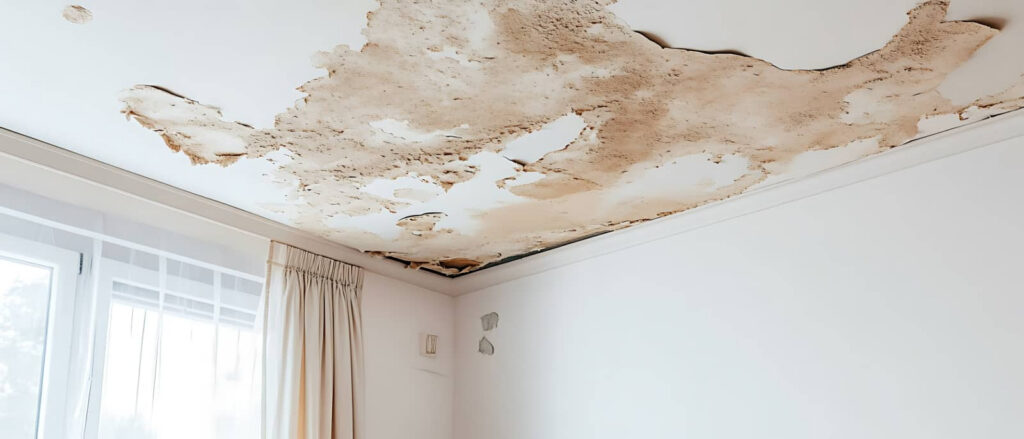
Inside, look for interior stains that indicate possible leaks. Pay attention to gutter issues, as clogged or damaged gutters can exacerbate water retention and cause further damage.
Additionally, inspect for mold growth, which can arise from persistent moisture, and assess insulation damage that may affect energy efficiency.
Choosing Materials for Durable Repairs
When choosing materials for durable roof repairs, you need to reflect on both the best roofing options and their weather-resistant capabilities.
Selecting high-quality materials not only guarantees longevity but also enhances your roof’s ability to withstand harsh conditions.
Evaluate your choices carefully to align with your specific climate and repair needs.
Best Roofing Materials
Choosing the right roofing materials is essential for ensuring durable repairs that withstand time and weather.
For longevity and resilience, consider metal roofing, which offers strength and low maintenance.
Asphalt shingles are popular for their affordability and ease of installation, making them a reliable choice for many homeowners.
If you’re looking for waterproof solutions, rubber membranes can effectively protect against leaks.
Tile roofing provides a classic aesthetic and exceptional durability, ideal for various climates.
Explore eco-friendly materials that reduce your environmental impact while still providing excellent performance.
Additionally, synthetic options offer versatility and lightweight benefits, ensuring you have a range of choices that meet your needs while contributing to a sustainable future.
Weather-Resistant Options
To guarantee your roof can withstand harsh weather conditions, selecting weather-resistant materials is essential. Start with durable shingles, designed to endure extreme temperatures and heavy rainfall. Look for options with high wind ratings and impact resistance to minimize damage during storms.
Incorporating weather-resistant coatings can further enhance your roof’s longevity. These coatings not only protect against moisture penetration but also reflect UV rays, reducing heat buildup.
When choosing materials, consider your local climate and specific challenges your roof faces. Investing in these options not only safeguards your home but also fosters a sense of community resilience, ensuring you’re prepared for whatever nature throws your way.
Prioritize these materials to secure a dependable roof that stands the test of time.
Quick Fixes to Secure Your Roof Right Now
If you’ve noticed leaks or damaged shingles, addressing these issues promptly is vital to prevent further complications.
Start with temporary tarping to cover exposed areas. Choose a durable tarp that extends at least a foot beyond the damage, securing it tightly with roofing nails or weights.
For smaller leaks, emergency patches can be a quick solution. Use roofing cement or adhesive patch kits specifically designed for your roofing material. Clean the area thoroughly before applying the patch to guarantee a strong bond.
When Should You Attempt DIY Roof Repairs?
Before attempting DIY roof repairs, you need to assess the damage severity to determine if you can handle it safely.
Consider your safety first; if you’re unsure about working at heights or handling tools, it’s best to call a professional.
Make sure you have the right tools and materials on hand for the repair to guarantee a successful outcome.
Assessing Damage Severity
When evaluating the severity of roof damage, knowing when to tackle repairs yourself can save time and money.
Start with a thorough damage assessment to identify issues like missing shingles, leaks, or structural damage. Conduct a visual inspection from the ground first, using binoculars if necessary. Look for signs of wear or displacement.
If you notice only minor surface damage, such as a few loose shingles, you might consider making those repairs yourself. However, if you spot significant issues—like extensive leaks or sagging—it’s best to call in a professional.
Safety Considerations First
A thorough understanding of safety considerations is essential before attempting any DIY roof repairs. You should assess your comfort level with heights and recognize the risks involved. If you’re unsure, it’s best to consult a professional.
Consider these key points:
Fall hazards: Guarantee you have proper fall protection, like harnesses and guardrails.
Electrical safety: Stay clear of power lines and check for any electrical issues before starting work.
Weather conditions: Avoid repairs during inclement weather to prevent accidents.
Tools and Materials Needed
Equipping yourself with the right tools and materials is essential for successful DIY roof repairs. Proper material selection guarantees durability and effectiveness. Here’s a quick guide to help you gather what you need:
| Repair Tools | Material Selection |
|---|---|
| Ladder | Roofing shingles |
| Hammer | Waterproof membrane |
| Utility knife | Roofing nails |
Before you climb up, make certain you have all necessary repair tools and materials ready. This preparation not only enhances your efficiency but also fosters a sense of belonging in your community of DIY enthusiasts. With the right tools at hand, you’ll feel more confident tackling your roof repairs.
When to Call a Professional for Repairs
Roof damage can escalate quickly, turning minor issues into major problems. Knowing when to call a professional for repairs is essential for your safety and your home’s integrity.
If you notice any of the following, don’t hesitate to seek help:
- Signs of water leaks or stained ceilings
- Missing or damaged shingles
- Structural instability or sagging
Emergency services can provide immediate assistance, while a professional evaluation will identify underlying issues you might overlook.
A trained expert can assess the damage accurately and recommend the best course of action.
Preventive Measures: Strengthening Your Roof for Future Storms
While storms can be unpredictable, taking proactive steps to strengthen your roof can greatly reduce potential damage.
Start by employing roof reinforcement techniques, such as adding braces or installing hurricane ties to secure rafters. Consider using storm resistant materials like impact-resistant shingles or metal roofing, which can withstand high winds and debris.
Regular inspections are essential; check for loose shingles or damaged flashing and address them promptly. Additionally, verify your gutters are clear to prevent water buildup that could compromise your roof’s integrity.
Finally, consider consulting a roofing professional to assess your home’s specific needs.
Roof Repair Insurance Claims: What You Need to Know
After reinforcing your roof to withstand storms, you may face the need for repairs due to unexpected damage.
Managing the claim process can be intimidating, but it’s essential for securing the funds you need. Here are some documentation tips to simplify your experience:
Take clear photos of the damage for evidence.
Keep receipts for any temporary repairs to show your insurer.
Document conversations with your insurance adjuster for clarity.
Frequently Asked Questions
How Do I Identify Roof Leaks After a Storm?
To identify roof leaks after a storm, conduct a thorough storm assessment. Look for water stains, mold, or sagging areas. Use leak detection methods like a hose or infrared camera to pinpoint hidden leaks effectively.
What Are Common Myths About Roof Repairs?
You might think roof maintenance means ignoring minor issues, but that’s a myth. Proper storm preparation includes addressing small leaks early, ensuring your roof withstands future storms. Don’t wait for disaster; act proactively instead.
Can Heavy Rain Damage a Newly Repaired Roof?
Yes, heavy rain can damage a newly repaired roof if the repair durability isn’t ideal. Water can exploit weak spots, leading to leaks or further degradation. Guarantee quality materials and techniques to withstand rain effects effectively.
How Often Should I Inspect My Roof Post-Storm?
You should inspect your roof after every storm, then conduct a thorough inspection every six months. Use a post-storm checklist to guarantee you catch any damage early, maintaining your roof’s integrity and longevity.
What Temporary Solutions Can I Use Until Repairs Are Made?
You can use tarp installation and emergency patches to temporarily protect your roof. Secure a tarp over damaged areas, and apply patches to smaller leaks. These methods help prevent further damage until professional repairs are made.
Review
In the aftermath of a storm, taking swift action on roof repairs is essential. Did you know that nearly 60% of homeowners face significant issues due to delayed repairs? By evaluating damage promptly, utilizing durable materials, and knowing when to call in professionals, you can safeguard your home effectively. Remember, regular inspections can prevent costly repairs in the future, ensuring your roof stands strong against whatever nature throws at it next. Stay proactive and protect your investment.