Contents
Just as a ship must navigate treacherous waters to reach safety, you need a clear plan for effective flood cleanup and mold prevention. Evaluating damage and prioritizing safety are your first steps, but understanding the nuances of mold growth can make all the difference in your recovery. As you consider your next actions, it’s essential to explore the techniques and resources available to ensure your home remains a safe haven.
Key Takeaways
- Obtain flood insurance to alleviate financial stress and ensure support during recovery efforts.
- Quickly assess damage and prioritize safety while using pumps or vacuums for effective water removal.
- Inspect for mold signs in moist areas and use proper remediation techniques to prevent regrowth.
- Hire professionals for severe damage, extensive water, or health concerns to avoid further complications.
- Prepare long-term by assembling emergency kits, engaging community resources, and considering home elevation strategies.
How to Address Flood Damage Effectively
When tackling flood damage, swift action is vital to minimize long-term effects. First, make sure you have flood insurance in place; it can greatly ease financial burdens.
Next, connect with community resources that offer support and guidance. Many local organizations provide assistance, from cleanup crews to emotional support, fostering a sense of belonging during these tough times.
Document the damage thoroughly for insurance claims, noting affected areas and items. This documentation will be essential when you file.
Additionally, consider reaching out to neighbors—sharing experiences and resources can strengthen community ties and help everyone recover more effectively.
Essential Steps for Immediate Flood Cleanup
When dealing with flood damage, you need to assess the situation quickly to understand the extent of the impact.
Prioritizing safety precautions is essential; you can’t begin cleanup without ensuring that the environment is secure.
Taking these initial steps effectively sets the stage for a more thorough recovery process.
Assessing The Damage Quickly
As you commence flood cleanup, evaluating the damage quickly is essential to mitigate further issues, including mold growth.
Start with a thorough damage assessment of your property. Document affected areas and items with photos or videos; this will be invaluable for insurance claims later.
Focus on structural damage, waterlogged materials, and potential hazards. Prioritize the most critical areas, such as basements and electrical systems, as they often require immediate attention.
By acting swiftly, you can reduce the risk of lasting damage and costly repairs.
Safety Precautions First
After evaluating the damage, prioritizing safety is imperative for effective flood cleanup.
Start by wearing personal protective equipment (PPE), including gloves, boots, and masks to shield yourself from contaminants.
Always check for electrical safety before entering any flooded area; turn off the power at the main breaker to prevent electrocution. Use a multimeter to verify circuits are safe before reactivating any electricity.
Additionally, be cautious of structural integrity; floodwaters can weaken walls and floors. If you notice significant damage, it’s wise to consult a professional.
Safe Water Removal Techniques
Effectively removing water after a flood is vital to preventing long-term damage and mold growth. Start by employing efficient water extraction methods, such as using submersible pumps or wet/dry vacuums. These tools help remove standing water quickly, minimizing saturation of materials.
After you’ve extracted as much water as possible, turn to natural drying techniques. Open windows and doors to improve airflow, and use fans or dehumidifiers to expedite drying. Make sure that you target areas like carpets and walls, which can trap moisture.
Keeping humidity levels below 60% is essential in this phase. By combining these methods, you create a safer environment, reducing the likelihood of mold development and promoting a sense of community resilience.
How to Identify Mold Growth After Flooding?
Identifying mold growth after flooding requires vigilance, especially since mold can develop within 24 to 48 hours in damp conditions.
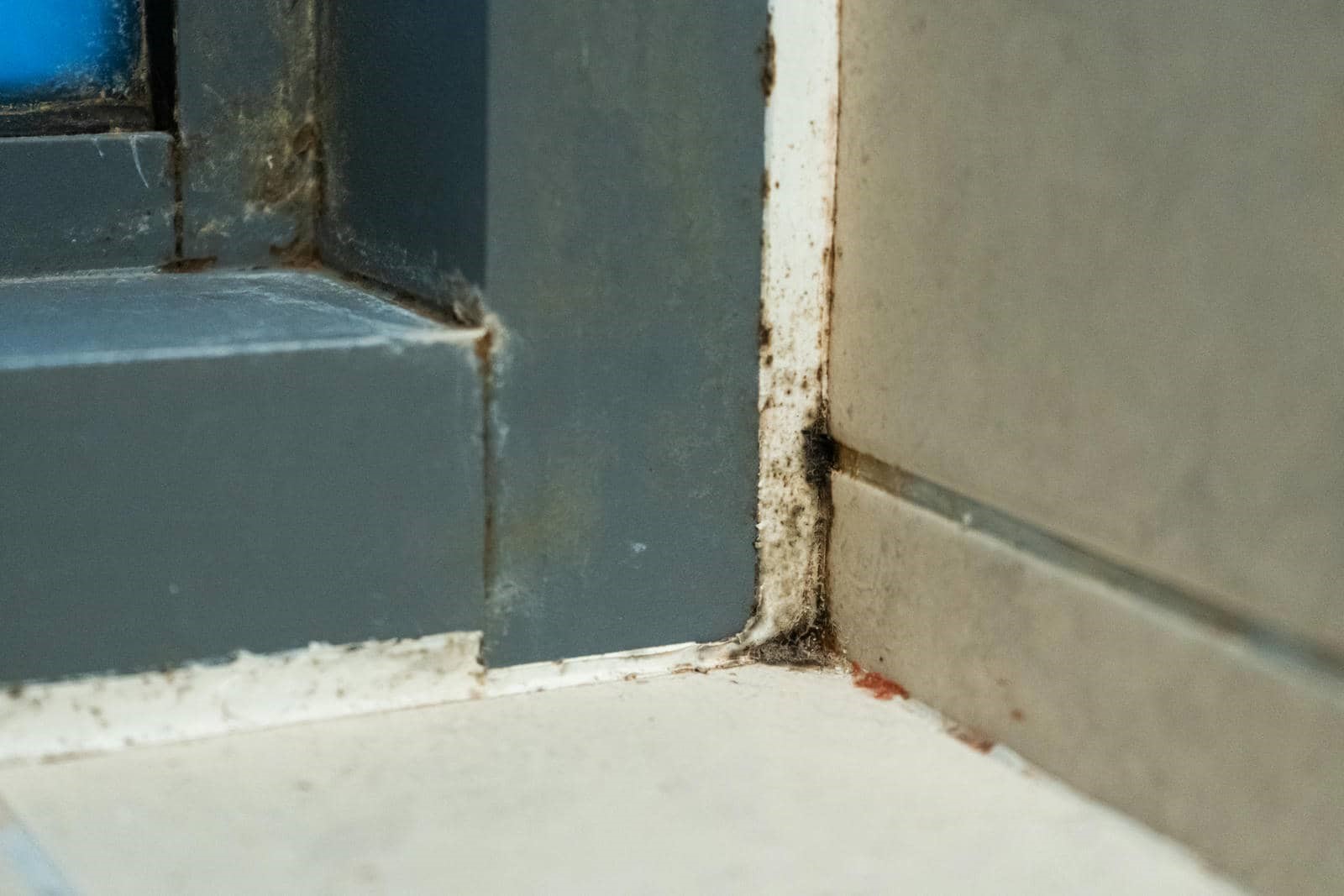
Start by inspecting areas with high moisture, such as basements and behind walls. Look for visible signs like discoloration or fuzzy textures, which indicate mold types like black mold or Aspergillus. You might also notice a musty odor, a clear signal of mold presence.
Pay attention to moisture levels in your home; high humidity can promote growth conditions. If you find mold, take note of its location and size, as this will help in evaluating the severity.
Regular checks will help you stay ahead, ensuring your space remains safe and healthy for everyone.
Effective Mold Remediation Techniques
Since mold can pose serious health risks, addressing it promptly with effective remediation techniques is crucial.
Begin with mold identification techniques to determine the type and extent of the growth. Use tools like moisture meters and visual inspections to assess affected areas accurately.
Next, consider remediation product reviews to find effective solutions tailored to your specific situation. Products containing biocides or fungicides can be beneficial, but make sure you follow manufacturer instructions for safe application.
After removing visible mold, verify you dry the area thoroughly to prevent regrowth.
Finally, maintain good ventilation and humidity levels to support long-term success.
Preventing Mold After Flooding
To prevent mold after flooding, you need to act quickly.
Remove standing water immediately and ensure all affected areas are thoroughly dried out; even small amounts of moisture can foster mold growth.
Additionally, consider using mold-resistant materials during repairs to further reduce the risk of future infestations.
Remove Standing Water Quickly
Act quickly to remove standing water after a flood; it’s essential for preventing mold growth. Use effective water extraction methods like pumps and wet vacuums to eliminate excess water promptly.
The sooner you act, the less chance mold has to establish itself. Combine these methods with quick drying techniques, such as fans and dehumidifiers, to manage moisture levels in your space.
Research shows that mold can start growing within 24 to 48 hours after water exposure, so your swift response is vital. By prioritizing these actions, you protect your home and foster a sense of community resilience.
Dry Out Affected Areas
While removing standing water is essential, drying out affected areas is equally important in preventing mold after flooding. To effectively combat mold growth, utilize dehumidifiers and enhance air circulation. This combination creates an environment where moisture struggles to thrive.
| Step | Action | Emotional Impact |
|---|---|---|
| Assess Damage | Inspect all areas | Awareness and urgency |
| Use Dehumidifier | Set to ideal level | Control and relief |
| Increase Airflow | Open windows/doors | Freshness and hope |
| Monitor Humidity | Check regularly | Confidence in progress |
| Final Inspection | Confirm dryness | Satisfaction and safety |
Use Mold-Resistant Materials
Using mold-resistant materials can considerably reduce the risk of mold growth after flooding. By integrating these materials into your home’s structure, you create a protective barrier that inhibits mold development.
Consider these essential options:
Mold-resistant paint: This enhances aesthetics and prevents mold spores from settling.
Moisture barriers: Effective in damp areas, they shield walls and floors from excess moisture.
Composite wood products: These materials resist moisture better than traditional wood, reducing mold risk.
Fungicidal sealants: Use these on porous surfaces to repel moisture and mold.
Non-porous tiles: Ideal for bathrooms and kitchens, they’re easy to clean and resist water absorption.
Top Products for Effective Mold Prevention
To effectively combat mold growth after a flood, selecting the right products is crucial. Start with mold-resistant paint, which creates a barrier against moisture and prevents spores from settling. This type of paint is particularly beneficial in high-risk areas like basements and bathrooms.
For ideal humidity control, consider using dehumidifiers; they maintain indoor humidity levels below 60%, making it harder for mold to flourish. Additionally, look for anti-fungal sprays that can be applied to surfaces prone to dampness.
Regularly monitor humidity levels with a hygrometer and keep windows open when the weather permits to ensure proper ventilation. By investing in these products, you can create a safer, healthier environment for you and your loved ones.
When to Hire Flood Cleanup Professionals
After addressing mold prevention with the right products, it’s important to recognize when professional help is necessary for effective flood cleanup.
You may want to think about hiring flood cleanup professionals in these situations:
Severe Damage: If structural integrity is compromised.
Extensive Water: When water covers a large area or is deep.
Health Concerns: If mold growth is visible or suspected.
Insurance Claims: Professionals can assist with documentation for claims.
Time Constraints: When you need a swift resolution to reduce further damage.
Cost considerations shouldn’t deter you; investing in professionals can save you money in the long run by preventing more significant repairs.
Ultimately, knowing when to seek help can protect your home and your peace of mind.
Long-Term Flood and Mold Preparedness Strategies
While it’s impossible to predict every flood event, implementing long-term preparedness strategies can greatly mitigate damage and reduce the risk of mold growth. Start by assembling emergency kits that include essential supplies. Engage with community resources to strengthen local flood response. Consider elevating your home and installing sump pumps for added protection.
| Strategy | Description | Community Resource |
|---|---|---|
| Emergency Kits | Stock food, water, and first aid | Local Red Cross Chapter |
| Home Elevation | Raise structures above flood level | City Planning Office |
| Sump Pumps | Prevent basement flooding | Hardware Stores |
| Community Engagement | Join local preparedness groups | Neighborhood Associations |
Frequently Asked Questions
What Types of Insurance Cover Flood Damage and Mold Remediation?
Flood insurance typically covers water damage from flooding, while mold coverage often varies. You’ll need a separate policy or endorsement for thorough mold remediation. Always review your policy details to ensure adequate protection.
Can I Use Bleach to Clean Mold After Flooding?
Bleach might seem like a quick fix for mold removal, but it’s not always effective. Instead, consider using specialized cleaners designed for mold remediation to ensure thorough, lasting results and keep your home safe.
How Long Does It Take for Mold to Develop After Flooding?
Mold can start developing within 24 to 48 hours after flooding. To mitigate risks, implement effective flood recovery strategies immediately, focusing on thorough drying and ventilation to disrupt the mold growth timeline.
What Personal Protective Equipment Is Recommended During Cleanup?
During cleanup, you need high-quality PPE like gloves, masks, and goggles to protect yourself. Following PPE guidelines and safety protocols minimizes health risks, ensuring you stay safe while tackling the aftermath of flooding effectively.
Are There Any Health Risks From Floodwater Exposure?
Yes, floodwater exposure can pose health risks. Contaminants in floodwater may lead to various health symptoms, including gastrointestinal issues and skin infections. It’s essential to minimize contact and seek medical advice if you experience symptoms.
Recap
Tackling flood damage promptly can greatly reduce the risk of mold growth, which affects homes in flood-prone areas. By following the essential steps outlined in this guide, you protect your property and safeguard your health. Remember, investing in flood insurance and emergency preparedness can be lifesavers. Don’t wait for disaster to strike; take action now to ensure your home remains safe and resilient against future flooding.