Contents
Imagine a homeowner in need of urgent roof repairs after a storm causes leaks. They discover that using asphalt shingles could be a cost-effective solution, but there’s more to evaluate. From DIY temporary fixes to exploring government assistance programs, various options can make repairs manageable without breaking the bank. Understanding these alternatives can prevent future headaches and expenses, so let’s explore practical strategies for effective roof repair solutions.
Key Takeaways
- Use asphalt shingles for a cost-effective roofing solution that is easy to install and maintain.
- Apply waterproof roofing tape to small leaks and use tarps for temporary coverage of damaged areas.
- Replace missing shingles with spare ones and secure edges with roofing cement to prevent further leaks.
- Consider rubber membrane solutions for excellent waterproofing at a lower cost compared to traditional materials.
- Engage local contractors for affordable repairs and ensure they are familiar with local building codes.
Assessing the Damage
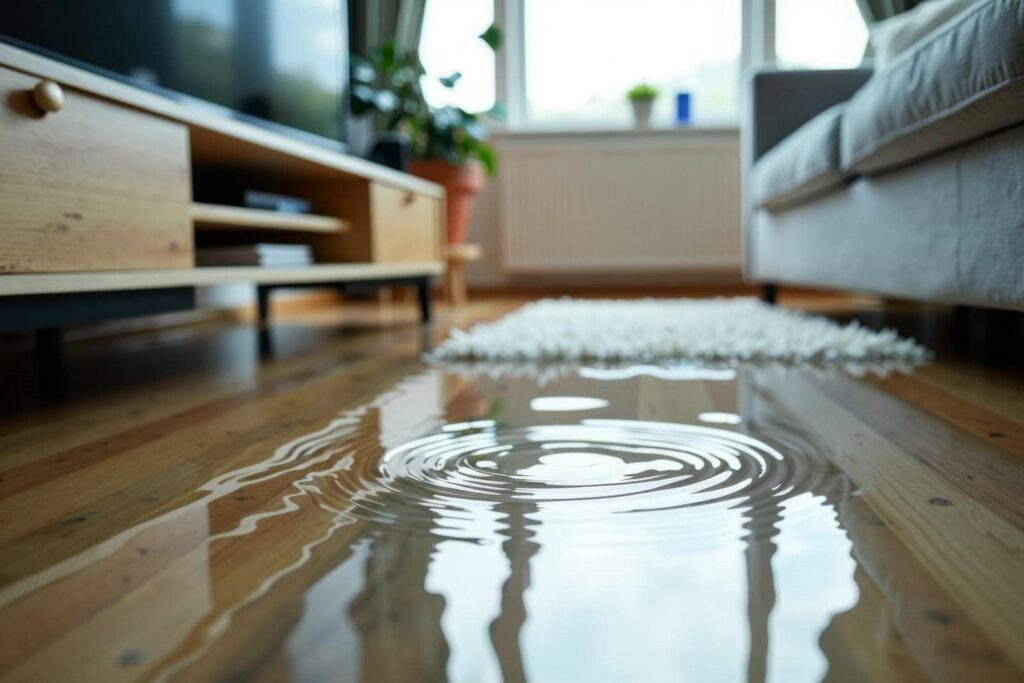
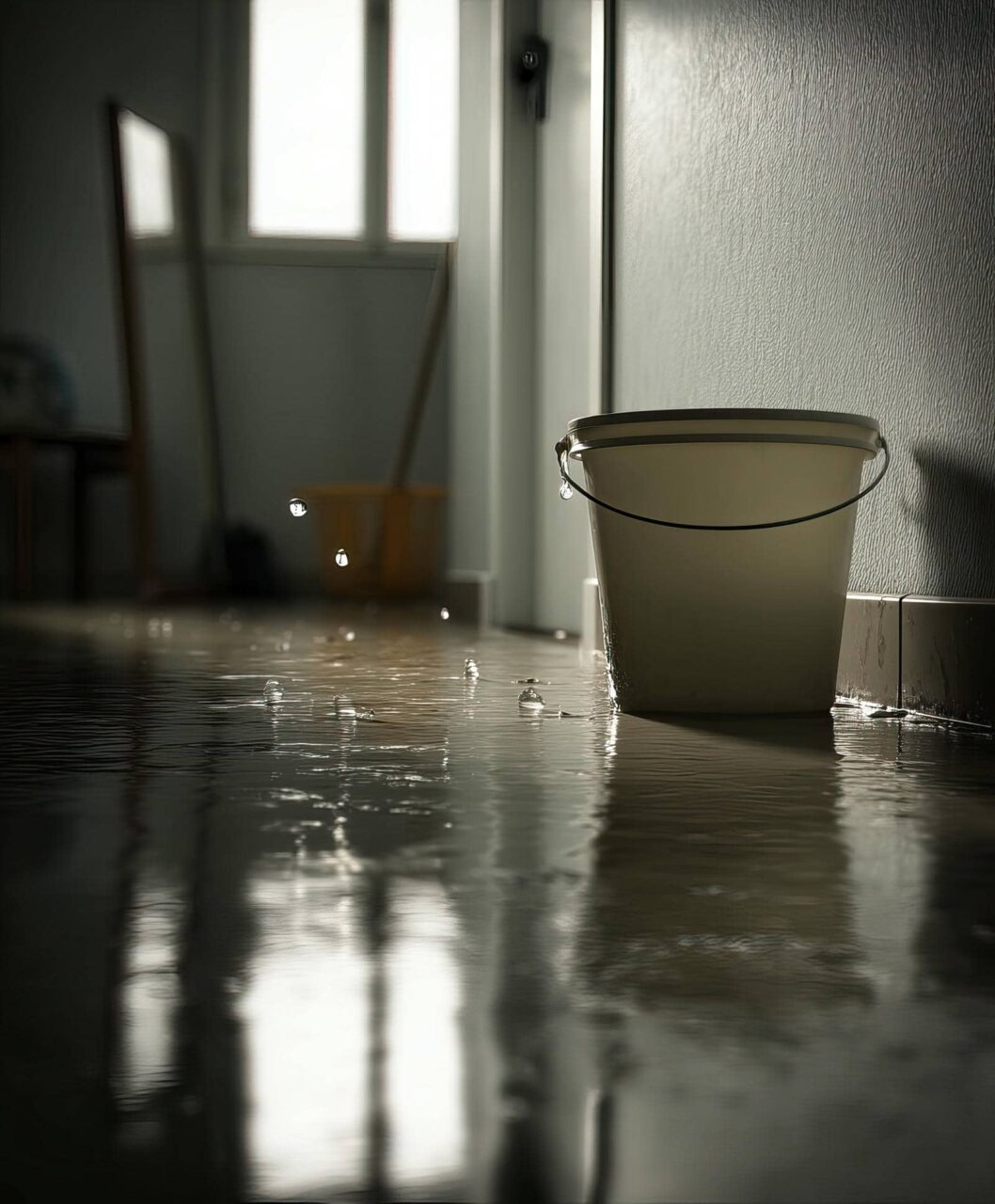
When you notice leaks or shingles missing from your roof, it’s essential to assess the damage promptly to prevent further issues. Start with a thorough roof inspection, checking for visible signs like cracked shingles, rusted flashing, or sagging areas.
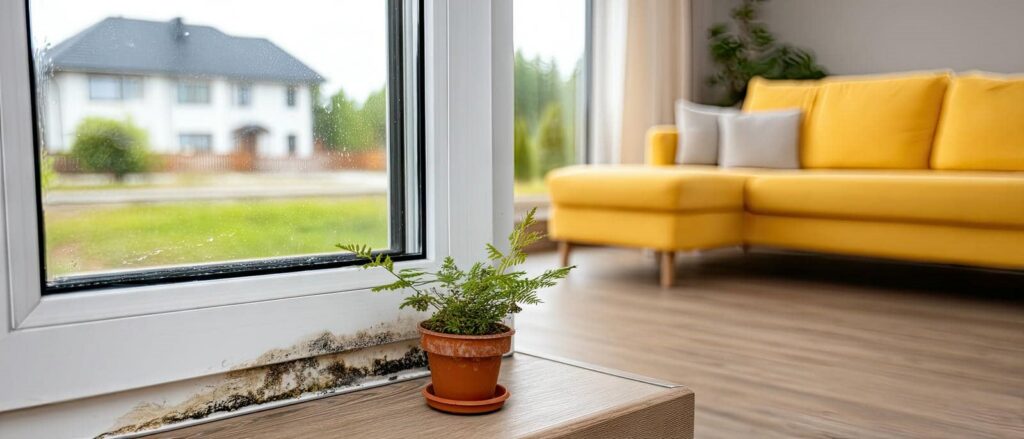
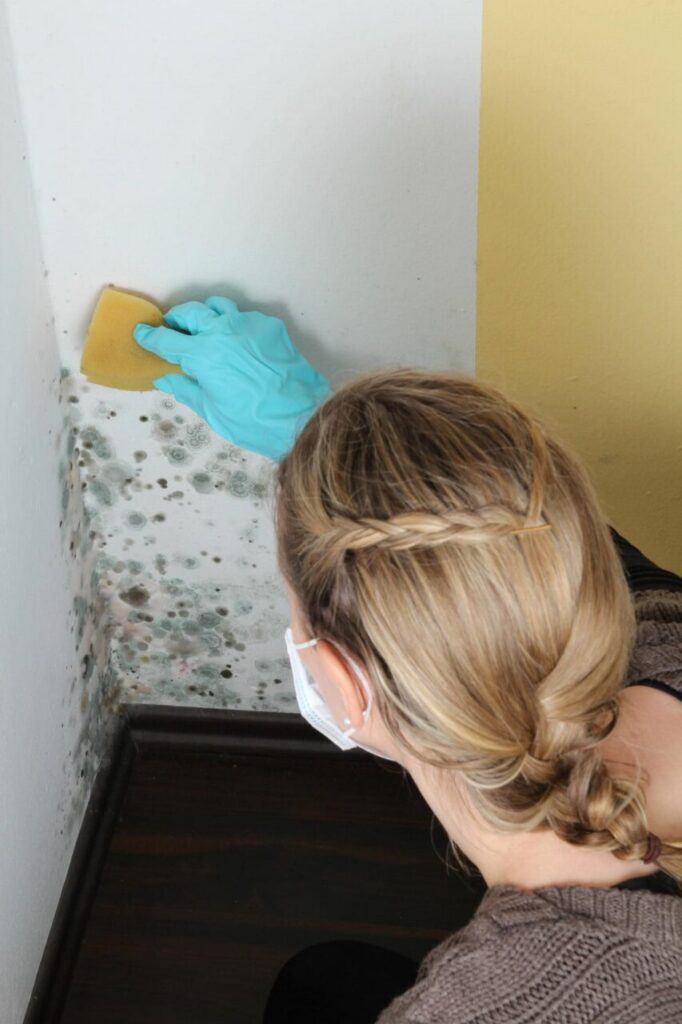
Look closely at the eaves and gutters; water damage can often extend beyond the immediate leak. Make note of any mold or water stains inside your home, as these can indicate hidden damage.
Document your findings with photos and detailed notes to establish a clear overview of the damage assessment. This information is invaluable when discussing repairs with professionals or gathering estimates.
If you’re part of a community or neighborhood association, consider sharing your findings; connecting with neighbors can provide insights and support. By taking these proactive steps, you protect your home and foster a sense of belonging and responsibility within your community.
DIY Temporary Solutions
Temporary roof repair solutions can provide essential protection until a permanent fix is feasible. When facing leaks or damage, you can implement some DIY methods for effective temporary patching. Here’s a quick guide to help you with emergency repairs:
| Method | Description |
|---|---|
| Tarps | Cover the damaged area with a tarp, securing it tightly to prevent water entry. |
| Roofing Tape | Use waterproof roofing tape over small leaks or cracks, ensuring a strong bond. |
| Shingle Replacement | If shingles are missing, replace them with spare ones, sealing edges with roofing cement. |
| Plastic Sheeting | For larger areas, lay down plastic sheeting, securing edges to minimize wind damage. |
These solutions can safeguard your home while you gather resources for a long-term repair. Remember, addressing issues promptly will help prevent further damage and keep your living space safe.
Budget-Friendly Materials
When selecting materials for your roof repair, consider asphalt shingles for their affordability and ease of installation.
Metal roofing offers durability and low maintenance costs, making it a smart long-term investment.
Additionally, rubber membrane solutions provide excellent waterproofing at a fraction of traditional roofing prices.
Asphalt Shingles Benefits
Asphalt shingles stand out as one of the most economical roofing materials available, offering a blend of durability and affordability that appeals to budget-conscious homeowners.
When considering asphalt shingles, you’ll discover several benefits that make them a wise choice:
Asphalt Durability: They can withstand harsh weather, providing long-lasting protection.
Low Installation Cost: Compared to other roofing options, installation is relatively inexpensive.
Variety of Styles: You can choose from numerous colors and designs to match your home’s aesthetic.
Energy Efficiency: Certain asphalt shingles reflect sunlight, helping reduce cooling costs.
Metal Roofing Options
While asphalt shingles are a popular choice for many homeowners, metal roofing options present an attractive, budget-friendly alternative that’s gaining traction.
These roofs offer significant metal roofing benefits, including durability and longevity, often lasting 40-70 years with minimal maintenance. You’ll find that metal roofing costs can be competitive, especially when factoring in the reduced need for repairs over time.
Various materials, like aluminum and steel, provide options tailored to your specific needs and style preferences. Additionally, metal roofs reflect solar heat, potentially lowering your energy bills.
Rubber Membrane Solutions
If you’re seeking a cost-effective roofing solution, rubber membrane roofs might be the answer.
These materials offer significant rubber benefits, such as durability and weather resistance, making them ideal for various climates.
Plus, their installation is straightforward, allowing you to save on labor costs.
Here are some key points to reflect on:
- Cost-effective: Lower material and installation costs.
- Durability: Long lifespan and resistance to harsh weather.
- Energy-efficient: Reflective surfaces can reduce cooling costs.
- Easy maintenance: Simple repairs and upkeep guidelines.
Hiring Local Contractors
When you’re looking to repair your roof affordably, hiring local contractors can be a smart choice. Local contractors bring invaluable local expertise, understanding the specific challenges and climate conditions your area faces.
They’re often more familiar with local building codes, ensuring your repairs comply with regulations.
To find reliable local contractors, start by checking contractor reviews online. Look for feedback that highlights their professionalism, quality of work, and customer service.
Engaging with contractors who’ve a solid reputation in your community can lead to better results and peace of mind.
Additionally, local contractors are more accessible for follow-ups or warranty claims. They’re invested in their community, so they’re likely to prioritize customer satisfaction.
Exploring Government Assistance Programs
Exploring government assistance programs can provide valuable financial support for those facing roof repairs.
These programs often offer government grants and low-income assistance to help you maintain a safe and secure home. Here are some options to evaluate:
Federal Housing Administration (FHA) 203(k) Loans: These loans can cover significant repairs, including roof work.
Community Development Block Grant (CDBG) Program: Local governments may use this funding for home repair assistance.
Low-Income Home Energy Assistance Program (LIHEAP): This program can help with energy-related home repairs, including roofing.
State and Local Grant Programs: Many states have specific grants for homeowners in need of financial support.
Insurance Coverage for Roof Repairs
When evaluating your roof repair needs, it’s vital to understand your insurance policy‘s details.
Many homeowners overlook common coverage exclusions that could impact their claims.
Filing a claim correctly is fundamental to ensuring you receive the financial support you need for your repairs.
Understanding Your Policy
Understanding the intricacies of your insurance policy is essential for effective roof repair management. By grasping the policy nuances and limitations, you can make informed decisions about necessary repairs. Here’s what you should keep in mind:
Review the coverage details to identify what roof damage is included.
Understand deductibles, as they directly impact your out-of-pocket expenses.
Check for any specific policy limitations regarding age, material, or type of damage.
Document all damage thoroughly; this can help streamline your claims process.
Familiarizing yourself with these aspects ensures you’re prepared to leverage your policy effectively, helping you save money while keeping your roof in good condition.
Common Coverage Exclusions
While your insurance policy may cover many types of roof damage, it’s vital to be aware of common exclusions that could leave you financially vulnerable.
Many policies include exclusion clauses for wear and tear, meaning they won’t cover damage from age or lack of maintenance. Additionally, damage caused by natural disasters like floods or earthquakes often falls outside standard coverage limits, requiring separate policies.
It’s important to review these exclusions to avoid surprises when filing a claim. Furthermore, some policies may limit coverage based on the type of materials used or the age of your roof.
Understanding these aspects can help you make informed decisions about your roof repair needs and ensure you’re adequately protected.
Filing a Claim
Filing a claim for roof repairs can often feel intimidating, but it’s crucial for getting the financial help you need.
Understanding the claim process and adhering to filing deadlines can make this experience smoother. Here are some steps to take into account:
Document damage: Take clear photos and keep records of the situation.
Review your policy: Know what’s covered and any exclusions that may apply.
Contact your insurer: Notify them promptly to initiate the claim process.
Follow up: Stay in touch to make sure your claim is progressing and to address any questions.
Preventative Maintenance Tips
To keep your roof in top condition, regular preventative maintenance is essential. Start by establishing a maintenance checklist that includes seasonal inspections. Schedule these inspections at least twice a year—once in spring and once in fall—to catch potential issues early.
During these inspections, look for missing shingles, cracks, or signs of wear. Check the gutters for debris buildup and ensure proper drainage.
Additionally, inspect flashing around chimneys and vents, as these areas are prone to leaks. Don’t forget to assess the attic for signs of moisture or mold, which can indicate roof problems.
If you notice any damage, address it immediately to prevent further issues. Being proactive about your roof’s health extends its lifespan and saves you money in the long run.
Frequently Asked Questions
How Can I Identify Roof Issues Early On?
To identify roof issues early, regularly inspect your roof for leaks, cracked shingles, and missing tiles. Look for early warning signs like water stains and mold. These roof inspection tips can save you costly repairs down the line.
What Are Common Signs of Roof Damage?
You’ll spot signs of roof damage through leak detection methods, like water stains or mold. Also, check for shingle deterioration—curling, cracking, or missing shingles indicate it’s time to address potential issues before they escalate.
How Long Can I Delay Roof Repairs?
You shouldn’t delay roof repairs too long; even small issues can escalate. Prioritize roof maintenance and schedule repairs promptly. Proper repair timing prevents costly damage and ensures your home remains safe and secure.
Are There Eco-Friendly Materials for Roof Repair?
Yes, you can use recycled shingles and sustainable insulation for eco-friendly roof repairs. These materials minimize environmental impact and enhance energy efficiency, creating a healthier home and a sense of community responsibility.
Will My Roof Warranty Cover Repairs?
So, you think your roof warranty’s a golden ticket? Well, check for warranty limitations and repair exclusions. If you’ve got wear and tear, it might just be your wallet footing the repair bill instead.
Wrap-Up
Pursuing practical, pocket-friendly options for roof repair can save you stress and cash. By evaluating damage promptly, opting for DIY solutions, and selecting budget-friendly materials, you’ll safeguard your home effectively. Don’t forget to think about hiring local contractors for expert help and exploring government assistance programs for financial relief. With proactive, preventative maintenance, you can protect your roof, prolong its life, and prevent pricey problems down the line. Secure your shelter today!