Contents
Have you ever considered the hidden costs of neglecting flood cleanup and mold prevention? It’s vital to take immediate action to safeguard your home and health. Evaluating damage swiftly and using the right tools can make all the difference. But what exactly should you prioritize in this urgent situation? Understanding the essential steps and tools can set you on the right path to effective flood cleanup and mold solutions.
Key Takeaways
- Prioritize safety by assessing hazards and documenting damage for insurance claims immediately after a flood.
- Use protective gear and essential tools like wet/dry vacuums and dehumidifiers for effective cleanup.
- Thoroughly dry affected areas with fans and disinfect surfaces to prevent health risks and mold growth.
- Identify and remove mold quickly, utilizing household solutions or professional help for larger infestations.
- Maintain low humidity and check for leaks regularly to prevent future mold issues in your home.
Immediate Actions to Take After a Flood
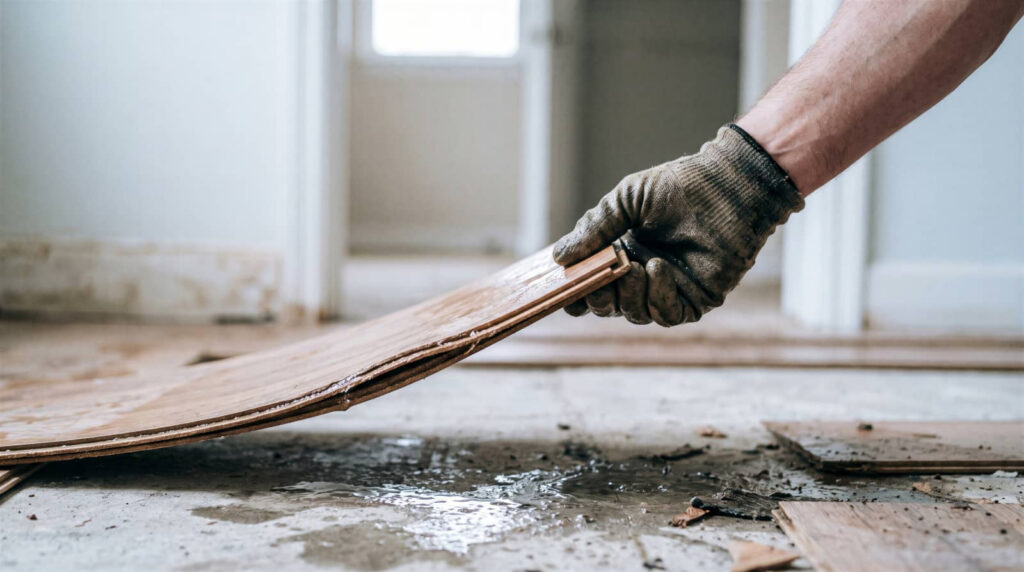
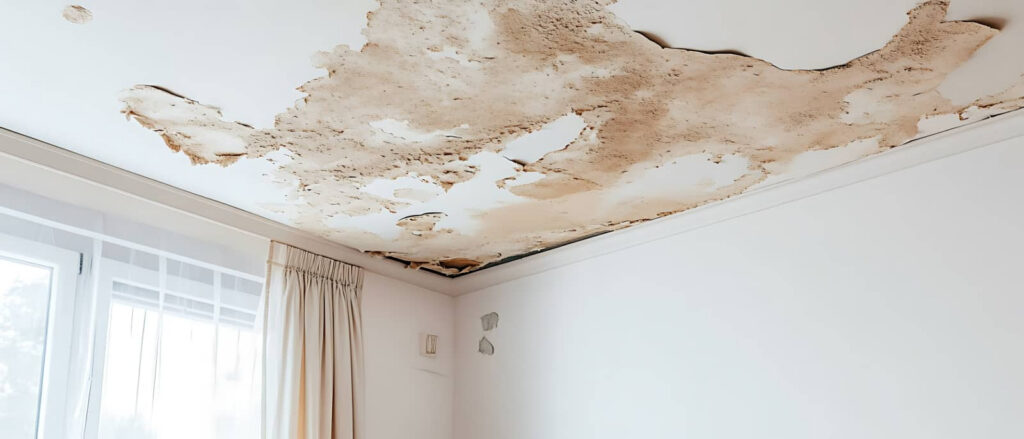
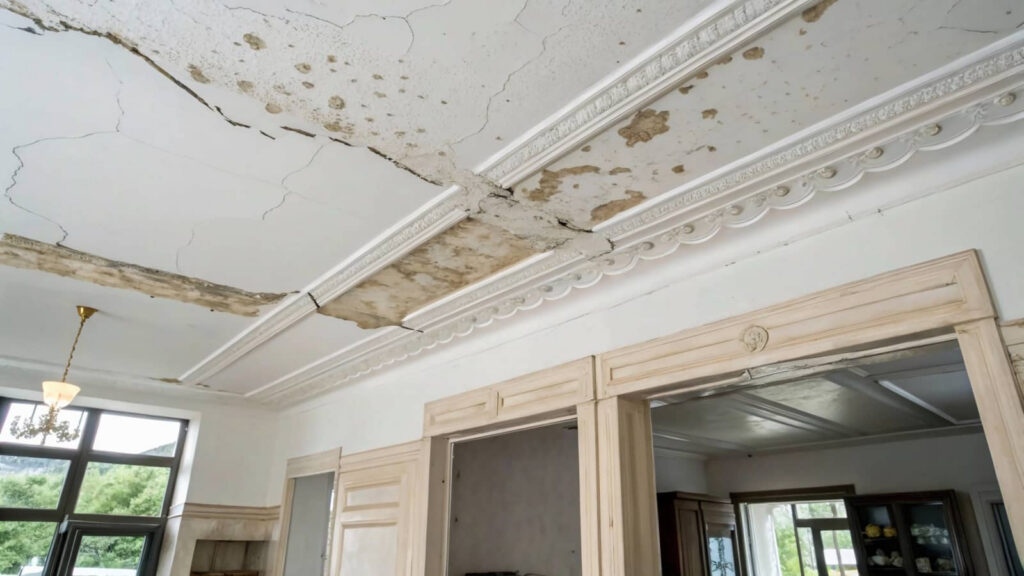
After a flood, it’s vital to act swiftly to minimize damage and ensure safety. Start with a thorough damage assessment, prioritizing family safety and structural integrity.
Check for hazards like downed power lines or gas leaks, and contact emergency services if necessary. Gather your emergency contacts, including local authorities and community resources, to stay informed.
Next, document the damage for your insurance claims, capturing photos and notes to streamline the process.
Address health concerns, including mold growth, by ventilating your home and using protective gear.
Finally, establish a restoration timeline to guide your recovery efforts. Don’t forget to seek emotional support from friends, family, or community groups, as this can be vital in the flood aftermath.
Essential Tools for Flood Cleanup
When tackling flood cleanup, having the right tools is vital for both safety and efficiency.
You’ll need essential safety gear to protect yourself from hazardous conditions, along with effective cleaning equipment to restore your space.
Understanding these tools will streamline the process and minimize potential health risks.
Safety Gear Essentials
While flood cleanup can be a challenging task, prioritizing safety gear is essential to protect yourself from potential hazards.
Start with protective clothing that covers your skin from contaminants. Waterproof boots keep your feet dry and safe, while gloves types, such as nitrile or rubber, shield your hands from harmful substances.
Don’t forget respiratory masks to filter out airborne toxins, and eye protection to guard against splashes and debris. It’s also wise to keep first aid supplies handy for minor injuries.
Verify proper equipment maintenance and use hazard signage to alert others of dangers.
Finally, engaging in safety training will prepare you for unexpected situations, fostering a culture of care and belonging among cleanup teams.
Cleaning Equipment Must-Haves
Effective flood cleanup requires at least five essential tools to tackle the aftermath efficiently.
First, a heavy-duty wet/dry vacuum is vital for removing standing water. Next, high-powered fans help dry out affected areas and prevent mold growth.
You’ll also need a reliable dehumidifier to control humidity levels. Don’t forget sturdy mops and buckets for final cleaning touches, alongside quality cleaning supplies like disinfectants to sanitize surfaces.
Finally, invest time in equipment maintenance; make sure your tools are in good working order to optimize performance.
DIY Flood Cleanup: What You Need to Know
When tackling DIY flood cleanup, prioritizing safety precautions is essential to protect yourself from hazards.
You’ll need specific tools and supplies to effectively manage the situation, so preparation is key.
Following a clear step-by-step cleanup process will ensure you address both immediate issues and long-term risks, like mold.
Essential Safety Precautions First
Before diving into DIY flood cleanup, it’s crucial to prioritize safety precautions to protect yourself and others.
Start by ensuring you’ve planned for flood preparedness; familiarize yourself with the specific hazards in your area. Wear protective gear, including gloves, masks, and boots, to shield against contaminants.
Always follow established safety protocols, like turning off electricity before entering flooded areas to avoid electrocution. Check for structural damage before re-entering buildings, as weakened structures can pose serious risks.
If you’re dealing with contaminated water, be aware of potential health hazards and act accordingly.
By taking these precautions, you safeguard your health and foster a sense of community resilience.
Necessary Tools And Supplies
Once you’ve established safety protocols, gathering the right tools and supplies for flood cleanup becomes your next priority.
Having the necessary equipment speeds up the process and ensures you’re prepared to tackle any challenges.
Consider these essential items:
- Wet/dry vacuum: This is important for removing standing water.
- Dehumidifier: It helps reduce moisture, preventing mold growth and aiding in drying out affected areas.
- Moisture barriers: These are critical for protecting surfaces and preventing further water damage.
Additionally, if you have flood insurance, document the damage and keep your receipts for any purchases.
Being well-equipped will make your cleanup efforts more effective and less overwhelming.
Step-By-Step Cleanup Process
To effectively tackle flood cleanup, you’ll want a clear, step-by-step process that ensures nothing is overlooked. Here’s a structured approach to managing flood damage and employing effective restoration techniques:
| Step | Action |
|---|---|
| 1. Safety | Verify all power is off. |
| 2. Assessment | Inspect damage thoroughly. |
| 3. Removal | Remove standing water first. |
| 4. Drying | Use fans and dehumidifiers. |
| 5. Sanitizing | Clean surfaces with disinfectant. |
Following these steps helps restore your space and fosters a sense of community. As you engage in the cleanup, remember that you’re not alone—many have faced similar challenges and emerged stronger.
How to Choose Professional Flood Cleanup Services
How can you ensure you’re choosing the right professional flood cleanup service? Start by evaluating a few key factors that will impact your decision.
Service qualifications: Verify the company meets licensing requirements and follows local regulations.
Customer reviews: Look for consistent positive feedback, as experience matters in this field.
Cost considerations: Get detailed estimates, factoring in insurance coverage and service guarantees.
Also, pay attention to their response time and the equipment used, as these can greatly affect the cleanup process.
Identifying and Removing Mold After Flooding
After selecting a reliable flood cleanup service, the next pressing concern is identifying and removing mold that can develop in the aftermath of water damage.
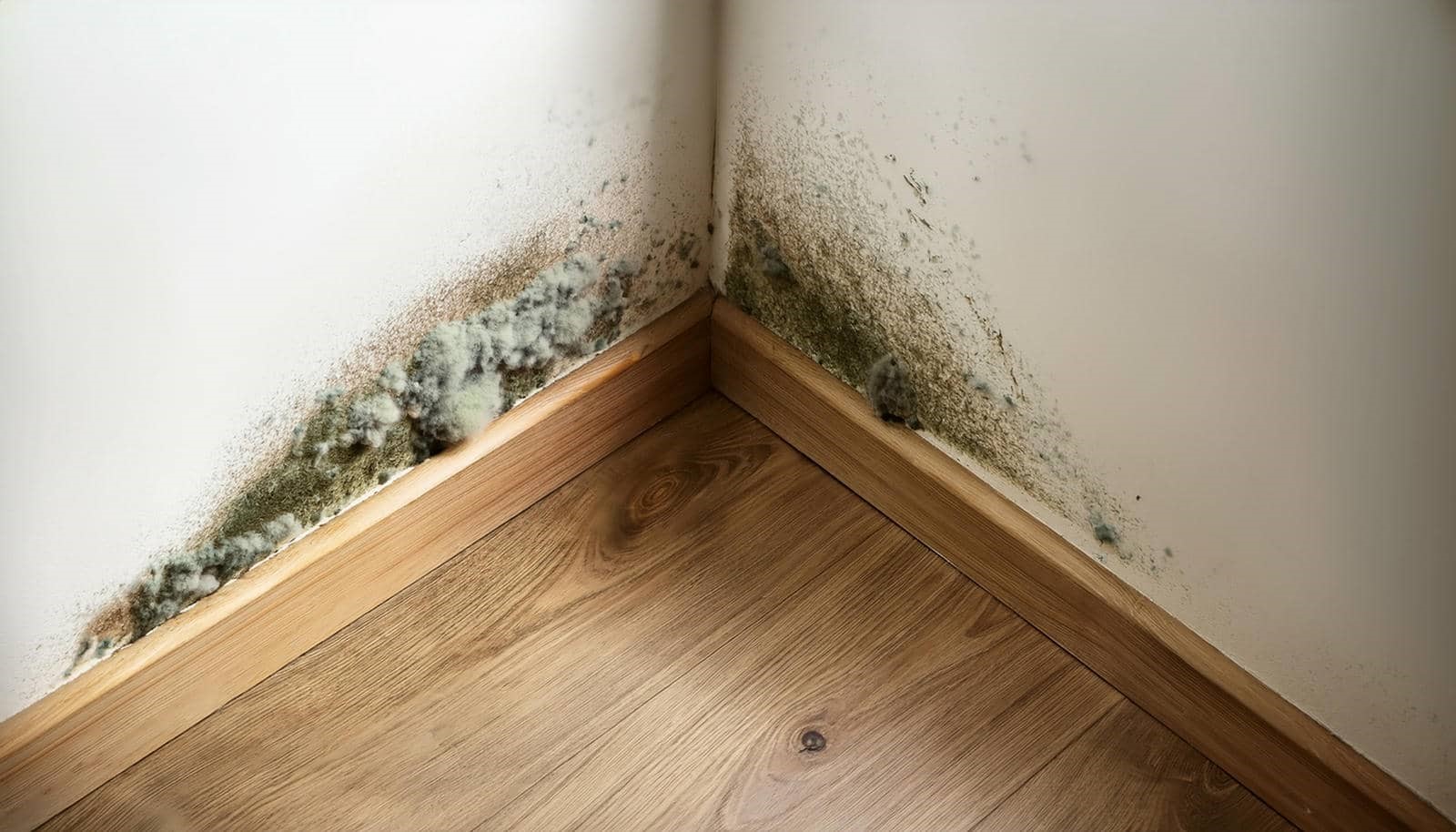
Start by inspecting affected areas for common mold types, like black mold or mildew, which pose health risks. Use effective inspection techniques to assess moisture levels and ensure moisture control is prioritized.
Quick action is vital; adhere to cleanup timelines to prevent further growth. Implement surface treatments to eliminate existing mold and improve air quality.
Additionally, establish prevention strategies, such as maintaining low humidity levels, to deter future mold issues. By staying proactive, you can safeguard your home and health from the dangers of mold after flooding.
What to Do If Mold Persists?
If mold persists after your initial cleanup efforts, you might need to contemplate professional mold remediation services for a thorough solution.
Alternatively, there are effective DIY mold removal techniques you can try, but ensure you’re following safety guidelines.
Understanding both options can help you make an informed decision that best addresses your specific situation.
Professional Mold Remediation Services
When mold persists despite your best efforts at cleanup, seeking professional mold remediation services is essential. These experts conduct thorough mold assessments to identify hidden growth and underlying causes. Their specialized knowledge ensures effective remediation techniques are employed, safeguarding your home and health.
Consider the following benefits of hiring professionals:
Expert Evaluation: They pinpoint problem areas and assess the extent of the infestation.
Advanced Techniques: Professionals use state-of-the-art equipment and methods to eliminate mold efficiently.
Preventive Measures: They provide guidance on how to prevent future mold growth, ensuring long-term safety.
Taking these steps protects your living space and fosters a sense of belonging in a healthy environment.
Don’t face mold alone; let the experts help.
DIY Mold Removal Techniques
Battling persistent mold can feel overwhelming, but DIY removal techniques can effectively tackle the problem. Start by addressing mold growth with household solutions like vinegar or baking soda, which serve as natural remedies.
Apply these cleaning agents directly to affected areas, scrubbing until the mold is gone. For ongoing prevention, ensure moisture control through dehumidifiers and regular checks for leaks.
Don’t forget ventilation tips; opening windows and using exhaust fans can markedly reduce humidity levels. If mold persists, consider more aggressive removal techniques, like hydrogen peroxide or commercial products specifically designed for mold.
Top Products for Effective Mold Remediation
Effective mold remediation requires the right tools and products, as they play an essential role in eliminating mold and preventing its return. Selecting effective products can greatly impact your mold growth management and overall air quality.
Consider these top choices:
Biocide Solutions: These specialized surface treatments target mold spores and improve moisture control.
HEPA Air Purifiers: Essential for maintaining air quality, they filter out harmful particles, reducing health risks associated with mold exposure.
Mold Sealants: Once remediation is complete, these containment measures can prevent future mold growth by sealing treated surfaces.
Utilizing these products alongside proper inspection methods and remediation techniques will enhance your prevention strategies, ensuring a healthier living environment for you and your family.
Best Strategies for Mold Prevention After Flooding
After a flooding event, addressing moisture quickly is essential to prevent mold growth. Understanding mold growth factors, like humidity and stagnant water, helps you take effective action. Implementing air circulation strategies can considerably reduce moisture levels. Here are some key steps:
| Action | Purpose |
|---|---|
| Remove wet materials | Lowers humidity |
| Use dehumidifiers | Controls moisture levels |
| Increase ventilation | Promotes air circulation |
Regularly check for leaks and maintain your home’s humidity below 60% to prevent mold spores from thriving. By following these strategies, you can create a healthier environment and minimize the risk of mold taking hold after flooding. Your proactive approach will foster a sense of safety and belonging in your space.
When to Call in Mold Remediation Experts?
Even with the best prevention strategies in place, some situations may warrant professional help. If you notice mold growth indicators, it’s time to contemplate bringing in the experts.
Here are a few scenarios where expert consultation benefits you:
- You’ve detected a persistent musty odor.
- Visible mold growth covers an area larger than 10 square feet.
- You experience health issues related to mold exposure.
In these cases, mold remediation experts can assess the situation, identify the source, and recommend effective solutions.
They’ve the tools and expertise to ensure thorough removal, preventing further damage and health risks.
Don’t hesitate to reach out for professional help; it can save you time, money, and potential health concerns down the road.
Long-Term Flood and Mold Prevention Tips
While it might seem intimidating, implementing long-term flood and mold prevention strategies can considerably safeguard your home. Focus on effective flood resilience strategies and moisture control techniques to keep your living space safe. Regular maintenance and awareness are key.
Here’s a quick reference table to help you stay on track:
| Action | Frequency | Purpose |
|---|---|---|
| Inspect gutters | Biannually | Prevent water backup |
| Seal cracks in foundation | Annually | Block moisture entry |
| Maintain landscaping | Seasonally | Direct water away from home |
| Use dehumidifiers | As needed | Reduce indoor humidity |
| Check plumbing | Quarterly | Identify leaks early |
Frequently Asked Questions
How Long Does It Take for Mold to Develop After Flooding?
Mold can develop within 24 to 48 hours after flooding, depending on flood damage factors like moisture, temperature, and materials involved. Understanding the mold growth timeline helps you act quickly to prevent further issues.
Can I Use Bleach to Clean Mold From Surfaces?
While bleach might seem like a quick fix, it often fails to penetrate porous surfaces effectively. Instead, consider using other mold removal techniques and effective cleaning agents for a more thorough, lasting solution.
What Are the Health Risks Associated With Mold Exposure?
Mold exposure can cause various health effects, including respiratory issues, skin irritation, and allergic reactions. You might experience mold symptoms like coughing, sneezing, or fatigue, impacting your overall well-being and daily life. Stay vigilant!
How Can I Tell if My Home Is Structurally Compromised?
“An ounce of prevention is worth a pound of cure.” To assess structural integrity, inspect for cracks, sagging, or shifting. A thorough foundation assessment can reveal underlying issues needing immediate attention for safety and stability.
Is Flood Insurance Necessary for Mold Damage Coverage?
Yes, flood insurance is essential for mold coverage. Many standard policies exclude mold damage, so having specialized flood insurance ensures you’re protected against the financial burden of mold remediation after flooding events. Don’t risk it.
Final Thoughts
Swift action and the right tools are essential for effective flood cleanup and mold prevention. While tackling this on your own might seem feasible, remember that hidden damage can lurk beneath surfaces, leading to health risks and costly repairs down the line. If you notice persistent mold or extensive damage, don’t hesitate to call in professionals. Investing in expert help ensures your home’s safety and integrity, ultimately saving you time, stress, and money in the long run.