Contents
When dealing with storm damage, it’s essential to employ effective restoration techniques. You’ll need to conduct a thorough damage assessment to pinpoint structural issues and safety hazards. Water removal is another key step, often requiring submersible pumps or wet vacuums. Proper ventilation and dehumidification can prevent mold growth. Understanding these techniques ensures a structured approach to recovery, but knowing how to implement each step can make all the difference in a successful restoration.
Key Takeaways
- Conduct thorough damage assessments to identify structural issues and document findings for insurance claims.
- Utilize submersible pumps and wet vacuums for effective water removal to prevent mold growth.
- Implement dehumidifiers and fans to enhance drying techniques and reduce humidity levels.
- Schedule professional inspections for HVAC systems to ensure proper functionality post-storm.
- Choose certified restoration services with positive reviews and detailed cost estimates for effective recovery.
Why Storm Damage Matters: Understanding Its Impact
When severe weather strikes, understanding the impact of storm damage is essential for effective recovery. Storm impact can disrupt lives, damage properties, and strain local resources.
It not only affects individual homes but can also ripple through entire communities, weakening infrastructure and diminishing morale. By recognizing these effects, you can contribute to community resilience, fostering a collective response that strengthens bonds among neighbors.
Engaging in proactive measures, such as creating emergency plans and sharing resources, helps mitigate future damage. You’ll find that a well-prepared community can rebound more quickly, ensuring everyone feels supported.
Ultimately, grasping the significance of storm damage empowers you to take action, reinforcing both personal safety and communal strength during challenging times.
Assessing the Damage: What to Look For
After recognizing the widespread effects of storm damage, the next step is to assess the extent of that damage.
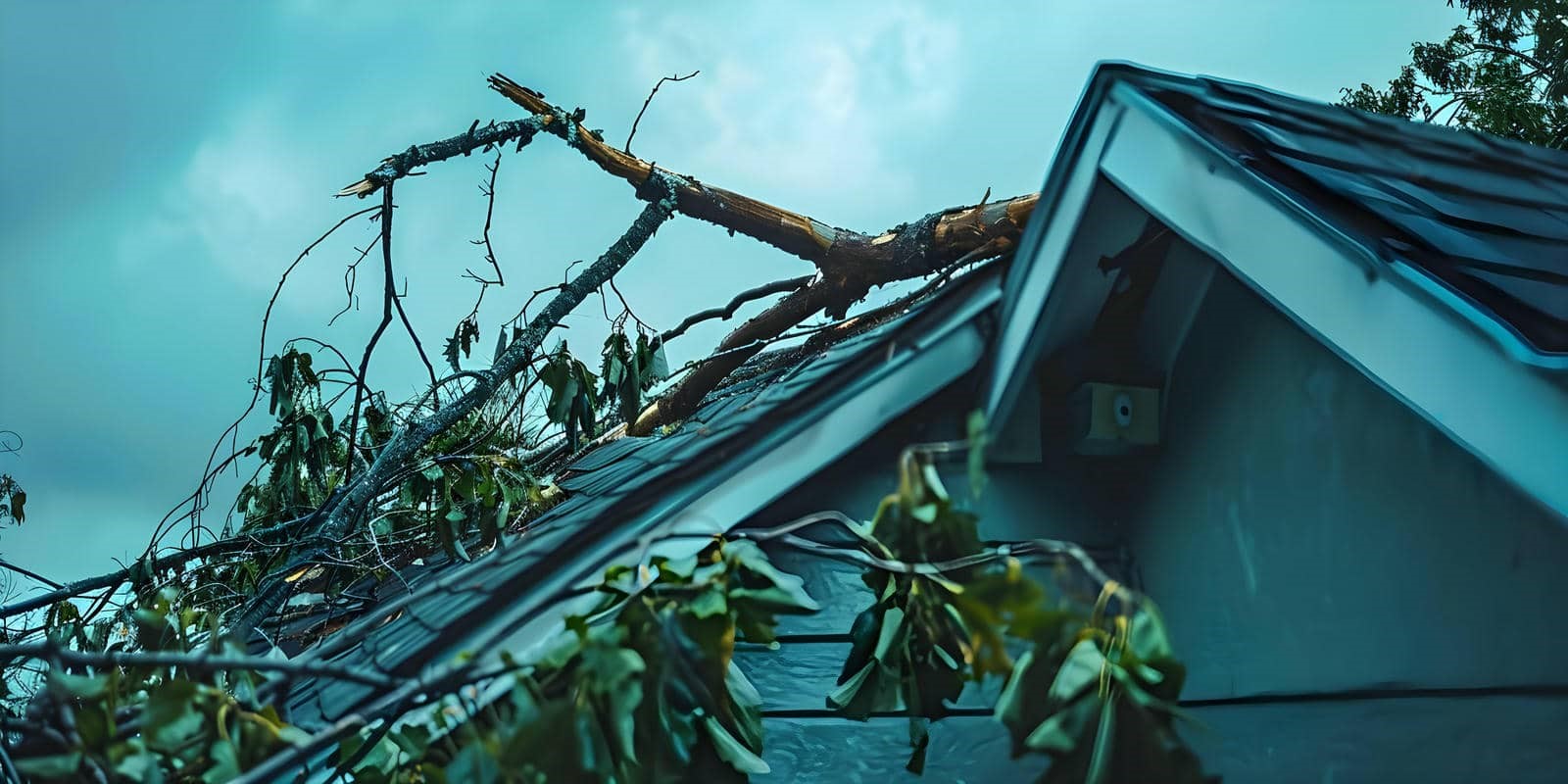
Begin with a thorough damage assessment through visual inspection of your property. Look for signs of compromised structural integrity, such as cracks in walls or sagging roofs. Identify potential water sources, as they may lead to long-term effects like mold growth.
Document findings for insurance claims; clear images and notes will expedite your restoration timeline. Don’t overlook debris removal, as it can create safety hazards.
If the damage is extensive, consider contacting emergency services for immediate assistance. This methodical approach ensures you address all critical areas and helps foster a sense of community during the recovery process.
Safety Tips for Restoration
Before starting any restoration work, you need to assess hazards in the area.
Look for fallen debris, unstable structures, or electrical risks that could pose serious threats.
Always use appropriate protective gear, including gloves, masks, and boots, to ensure your safety throughout the process.
Assess Hazards First
One essential step in storm damage restoration is evaluating hazards first. Start with hazard identification to pinpoint potential dangers, such as downed power lines, unstable structures, or contaminated water.
Conduct a thorough risk evaluation to determine the likelihood and severity of these hazards affecting your restoration efforts.
Prioritize areas that pose immediate threats to safety, ensuring you address them before proceeding with repairs. Document your findings, as this information will guide your next steps and help inform your team about the current environment.
By methodically evaluating hazards, you protect yourself and foster a sense of safety among your colleagues.
Use Protective Gear
Evaluating hazards sets the stage for safe restoration efforts, but your protection doesn’t stop there. Using the right protective equipment is vital. Always wear gloves to shield your hands from sharp debris and hazardous materials.
Safety goggles are critical for eye protection, especially when dealing with dust or flying particles. A hard hat can protect against falling objects, while sturdy boots prevent injuries from slippery surfaces.
Adhering to established safety protocols not only keeps you safe but also fosters a culture of security within your team. Make certain everyone understands the importance of wearing protective gear consistently.
How to Remove Water Effectively
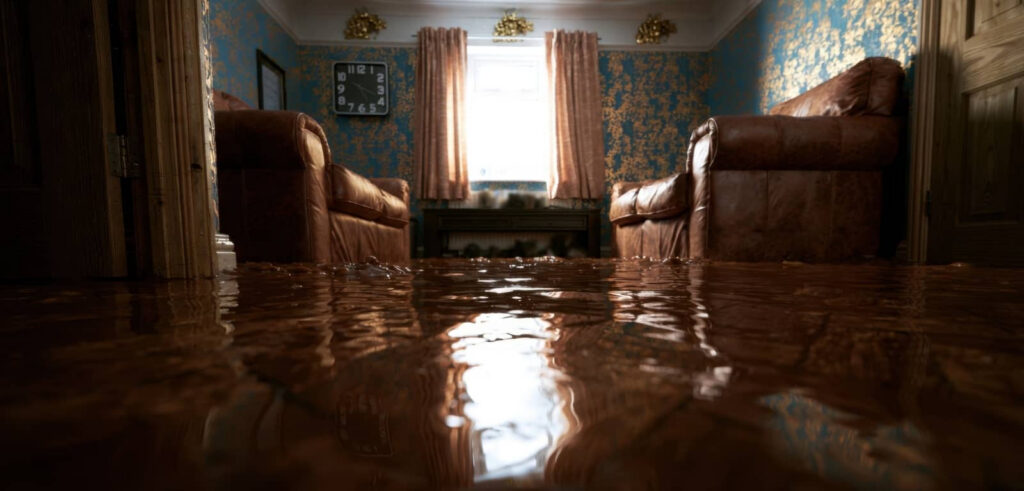
When dealing with storm damage, effectively removing water is essential to preventing further structural issues and mold growth.
Start by evaluating the affected areas and employing appropriate water extraction methods, such as using submersible pumps or wet vacuums. Make certain you remove standing water quickly to minimize damage.
Once the bulk of the water is extracted, focus on effective drying techniques. Use dehumidifiers and fans to circulate air and reduce humidity levels.
Pay special attention to hidden spaces, like behind walls or under floors, to prevent mold from developing. Monitor moisture levels regularly with a hygrometer.
Top Methods for Repairing Structural Damage
Although storm damage can be devastating, repairing structural issues is essential for restoring safety and integrity to your property.
Start with debris removal to clear the area, allowing for a thorough assessment. Next, perform water extraction to prevent further deterioration.
For compromised foundations, foundation repair techniques like underpinning can stabilize your home. Structural reinforcement using steel beams may be necessary for added support.
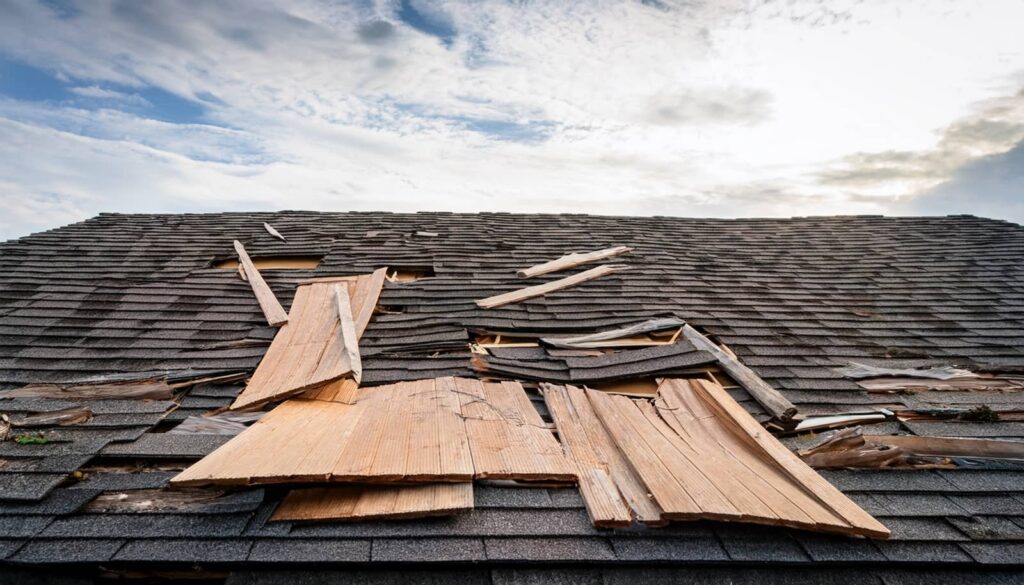
Address roof repairs promptly to prevent leaks, followed by wall restoration, ensuring all surfaces are secure. Don’t forget insulation replacement if it’s damaged, as it affects energy efficiency.
Finally, implement framing fixes to restore structural integrity. Each method plays a vital role in ensuring your home remains safe and sound after storm damage.
How to Safely Restore Your Electrical Systems After a Storm
After a storm, restoring your electrical systems requires careful attention to safety and proper procedures. First, verify the power is off at the main breaker to avoid electrical shocks. Inspect all wiring and outlets for damage; if you see exposed wires or corrosion, it’s best to call a professional. Use the following restoration techniques to guide your process:
| Step | Action | Notes |
|---|---|---|
| Assess Damage | Inspect wiring and appliances | Look for visible issues |
| Document Findings | Take photos and notes | Essential for insurance |
| Repair or Replace | Fix minor issues, replace major | Consult an electrician if unsure |
| Test Systems | Turn on power gradually | Monitor for issues |
How to Prevent Mold Growth After a Storm
To prevent mold growth after a storm, you need to act quickly and methodically.
Start by removing wet materials promptly and ensuring proper ventilation throughout the affected areas.
Additionally, using dehumidifiers effectively will help maintain low humidity levels, further reducing the risk of mold proliferation.
Remove Wet Materials Quickly
Act swiftly to remove wet materials after a storm, as this is crucial for preventing mold growth.
Begin with water extraction to eliminate excess moisture from carpets, flooring, and walls. Use a wet/dry vacuum or a water pump for efficient removal.
Once the water’s gone, focus on material disposal; discard any irreparable items like soaked drywall or insulation. It’s important to follow local guidelines for disposing of hazardous materials.
Make sure that you’re wearing protective gear during this process to safeguard your health.
After you’ve cleared out the wet materials, consider using moisture meters to monitor humidity levels.
This methodical approach helps you reclaim your space and fosters a safer environment for you and your loved ones.
Maintain Proper Ventilation
While removing wet materials is essential, maintaining proper ventilation is equally vital to prevent mold growth after a storm.
Effective ventilation techniques enhance air circulation, reducing humidity levels and inhibiting mold spores from taking hold. Here are four key methods to ensure proper airflow:
Open Windows and Doors: Allow fresh air to enter and encourage cross-ventilation.
Use Fans: Position box or oscillating fans to circulate air throughout affected areas.
Create a Draft: Utilize exhaust fans in bathrooms and kitchens to pull moist air outside.
Inspect Vents: Verify HVAC systems are functioning and free of blockages to promote constant airflow.
Use Dehumidifiers Effectively
Using dehumidifiers effectively can greatly reduce the risk of mold growth after a storm. Start by strategically positioning your dehumidifier in areas with the highest moisture levels, such as basements or flooded rooms.
Confirm proper dehumidifier placement near walls, away from obstructions, to maximize airflow. Regularly check and adjust settings based on moisture monitoring readings; aim for a relative humidity level below 60%.
Empty the water reservoir frequently to maintain efficiency. If possible, use multiple units to cover larger spaces.
Finding the Right Restoration Service for Storm Damage
How do you choose the right restoration service for storm damage? Start by confirming they meet specific criteria that align with your needs. Here’s a quick checklist:
Professional Certifications: Verify if the service holds relevant certifications to ensure expertise.
Service Reviews: Look for customer testimonials to gauge reliability and quality of work.
Cost Estimates: Request detailed estimates that include insurance coverage options and potential equipment rentals.
Local Regulations: Confirm they comply with local regulations to avoid future complications.
You’ll also want to discuss restoration timelines and maintain a list of emergency contacts.
Tips for Future Storm Preparedness and Prevention
After securing the right restoration service, focusing on future storm preparedness can greatly reduce damage risks. Here’s how to effectively prepare:
| Preparation Steps | Key Actions | Resources Needed |
|---|---|---|
| Conduct Home Assessments | Inspect for vulnerabilities | Professional services |
| Install Wind Resistant Features | Use storm shutters | Building materials |
| Organize Emergency Kits | Include essentials like food | First aid supplies |
| Participate in Storm Drills | Practice evacuation plans | Community support |
| Stay Informed | Sign up for Local Alerts | Weather apps |
Leverage community resources and ensure you have adequate insurance coverage. Regular tree trimming can also mitigate falling hazards. Together, these actions build a resilient environment for you and your neighbors.
Frequently Asked Questions
How Long Does Storm Damage Restoration Usually Take?
Storm damage restoration typically takes several days to weeks. Factors affecting the restoration timeline include the extent of damage, available resources, and weather impact analysis, all essential for effective planning and timely execution of repairs.
What Is the Average Cost of Storm Damage Restoration?
The average cost of storm damage restoration ranges from $1,000 to $10,000, depending on factors like severity, materials needed, and labor. Restoration pricing varies, so it’s essential to get multiple estimates for accurate budgeting.
Can Homeowners Insurance Cover Storm Damage Restoration?
Yes, homeowners’ insurance can cover storm damage restoration, but it depends on your insurance policy and coverage limits. Review your policy details to understand what’s included and ensure you’re adequately protected against potential losses.
Are DIY Restoration Methods Safe and Effective?
DIY restoration methods can be safe and effective if you assess the situation carefully. Use proper restoration tools and adopt effective cleanup strategies, ensuring your DIY safety while minimizing risks during the restoration process.
What Are Common Mistakes to Avoid During Restoration?
Avoid neglecting safety and rushing into restoration. Skipping an improper assessment can lead to costly mistakes. Take your time, evaluate thoroughly, and ensure you’re restoring structures and fostering a safe environment for everyone.
Recap
Effective storm damage restoration hinges on a structured approach, from thorough assessments to professional repairs. While some believe DIY methods suffice, the reality is that expert services ensure safety and quality. Engaging professionals mitigates immediate risks and prevents future issues, like mold growth. With preparation and collaboration, you can enhance your resilience against storms, safeguarding your property and community. Don’t underestimate the value of expertise in storm recovery; it’s essential for lasting results.