Contents
You might think flooding only causes water damage, but it also creates ideal conditions for pests to thrive. Addressing pest control immediately after a flood is essential for safeguarding your property and health. From evaluating damage to sealing entry points, each step is important in preventing infestations. Understanding these immediate actions could save you from long-term pest problems, so let’s explore effective strategies to tackle the situation head-on.
Key Takeaways
- Remove standing water promptly to reduce pest attraction and breeding grounds.
- Inspect areas like basements and crawl spaces for signs of pest infestations, such as droppings or nesting materials.
- Thoroughly disinfect surfaces to eliminate pathogens and deter pests from returning.
- Seal cracks and gaps around doors and windows to prevent pests from entering your home.
- Set traps in high-traffic areas to monitor and manage pest activity effectively.
Assessing the Damage and Identifying Pest Risks
After flooding, it’s essential to assess the damage to both your property and the potential pest risks that come with it.
In the flood aftermath, standing water and damp conditions create an ideal breeding ground for various pests. You’re likely to encounter increased rodent activity, as they seek shelter and food in your damaged spaces.
Inspect your home thoroughly, focusing on areas like basements, attics, and crawl spaces where moisture accumulates.
Understanding pest behavior during this time is significant; many insects and rodents are drawn to the warmth and safety your home provides.
Look for signs of infestations, such as droppings or nesting materials. By identifying these risks early, you can implement effective preventative measures and protect your home from long-term damage.
This proactive approach not only guarantees your safety but also fosters a deeper sense of community by contributing to a pest-free environment for your neighbors.
Removing Standing Water and Moisture
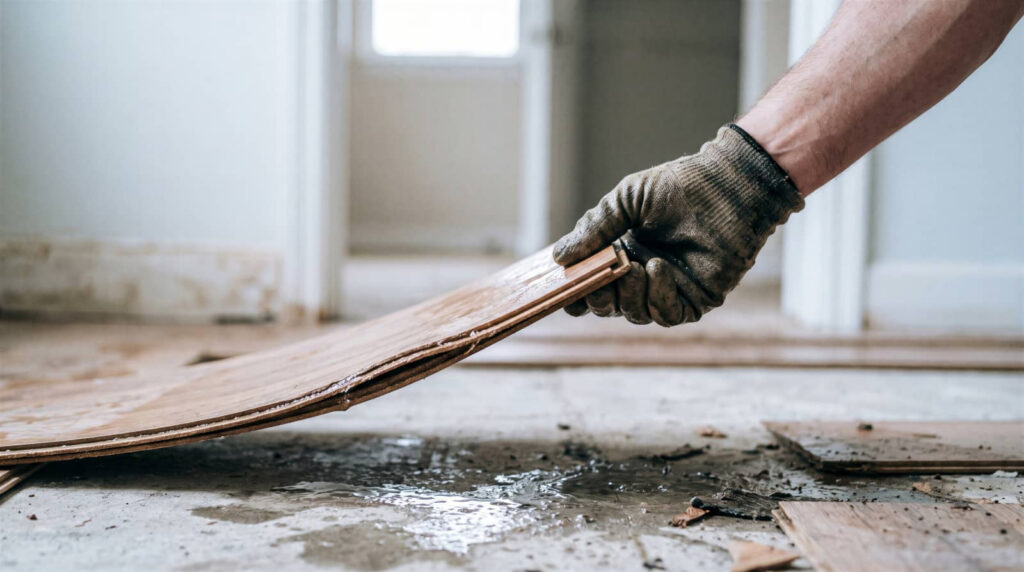
Standing water and lingering moisture not only exacerbate property damage but also create an environment ripe for pest infestations. To combat these issues, you need to act quickly.
Start by removing any standing water using pumps or wet vacuums. This will help prevent mold growth and deter pests.
Next, assess your drainage solutions. Verify that gutters and downspouts are clear and direct water away from your property.
Installing moisture barriers in basements or crawl spaces can also be a crucial step in keeping humidity levels low. These barriers will help prevent moisture from seeping into your home, creating a less favorable environment for pests.
Finally, ventilate affected areas by opening windows and using fans to promote air circulation.
Cleaning and Sanitizing Affected Areas
After addressing standing water, it’s vital to assess the extent of the damage in your affected areas.
You need to disinfect surfaces thoroughly to eliminate any pathogens and prevent pest infestations.
Additionally, removing contaminated materials is essential to restore a safe environment and minimize health risks.
Assessing Damage Extent
Evaluating the extent of damage in areas affected by flooding is essential for effective cleaning and sanitizing.
By identifying flood damage early, you can mitigate the risks associated with pests that may invade your space.
Here’s what you should consider:
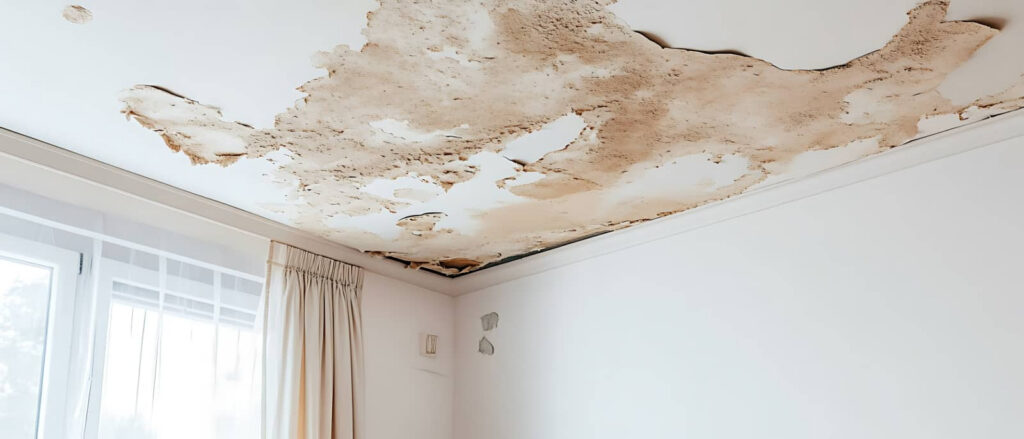
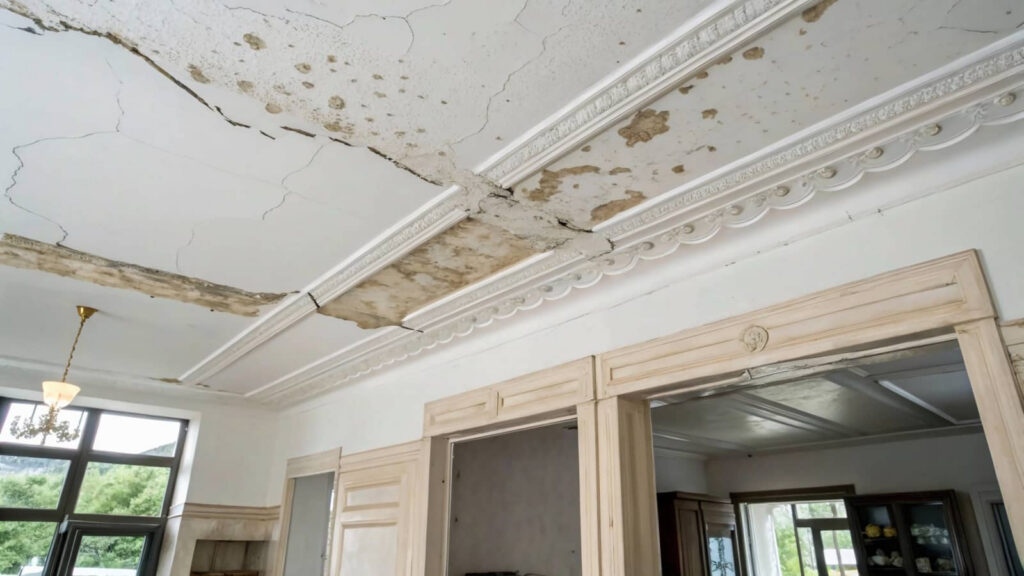
- Inspect walls and floors for mold and water stains
- Check furniture and belongings for contamination
- Assess structural integrity of the property
- Look for signs of pest infestation, like droppings or nests
- Document damage for insurance claims and pest identification
Understanding these factors helps you prioritize your cleanup efforts and provides a clearer path to pest control.
Ascertain you address all affected areas to create a safe, pest-free environment for your community.
Disinfecting Surfaces Thoroughly
Once you’ve assessed the extent of the damage, it’s crucial to disinfect surfaces thoroughly to eliminate any lingering contaminants.
Begin by wearing appropriate protective gear, as floodwaters can carry harmful pathogens. Use effective sanitation techniques, such as a mixture of bleach and water, to treat hard surfaces like floors, countertops, and walls.
Scrub these areas diligently to verify all dirt and debris are removed. Pay special attention to corners and crevices where contaminants can hide.
After disinfecting surfaces, rinse them well with clean water to neutralize any chemical residues. Remember to allow surfaces to dry completely to prevent mold growth.
Removing Contaminated Materials
Disinfecting surfaces lays the groundwork for effective pest control, but removing contaminated materials is equally important in restoring a safe environment.
Start by identifying and disposing of items that can harbor pests or toxins. This includes:
- Contaminated insulation that can trap moisture and create a breeding ground for pests
- Damaged drywall or flooring that can deteriorate and attract insects
- Moldy furniture or textiles that pose health risks
- Appliances that have been exposed to floodwaters and may harbor bacteria
- Any hazardous materials, such as chemicals or paints, that could leak or spread contamination
Sealing Entry Points to Prevent Pest Invasion
To effectively prevent pest invasion after flooding, you need to inspect all doors and windows for vulnerabilities.
Sealing cracks and gaps is essential, as even the smallest openings can serve as entry points for pests.
Additionally, maintaining proper ventilation will help deter infestations by reducing moisture levels that attract unwanted critters.
Inspect Doors and Windows
Although it may seem tedious, inspecting doors and windows is essential after flooding to seal entry points that pests can exploit. By verifying your home is secure, you can greatly reduce the risk of infestations.
- Check door seals for any wear or damage.
- Confirm window screens are intact and free from holes.
- Look for gaps around frames that need attention.
- Test the closing mechanisms of all doors and windows.
- Consider adding weather stripping for extra protection.
Taking these steps not only helps in preventing pests but also promotes a sense of safety and comfort in your home.
Seal Cracks and Gaps
After confirming that your doors and windows are secure, the next step is to address any cracks and gaps around your home. These entry points can serve as pathways for pests looking for shelter after flooding.
Begin with crack sealing; use a high-quality sealant to fill any visible cracks in your foundation or walls. This won’t only deter pests but also improve your home’s energy efficiency.
Next, focus on gap filling around plumbing and electrical lines, as well as along baseboards. Inspect areas where materials meet, like siding and foundations, to guarantee a tight seal.
Maintain Proper Ventilation
Maintaining proper ventilation is essential not only for your home’s air quality but also for preventing pest invasions.
Proper airflow helps control moisture levels, creating an environment that’s less inviting for pests.
Here are some key steps to guarantee your home stays pest-free:
- Open windows and doors to enhance airflow.
- Use exhaust fans in kitchens and bathrooms to reduce humidity.
- Install vents in attics and crawl spaces to promote circulation.
- Regularly check and clean HVAC systems for peak performance.
- Seal any gaps or cracks to prevent pests from entering.
Inspecting for Pests and Signs of Infestation
When floodwaters recede, the aftermath often reveals not just structural damage but also potential pest infestations. You should conduct a thorough inspection of your property to identify any infestation warning signs.
Start by looking for droppings, gnaw marks, or nesting materials, which indicate various pests. Utilize pest identification techniques, like examining the size and shape of droppings or the presence of specific pheromones, to determine what type of pests you might be dealing with.
Pay close attention to damp areas, as these are prime spots for pests like termites and rodents. Also, check for any water-damaged wood or materials, which can attract wood-boring insects.
Utilizing Traps and Baits for Immediate Control
To effectively manage pest populations that may have invaded your home post-flooding, utilizing traps and baits is essential for immediate control.
By strategically placing traps and selecting the right baits, you can quickly reduce the threat of infestations. Here are some key points to take into account:
- Identify pest species to select the most effective bait.
- Choose bait based on pest preferences, such as food or pheromones.
- Position traps in high-traffic areas**** where pests are likely to roam.
- Monitor traps regularly to assess pest activity and adjust as needed.
- Dispose of captured pests promptly to prevent further attraction.
Applying Insecticides and Pesticides Safely
After utilizing traps and baits for immediate pest control, applying insecticides and pesticides can further enhance your efforts in managing infestations.
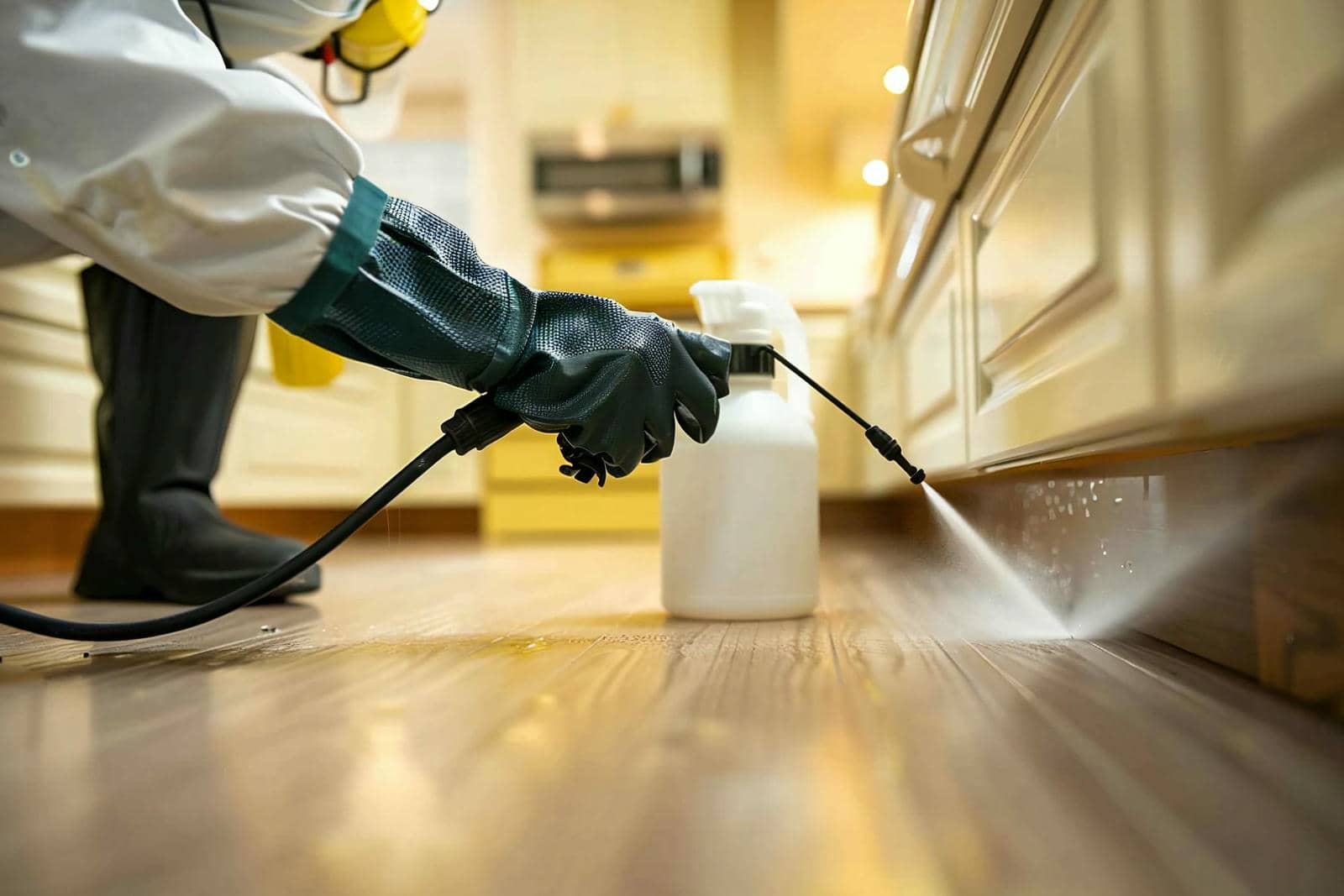
To guarantee safe application, always read the label carefully, as it provides vital information on proper usage, dosage, and safety precautions. Choose products specifically designed for the pests you’re targeting, as this maximizes effectiveness and minimizes risks.
When applying pesticides, wear protective gear like gloves, masks, and goggles to safeguard yourself from exposure.
Make certain to ventilate the area to disperse any harmful fumes and avoid applying near food, pets, or children. Timing is also key; apply treatments when pests are most active for better results.
Monitoring and Follow-Up Inspections
Although you may have applied insecticides and set traps, ongoing monitoring and follow-up inspections are essential for effective pest management.
Implementing long-term monitoring helps you understand pest behavior and guarantees that your home remains pest-free after flooding.
To maintain control, consider the following actions:
- Regularly inspect areas prone to moisture and pest infestation.
- Keep an eye on traps and insecticide effectiveness.
- Document any signs of pest activity, such as droppings or nests.
- Adjust your pest management strategies based on observed behavior.
- Educate yourself about local pests and their seasonal patterns.
Consulting With Pest Control Professionals
While you may feel equipped to handle pest control on your own, consulting with pest control professionals can provide you with expert insights and effective solutions tailored to your specific situation.
These specialists use advanced pest identification techniques to assess your property, ensuring that all potential threats are recognized. They can pinpoint not just visible pests but also hidden infestations that you might miss.
Additionally, professionals offer targeted pest prevention strategies that go beyond temporary fixes. They evaluate your property’s condition post-flooding and recommend long-term solutions to minimize future risks.
Their knowledge of local pest behavior and environmental factors can greatly enhance your efforts in maintaining a pest-free environment.
Frequently Asked Questions
How Long After Flooding Should I Start Pest Control Measures?
You should start pest control measures within 24 to 48 hours after flooding. Quick action is essential, as flood timing affects pest reemergence. Delaying could lead to increased infestations and complications in your space.
Can Flooding Increase the Risk of Specific Pest Infestations?
Yes, flooding can increase mosquito breeding due to standing water, creating ideal conditions for their growth. It also attracts rodents seeking shelter, heightening the risk of infestations. Being proactive is essential to mitigate these issues.
Are There Natural Pest Control Methods After Flooding?
Yes, natural pest control methods are effective post-flooding. You can use natural repellents like essential oils and organic treatments such as diatomaceous earth to deter pests, ensuring a safer, eco-friendly environment for you and your family.
What Health Risks Do Pests Pose After a Flood?
After a flood, pests pose health risks through disease transmission. You should prioritize vector control to minimize these hazards, as rodents and insects can carry dangerous pathogens, potentially endangering your family’s well-being and community health.
How Can I Prevent Future Pest Problems After Flooding?
To prevent future pest problems, implement effective pest proofing strategies, like sealing cracks and gaps. Prioritize moisture management by fixing leaks and improving drainage, creating an environment less inviting for pests to thrive.
Wrap-Up
In the aftermath of flooding, taking swift action is essential. By evaluating damage, removing moisture, cleaning thoroughly, sealing entry points, inspecting for pests, utilizing traps, applying pesticides safely, and monitoring regularly, you can establish a strong defense against infestations. Each step is vital in safeguarding your property and health. Don’t hesitate to consult pest control professionals for expert guidance. By being proactive and diligent, you’ll enhance your long-term pest management strategy and protect your home from future threats.