Contents
Many homeowners overlook the importance of pest control during roof repairs, yet the risks of infestations can increase considerably when access points are exposed. By evaluating potential pest issues beforehand and sealing entry points, you can effectively mitigate these risks. However, knowing the most effective strategies to employ during this process is essential for long-term results. Let’s explore the best pest control tactics you can implement to guarantee your home remains safe and pest-free.
Key Takeaways
- Conduct thorough inspections to identify pest infestations and document findings before starting roof repairs.
- Seal entry points around vents and chimneys using appropriate sealants to prevent pests from entering.
- Apply insecticides strategically before repairs to create a protective barrier against potential infestations.
- Collaborate with pest control professionals for expert guidance and tailored prevention strategies during repairs.
- Schedule routine inspections post-repair to monitor for any new pest activity and implement proactive treatments as needed.
Assessing Pest Infestations Before Repairs
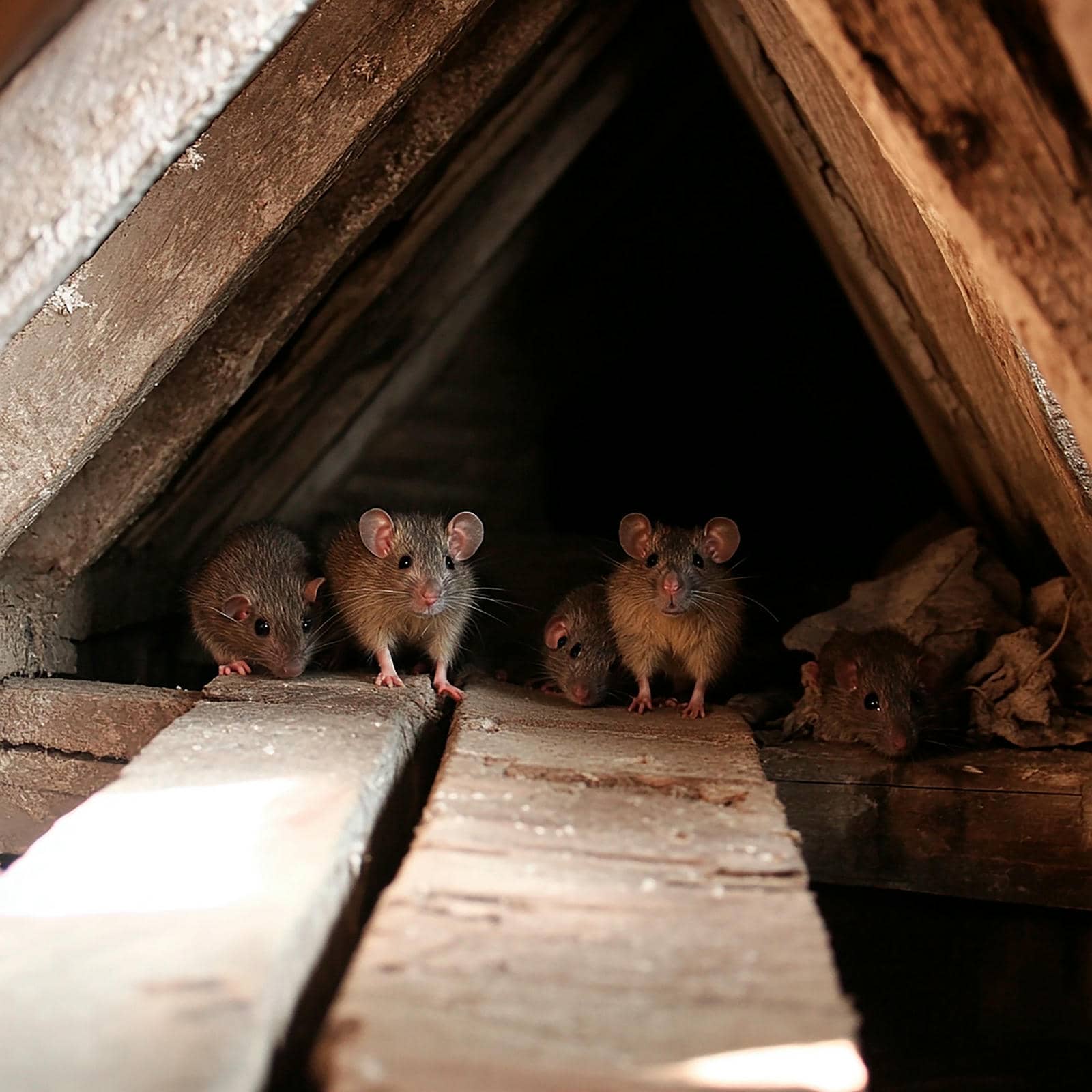
Before diving into roof repairs, how do you guarantee that pest infestations won’t undermine your efforts? Start with effective pest identification methods. Inspect your roof and surrounding areas for droppings, nests, or damage indicative of pests like rodents or insects.
Utilize traps and visual inspections to gather concrete evidence of infestations.
Next, conduct an infestation severity assessment. Evaluate the extent of damage and the size of the pest population. This assessment will help you determine whether immediate action is necessary or if minor issues can wait until after repairs.
Sealing Entry Points to Prevent Pests
To prevent pests from entering your home during roof repairs, start by inspecting for gaps and cracks in the roofing structure.
Once you’ve identified these entry points, use appropriate sealants to securely close them off.
This proactive approach minimizes the risk of infestations and protects your home’s integrity.
Inspect for Gaps
During roof repairs, identifying and sealing gaps is essential in preventing pest infestations. Conduct a thorough gap analysis to locate potential entry points where pests might invade your space.
Check areas around vents, chimneys, and soffits—these are common culprits for pest entry. Pay close attention to any cracks or holes in the roofing material that could provide access to unwanted guests.
Once you’ve identified these vulnerabilities, document them for reference. This proactive approach not only helps maintain a pest-free environment but also enhances the longevity of your roof.
Use Appropriate Sealants
Effective pest control hinges on using appropriate sealants to close off entry points identified during your inspection. There are various sealant types available, including caulk, foam, and silicone, each suited for different materials and conditions. You’ll want to select a sealant that matches the surface and is durable against weather elements.
When applying, make sure surfaces are clean and dry for ideal adhesion. Use a caulking gun for precision and control, especially around joints and seams. For larger gaps, expanding foam may be more effective.
Always follow manufacturer instructions for curing times and environmental considerations. By employing these application techniques, you’ll greatly reduce the risk of pest infestations, creating a more secure and comfortable space for everyone.
Using Insecticides Strategically
While managing roof repairs, using insecticides strategically can greatly mitigate pest issues that may arise during the process.
Start by evaluating the specific pest problems in your area, allowing for targeted treatments that address the most pressing concerns. When you apply insecticides, focus on areas where pests are likely to enter or nest, such as cracks and gaps in the roofing structure.
Utilize appropriate insecticide application methods, like sprays or dusts, to guarantee maximum effectiveness while minimizing exposure to non-target species.
Timing is vital; apply insecticides before starting repairs to create a barrier, reducing the likelihood of infestations during the work.
Remember to follow all safety guidelines and label instructions for proper use. By integrating these strategic insecticide applications, you’ll not only protect your roof during repairs but also foster a pest-free environment long after the work is completed.
Implementing Baiting Systems for Rodents
Implementing baiting systems for rodents can greatly enhance your pest control strategy during roof repairs. By strategically placing bait stations, you can effectively target rodent behavior, guaranteeing they’re drawn to the bait rather than the construction area.
Choose locations near entry points or nesting sites, as these are typically high-traffic areas for rodents.
When setting up your bait placement, make certain that the stations are tamper-proof to protect non-target species and to comply with safety regulations. Use bait that’s appealing to rodents, such as peanut butter or grain-based formulations, to increase the chances of consumption.
Monitor the bait stations regularly to assess their effectiveness, replenishing bait as needed.
Being proactive with baiting systems not only minimizes rodent activity during roof repairs but also contributes to long-term pest management, fostering a sense of community among homeowners who prioritize a pest-free environment.
Timing Repairs to Minimize Pest Activity
To minimize pest activity during roof repairs, timing your work strategically can make a notable difference.
Proper repair scheduling can help reduce the likelihood of pest infestations, especially when considering seasonal factors. Here are three essential seasonal considerations:
Spring and Summer: These seasons see heightened pest activity. Schedule repairs during early spring or late summer when pests are less active.
Weather Conditions: Avoid rainy or windy days for repairs. Pests are often drawn to warm, dry conditions, so aim for cooler, overcast days.
Pest Life Cycles: Research local pest populations and their breeding cycles. Initiating repairs when pests are in their dormant stages can notably reduce their presence.
Collaborating With Pest Control Professionals
Collaborating with pest control professionals is essential for effective roof repairs.
Their expertise in Integrated Pest Management techniques guarantees that you address current infestations while preventing future issues.
Timing your treatments alongside repair work maximizes effectiveness and minimizes pest activity.
Importance of Professional Guidance
While tackling roof repairs, enlisting the expertise of pest control professionals can greatly enhance your efforts to mitigate potential infestations.
Their professional expertise guarantees you address any pest issues effectively. Here’s why collaborating with them is essential:
Pest Identification: Professionals can accurately identify pests that may compromise your roof’s integrity.
Prevention Strategies: They’ll recommend tailored solutions to prevent future infestations during and after your repairs.
Safety Protocols: Experienced pest control experts follow safety guidelines, minimizing risks to you and your property.
Integrated Pest Management Techniques
Integrating pest management techniques with your roof repair process can greatly enhance the effectiveness of both initiatives.
By collaborating with pest control professionals, you can gain valuable insights into pest behavior, enabling you to identify potential issues before they escalate.
Implementing proactive measures, such as sealing entry points and maintaining a clean work environment, will deter pests from becoming a problem during repairs.
Incorporating monitoring tools can also help track pest activity, allowing for timely interventions.
Additionally, educating yourself and your team on pest identification and prevention strategies fosters a sense of community and shared responsibility.
Together, these integrated approaches not only protect your roof investment but also create a safer, more secure environment for everyone involved.
Timing for Effective Treatment
Effective treatment timing is essential when addressing pest issues during roof repairs, as it can greatly reduce the likelihood of infestations.
Collaborating with pest control professionals guarantees that you’re considering key factors such as weather conditions and seasonal patterns.
Here are three critical timing strategies:
Pre-Repair Assessment: Schedule an inspection before repairs begin to identify potential pest issues.
Optimal Weather: Aim for dry conditions; rain can wash away treatments and affect efficacy.
Seasonal Awareness: Target treatments based on pest activity; for instance, apply treatments before peak seasons to prevent infestations.
Maintaining Cleanliness During Repairs
When undertaking roof repairs, maintaining cleanliness is vital not only for the efficiency of the work but also for preventing pest infestations.
Implementing effective cleaning routines during repairs helps guarantee that your workspace remains clear and organized. Start by designating specific areas for tools and materials, which minimizes clutter and potential hiding spots for pests.
Debris management is essential; regularly remove any scrap materials, old shingles, or construction waste. This not only keeps the area tidy but also reduces the likelihood of attracting unwanted pests.
After each work session, take a few minutes to clean up thoroughly, making sure that no food sources or habitats are left behind.
Monitoring for New Infestations Post-Repair
Although roof repairs may seem complete, vigilance against new pest infestations is vital. After the work is done, it’s important to monitor your space to guarantee no unwelcome guests have moved in.
Here are some effective strategies to implement:
Regular Inspections: Schedule inspections every few weeks to check for signs of pests, like droppings or damage.
Pest Detection Methods: Use traps and bait stations to identify any new pest activity. These methods are proactive and can catch infestations early.
Monitoring Frequency: Adjust your monitoring frequency based on the season. Increased activity may occur during warmer months, so inspect more frequently then.
Educating Homeowners on Ongoing Pest Prevention
Homeowners must prioritize ongoing pest prevention to safeguard their investments and maintain a healthy living environment. Effective pest control starts with homeowner education, empowering you to take proactive measures. Here’s a simple guide to help you stay informed and prepared:
| Action Item | Importance |
|---|---|
| Regular Inspections | Detects issues before infestations |
| Sealing Entry Points | Prevents pests from entering |
| Proper Waste Management | Reduces food sources for pests |
| Landscaping Maintenance | Eliminates pest habitats |
| Routine Treatments | Keeps pest populations in check |
Frequently Asked Questions
How Do I Recognize Signs of Pest Damage on My Roof?
To recognize pest damage on your roof, use pest identification techniques like checking for droppings, chew marks, or nests. Employ roof inspection tips, focusing on areas around vents, chimneys, and eaves for potential infestations.
What Types of Pests Are Most Common During Roof Repairs?
Picture a battalion of roofing pests invading your home: termites, carpenter ants, and roof rats. You’ll want to prioritize pest prevention strategies to keep them at bay during your roof repairs and safeguard your space.
Can I Perform Pest Control Myself During Repairs?
Yes, you can perform DIY pest control during repairs. Use effective products and follow safety guidelines. Incorporate roof repair tips to guarantee a thorough approach, maintaining a pest-free environment while enhancing your home’s structural integrity.
Are There Any Natural Pest Control Methods I Can Use?
Imagine a garden thriving, yet pests invade. You can use essential oils like peppermint and tea tree to repel them, or sprinkle diatomaceous earth a fine powder that disrupts their exoskeletons, creating a natural barrier.
How Long Does It Take for Pest Control Measures to Be Effective?
The pest control timeline varies, typically taking a few days to weeks for noticeable effects. Factors influencing effectiveness include the pest type, treatment method, and environmental conditions, all essential for achieving ideal results you can expect.
Wrap-Up
Addressing pest control during roof repairs is essential for long-term success. By sealing entry points, using insecticides strategically, and collaborating with professionals, you can effectively deter infestations. Remember, an ounce of prevention is worth a pound of cure; maintaining cleanliness and monitoring for new pests post-repair will keep your home safe. Educating yourself on ongoing prevention measures will guarantee your roof repairs don’t just cover the issue but eliminate it for good.