Contents
After a storm, your roof may face various types of damage, from missing shingles to leaks. Choosing proven roof repair methods is essential for restoring its integrity and preventing further issues. Quick action can mitigate long-term problems and safeguard your investment. Understanding effective techniques tailored to your roof type will enhance its resilience. But how do you assess the damage and decide on the best repair approach? Let’s explore the key factors involved.
Key Takeaways
- Proven methods ensure effective repairs, preventing further damage and costly future repairs after a storm.
- They enhance the roof’s resilience, safeguarding against future weather-related issues.
- Using expert techniques minimizes the risk of hidden problems, ensuring thorough inspections and repairs.
- Quality materials used in proven methods reduce the likelihood of future leaks and prolong roof lifespan.
- Timely application of these methods protects home value and maintains equity post-storm.
Identifying Types of Storm Damage to Your Roof
When storms hit, it’s essential to quickly identify the types of damage your roof may have sustained. Start by checking for hail damage, which can create dents and cracks in shingles.
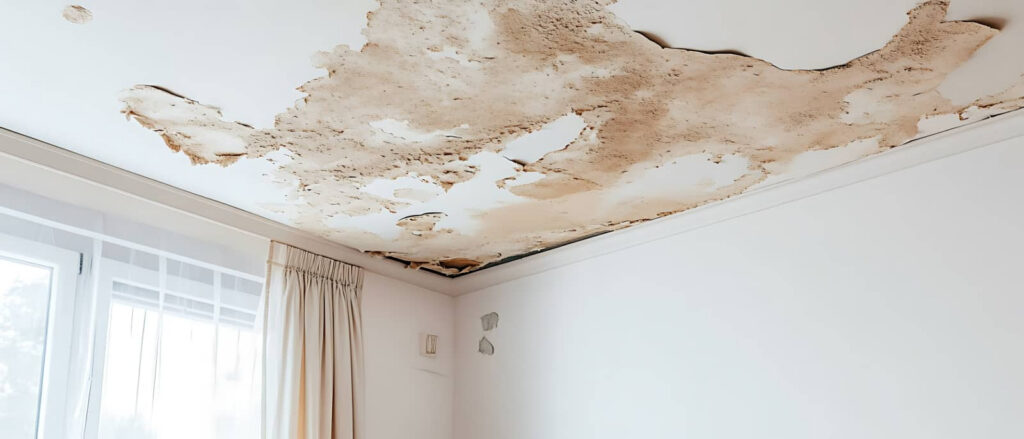
Next, look for wind damage; missing or curled shingles often signal this issue. Water leaks can arise from compromised areas, leading to mold growth if not addressed promptly.
Inspect for shingle loss and pay attention to flashing issues around chimneys and vents, as these are common weak points. Additionally, assess debris impact from fallen branches or other materials, which can threaten your roof’s structural integrity.
Recognizing these problems early helps you maintain a safe, secure home and fosters a sense of community belonging through proactive care.
How to Assess the Extent of Roof Damage
To assess roof damage effectively, start with a thorough visual inspection.
Look for common damage indicators like missing shingles, leaks, or unusual granule loss.
This initial evaluation will help you determine the extent of repairs needed.
Visual Inspection Techniques
Evaluating roof damage after a storm requires a systematic approach, and visual inspection is essential. Start by inspecting your roof from the ground, looking for any obvious signs of damage like missing shingles or sagging areas.
For a more thorough assessment, consider using drone inspections. Drones provide a bird’s-eye view, allowing you to spot issues that may not be visible from the ground.
Additionally, thermal imaging can help identify hidden leaks or moisture trapped beneath the surface. Both methods enhance your understanding of the roof’s condition without compromising safety.
Common Damage Indicators
After completing a visual inspection, the next step is to identify common damage indicators that reveal the extent of roof issues.
Start by checking for shingle wear; missing, cracked, or curling shingles often signal underlying problems. Look for granule loss in gutters, which can indicate aging materials.
Next, perform leak detection by inspecting your attic for water stains or mold. These signs may suggest that moisture has breached your roof’s defenses.
Additionally, pay attention to flashing around chimneys and vents; damaged flashing can lead to serious leaks.
Why Quick Action Matters for Roof Repairs
Taking quick action on roof repairs is essential to prevent further damage.
A timely response not only protects your home from additional issues but also helps maintain its value over time.
Ignoring minor leaks can lead to costly repairs and decreased property worth.
Prevent Further Damage
When a storm leaves your roof compromised, quick action is crucial to prevent further damage. Delaying repairs can lead to leaks, mold growth, and structural issues, all of which can escalate repair costs considerably.
By addressing problems promptly, you not only protect your home but also enhance its storm resilience. Implementing effective preventative maintenance strategies guarantees that minor issues don’t become major headaches.
Regular inspections and timely repairs keep your roof in prime condition, safeguarding your investment. Remember, the sooner you act, the better your chances of preventing extensive damage.
Don’t wait for the next storm to find weaknesses; take proactive steps now to secure your home and foster a sense of belonging in your community.
Maintain Home Value
Prompt roof repairs not only prevent further damage but also play a pivotal role in maintaining your home’s value. Quick action can safeguard your home equity and guarantee a favorable property appraisal.
When you address roof issues promptly, you’re not just fixing a problem; you’re enhancing your investment.
Prevent mold and mildew growth that could compromise your indoor air quality
Avoid structural damage that may lead to costly future repairs
Keep your curb appeal intact, attracting potential buyers
Effective Repair Techniques for Asphalt, Metal, and Tile Roofs
Evaluating the damage after a storm is essential for effective roof repairs, especially for asphalt, metal, and tile roofs.
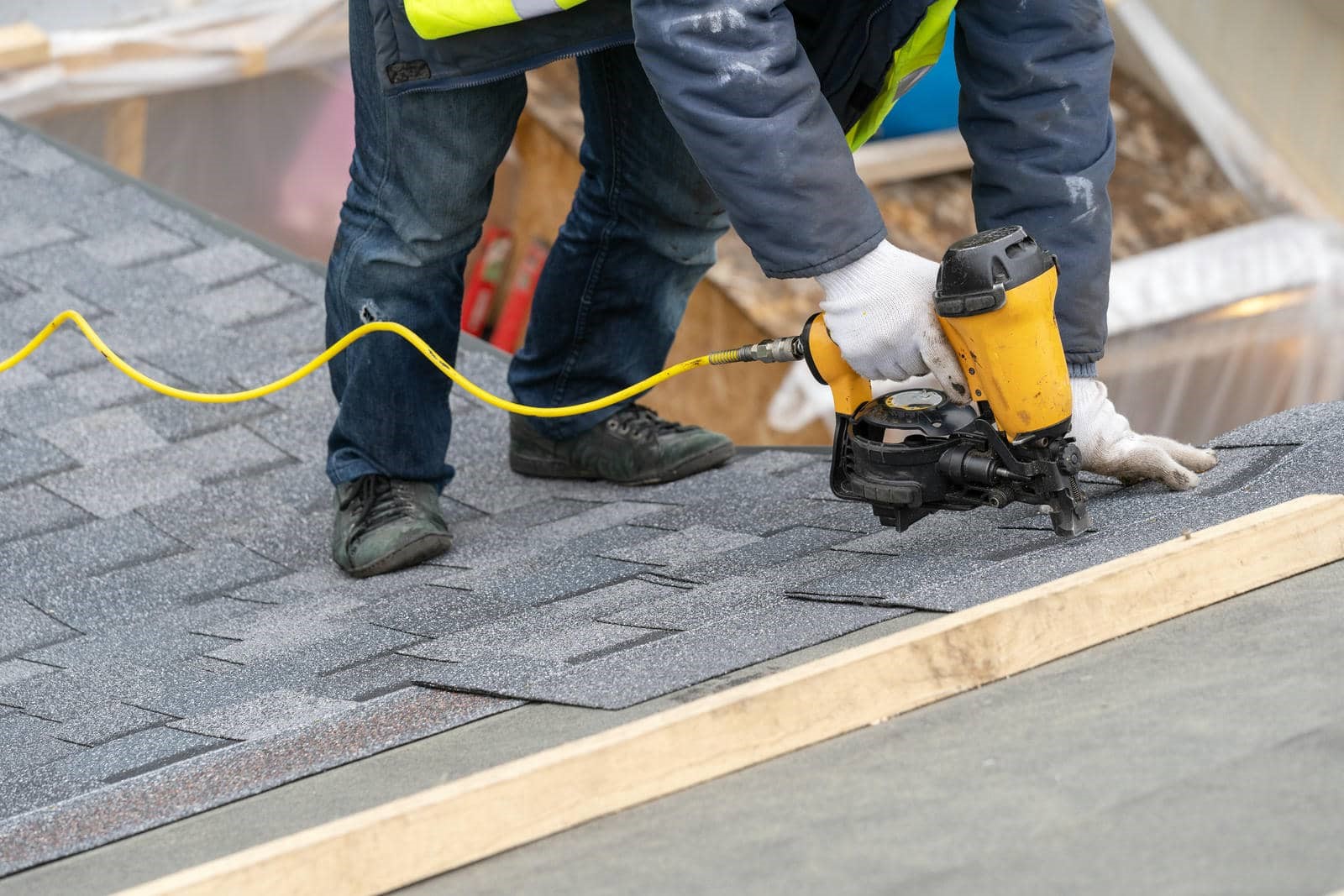
For asphalt repairs, inspect for missing shingles and apply roofing cement to seal any gaps. In cases of significant damage, consider full shingle replacement to guarantee long-term durability.
For metal restoration, check for rust or dents; treat rust with a specialized primer and repaint to extend the roof’s life.
If tiles are cracked or broken, opt for tile replacement to maintain structural integrity.
Finally, don’t forget roof sealing; applying a sealant can protect against future weather damage, enhancing the lifespan of all roof types.
Each method guarantees your roof stays strong, safeguarding your home and investment.
Why You Should Hire a Pro to Fix Your Roof
Hiring a professional to fix your roof assures that repairs are conducted with expertise and precision, minimizing the risk of future issues.
When you choose a pro, you benefit from their roofing expertise and guarantee safety concerns are addressed effectively.
Thorough inspections to identify underlying problems you might miss.
Quality materials that stand the test of time, preventing future leaks.
Safe working practices that protect both you and the workers from accidents.
Cost of Roof Repairs After a Storm
After a storm, understanding the cost of roof repairs is vital for homeowners. You’ll want to assess the damage quickly and gather repair estimates from multiple contractors. This not only helps you compare prices but also gives you a clearer picture of what to expect.
Check your insurance coverage to see what’s included; many policies cover storm damage, which can greatly reduce your out-of-pocket expenses. Be prepared to document the damage and any estimates you receive for your insurance claim.
Preventative Measures to Strengthen Your Roof
Once you’ve assessed the costs associated with roof repairs, it’s time to reflect on how to fortify your roof against future storms.
Implementing effective roof maintenance and weatherproofing techniques not only extends your roof’s lifespan but also enhances your home’s resilience.
Here are three key measures you can take:
Install high-quality shingles: Choose materials designed to withstand harsh weather conditions.
Seal gaps and joints: Use weather-resistant sealants to prevent leaks from forming.
Regular inspections: Schedule routine checks to identify and address potential issues before they escalate.
When Should You Consider a Full Roof Replacement?
How can you determine if a full roof replacement is necessary? Evaluating your roof’s condition is essential. Here are some replacement signs to take into account:
| Sign | Description | Action |
|---|---|---|
| Age | Roof nearing its lifespan (20+ years) | Consider replacement |
| Leaks | Persistent leaks after repairs | Schedule an inspection |
| Shingle Damage | Missing or cracked shingles | Assess for replacement |
| Sagging | Roof appears uneven or sagging | Immediate evaluation |
If you notice these signs, it’s time to weigh your options. A full roof replacement can guarantee safety and longevity, preventing more costly repairs down the line. Trust your instincts; you want a sound roof over your head.
Frequently Asked Questions
How Can I Tell if My Roof Needs Repairs or Replacement?
You can tell if your roof needs repairs or replacement by conducting a thorough roof inspection. Look for leaks, missing shingles, or sagging areas. A damage assessment will help determine the best course of action.
What Should I Do if I Notice Leaks After a Storm?
If you notice leaks after a storm, start leak detection immediately. Use buckets for emergency measures to catch drips, and inspect your roof for damage. Contact a professional to assess and repair the issues promptly.
Are DIY Roof Repairs Safe and Effective?
DIY roof repairs can be risky. While they might seem cost-effective, safety concerns and long-term effectiveness often fall short. It’s usually best to consult professionals who guarantee thorough repairs and safeguard your home’s integrity.
How Long Do Roof Repairs Typically Take?
Roof repairs usually take one to three days, but repair duration varies based on factors like damage extent and weather. Isn’t it reassuring to know you can guarantee your home’s safety in a timely manner?
Will My Homeowners Insurance Cover Storm-Related Roof Damage?
Yes, your homeowners insurance may cover storm-related roof damage, depending on your policy coverage. Review your policy details and file insurance claims promptly to guarantee you receive the benefits you’re entitled to for necessary repairs.
Final Thoughts
Just like a sturdy ship needs a strong hull to weather the storm, your roof requires proven repair methods to safeguard your home. By acting quickly and utilizing effective techniques tailored to your roof type, you fortify your sanctuary against future tempests. Remember, hiring a professional isn’t just a choice; it’s an investment in your home’s longevity. With the right care, your roof can stand tall, ready to face whatever winds may come.